
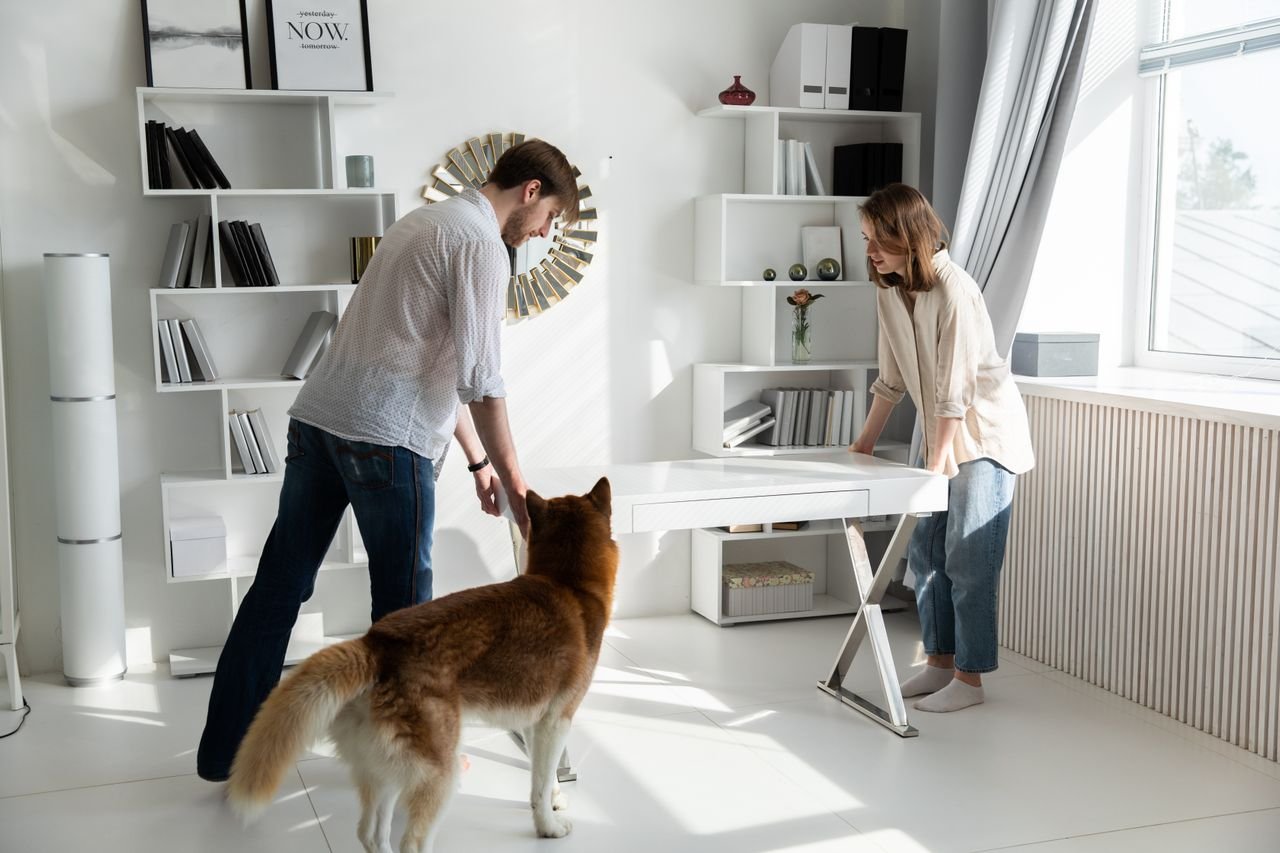
A dog-friendly remodel in Discovery Bay can transform a home into a more durable, comfortable, efficient, and easy-to-maintain space by considering how dogs move through the house, where they eat and rest, how flooring handles claws and moisture, and how indoor and outdoor areas support everyday routines.
Rather than adding pet features as an afterthought, homeowners can integrate practical details such as custom pet storage, durable luxury flooring, dedicated washing stations, efficient windows, improved insulation, and thoughtfully designed outdoor areas directly into the overall architecture and interior design.
A luxury renovation can remain sophisticated while accommodating pets through high-quality, resilient materials and customized features that blend naturally with the home’s aesthetic, while sustainable choices such as low-VOC finishes, responsibly sourced materials, efficient lighting, water-saving fixtures, and improved insulation can further enhance comfort and environmental performance.
Whether the project involves a kitchen, bathroom, entryway, flooring, outdoor area, or entire home, considering your dog’s habits alongside your family’s lifestyle can produce a beautiful and functional space designed for everyone who lives there.
Key Takeaways
- A successful dog-friendly remodel begins by considering your dog’s size, habits, activity level, and daily routines.
- Durable, slip-resistant, moisture-resistant flooring can make high-traffic areas easier to maintain and safer for pets.
- Built-in cabinetry can organize food, toys, leashes, grooming supplies, and cleaning products without creating visual clutter.
- Dedicated mudrooms and pet washing stations can contain dirt and moisture before they spread throughout the home.
- Outdoor spaces should combine secure access, proper drainage, durable surfaces, safe landscaping, and attractive design.
- Luxury remodeling can remain elegant when pet-friendly features are integrated into custom cabinetry, flooring, lighting, and architectural details.
- Sustainable materials, efficient appliances, improved insulation, and low-emission finishes can support a healthier and more efficient home.
- Smart-home technology can improve temperature control, lighting, security, and pet monitoring.
- Long-term maintenance should influence material and layout decisions just as much as immediate appearance.
- Experienced remodeling professionals can coordinate design, materials, functionality, and construction details into one cohesive project.
Start With Your Dog’s Daily Routine
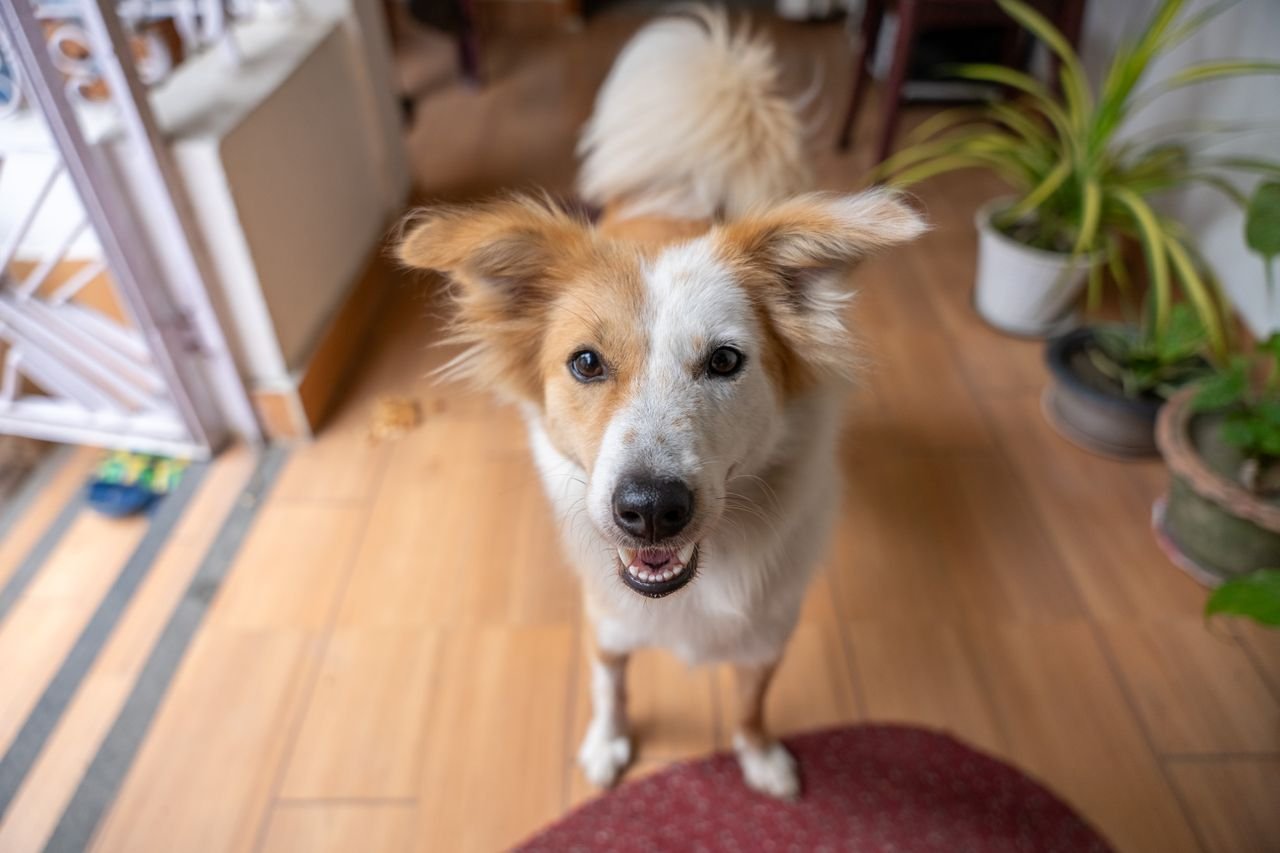
Before selecting materials or designing specialty features, observe where your dog sleeps, eats, plays, enters the house, watches the outdoors, and tracks dirt or water inside, because these habits reveal which remodeling improvements will provide the greatest everyday benefit.
For example, a dog that frequently enters through a rear or side door after playing outdoors may benefit from a dedicated transition zone with washable flooring, storage, towel hooks, seating, and a pet washing station, while dogs that spend most of their time in the kitchen or family room may require flooring and cabinetry designed around those high-traffic areas.
The goal is not to make the home resemble a pet facility but to incorporate useful features so naturally that they become seamless parts of the home’s architecture and interior design.
Choose Flooring Designed For Real-Life Pet Traffic
Flooring is one of the most important considerations in a dog-friendly remodel because claws, moisture, dirt, hair, and frequent movement can quickly expose weaknesses in poorly suited materials.
When comparing flooring, consider scratch resistance, moisture resistance, traction, ease of cleaning, appearance, longevity, and maintenance requirements rather than choosing a material based solely on aesthetics.
Options such as luxury vinyl, porcelain tile, certain engineered wood products, and other durable surfaces can provide different combinations of resilience and style, allowing homeowners to select flooring that suits both the home’s design and the dog’s activity level.
For a luxury renovation, homeowners can also choose sophisticated flooring that recreates the appearance of hardwood or natural stone while offering practical performance for everyday household use.
Consider Your Dog’s Comfort, Too
Durability should be balanced with comfort and safety because highly smooth surfaces may make it difficult for some dogs, particularly older or less mobile pets, to walk confidently.
Strategically placed runners and area rugs can provide additional traction and protect high-traffic flooring, provided they are stable, washable, and positioned without creating tripping hazards.
Create A Dedicated Pet Entry Or Mudroom
A dedicated mudroom or pet entry can create a controlled transition between outdoor activities and the home’s main living areas, helping contain wet paws, mud, leaves, and debris before they spread throughout the house.
A custom space may combine durable flooring, built-in cabinetry, open shelving, leash and towel hooks, seating, closed pet-supply storage, a utility sink, a washing station, proper drainage, and washable wall surfaces. With quality tile, custom millwork, attractive hardware, and thoughtful lighting, the space can function as an elegant extension of the home rather than a purely utilitarian area.
Make Pet Storage Part Of The Architecture
Pet food, treats, toys, leashes, harnesses, grooming supplies, towels, and cleaning products can quickly create clutter, making built-in storage a practical way to keep these necessities organized and concealed.
Custom cabinetry can include pull-out food compartments, dedicated drawers for toys and grooming supplies, lower cabinets for leashes, or tall storage for large food bags and cleaning equipment, allowing pet-related functions to blend naturally with the surrounding design.
Design A Custom Dog Washing Station
A dedicated dog washing station can simplify cleanup by providing a purpose-built area for bathing muddy or wet pets instead of requiring homeowners to lift them into the primary bathtub.
Depending on the dog’s size and the homeowner’s preferences, the station can feature an appropriately positioned basin, handheld spray fixture, slip-resistant flooring, durable wall tile, shelving, towel storage, easy-clean surfaces, and efficient drainage.
The washing area can be incorporated into a mudroom, laundry room, garage-adjacent utility area, or another convenient location, while water-efficient fixtures can support sustainability goals without sacrificing usability.
Make The Kitchen More Dog-Friendly
Because the kitchen is often a central gathering space, pet-friendly features can be incorporated into its cabinetry and layout without making the room appear overly specialized.
A built-in feeding station can keep food and water bowls accessible without obstructing walkways, while dedicated cabinetry or pantry storage can organize pet food and supplies in a convenient location.
Keep Pet Supplies Away From Food Preparation
Separating pet food and supplies from human food storage can improve organization and cleanliness, particularly in larger kitchens where custom cabinetry allows storage to be tailored to the household’s routines.
Matching finishes, concealed hardware, integrated drawers, and custom millwork can make these pet-related functions virtually indistinguishable from the rest of a luxury kitchen.
Think About Pet-Friendly Bathroom Remodeling
Bathrooms that are regularly used for pet bathing or grooming can benefit from durable, moisture-resistant, and easy-to-clean materials such as appropriate tile, grout, cabinetry, and other resilient surfaces.
A walk-in shower with a handheld fixture may provide convenient flexibility for households that bathe dogs indoors, although the configuration should be designed to remain practical and comfortable for both people and pets.
The broader objective is to integrate pet care into existing household functions rather than creating unnecessary duplicate spaces.
Create A Safe And Comfortable Outdoor Area
A dog-friendly remodel should extend into outdoor areas by creating secure, durable, and comfortable spaces where pets can exercise while homeowners can continue to enjoy an attractive outdoor living environment.
Important considerations include secure fencing and gates, shade, drainage, durable surfaces, pet-safe planting, lighting, water access, covered areas, and convenient connections between indoor and outdoor spaces.
Integrate The Patio And Pet Area
Rather than separating pet areas from entertaining spaces, homeowners can create cohesive outdoor zones that combine seating, shade structures, durable flooring, landscaping, and designated areas where dogs can relax or play.
Strategic landscaping can provide shade, privacy, and visual structure while allowing the entire property to maintain a polished and unified appearance.
Consider Energy Efficiency During Your Remodel
A substantial renovation can provide an ideal opportunity to improve the home’s energy performance through upgrades to insulation, windows, doors, lighting, appliances, ventilation, air sealing, and other efficiency-related systems.
Potential improvements can include energy-efficient windows, better insulation, high-efficiency lighting, efficient appliances, smart thermostats, weather-resistant doors, and improved air sealing, all of which can contribute to more consistent indoor comfort for people and pets.
Use Sustainable Remodeling Materials
Sustainable remodeling can maintain an upscale appearance through carefully selected materials such as responsibly sourced wood, recycled-content products, durable tile, lower-emission finishes, and products designed for long service life.
Durability is an important part of sustainability because materials that withstand years of pet traffic and household use may reduce replacement frequency, waste, and future remodeling demands.
Rather than evaluating materials solely according to environmental marketing claims, homeowners should consider their expected lifespan, maintenance requirements, repairability, resource use, and suitability for the specific application.
Choose Low-VOC Finishes For A Healthier Home
Paints, adhesives, sealants, coatings, and other construction products can influence indoor air quality, making lower-emission or low-VOC options worth considering as part of a broader healthy-home strategy.
Because dogs spend considerable time close to the floor and may remain indoors for extended periods, material selection should account for the overall indoor environment as well as appearance.
Homeowners should review product specifications with their remodeling professional to ensure that selected materials are compatible with the project’s performance and installation requirements.
Upgrade Windows And Doors
New windows and exterior doors can improve energy performance, comfort, natural light, weather resistance, security, and indoor-outdoor connectivity while complementing the home’s architectural character.
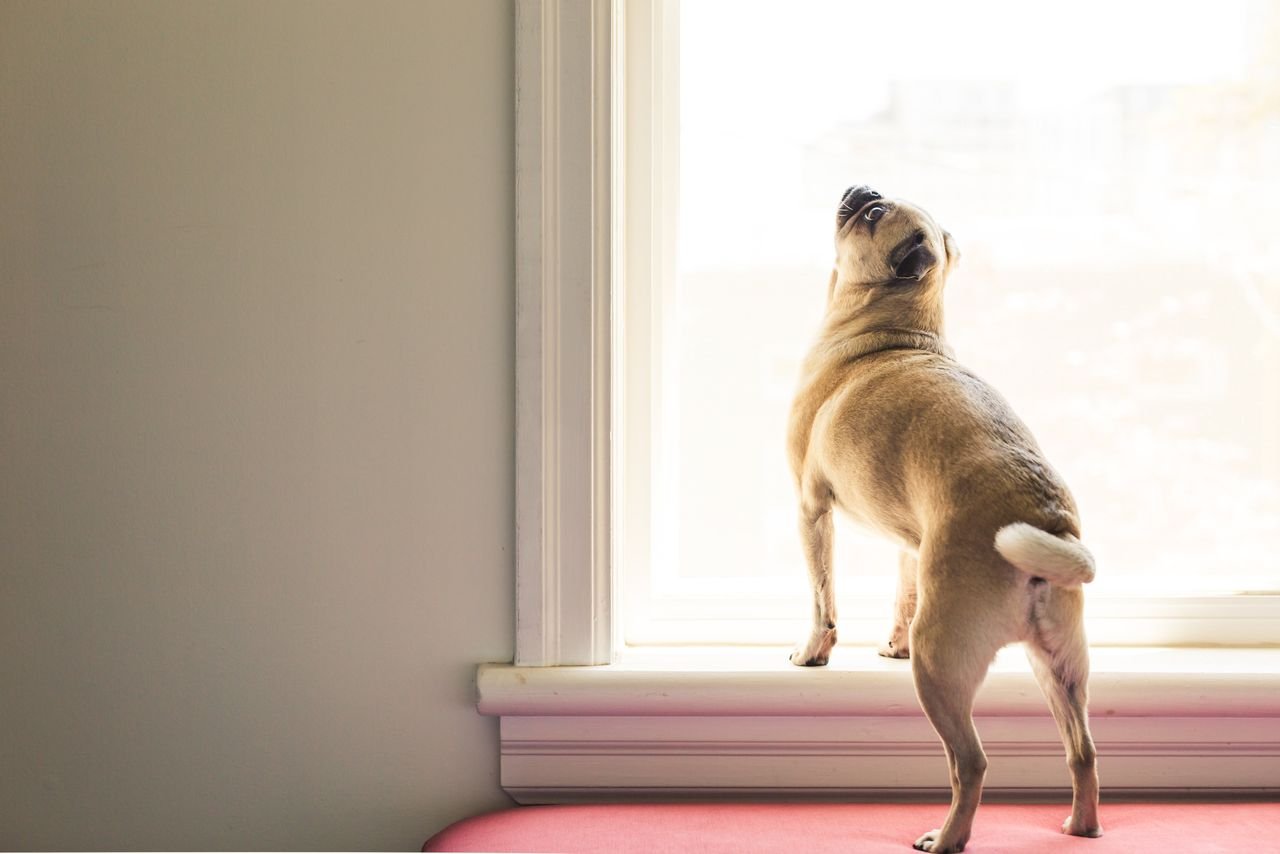
A durable exterior door near a backyard can provide convenient pet access, while strategically positioned windows can give dogs comfortable views of outdoor areas without creating unsafe openings.
When replacing windows, homeowners should consider glazing, framing, energy performance, ventilation, maintenance, and architectural compatibility to ensure the upgrades improve both aesthetics and everyday usability.
Add Smart-Home Features
Smart-home technology can support pet-friendly living through programmable thermostats, automated lighting, security cameras, smart locks, and connected monitoring systems.
A smart thermostat can help maintain comfortable temperatures while homeowners are away, automated lighting can improve visibility around entryways and outdoor paths, and security systems can provide greater awareness of activity near doors and gates.
Pet monitoring technology may also allow homeowners to check on their dogs during the day, although technology should be selected according to genuine household needs rather than added simply for novelty.
Improve Indoor Air Quality
Dogs naturally contribute hair, dander, dust, and outdoor debris to a household, making ventilation, filtration, and air-sealing strategies useful considerations during a major renovation.
Homeowners can work with qualified professionals to evaluate HVAC performance, filtration, ventilation, and building-envelope improvements, particularly when these upgrades can be coordinated alongside other remodeling work.
Build A More Durable Luxury Home
Luxury does not have to mean delicate, and a high-end home can combine sophisticated finishes with materials and construction details capable of handling everyday pet traffic.
The best selections are based not only on appearance but also on how surfaces, cabinetry, flooring, and fixtures will perform under real household conditions, allowing homeowners to achieve a refined environment without creating unnecessary maintenance demands.
True luxury often comes from functionality that feels effortless because the home is designed around the way the household actually lives.
Plan For Aging Pets
A remodel can also anticipate changes in a dog’s mobility and comfort by incorporating better traction, fewer unnecessary steps, accessible outdoor transitions, convenient sleeping areas, reachable food and water stations, wider circulation paths, and comfortable resting spaces.
These adaptable features can benefit people as well, making universal design principles useful for the entire household rather than only for pets.
Protect Walls And High-Traffic Areas
Entrances, hallways, mudrooms, and areas surrounding exterior doors can experience increased wear from excited or active dogs, so durable and washable wall finishes can reduce ongoing maintenance.
Options such as tile wainscoting, durable coatings, protective trim, and resilient materials can help these areas withstand everyday activity without requiring frequent repairs.
Design Around Cleanability
A successful dog-friendly home should be designed around practical maintenance by incorporating smooth, washable surfaces, durable flooring, sealed materials, accessible storage, limited unnecessary crevices, washable textiles, reachable cleaning supplies, and appropriate drainage.
These decisions can reduce the effort required to manage everyday messes while allowing a luxury home to remain comfortable and enjoyable rather than becoming a constant maintenance project.
Don’t Forget Lighting
Well-planned lighting can improve visibility around entryways, hallways, stairs, patios, and outdoor paths where dogs may move during early mornings, evenings, or periods when homeowners are away.
A sophisticated lighting plan can combine ambient, task, and accent lighting with automated or motion-sensitive exterior fixtures to provide both attractive illumination and practical visibility.
Plan The Remodel Around Your Lifestyle
The most effective dog-friendly renovations are based on the household’s actual routines rather than generic pet features, so homeowners should identify where their dogs spend time, which entrances they use, where muddy paws create problems, how supplies are stored, which surfaces receive the most wear, and whether their pets’ needs may change with age.
These observations can help determine whether investments such as durable flooring, built-in storage, a mudroom, washing station, outdoor improvements, or specialized feeding areas will provide meaningful value.
Balance Pet Features With Resale Appeal
Pet-friendly features can support future resale appeal when they are designed as flexible, attractive components of the home rather than highly personalized additions.
A well-appointed mudroom, durable storage system, utility sink, attractive outdoor area, or discreet built-in feeding station can serve pet owners while remaining useful to future homeowners with different lifestyles.
Why Professional Remodeling Planning Matters
A comprehensive dog-friendly renovation may involve flooring, cabinetry, plumbing, electrical systems, ventilation, windows, doors, lighting, drainage, landscaping, and structural considerations, making coordinated planning essential.
Professional remodeling guidance can help ensure that these components work together while maintaining the project’s design, durability, sustainability, comfort, and functionality goals.
Identifying pet-related requirements during the design stage also makes it easier to incorporate specialty features before construction begins rather than attempting costly modifications later.
Common Project Planning Mistakes
Avoiding common remodeling mistakes can help ensure that luxury, sustainable, and specialized renovation projects deliver the desired combination of style, performance, efficiency, and long-term value.
Choosing Appearance Over Durability
A material that looks impressive in a showroom may not withstand constant pet traffic, so homeowners should evaluate durability, maintenance, moisture resistance, and long-term performance before making final selections.
Adding Pet Features Too Late
Specialized features are generally easier and more cost-effective to integrate when they are included during the initial design process rather than added after construction has begun.
Ignoring Outdoor Drainage
Without proper drainage and suitable surface materials, outdoor pet areas can become muddy and difficult to maintain, making water management an essential part of the landscape plan.
Creating Too Much Open Storage
Although open shelving can provide convenient access, excessive exposed storage can make pet supplies look cluttered, so combining closed cabinetry with strategically positioned open shelving often provides a better balance.
Forgetting Human Comfort
Pet-friendly improvements should complement the home’s overall design and functionality rather than allowing pet-specific features to dominate spaces intended primarily for the people who live there.
Overlooking Long-Term Maintenance
Every remodeling decision should be evaluated according to how well it will perform years after construction, not simply how attractive it looks when the project is completed.
A Step-By-Step Approach To A Dog-Friendly Remodel In Discovery Bay
Step 1: Identify Your Dog’s Habits
Document where your dog sleeps, eats, plays, enters the home, and spends time outdoors to determine which areas require the most attention.
Step 2: Identify Problem Areas
Note recurring issues such as scratches, stains, muddy entrances, cluttered pet supplies, damaged flooring, and difficult-to-clean surfaces.
Step 3: Establish Your Remodeling Priorities
Determine whether the project will focus on one room or combine several areas, such as the kitchen, bathrooms, flooring, mudroom, and outdoor living spaces.
Step 4: Choose Durable Materials
Compare flooring, cabinetry, countertops, wall finishes, doors, and other materials according to appearance, maintenance, durability, longevity, and environmental considerations.
Step 5: Integrate Specialty Features
Incorporate practical features such as feeding stations, built-in storage, washing areas, pet access, and outdoor connections according to your household’s specific needs.
Step 6: Add Energy-Efficient Improvements
Where appropriate, incorporate insulation, efficient windows and doors, lighting, appliances, HVAC-related upgrades, and other improvements that can enhance long-term efficiency.
Step 7: Coordinate The Details
Confirm that plumbing, electrical systems, cabinetry, flooring, lighting, drainage, and other construction components are coordinated before work begins.
Step 8: Think Beyond Completion
Evaluate every major decision according to how easy the remodeled home will be to use, clean, maintain, and adapt five, ten, or more years into the future.
Is A Dog-Friendly Remodel Worth The Investment?
For Discovery Bay homeowners planning to remain in their properties for years, dog-friendly remodeling can provide meaningful value by making everyday routines easier and reducing the maintenance challenges associated with pet ownership.
Features such as dedicated washing stations, built-in storage, durable flooring, convenient outdoor access, improved insulation, and efficient systems can become seamless parts of a larger luxury renovation rather than obvious pet-specific additions. The difference is between simply adding accessories for a dog and intentionally designing a home that accommodates pets as part of everyday family life.
Building A Luxury, Sustainable Home For People And Pets
A premium remodel should reflect how the household actually lives, which means considering the influence pets have on flooring, storage, entryways, kitchens, bathrooms, outdoor areas, and cleaning routines.
Luxury, durability, sustainability, and pet-friendly design can work together through resilient materials, sophisticated cabinetry, energy-efficient improvements, low-emission finishes, practical storage, and attractive outdoor spaces that remain comfortable for both people and dogs.
For homeowners in Discovery Bay and surrounding Contra Costa County communities, this approach can turn an ordinary update into a more meaningful renovation that improves comfort, organization, efficiency, durability, and long-term usability.
Conclusion
Creating a dog-friendly remodel in Discovery Bay means designing a home around the real routines of both people and pets, from the way dogs enter and move through the house to how families manage feeding, storage, cleaning, bathing, and outdoor activities.
Durable flooring, custom cabinetry, dedicated washing areas, practical entry zones, efficient windows and insulation, thoughtful lighting, sustainable materials, and smart-home technology can all contribute to a home that is more resilient, comfortable, efficient, and easier to maintain.
For homeowners pursuing a luxury renovation, these improvements do not have to compromise style because pet-friendly features can be incorporated seamlessly into sophisticated interiors, custom millwork, premium materials, and attractive outdoor living spaces.
Most importantly, the renovation should reflect the household’s actual lifestyle and anticipate how its needs may change over time. Whether the project involves a single-room improvement or a comprehensive high-end renovation, planning for pets from the beginning can create a Discovery Bay home that remains beautiful, functional, durable, and comfortable for years to come.
Frequently Asked Questions
1. What Is The Most Important Feature In A Dog-Friendly Remodel?
Durable, easy-to-clean flooring is often one of the most valuable improvements, although active outdoor dogs may benefit more from features such as a dedicated mudroom or washing station, while other households may prioritize storage, feeding areas, or improved outdoor access.
2. Can A Luxury Remodel Still Be Dog-Friendly?
Yes, because custom cabinetry, premium flooring, attractive tile, sophisticated lighting, and integrated storage can provide an upscale appearance while delivering the durability and functionality required by households with dogs.
3. What Flooring Is Best For Homes With Dogs?
There is no universal best flooring option, so homeowners should compare materials according to scratch resistance, moisture resistance, traction, cleaning requirements, appearance, lifespan, and the dog’s size, activity level, and typical movement throughout the home.
4. How Can I Make My Remodel More Environmentally Friendly?
A more sustainable renovation can incorporate durable materials, low-emission finishes, efficient windows and doors, energy-efficient lighting and appliances, improved insulation, and water-conscious fixtures while emphasizing long service life to reduce future replacement.
5. Should I Tell My Remodeling Contractor That I Have Dogs?
Yes, because sharing this information during the planning stage allows the remodeling team to account for pet-related requirements such as durable flooring, storage, washing areas, entry transitions, outdoor access, and other features that may be difficult to incorporate later.
Put These Room-By-Room Remodeling Tips To Work With Carey Bros. Design & Build Remodeling
Every room in your home has the potential to be more functional, more comfortable, and more enjoyable. Whether you’re thinking about updating your kitchen, refreshing a bathroom, creating a better home office, or improving your living spaces, the right plan can help you make the most of every remodeling dollar. Taking a room-by-room approach allows you to prioritize your goals, minimize disruption, and steadily transform your home into a space that better fits your lifestyle.
Carey Bros. Design & Build Remodeling works with homeowners throughout Contra Costa County, including Walnut Creek, Danville, Lafayette, Orinda, Concord, San Ramon, Moraga, Pleasant Hill, Martinez, and Alamo, to create remodeling plans that are practical, organized, and tailored to each family’s needs. Our team helps you identify which projects will have the greatest impact and develops a strategy that aligns with your vision, timeline, and budget.
If you’re looking for room-by-room remodeling tips and expert guidance for your next project, now is the perfect time to start the conversation. Contact Carey Bros. Design & Build Remodeling today to schedule a consultation and discover how thoughtful planning can help you create a home you’ll love for years to come.
Disclaimer
The materials available on this website are for informational and educational purposes only and are not intended to provide legal, financial, or professional construction advice. You should consult with a qualified general contractor, architect, or other relevant professionals before making decisions regarding remodeling, construction, or home improvement projects. Do not act or refrain from acting based on any content included on this site without seeking appropriate professional guidance. The information presented on this website may not reflect the most current building codes, regulations, or industry standards. No action should be taken in reliance on the information provided on this website. We disclaim all liability for actions taken or not taken based on any or all of the contents of this site to the fullest extent permitted by law.