
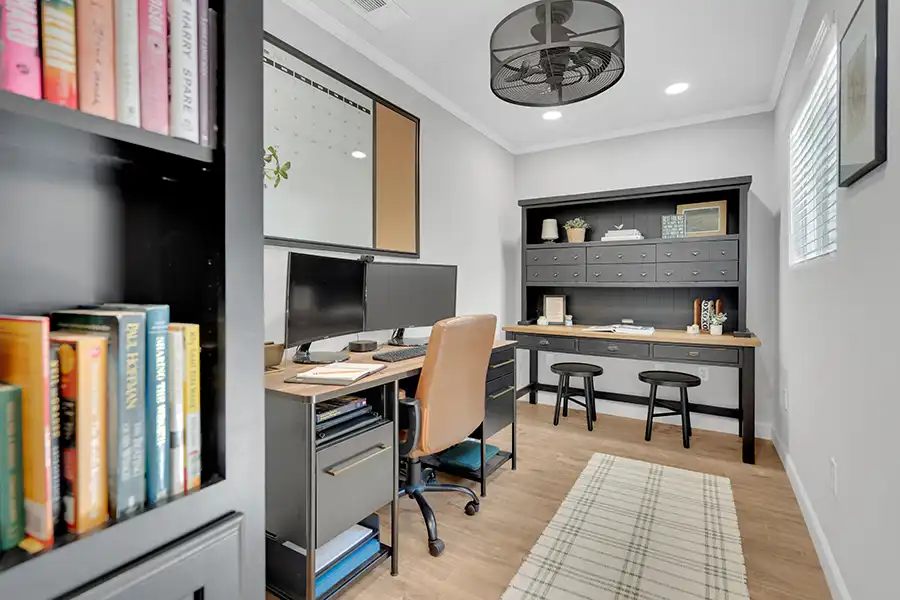
Eco-friendly flooring has become an increasingly important feature in modern Walnut Creek remodeling projects, especially for homeowners who want their renovated spaces to combine luxury, durability, comfort, and environmental responsibility. Flooring is one of the largest visual and functional elements in a home, so selecting a sustainable material can influence everything from indoor air quality and maintenance requirements to energy efficiency, longevity, and the overall character of a remodeled space.
For homeowners planning a premium renovation, environmentally responsible flooring does not mean settling for basic or unattractive materials. Today’s sustainable flooring options can provide sophisticated finishes, exceptional craftsmanship, modern performance, and distinctive designs suitable for high-end kitchens, living rooms, bedrooms, home offices, hallways, and other remodeled areas.
Options such as sustainably harvested hardwood, bamboo, cork, natural linoleum, recycled-content flooring, reclaimed wood, and carefully selected tile can each offer different environmental and performance advantages. The right choice depends on how the room will be used, the home’s design, maintenance expectations, moisture exposure, budget, and the homeowner’s sustainability priorities.
In Walnut Creek and throughout Contra Costa County, flooring selection can also be part of a broader approach to luxury green remodeling. Homeowners in Lafayette, Brentwood, Danville, Concord, and surrounding communities may be looking beyond cosmetic improvements and toward renovations that improve long-term comfort, efficiency, durability, and the home’s overall livability.
The key is to evaluate flooring as part of the entire remodeling strategy rather than choosing a product solely because it is marketed as “green.”
Key Takeaways
- Sustainable flooring can be luxurious. Eco-friendly materials are available in sophisticated colors, textures, patterns, and finishes suitable for premium remodeling projects.
- Hardwood remains a strong sustainable choice when responsibly sourced, durable, and properly maintained.
- Bamboo can provide a renewable alternative to traditional hardwood, although homeowners should evaluate manufacturing practices, quality, adhesives, and certifications.
- Cork offers comfort and renewable-material benefits, making it particularly interesting for bedrooms, offices, and living areas.
- Natural linoleum is different from vinyl. Authentic linoleum can be manufactured from renewable materials and can provide a durable option for many residential applications.
- Reclaimed wood combines sustainability with character, giving luxury remodels a distinctive appearance that cannot easily be replicated with new materials.
- Tile can be environmentally responsible when homeowners select durable products, recycled-content options, and appropriate installation systems.
- Durability matters as much as material sourcing. A floor that lasts for decades may have a lower overall environmental impact than one that needs frequent replacement.
- Low-emitting materials can support healthier interiors, particularly when homeowners pay attention to adhesives, coatings, finishes, and installation products.
- The best flooring depends on the entire room. Moisture, traffic, maintenance, acoustics, comfort, aesthetics, and existing construction should all influence the final decision.
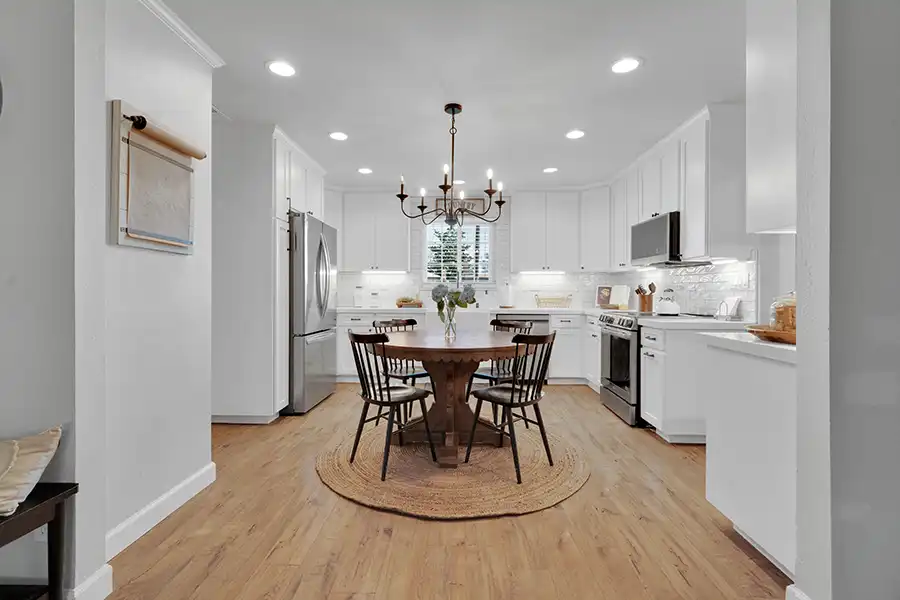
Why Eco-Friendly Flooring Matters In A Walnut Creek Remodel
Flooring is more than a surface that homeowners walk across. It can affect the visual identity of an entire room, influence maintenance requirements, contribute to indoor comfort, and play an important role in the long-term performance of a remodeling project.
Traditional flooring decisions often focused primarily on appearance and price. Modern remodeling decisions are increasingly comprehensive. Homeowners may consider where a material comes from, how it was manufactured, how long it is expected to last, what products are used during installation, whether it can be repaired or refinished, and what happens when it eventually reaches the end of its useful life.
A premium renovation should ideally be designed around longevity rather than short-term trends. Installing an inexpensive floor that needs to be replaced several times can ultimately require more materials, labor, transportation, and disposal than investing in a durable floor that remains attractive for decades.
For Walnut Creek homeowners, this creates an opportunity to approach flooring as both a design upgrade and a long-term investment.
1. Sustainably Sourced Hardwood Flooring
Hardwood remains one of the most desirable flooring materials for upscale residential remodeling, and responsibly sourced wood can fit comfortably within a sustainable design strategy.
Its appeal comes from a combination of natural beauty, durability, repairability, and timelessness. Quality hardwood can complement contemporary, transitional, traditional, craftsman, and luxury interiors without becoming visually outdated when carefully selected.
The sustainability of hardwood depends heavily on sourcing and manufacturing practices. Homeowners should ask where the wood comes from, whether it is responsibly harvested, whether recognized sustainability certifications apply, and how the flooring was manufactured.
A well-maintained hardwood floor can potentially remain in service for many years and, depending on its construction, may be refinished when the surface becomes worn. This ability to restore rather than automatically replace flooring can contribute to its long-term value.
Hardwood also provides substantial design flexibility. Walnut, oak, maple, and other species offer different grain patterns, colors, hardness characteristics, and visual styles. For a luxury Walnut Creek remodel, wide-plank hardwood can create an expansive appearance, while more traditional plank dimensions can produce a classic aesthetic.
Homeowners should also consider the finish. A flooring material may be environmentally preferable, but the products used to stain, seal, or finish it can affect indoor air quality and environmental performance. Low-emitting finishes and appropriate installation materials may therefore be an important part of the overall selection. The best results come from treating the wood, finish, installation method, and maintenance plan as one system.
2. Bamboo Flooring: A Renewable Alternative
Bamboo is frequently considered an environmentally friendly flooring option because bamboo is a rapidly renewable plant. Unlike conventional timber, bamboo can regenerate after harvesting without requiring the same type of replanting process associated with many trees. That makes bamboo an intriguing material for homeowners interested in sustainable remodeling.
It also offers a distinctive appearance. Depending on how it is manufactured, bamboo flooring can have a relatively clean, contemporary look or a more traditional wood-like appearance. Homeowners should not assume that every bamboo product has identical environmental characteristics.
Manufacturing processes, transportation distances, adhesives, finishes, and product quality can vary. Bamboo flooring can involve adhesives and significant manufacturing processes, so evaluating the complete product rather than relying solely on the word “bamboo” is important.
A premium remodeling project should use flooring selected for the specific demands of the room. High-traffic areas, homes with pets, and spaces exposed to significant wear may require particularly careful consideration of hardness, finish quality, construction, and maintenance.
When appropriately selected, bamboo can provide the visual appeal of a wood-based floor while supporting a renewable-material design strategy. It can work particularly well in contemporary Walnut Creek interiors where homeowners want clean lines, natural textures, and a modern interpretation of sustainable design.
3. Cork Flooring For Comfort And Sustainability
Cork is one of the more distinctive sustainable flooring materials available for residential remodeling. It is harvested from the bark of cork oak trees without necessarily requiring the tree itself to be cut down. Because the bark can regenerate, cork can be harvested periodically as part of a managed production system.
Beyond its renewable characteristics, cork has physical properties that can make it attractive for certain rooms. It has a naturally resilient feel underfoot, which can make standing more comfortable than walking on harder surfaces. It can also contribute to acoustic comfort because of its cellular structure.
Cork also has a distinctive appearance. Some homeowners appreciate its natural pattern, while others prefer modern cork products available in different colors and designs. For a specialized remodeling project, this creates an opportunity to move away from conventional flooring choices while still maintaining a refined aesthetic.
Cork does require appropriate protection and maintenance. Its suitability can depend on moisture exposure, finish, traffic, and installation conditions. It should be evaluated carefully before being installed in areas where standing water or frequent moisture exposure is expected.
4. Natural Linoleum
Natural linoleum is often confused with vinyl flooring, but the two materials are fundamentally different. Authentic linoleum can be manufactured using renewable and naturally derived materials such as linseed oil, wood flour, cork flour, and other components. Because of its material composition and durability, it has remained a flooring option for decades.
Modern natural linoleum is available in a broad range of colors and designs, making it much more versatile than some homeowners may expect. It can be especially useful when a remodeling project calls for a resilient floor that is easy to maintain while still aligning with sustainability objectives.
For example, a homeowner remodeling a home office may want something more durable and forgiving than hardwood. A specialty room may benefit from a floor that handles everyday use without requiring extensive maintenance.
The key is to verify that the selected product is actually natural linoleum rather than simply assuming that any resilient sheet flooring is environmentally preferable. Installation materials also matter. Adhesives, underlayment, sealers, and other components can influence the overall environmental profile of the finished floor.
5. Reclaimed Wood Flooring
Reclaimed flooring can come from older structures, barns, warehouses, industrial buildings, or other existing sources. Instead of using newly harvested timber, reclaimed wood gives an existing material another useful life. This can make it particularly appealing to homeowners pursuing high-end remodeling with a strong emphasis on sustainability and individuality.
Reclaimed wood often features natural variation that is difficult to reproduce with newly manufactured flooring. Nail marks, aged grain, weathering, saw patterns, knots, and subtle color variations can contribute to an authentic appearance. For luxury remodeling, that uniqueness can be a significant advantage. A reclaimed wood floor can become an architectural feature rather than simply a background surface.
Its history, condition, moisture content, dimensions, previous treatments, and preparation should be considered before installation. A professional remodeling team can help determine whether a particular reclaimed product is appropriate for the project and how it should be prepared. Reclaimed does not automatically mean better in every application. The right material still needs to meet the functional requirements of the space.
6. Recycled-Content Tile
Tile can also contribute to an environmentally conscious remodeling project, particularly when homeowners select products containing recycled materials or choose exceptionally durable tile that will remain in place for many years. Ceramic and porcelain tile are already valued for durability, making them particularly practical for areas exposed to moisture and heavy use.
Recycled-content tile can incorporate materials that would otherwise enter the waste stream, depending on the specific product. The sustainability discussion should also include transportation, manufacturing energy, installation materials, and longevity.
One of tile’s strongest sustainability characteristics is durability. A well-installed tile floor can potentially last for decades. That longevity is particularly valuable in premium remodeling because replacing flooring is not only expensive but also disruptive.
The visual possibilities are extensive as well. Large-format porcelain, handcrafted-look ceramic tile, stone-inspired finishes, geometric patterns, and understated neutral surfaces can all contribute to high-end interior design. A luxury remodel does not have to choose between sustainable objectives and sophisticated aesthetics.
7. Natural Stone: A Specialized Luxury Flooring Option
Natural stone can be an excellent choice for specialized luxury remodeling when its sourcing, transportation, installation, and longevity are carefully considered. Materials such as slate, limestone, travertine, and other natural stones can create an exceptionally distinctive floor. Stone is inherently durable and can develop character over time. Certain types can also be repaired or refinished depending on their condition and finish.
Its environmental impact can be influenced by quarrying, processing, transportation, installation, and maintenance. A stone imported from a distant location may have a different overall environmental profile from a responsibly sourced material available closer to the project.
If a homeowner wants a durable, long-lasting surface that provides a particular architectural aesthetic and is expected to remain in place for decades, natural stone can make sense as part of a carefully planned luxury renovation.
8. Recycled And Reclaimed Specialty Flooring
Specialty remodeling projects sometimes benefit from flooring materials that do not fit neatly into conventional categories. Recycled rubber, reclaimed materials, recycled glass elements, and other specialty products can provide unique solutions for particular applications. Materials can be especially useful when the goal is to create a distinctive space rather than reproduce a standard residential interior.
For example, a homeowner creating a dedicated exercise area, workshop, creative studio, or specialty room may have different flooring requirements from someone remodeling a formal living room. A specialized remodeling contractor can help evaluate the room’s actual requirements before recommending a material.
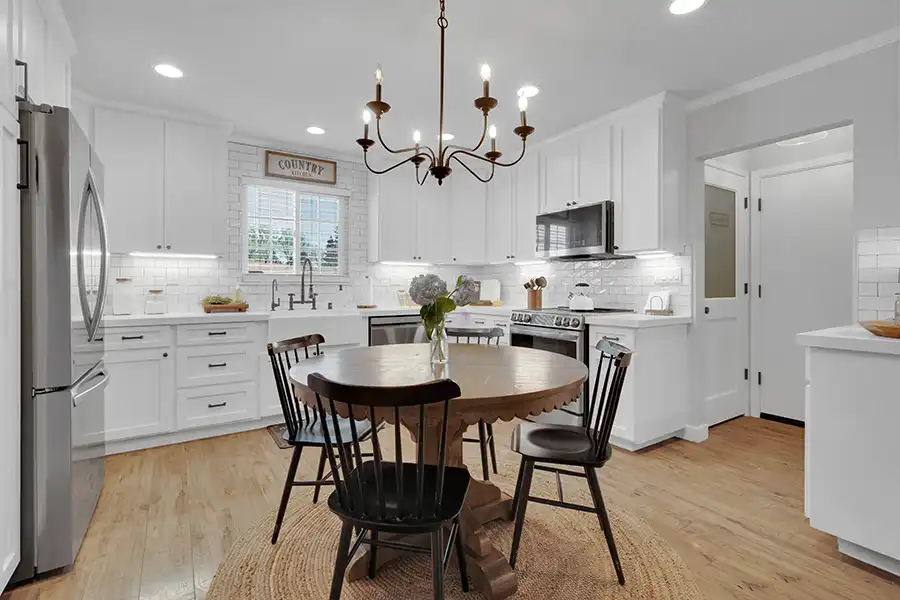
Flooring Sustainability Is About More Than The Material
Eco-friendly flooring is not defined solely by the sustainability of the flooring product itself, because the environmental impact of a flooring system also depends on subfloor preparation, underlayment, adhesives, fasteners, sealers, stains, finishes, installation waste, transportation, ongoing maintenance, and eventual replacement or disposal.
A flooring material that appears sustainable may lose some of its environmental advantages if it requires frequent replacement or relies on incompatible installation materials, while a highly durable product with a long service life can be a strong sustainability choice even without being marketed specifically as an “eco-friendly” option.
For homeowners planning a premium Walnut Creek remodel, evaluating the entire flooring lifecycle rather than focusing on the material alone can lead to more practical, durable, and environmentally responsible results.
Low-Emitting Flooring And Indoor Air Quality
Environmental responsibility and indoor comfort often overlap. Flooring products, adhesives, finishes, coatings, and other construction materials can contribute to the indoor environment. For homeowners concerned about creating a healthier remodeled space, selecting products with low emissions can be an important consideration.
This is particularly relevant when renovating bedrooms, nurseries, offices, and other areas where occupants spend substantial amounts of time. Homeowners should ask about product emissions, certifications, adhesives, finishes, and installation procedures rather than simply choosing a product based on its appearance. A green remodeling strategy should consider what is brought into the home as well as what is removed.
How Flooring Can Complement Energy-Efficient Remodeling
Flooring is only one element of an energy-efficient home, but when thoughtfully coordinated with improvements such as enhanced insulation, efficient windows, better air sealing, energy-efficient lighting, high-performance appliances, smart-home controls, efficient heating and cooling, improved ventilation, sustainable cabinetry, and water-efficient fixtures, it can contribute to a more comprehensive and cohesive renovation.
This integrated approach is especially relevant to luxury remodeling, where premium renovations increasingly emphasize how individual systems and features work together rather than treating each upgrade as an isolated purchase, allowing flooring to support a broader strategy focused on comfort, durability, aesthetics, and overall home performance.
Choosing Flooring For Different Rooms
The best eco-friendly flooring option depends heavily on the room where it will be installed and the demands of that space.
Living Rooms
Living rooms offer considerable design flexibility, with hardwood, reclaimed wood, cork, and select tile products providing options for different aesthetics, while wide-plank hardwood or distinctive reclaimed wood can create a strong architectural foundation in luxury interiors.
Kitchens
Kitchens need flooring that can withstand heavy traffic, spills, cleaning, and everyday wear, making durable tile, natural linoleum, carefully selected hardwood, and certain bamboo products potential choices when matched appropriately to the space’s demands and installation conditions.
Bedrooms
Bedrooms often prioritize warmth, comfort, acoustics, and indoor air quality, making hardwood and cork appealing options that can be further complemented by low-emitting finishes and adhesives.
Home Offices
Home offices can benefit from comfortable, acoustically appropriate flooring, with cork offering resilient characteristics and hardwood providing a more formal, executive aesthetic.
Bathrooms
Bathrooms require flooring with strong moisture resistance, making porcelain tile, ceramic tile, and other appropriately rated materials generally more suitable than products vulnerable to prolonged moisture exposure.
Entryways And High-Traffic Areas
Entryways face substantial wear along with dirt, moisture, and outdoor debris, making durable tile and other hard-wearing flooring materials practical choices.
Eco-Friendly Flooring For Luxury Remodeling In Lafayette
Lafayette homeowners planning premium remodeling projects may want flooring that complements sophisticated architecture while supporting long-term sustainability. In a high-end renovation, material selection can be coordinated across the entire interior.
For example, responsibly sourced hardwood can connect multiple rooms visually, while specialty tile can distinguish kitchens and bathrooms. The goal is not necessarily to use one sustainable material throughout the house. Instead, the better strategy may be to select the most appropriate material for each room while maintaining a cohesive design language.
Sustainable Flooring Choices For Brentwood Homes
Brentwood remodeling projects may involve a wide range of home styles and renovation goals. Homeowners planning substantial improvements can use flooring selection as an opportunity to combine durability with contemporary design.
Bamboo, engineered wood from responsible manufacturers, tile, cork, and other materials can provide different combinations of appearance, maintenance, and performance. Climate and room-specific conditions should always be considered before choosing a flooring product.
Eco-Conscious Flooring In Danville Remodeling Projects
Danville homeowners pursuing upscale remodeling may place a strong emphasis on refined design and long-term value. Sustainable hardwood and carefully selected specialty flooring can support that objective without making the renovation look overly utilitarian.
A premium eco-friendly remodel should feel intentional. Natural materials, sophisticated finishes, efficient systems, and durable construction can work together to create a home that feels luxurious while reducing unnecessary replacement and waste.
Sustainable Remodeling In Concord
Concord homeowners can also incorporate environmentally responsible flooring into larger remodeling plans. The appropriate material may vary considerably depending on whether the project involves a kitchen renovation, whole-home update, bathroom remodel, home office, or another specialized space. A professional assessment can help identify the flooring characteristics most important for each application.
How To Compare Eco-Friendly Flooring Options
Rather than asking only, “Which flooring is the greenest? ” homeowners should evaluate eco-friendly flooring based on several factors, including where the material comes from, how long it lasts, how easily it can be repaired and maintained, its impact on indoor air quality, installation requirements, potential waste, end-of-life options, and whether its design will remain appealing over time.
1. Source
Consider where the flooring material originates and whether it is responsibly harvested, recycled, reclaimed, or manufactured from renewable resources, as the material’s source can have a significant effect on its overall environmental impact.
2. Durability
Evaluate how long the flooring can reasonably be expected to last under the specific conditions of the room, since a durable floor that remains functional for decades may reduce the need for premature replacement.
3. Repairability
Determine whether damaged sections can be repaired without replacing the entire floor and whether the surface can be refinished to restore its appearance and extend its useful life.
4. Maintenance
Consider the level of ongoing maintenance required, including whether the flooring needs specialized cleaning products, frequent refinishing, or other significant upkeep that could affect its long-term environmental footprint.
5. Indoor Air Quality
Examine the finishes, coatings, adhesives, and binders used with the flooring, particularly those that may affect indoor air quality after installation.
6. Installation
Assess how much preparation, underlayment, adhesive, or other installation materials the flooring requires, as these additional components can contribute to the project’s overall environmental impact.
7. Waste
Consider how much material is likely to be discarded during installation, including offcuts, damaged pieces, packaging, and other construction waste that may end up in the landfill.
8. End Of Life
Look at what happens when the flooring eventually reaches the end of its useful life and whether it can be reused, recycled, refinished, repurposed, or otherwise diverted from the waste stream.
9. Design Longevity
Consider whether the flooring’s appearance and style are likely to remain appropriate for many years rather than becoming outdated as design trends change. This final factor is often overlooked, but a timeless flooring design can itself support sustainability by reducing the likelihood that homeowners will replace a perfectly functional floor simply because its style is no longer fashionable.
Why Longevity Is A Major Sustainability Advantage
Flooring that remains durable and attractive for decades can minimize repeated manufacturing, transportation, installation, and disposal, making longevity an important sustainability consideration alongside renewable content. For example, a renewable flooring material that requires frequent replacement may ultimately involve more replacement cycles than a conventional material that remains functional for several decades.
This does not make conventional materials inherently sustainable, rather, it demonstrates why evaluating a flooring product across its entire lifecycle is more meaningful than relying on a single sustainability claim. In luxury remodeling, long-lasting flooring is especially valuable because it supports a home that remains beautiful, functional, and relevant without requiring continual updates.
What Makes An Eco-Friendly Floor “Luxury”?
Luxury flooring is defined by more than its price, encompassing material quality, craftsmanship, proportions, finish, installation, detailing, and its ability to complement the surrounding architecture.
An eco-friendly floor can achieve a luxurious result through exceptional materials, distinctive natural characteristics, professional installation, lasting durability, refined finishes, comfortable performance, cohesive design, responsible sourcing, easy maintenance, and timeless appeal. In this context, sustainability and luxury can work together, with the strongest luxury remodels emphasizing lasting quality rather than unnecessary excess.
Planning Eco-Friendly Flooring As Part Of A Larger Remodel
Flooring should be selected early in the remodeling process because it can influence cabinetry colors, wall finishes, trim, doors, furniture proportions, lighting, and transitions between rooms. For instance, warm reclaimed oak flooring may guide different cabinetry and paint selections than cool-toned porcelain tile.
Considering flooring before other design decisions are finalized can also help identify subfloor conditions, transitions, moisture concerns, existing materials, and differences in room elevations before installation begins. Careful planning can reduce the likelihood of costly changes later in the project.
Common Mistakes Homeowners Make With Eco-Friendly Flooring
Choosing sustainable flooring involves more than selecting a material labeled “green,” as homeowners can easily overlook factors such as durability, maintenance requirements, material sourcing, indoor air quality, and installation methods, potentially reducing the environmental and long-term benefits of an otherwise eco-friendly flooring investment.
Choosing A Product Solely Because It Is “Green”
Homeowners should look beyond marketing terms such as “green” by evaluating the flooring’s sourcing, manufacturing process, durability, installation requirements, maintenance needs, and expected lifespan.
Ignoring Installation Materials
The environmental impact of an eco-friendly flooring system can be influenced by the adhesives, sealants, finishes, and other installation materials used with the product.
Selecting The Wrong Material For The Room
Even an attractive and sustainable flooring material may not be the right choice for a particular room if it must withstand excessive moisture, heavy foot traffic, or other demanding conditions.
Prioritizing Trends Over Longevity
Choosing a flooring style primarily because it is fashionable today can result in a space that feels dated within several years, making timeless design and long-term appeal important considerations.
Focusing Only On Initial Price
A lower upfront price does not necessarily make flooring more affordable over its lifetime, since homeowners should also consider ongoing maintenance, repairs, replacement, and installation expenses.
Treating Every Room The Same
Because bathrooms, bedrooms, kitchens, entryways, and home offices have different levels of moisture, traffic, and functional demands, each space should be evaluated individually when selecting the most appropriate flooring.
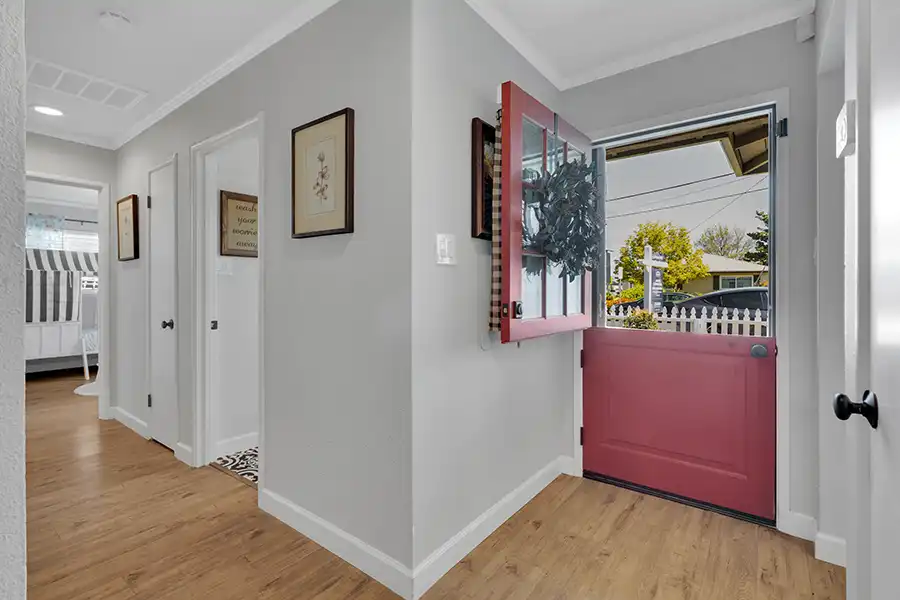
How A Professional Remodeling Team Can Help
Selecting sustainable flooring involves more than choosing a sample from a showroom. A professional remodeling team can help homeowners evaluate how flooring fits into the broader project, including design, room function, existing construction, installation requirements, and long-term goals.
This is particularly important for specialized or luxury remodeling. A high-end project may involve multiple flooring materials, complex transitions, custom detailing, upgraded finishes, and coordination with cabinetry and other architectural features. Professional planning can help ensure that the flooring does not merely look attractive on installation day but continues performing as intended for years.
Which Eco-Friendly Flooring Is Best For Your Walnut Creek Home?
No single flooring material is universally ideal for every Walnut Creek remodeling project, as the best choice depends on the home’s design, the intended use of the space, and the homeowner’s priorities. Sustainably sourced hardwood can be an excellent option for those seeking timeless elegance, long-lasting performance, and the ability to refinish the flooring over time, while bamboo offers a renewable alternative with a clean, contemporary appearance. Cork provides comfort, resilience, and a distinctive natural aesthetic, whereas natural linoleum offers durability and versatility for a variety of residential applications.
For homeowners who value character and material reuse, reclaimed wood can add unique visual appeal while giving existing materials a renewed purpose. Recycled-content tile combines durability with extensive design flexibility, making it particularly well suited to kitchens, bathrooms, and high-traffic areas, while natural stone can create a distinctive luxury finish when its sourcing, durability, and overall lifecycle are carefully considered.
Ultimately, selecting the right eco-friendly flooring requires evaluating the entire remodeling project rather than focusing on the material alone. A well-planned decision should account for the home’s architecture, the function of each room, aesthetic preferences, expected foot traffic, maintenance requirements, moisture exposure, indoor-environment objectives, and long-term investment goals to ensure the flooring complements both the home’s needs and the homeowner’s priorities.
Conclusion
Eco-friendly flooring can be one of the most effective ways to bring sustainability, luxury, and long-term performance together in a Walnut Creek remodeling project. The strongest choices are not necessarily the materials with the most impressive environmental marketing. Instead, they are the flooring systems that make sense over their entire lifecycle, from sourcing and manufacturing through installation, everyday use, maintenance, repair, and eventual replacement.
Sustainably sourced hardwood, bamboo, cork, natural linoleum, reclaimed wood, recycled-content tile, and carefully selected natural stone can all play a role in environmentally conscious remodeling. Each offers different advantages, and each should be evaluated according to the specific room and the homeowner’s goals.
For luxury homeowners in Walnut Creek, Lafayette, Brentwood, Danville, Concord, and throughout Contra Costa County, sustainability does not have to mean sacrificing beauty or sophistication. A well-planned green remodel can actually elevate the quality of a home by emphasizing durable materials, thoughtful craftsmanship, healthier interior considerations, efficient systems, and timeless design.
The most successful remodeling projects look beyond the immediate transformation. They consider how the home will function five, ten, or even twenty years into the future. That is ultimately where sustainable flooring becomes more than an aesthetic upgrade.
Frequently Asked Questions
1. What Is The Most Eco-Friendly Flooring Option For A Walnut Creek Remodel?
There is no universally “greenest” flooring material because sustainability depends on sourcing, manufacturing, durability, installation, maintenance, and longevity. Sustainably sourced hardwood, bamboo, cork, natural linoleum, reclaimed wood, and recycled-content tile can all be environmentally responsible choices when appropriately selected for the room.
2. Is Hardwood Flooring Considered Environmentally Friendly?
Hardwood can be an environmentally responsible flooring choice when it is responsibly sourced and manufactured. Its durability and potential for refinishing can also reduce the need for replacement. Homeowners should investigate sourcing, certifications, finishes, and installation materials rather than assuming that every hardwood product has the same environmental profile.
3. Is Bamboo Better Than Hardwood For Sustainable Remodeling?
Bamboo is a rapidly renewable material and can be an excellent sustainable flooring option. Sustainability depends on more than how quickly a plant grows. Manufacturing, adhesives, finishes, transportation, product quality, and expected service life should also be considered when comparing bamboo with hardwood.
4. What Eco-Friendly Flooring Works Best In Kitchens And Bathrooms?
Durable tile, including appropriately selected recycled-content ceramic or porcelain tile, can be a strong option for kitchens and bathrooms because of its resistance to moisture and wear. Natural linoleum may also work in appropriate applications.
5. Can Eco-Friendly Flooring Be Used In A Luxury Home Remodel?
Absolutely. Sustainable flooring can be highly sophisticated and suitable for luxury remodeling. Wide-plank responsibly sourced hardwood, reclaimed wood, premium cork, distinctive tile, natural stone, and other specialty materials can create refined interiors while supporting long-term durability and sustainability goals.
Put These Room-By-Room Remodeling Tips To Work With Carey Bros. Design & Build Remodeling
Every room in your home has the potential to be more functional, more comfortable, and more enjoyable. Whether you’re thinking about updating your kitchen, refreshing a bathroom, creating a better home office, or improving your living spaces, the right plan can help you make the most of every remodeling dollar. Taking a room-by-room approach allows you to prioritize your goals, minimize disruption, and steadily transform your home into a space that better fits your lifestyle.
Carey Bros. Design & Build Remodeling works with homeowners throughout Contra Costa County, including Walnut Creek, Danville, Lafayette, Orinda, Concord, San Ramon, Moraga, Pleasant Hill, Martinez, and Alamo, to create remodeling plans that are practical, organized, and tailored to each family’s needs. Our team helps you identify which projects will have the greatest impact and develops a strategy that aligns with your vision, timeline, and budget.
If you’re looking for room-by-room remodeling tips and expert guidance for your next project, now is the perfect time to start the conversation. Contact Carey Bros. Design & Build Remodeling today to schedule a consultation and discover how thoughtful planning can help you create a home you’ll love for years to come.
Disclaimer
The materials available on this website are for informational and educational purposes only and are not intended to provide legal, financial, or professional construction advice. You should consult with a qualified general contractor, architect, or other relevant professionals before making decisions regarding remodeling, construction, or home improvement projects. Do not act or refrain from acting based on any content included on this site without seeking appropriate professional guidance. The information presented on this website may not reflect the most current building codes, regulations, or industry standards. No action should be taken in reliance on the information provided on this website. We disclaim all liability for actions taken or not taken based on any or all of the contents of this site to the fullest extent permitted by law.