
Improving your home with energy-efficient upgrades has become one of the smartest investments Brentwood homeowners can make. Whether you’re planning a luxury kitchen remodel, replacing outdated windows, upgrading insulation, installing high-efficiency HVAC equipment, or incorporating renewable energy technologies, today’s remodeling projects can deliver benefits that extend well beyond aesthetics. Lower utility bills, increased property value, improved indoor comfort, and a smaller environmental footprint are just a few of the advantages.
Federal tax incentives continue to encourage homeowners to invest in qualified energy-efficient upgrades. While these incentives don’t typically cover every remodeling expense, many qualifying improvements, including insulation, exterior doors, windows, heat pumps, electrical upgrades, solar energy systems, battery storage, and other high-efficiency products, may help reduce your federal tax liability when installed according to program requirements.
For homeowners planning a premium remodeling project, understanding available tax incentives can significantly improve the overall return on investment. Instead of viewing sustainability and luxury as separate goals, today’s remodeling trends combine sophisticated design with energy-saving technologies that create beautiful, comfortable, and environmentally responsible living spaces.
In Brentwood and throughout Contra Costa County, energy efficiency has become an increasingly important consideration due to rising utility costs, evolving building standards, and growing interest in environmentally conscious homeownership. Integrating efficiency upgrades during a planned remodel often proves more cost-effective than making improvements individually over several years.
This guide explains how energy-efficient remodeling tax credits generally work, which improvements may qualify, how homeowners can maximize available incentives, and why incorporating green building practices into a luxury renovation is becoming one of the most valuable decisions homeowners can make.
Key Takeaways
- Federal tax credits may be available for qualifying energy-efficient home improvements, including insulation, windows, exterior doors, heat pumps, electrical panel upgrades, and renewable energy systems.
- Most cosmetic remodeling expenses alone do not qualify for tax credits unless they include eligible energy-efficient products or systems.
- Combining luxury remodeling with high-performance building materials can reduce long-term operating costs while increasing home value.
- Planning efficiency upgrades during a larger renovation is often more economical than completing them as separate projects.
- Proper documentation, manufacturer certifications, and installation records are important when claiming applicable federal tax incentives.
- Energy-efficient remodeling improves comfort, indoor air quality, durability, and environmental sustainability while supporting long-term savings.
- Brentwood homeowners can maximize their remodeling investment by working with experienced professionals who understand both premium design and energy-efficient construction practices.
Are Energy-Efficient Remodeling Tax Credits Available?
For many homeowners, the answer is encouraging because federal energy-efficiency incentives are designed to support investments that reduce residential energy consumption and improve overall home performance.
Rather than providing tax benefits for general remodeling work, these programs typically focus on specific upgrades that make a home more energy efficient, such as high-performance insulation, energy-efficient exterior windows, insulated exterior doors, qualified skylights, heat pump systems, heat pump water heaters, high-efficiency central air conditioning systems, certain electrical upgrades, solar electric systems, solar water-heating equipment, and eligible battery storage systems.
Because each incentive may have its own requirements for equipment ratings, installation dates, annual credit limits, and certification standards, homeowners should review the latest IRS guidance and consult a qualified tax professional to determine whether specific improvements qualify for their individual situation.
What Remodeling Projects Usually Do Not Qualify?
It is important to understand that remodeling tax credits generally focus on energy performance rather than aesthetics, meaning that many standard cosmetic or design-oriented improvements do not independently qualify for energy-efficiency incentives.
Cabinet replacements, countertop upgrades, flooring installation, interior painting, decorative lighting, luxury appliances that do not meet qualifying efficiency standards, bathroom tile work, custom trim, and general interior redesign typically do not qualify on their own.
These improvements can still be incorporated into a larger remodeling project that includes eligible energy-efficiency upgrades, allowing homeowners to combine aesthetic improvements with investments designed to improve the home’s overall performance.
For example, a luxury kitchen renovation that incorporates upgraded insulation, ENERGY STAR® windows, efficient ventilation, LED lighting, improved air sealing, qualifying electrical upgrades, and induction cooking may contain several components that could potentially qualify for available energy-efficiency incentives.
Why Energy Efficiency Matters During Remodeling
Many homeowners begin remodeling projects to improve their lifestyles, whether by creating larger kitchens, spa-inspired bathrooms, open floor plans, dedicated home offices, or comfortable entertainment spaces, and energy-efficient upgrades can enhance each of these improvements.
Lower Utility Bills
Energy-efficient homes use less electricity and natural gas, allowing homeowners to reduce monthly utility expenses and potentially achieve substantial savings over the years.
Improved Comfort
High-performance insulation and professional air sealing help eliminate hot rooms, cold rooms, drafts, and uneven temperatures, creating more consistent and comfortable indoor conditions throughout the year.
Better Indoor Air Quality
Modern ventilation systems help manage humidity, allergens, pollutants, and stale air, contributing to a cleaner and healthier indoor environment.
Quieter Living Spaces
Upgraded insulation and high-performance windows can also reduce outside noise, making indoor spaces quieter and more peaceful, particularly for homes near busy streets or developing neighborhoods.
Increased Home Value
Energy-efficient homes can attract buyers seeking lower operating costs and modern features, while efficiency upgrades can complement luxury finishes and make properties more competitive in today’s housing market.
Popular Energy-Efficient Remodeling Upgrades
Can make a home more comfortable, reduce ongoing utility costs, and support a more sustainable lifestyle by incorporating high-performance features such as efficient appliances, LED lighting, improved insulation, smart thermostats, energy-efficient windows, water-saving fixtures, and other environmentally responsible improvements.
High-Performance Windows
Older windows can allow significant heat transfer, while modern high-performance windows use features such as Low-E coatings, insulated glass, multiple panes, argon gas fills, and improved weather sealing to help maintain comfortable indoor temperatures and reduce HVAC demand.
Exterior Door Replacement
Well-insulated exterior doors help minimize unwanted air leakage while modern entry systems combine improved security, insulation, weather resistance, and attractive architectural design.
Added Insulation
Many existing homes lack adequate insulation, making attic, wall, crawlspace, and basement insulation upgrades effective ways to improve thermal performance and help HVAC systems operate more efficiently.
Heat Pumps
Heat pumps have become one of the most significant energy-efficient home upgrades available today because modern systems can provide both heating and cooling while improving efficiency and reducing energy use, making them an increasingly popular choice for homeowners replacing older HVAC equipment, particularly when incentives are available.
Heat Pump Water Heaters
Heat pump water heaters use advanced energy-efficient technology to reduce the energy required for heating water while continuing to provide homeowners with a reliable supply of hot water compared with traditional water heaters.
High-Efficiency HVAC Systems
Replacing aging heating and cooling equipment with high-efficiency HVAC systems can improve energy efficiency, indoor comfort, humidity control, and air quality, while combining the new equipment with duct sealing and insulation improvements can further enhance overall system performance.
Smart Home Energy Controls
Smart home technology allows homeowners to monitor and optimize energy consumption through additions such as smart thermostats, occupancy sensors, automated lighting, smart irrigation systems, and energy monitoring equipment, all of which can complement larger remodeling projects while helping reduce unnecessary energy use.
Solar Energy Systems
Solar panels remain one of the most substantial energy investments homeowners can make, and many homeowners choose to combine solar installation with roof replacement and exterior remodeling as part of a comprehensive home improvement project.
Battery Storage
Battery storage systems allow homeowners to store electricity generated by solar panels for later use, providing benefits such as backup power, reduced dependence on the electrical grid, improved household resilience, and greater flexibility in how and when energy is used.
Luxury Remodeling And Sustainability Go Together
Luxury remodeling has evolved beyond simply creating larger or more visually impressive spaces, with today’s high-end homes increasingly combining elegant design, exceptional comfort, advanced technology, healthier indoor environments, and greater energy efficiency. Modern premium remodeling can incorporate reduced environmental impact, premium craftsmanship, and long-term operating savings, demonstrating that homeowners do not have to sacrifice sophistication or style to create a more sustainable home.
Energy-Efficient Kitchen Remodeling Ideas
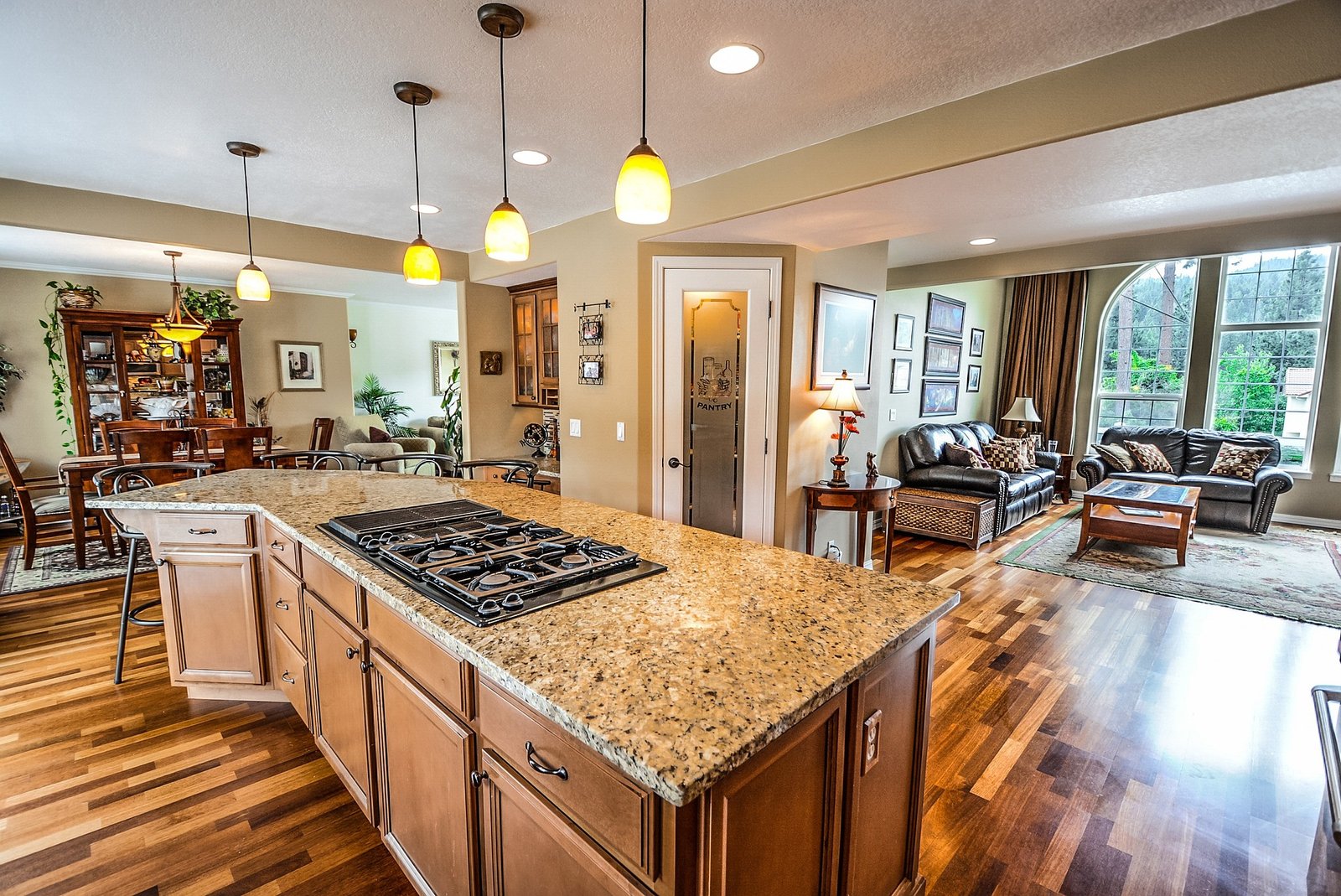
A kitchen remodel offers numerous opportunities to improve energy and resource efficiency while creating a more attractive and functional space, with upgrades such as ENERGY STAR appliances, induction cooktops, LED task lighting, improved insulation, upgraded windows, efficient ventilation systems, low-flow faucets, recycled countertops, sustainably harvested cabinetry, and smart lighting controls helping homeowners create kitchens that combine modern convenience, beautiful finishes, and environmentally responsible performance.
Energy-Efficient Bathroom Remodeling
Bathroom remodeling can significantly improve water and energy efficiency while making the space more comfortable and enjoyable, with features such as low-flow showerheads, WaterSense fixtures, efficient exhaust fans, LED mirrors, radiant floor heating, improved insulation, and high-performance windows helping reduce resource consumption while maintaining a comfortable and well-designed environment.

Whole-Home Energy Improvements
For homeowners seeking broader performance improvements, a comprehensive remodeling strategy can address multiple areas of the property at once, incorporating upgrades such as complete insulation improvements, HVAC replacement, roofing enhancements, solar installation, energy-efficient window replacement, electrical modernization, and smart home integration to create a more efficient, comfortable, and connected home while maximizing long-term value.
Why Planning Matters
Proper planning is essential when incorporating energy-efficiency improvements into a remodeling project because completing certain upgrades at the wrong stage can increase labor costs, create unnecessary disruptions, or require finished areas to be reopened. Installing insulation before walls are closed, for example, is generally more efficient than adding it later, while coordinating window replacement, electrical panel upgrades, and solar installation with interior, cabinetry, and roofing work can help prevent unnecessary labor and improve overall project efficiency.
Documentation Is Important
Maintaining thorough documentation is important for homeowners who intend to claim available tax incentives related to qualifying energy improvements, so records such as purchase receipts, contractor invoices, manufacturer certifications, product specifications, installation dates, and payment documentation should be organized and retained to simplify tax preparation and provide supporting evidence for eligible credits.
Work With Qualified Professionals
Working with experienced remodeling professionals can help homeowners identify practical opportunities for energy improvements, coordinate multiple trades, select high-performance materials, incorporate sustainable design principles, balance project costs with long-term performance, and avoid expensive construction mistakes, ensuring that individual energy upgrades are properly integrated into the overall remodeling plan rather than operating as disconnected improvements.
Long-Term Financial Benefits
Although some energy-efficient materials, appliances, and systems may require a higher initial investment, they can deliver long-term financial value through lower utility bills, reduced maintenance requirements, improved durability, stronger resale appeal, available tax incentives, and greater everyday comfort, making many efficiency-focused improvements worthwhile when their benefits are considered over the life of the home.
Brentwood’s Growing Interest In Sustainable Remodeling
Brentwood continues to attract homeowners who are investing in long-term property improvements, and as homes age and household needs change, remodeling provides an opportunity to improve both the appearance and performance of existing properties. Many homeowners are incorporating open-concept living spaces, energy-efficient building envelopes, sustainable materials, advanced HVAC systems, water-saving fixtures, smart home technology, and solar-ready electrical infrastructure into their renovations, reflecting a broader movement toward homes that are more resilient, comfortable, efficient, and environmentally responsible.
Conclusion
Energy-efficient home remodeling offers far more than lower monthly utility bills. It creates healthier living spaces, enhances year-round comfort, increases long-term property value, and supports more sustainable homeownership. For Brentwood homeowners considering a renovation, incorporating qualifying energy-efficient upgrades into a kitchen remodel, bathroom renovation, whole-home update, or exterior improvement can make an already valuable investment even more rewarding.
While not every remodeling expense qualifies for federal tax incentives, many high-performance improvements, including insulation, windows, exterior doors, qualified HVAC equipment, heat pumps, solar energy systems, and battery storage, may be eligible under current federal programs when applicable requirements are met. Understanding these opportunities before construction begins allows homeowners to make informed decisions, coordinate projects more efficiently, and potentially reduce overall project costs.
Every home is unique, and tax rules can change over time. Working with experienced remodeling professionals alongside a qualified tax advisor can help ensure that energy-efficient improvements are properly selected, installed, documented, and evaluated for available incentives. By combining thoughtful planning with premium craftsmanship and sustainable building practices, Brentwood homeowners can enjoy a renovation that delivers beauty, performance, comfort, and long-term value for years to come.
Frequently Asked Questions
1. Can I Claim A Tax Credit For A Complete Kitchen Remodel?
Not usually. A kitchen remodel by itself generally doesn’t qualify for a federal tax credit. Specific energy-efficient improvements completed as part of the remodel, such as qualifying windows, insulation, doors, heat pumps, or eligible electrical upgrades, may qualify if they meet current federal requirements.
2. Do Energy-Efficient Windows Qualify For Tax Credits?
Many qualifying ENERGY STAR® and other eligible high-performance windows may qualify for federal energy-efficiency tax incentives, subject to annual limits and current IRS eligibility rules. Always verify product certifications before purchasing.
3. Are Solar Panels Eligible For Tax Credits?
Qualified residential solar energy systems have generally been eligible for federal clean energy tax incentives. Eligibility depends on current laws, installation dates, ownership, and other program requirements, so homeowners should review the latest IRS guidance and consult a tax professional.
4. Should I Complete Energy Upgrades During A Remodel Or Separately?
In most cases, completing energy-efficient improvements during a planned remodeling project is more cost-effective. Coordinating insulation, electrical work, HVAC upgrades, windows, and air sealing while walls or finishes are already being updated can reduce labor costs and minimize future disruptions.
5. What Records Should I Keep When Claiming An Energy-Efficiency Tax Credit?
Homeowners should generally keep contractor invoices, receipts, manufacturer certifications, product information, proof of payment, and installation documentation. Maintaining organized records helps support any eligible tax credit claims and simplifies tax preparation.
Put These Room-By-Room Remodeling Tips To Work With Carey Bros. Design & Build Remodeling
Every room in your home has the potential to be more functional, more comfortable, and more enjoyable. Whether you’re thinking about updating your kitchen, refreshing a bathroom, creating a better home office, or improving your living spaces, the right plan can help you make the most of every remodeling dollar. Taking a room-by-room approach allows you to prioritize your goals, minimize disruption, and steadily transform your home into a space that better fits your lifestyle.
Carey Bros. Design & Build Remodeling works with homeowners throughout Contra Costa County, including Walnut Creek, Danville, Lafayette, Orinda, Concord, San Ramon, Moraga, Pleasant Hill, Martinez, and Alamo, to create remodeling plans that are practical, organized, and tailored to each family’s needs. Our team helps you identify which projects will have the greatest impact and develops a strategy that aligns with your vision, timeline, and budget.
If you’re looking for room-by-room remodeling tips and expert guidance for your next project, now is the perfect time to start the conversation. Contact Carey Bros. Design & Build Remodeling today to schedule a consultation and discover how thoughtful planning can help you create a home you’ll love for years to come.
Disclaimer
The materials available on this website are for informational and educational purposes only and are not intended to provide legal, financial, or professional construction advice. You should consult with a qualified general contractor, architect, or other relevant professionals before making decisions regarding remodeling, construction, or home improvement projects. Do not act or refrain from acting based on any content included on this site without seeking appropriate professional guidance. The information presented on this website may not reflect the most current building codes, regulations, or industry standards. No action should be taken in reliance on the information provided on this website. We disclaim all liability for actions taken or not taken based on any or all of the contents of this site to the fullest extent permitted by law.