
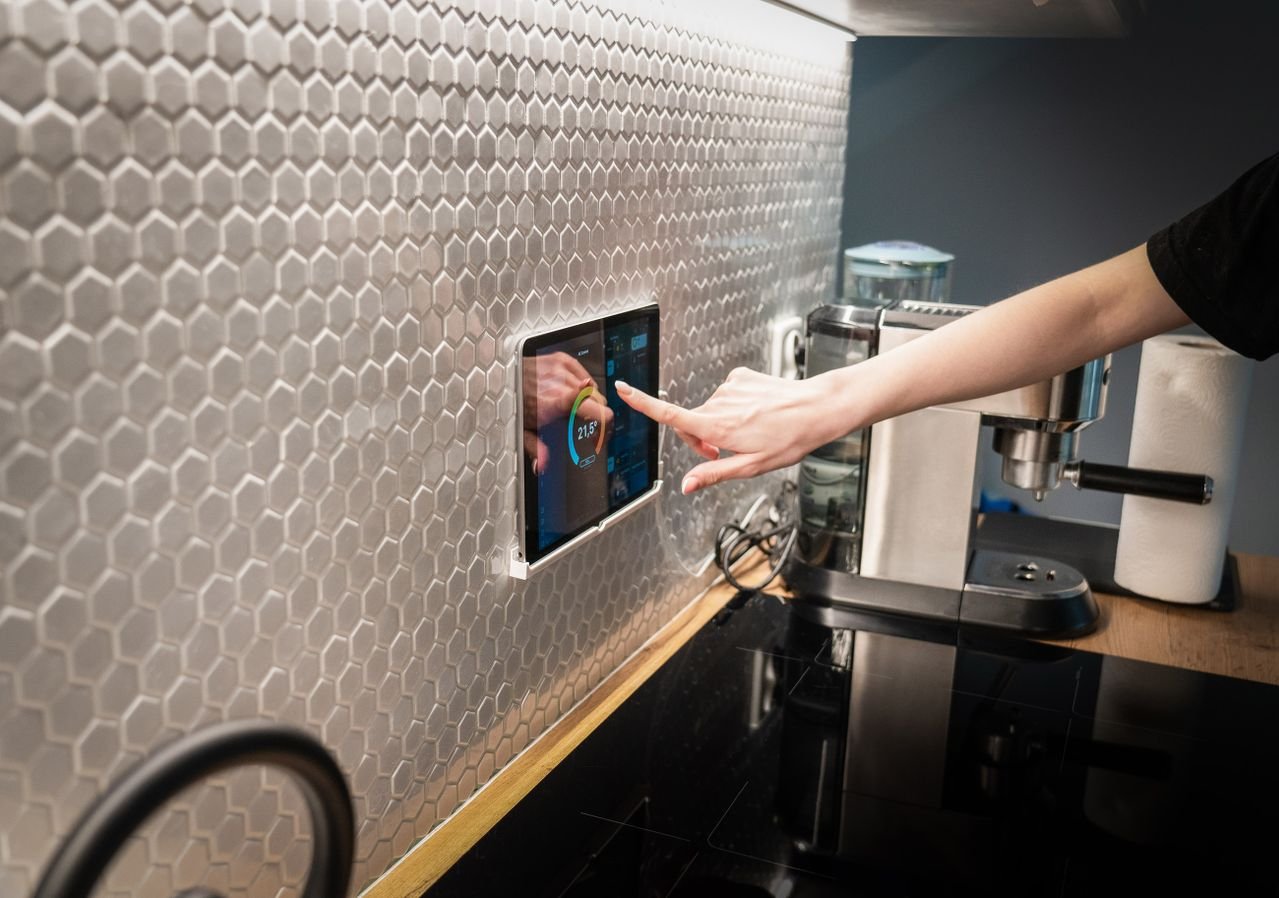
Smart-home technology has advanced well beyond voice-controlled lights and smart speakers. During a major home remodel, Walnut Creek homeowners can integrate sophisticated systems into walls, ceilings, electrical infrastructure, lighting plans, HVAC controls, security systems, networking, and entertainment areas. Planning these features alongside construction can create a more comfortable, efficient, secure, and convenient home while preserving its architectural character.
For homeowners pursuing a luxury or high-performance renovation, smart technology can also support broader sustainability goals. Automated lighting can limit unnecessary electricity use, smart thermostats can improve HVAC management, motorized shades can help regulate solar heat gain, and connected water-monitoring systems can identify unusual consumption or potential leaks. When coordinated as part of the remodeling strategy, these features function as an integrated system rather than a collection of disconnected gadgets.
The most important step is planning early. Smart-home systems should be considered during the design and pre-construction stages, while electrical circuits, wiring pathways, equipment locations, network infrastructure, lighting controls, and mechanical systems can still be modified. Waiting until walls and ceilings are finished can make installation more disruptive, restrictive, and costly.
For Walnut Creek homeowners planning a premium renovation, remodeling provides an opportunity to establish smart-home capabilities from the beginning. Whether the project involves a kitchen, primary suite, whole-house renovation, addition, or specialized remodeling project, thoughtful technology integration can improve current functionality while creating infrastructure that accommodates future upgrades.
Key Takeaways
- Smart-home technology should be incorporated during the remodeling design phase rather than added after construction.
- A professional remodel can coordinate lighting, HVAC, security, networking, entertainment, shading, and energy-management systems.
- Hardwired infrastructure can provide dependable connectivity and greater flexibility for important technology systems.
- Automated lighting, climate controls, shading, and monitoring systems can support more efficient home operation.
- Luxury homeowners can customize smart technology throughout kitchens, primary suites, living areas, entertainment spaces, and outdoor areas.
- Technology should complement broader sustainability measures rather than function as a standalone efficiency solution.
- Scalable infrastructure can make future technology additions easier and less disruptive.
- Smart-home planning should be coordinated with electrical, HVAC, lighting, architectural, and remodeling decisions.
- Similar technology-planning principles can apply to premium remodeling projects in Lafayette, Brentwood, Danville, Concord, and surrounding Contra Costa County communities.
- The strongest smart-home remodels balance convenience and automation with aesthetics, reliability, usability, efficiency, and long-term flexibility.
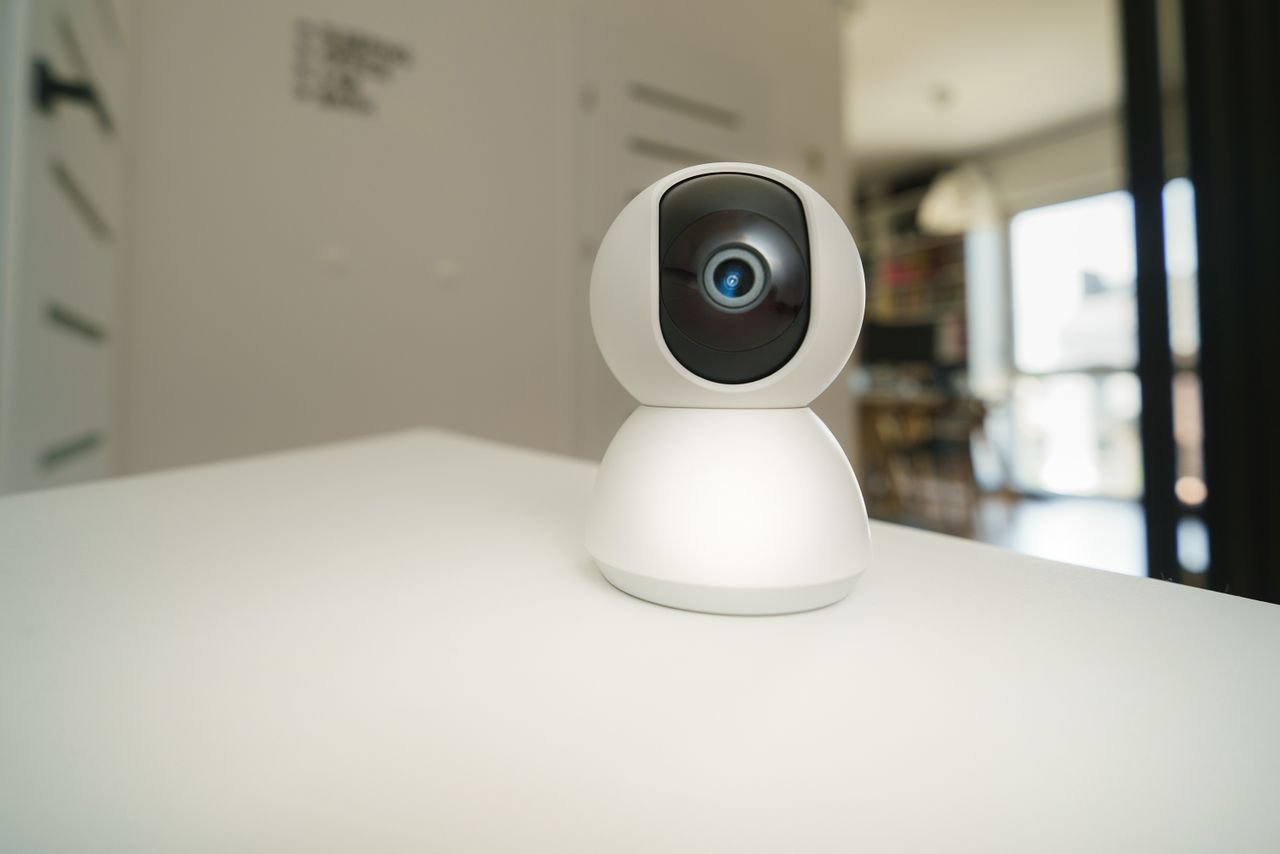
Why Remodels Are An Ideal Time To Add Smart-Home Technology
One of the greatest advantages of adding smart-home systems during a remodel is access to areas that would otherwise be difficult to reach.
During construction, walls may be open, ceilings may be accessible, electrical systems may be modified, and new equipment can be installed before finishes are completed. This creates an opportunity to establish wiring, power, networking, and control infrastructure without retrofitting completed spaces.
A renovated kitchen may require automated lighting with dedicated switches, dimmers, wiring, control panels, and network connections. Installing these components while cabinetry, drywall, tile, and other finishes are already being addressed is generally more practical than attempting the same work after the space has been completed.
The same principle applies throughout the home. A primary suite could incorporate motorized shades, occupancy-based lighting, smart HVAC controls, integrated audio, charging locations, and centralized controls, while a living room could include concealed speakers, automated lighting scenes, television infrastructure, and whole-home networking.
Coordinating these elements during construction also helps preserve the appearance of a luxury interior. Equipment can be concealed or positioned intentionally so visible wires, oversized devices, and poorly placed controls do not interfere with architectural finishes.
What Smart-Home Systems Can Be Integrated During A Remodel?
A smart home can combine multiple interconnected technologies rather than relying on one specific product or platform. Depending on the renovation’s scope and the homeowner’s priorities, potential systems include:
- Smart lighting and automated lighting scenes
- Smart thermostats and zoned HVAC controls
- Motorized window shades
- Home security systems, smart locks, and video doorbells
- Indoor and outdoor cameras
- Whole-home Wi-Fi and structured network cabling
- Audio systems and home theaters
- Smart appliances
- Energy-monitoring equipment
- Water-leak detection and monitoring
- Smart irrigation controls
- Indoor air-quality monitoring
- Garage controls and automated gates
- Smart outlets and occupancy sensors
- Centralized home-control systems
Not every homeowner needs every feature. The better approach is to identify the problems the technology should solve and select systems that provide meaningful benefits. One household may prioritize energy management, another may focus on security and convenience, while a luxury renovation may emphasize entertainment, lighting, climate control, and seamless automation.
The objective is not to fill the home with technology simply because it is available. Instead, each system should support how the household actually uses the property.
Start With A Smart-Home Plan Before Construction
A successful smart-home remodel begins by evaluating current routines, future needs, and the ways technology can improve everyday living.
A homeowner might want morning automation that gradually opens selected shades, adjusts lighting according to the time of day, maintains a comfortable temperature, and operates designated appliances or outlets according to established schedules. Evening routines could similarly coordinate exterior lighting, interior illumination, door security, and monitoring.
Before construction begins, homeowners and their remodeling team should determine where networking equipment, additional outlets, control panels, wiring pathways, lighting zones, Wi-Fi access points, security devices, HVAC controls, and future technology infrastructure will be located.
Build A Strong Network Infrastructure
A sophisticated smart home depends on dependable connectivity. Although wireless technology provides considerable flexibility, a luxury remodel does not necessarily need to rely entirely on Wi-Fi.
During construction, homeowners may be able to install structured cabling behind walls to provide wired connections for important systems such as network access points, televisions, computers, security equipment, and other connected devices.
A dedicated, organized location for routers, switches, and related networking equipment can further improve serviceability. That space should account for appropriate power, ventilation, accessibility, and equipment organization.
This infrastructure can be especially useful in larger Walnut Creek homes where a single wireless router may not provide consistent coverage throughout the property. Even when homeowners do not immediately need extensive automation, flexible networking infrastructure can make future technology upgrades easier.
Upgrade Lighting For Comfort And Efficiency
Lighting is one of the most practical smart-home improvements to incorporate during remodeling because construction provides an opportunity to establish separate circuits, controls, sensors, and lighting zones.
A smart lighting system can provide dimming, scheduling, occupancy sensing, remote operation, and customized scenes. In a remodeled kitchen, for example, ceiling fixtures, pendants, under-cabinet lights, accent fixtures, pantry lighting, island lighting, and dining-area illumination can be divided into independently controlled zones rather than operated through a single switch.
Automated lighting can also support energy-conscious operation by turning lights off when areas are unoccupied or adjusting operation according to established schedules. Daylight-responsive strategies can further reduce unnecessary artificial lighting when sufficient natural light is available.
For luxury projects, customized scenes can create different environments without requiring homeowners to operate numerous switches individually. A cooking scene can provide brighter task lighting, while a dinner scene can create softer illumination throughout adjacent areas.
Incorporate Smart HVAC And Climate Controls
Heating and cooling have a significant influence on both comfort and energy consumption, making climate management an important component of a high-performance smart home.
During remodeling, homeowners may have opportunities to evaluate thermostat placement, HVAC zoning, ductwork, controls, and equipment integration together with insulation, windows, doors, ventilation, and other building-envelope improvements.
Smart thermostats can provide scheduled and remote temperature adjustments, while more advanced systems may use occupancy information or other data to support household comfort patterns. Zoned HVAC can also allow different areas to receive different temperature settings rather than conditioning the entire home identically.
For example, bedrooms may require different settings from living areas, while infrequently used spaces may not require the same level of conditioning throughout the day.
Smart controls alone do not make a home energy efficient. The strongest results come from combining appropriate technology with efficient equipment, sound construction, effective insulation, thoughtful design, and responsible operation.
Add Motorized Shades And Window Controls
Motorized shades can combine luxury, convenience, and energy-conscious operation. They can be programmed according to schedules, preferences, or environmental conditions and may help manage glare and solar heat gain in rooms with significant sun exposure.
In Walnut Creek homes, automated shades can help homeowners enjoy natural light while reducing the likelihood of excessive glare or unwanted heat.
Multiple shades can also be operated simultaneously or incorporated into preset scenes. A morning setting might gradually open selected shades, while a movie-night setting could lower shades throughout an entertainment space. During the day, shades can be positioned to reduce glare while retaining natural illumination.
Because motorized shades require appropriate power and control infrastructure, their electrical and wiring requirements should be considered before walls and ceilings are finished.
Integrate Smart Security Into The Remodeling Design
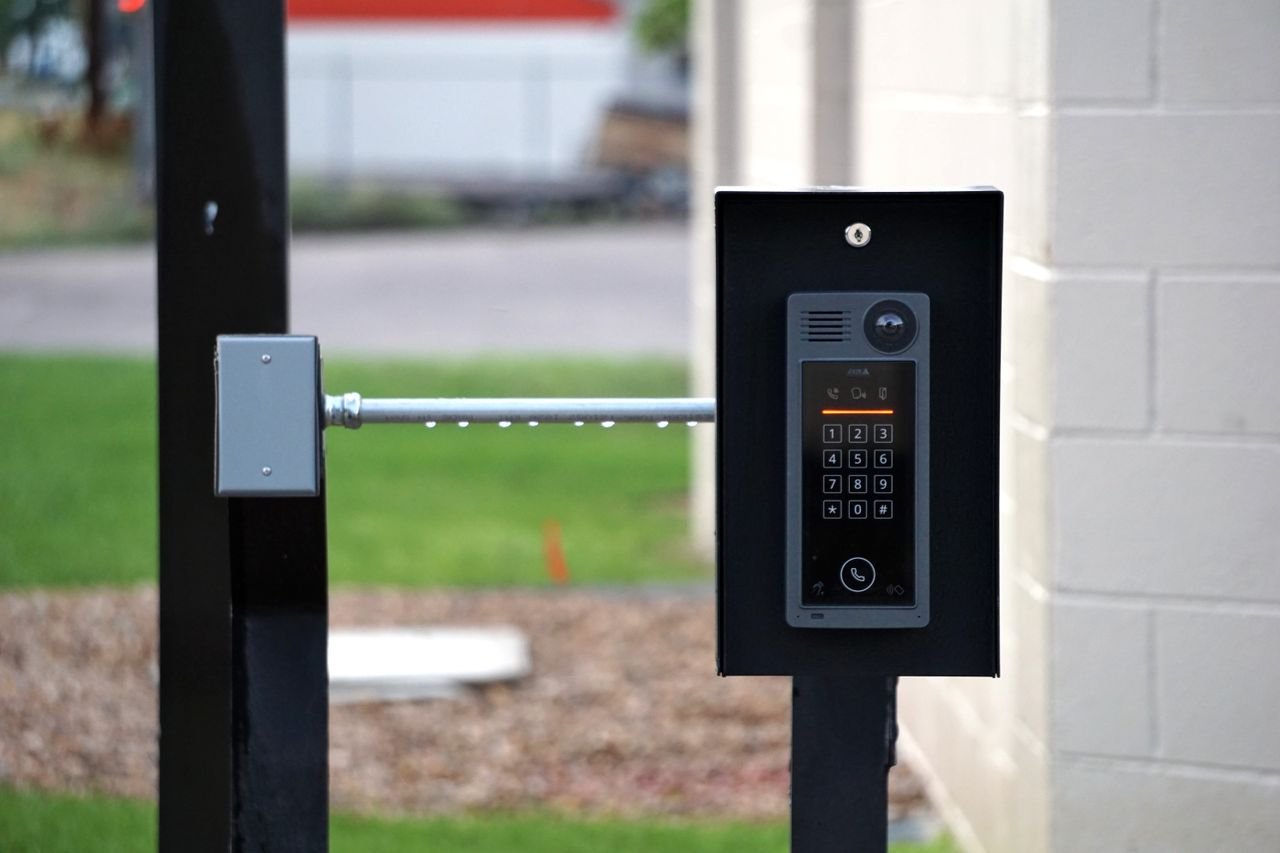
A remodel can provide opportunities to incorporate security equipment more discreetly and strategically than a post-construction installation. Potential features include smart locks, video doorbells, security cameras, motion sensors, door and window sensors, glass-break sensors, garage monitoring, smart gates, exterior lighting, and alarm systems.
Security cameras can be positioned to monitor important exterior areas while limiting unnecessary visibility from inside the home. Connected doorbells and smart locks can provide homeowners with additional information and access-management capabilities, while exterior lighting can respond to movement or operate according to established schedules.
Design A Smarter Kitchen
The kitchen is often one of the most technology-intensive areas of a modern home, making it an important place to coordinate smart features with cabinetry, electrical work, lighting, appliances, ventilation, and storage.
Potential upgrades include smart refrigerators, connected ovens, induction cooking equipment, smart dishwashers, appliance monitoring, under-cabinet lighting, occupancy sensors, smart outlets, automated shades, app- or voice-controlled lighting, integrated audio, and energy monitoring.
Technology should remain secondary to the kitchen’s essential functions. A successful luxury kitchen still needs to prioritize workflow, storage, durable materials, appropriate lighting, ventilation, and comfortable circulation.
Create A Smart Luxury Primary Suite
A remodeled primary suite can combine lighting, climate, shading, audio, charging, and security controls into a cohesive experience. Homeowners may incorporate automated lighting, dimmable bedside fixtures, motorized shades, smart thermostats, occupancy sensors, integrated speakers, automated bathroom lighting, heated-floor controls where appropriate, connected bathroom features, charging stations, and convenient security controls.
Bedside control can be particularly useful because strategically positioned controls can operate lighting, shades, temperature, and other systems without requiring numerous switches throughout the room. In a luxury remodel, technology can remain visually understated through coordinated controls, concealed speakers, integrated cabinetry, recessed equipment, and other architectural solutions where appropriate.
Make Entertainment Spaces More Intelligent
A remodeled family room, media room, or dedicated theater can coordinate lighting, audio, video, shades, climate controls, and networking through a unified experience. For example, a movie setting could lower the motorized shades, dim the lights, adjust illumination to a preset level, activate entertainment equipment, and establish the desired room temperature.
The purpose of this integration is to simplify complicated technology. Homeowners should not need to operate numerous remotes or applications for basic entertainment functions when a more intuitive control strategy can coordinate the major systems.
Use Smart Technology To Support Sustainability
Smart-home automation can contribute to a sustainable remodeling strategy, but it should complement rather than replace foundational efficiency improvements. Energy-conscious remodeling may include high-performance windows, improved insulation, efficient HVAC equipment, LED lighting, energy-efficient appliances, improved air sealing, efficient water fixtures, solar integration where appropriate, energy monitoring, automated lighting, smart climate controls, and motorized shading.
Energy-monitoring systems can provide homeowners with greater visibility into electricity consumption, while automated controls can help coordinate equipment with household schedules. This information may reveal unusually high consumption or recurring patterns that can guide future efficiency decisions. Sustainability therefore involves understanding how the home operates as a whole rather than simply selecting individual products labeled as efficient or environmentally friendly.
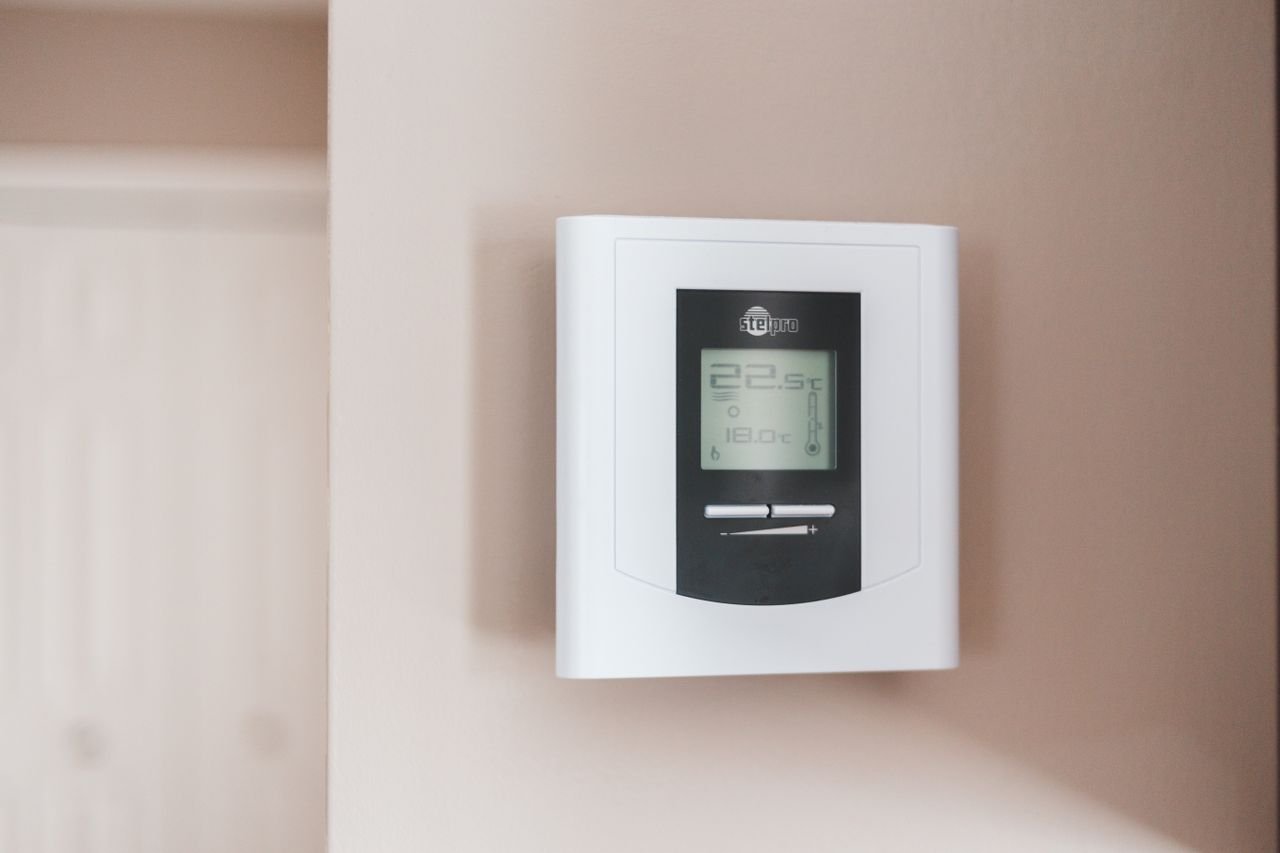
Consider Water Monitoring And Smart Irrigation
Leak-detection sensors can identify unusual moisture or water activity and may alert homeowners to potential problems before a minor issue becomes more serious. Smart irrigation systems can likewise manage landscape watering according to programmed schedules and, depending on the system, environmental conditions.
For homeowners investing in premium properties, these technologies can provide another layer of resource management and protection. As with electrical and networking infrastructure, water-related technology should be considered before construction is complete whenever installation requirements involve walls, ceilings, plumbing, or other concealed components.
Don’t Forget Indoor Air Quality
Modern remodeling should consider indoor environmental quality in addition to appearance and functionality. Depending on the equipment selected, smart sensors can monitor conditions such as temperature, humidity, carbon dioxide, and particulate levels. Tracking these measurements can help homeowners understand how indoor conditions change over time.
When combined with appropriate ventilation and HVAC strategies, monitoring can support a more comfortable indoor environment. This is particularly relevant to high-performance remodeling, where energy efficiency, air quality, and indoor comfort should be considered together.
Keep Smart Technology Visually Integrated
Luxury remodeling is not simply about adding more technology, but it is about making technology feel intentional and unobtrusive. Visible wires, oversized equipment, poorly positioned sensors, and mismatched controls can detract from an otherwise carefully designed interior. During remodeling, technology can instead be coordinated with the architecture through concealed wiring, recessed access points, in-wall speakers, integrated charging stations, flush-mounted controls, hidden equipment cabinets, recessed sensors, architectural lighting, and built-in media components.
Choose Wired, Wireless, Or Hybrid Technology
Smart-home planning should consider which systems benefit from wired infrastructure and which are better suited to wireless operation. Wireless devices provide flexibility and can be convenient for smaller or frequently replaced products, while hardwired infrastructure can provide dependable connectivity for critical networking, entertainment, and automation systems.
A hybrid strategy can therefore be practical. Structured wiring can support major networking and entertainment requirements, while wireless connections can provide flexibility for smaller devices and future additions.
Plan For Future Technology
Because remodeling projects can remain part of a home for decades while individual smart devices may be replaced much sooner, scalability should be part of the technology plan.
Future-ready infrastructure may include additional network cabling, accessible equipment locations, appropriate electrical capacity, conduit for future wiring, flexible control locations, adequate outlets, organized networking equipment, and serviceable equipment cabinets.
The purpose is not to predict exactly which technologies will exist years from now. Instead, the goal is to create an infrastructure that makes future upgrades easier and less disruptive.
How Much Smart Technology Does A Remodel Need?
There is no universal smart-home package that suits every household. A focused system that solves a few meaningful problems can be more useful than a complicated collection of devices that homeowners rarely use.
A basic system might combine smart lighting, a smart thermostat, smart locks, a video doorbell, and reliable Wi-Fi. A more comprehensive luxury system could coordinate lighting, HVAC, shades, security, entertainment, networking, energy management, and outdoor systems.
The right level of automation should be determined by actual household needs. Homeowners focused on energy management may prioritize monitoring and automated controls, while those seeking convenience may emphasize lighting, climate, shades, and centralized controls. Security-focused projects may concentrate on access control, cameras, sensors, exterior lighting, and monitoring, while luxury-oriented projects may emphasize seamless interactions between multiple systems.
Coordinate Smart-Home Technology With The Remodeler
Lighting affects electrical planning, motorized shades affect window and power requirements, integrated speakers affect ceiling and architectural design, network cabling affects wall access, and smart HVAC controls affect mechanical planning. Early coordination can reduce conflicts between trades while helping prevent technology from compromising architectural details.
Depending on the project’s scope, homeowners may need coordination among the remodeling contractor, electrician, HVAC professional, low-voltage technology specialist, designer, and other relevant trades. Bringing these professionals into the planning process early can make installation more organized and reduce avoidable conflicts.
What Should Walnut Creek Homeowners Budget For?
Smart-home costs vary significantly according to property size, number of systems, equipment selection, wiring requirements, programming, customization, and desired level of automation.
A basic setup may involve only several connected devices, while a luxury whole-home system can require extensive infrastructure, dedicated equipment, custom programming, integrated lighting, automated shades, security, networking, climate controls, entertainment, and energy-management systems.
Rather than treating smart technology as a separate device budget, homeowners should consider its infrastructure as part of the overall remodeling investment. Running wiring while walls are open may be more practical than attempting the same work after finishes are complete, which is why technology planning should take place before construction begins.
Smart Remodeling In Walnut Creek And Contra Costa County
Walnut Creek homeowners are not the only residents incorporating technology into premium home improvements. Remodeling projects throughout Contra Costa County can combine aesthetics, comfort, sustainability, and automation according to the property’s characteristics and the homeowner’s priorities.
In Lafayette, smart technology can be integrated into high-end renovations while maintaining the character of established properties. In Danville, larger homes may benefit from comprehensive networking, security, lighting, climate, and entertainment systems. In Brentwood, homeowners pursuing newer or extensively renovated properties may consider energy-management technology alongside other modern improvements. In Concord, smart systems can be incorporated into kitchen renovations, primary-suite upgrades, whole-house remodels, and other projects designed around changing household needs.
Luxury Remodeling Mistakes To Avoid
Even sophisticated smart-home projects can experience problems when technology is selected or installed without sufficient planning.
Adding Devices Without A System
Purchasing individual smart products without considering how they will interact can create a collection of disconnected devices that is difficult to manage. A better approach is to establish the overall system strategy before selecting individual equipment.
Relying Entirely On Wireless Connectivity
Wireless technology offers convenience and flexibility, but critical systems may benefit from wired infrastructure. A remodel provides an opportunity to establish reliable network pathways before walls are closed.
Ignoring Serviceability
Smart-home equipment eventually requires maintenance, replacement, or troubleshooting. Components should therefore be located where professionals can access them without unnecessarily disturbing finished spaces.
Installing Too Many Controls
Automation should simplify daily routines rather than create additional complexity. If basic functions require numerous applications or complicated interfaces, the system may not be serving its intended purpose.
Choosing Technology Before Planning The Space
The architecture and intended use of each room should guide technology decisions. Homeowners should first determine how spaces will function and then select technology that supports those functions.
Forgetting Future Expansion
A system that meets today’s needs can become restrictive if homeowners want additional technology later. Scalable wiring, equipment locations, and controls can provide greater flexibility for future upgrades.
A Step-by-Step Smart-Home Remodeling Strategy
For homeowners preparing for a Walnut Creek remodel, the following process can help organize technology planning from the beginning.
Step 1: Identify Your Priorities
Determine whether the primary goals are comfort, convenience, energy efficiency, security, entertainment, accessibility, or a combination of these objectives.
Step 2: Map The Home
Identify the interior rooms and exterior areas where technology is most likely to provide meaningful value.
Step 3: Review The Electrical System
Determine whether the project requires additional circuits, outlets, controls, electrical capacity, or other modifications to support the planned technology.
Step 4: Plan Networking
Establish locations for network equipment, wired connections, and wireless access points so connectivity can be distributed appropriately throughout the property.
Step 5: Coordinate Lighting And Controls
Design lighting zones and determine which fixtures should be automated, dimmable, scheduled, or controlled by sensors.
Step 6: Integrate HVAC And Shading
Coordinate thermostats, HVAC zones, motorized shades, windows, and other comfort-related systems as part of the overall remodeling plan.
Step 7: Address Security
Determine appropriate locations for cameras, sensors, smart locks, exterior lighting, and other security equipment while considering both coverage and architectural appearance.
Step 8: Plan Entertainment
For media and entertainment areas, coordinate speakers, displays, networking, lighting, equipment locations, and control systems before finishes are installed.
Step 9: Plan For Expansion
Identify locations where future wiring, equipment, controls, and technology could be added without major reconstruction.
Step 10: Test Everything Before Completion
Before the remodeling project is closed out, test connectivity, controls, equipment, and system integrations to verify that the technology operates as intended.
Is Smart-Home Technology Worth Adding During A Remodel?
For many homeowners, the greatest value of smart-home technology is not the novelty of controlling devices from a phone but the ability to make the home operate more naturally.
Lights can respond to occupancy, climate settings can follow household schedules, shades can respond to sunlight, security systems can provide remote information, and energy-monitoring systems can provide greater visibility into consumption. When these functions are coordinated thoughtfully, technology can largely fade into the background.
That unobtrusive quality is particularly valuable in luxury remodeling. A high-end renovation should feel comfortable, efficient, intuitive, and tailored to the people who live there rather than resembling a showroom filled with gadgets.
Conclusion
Upgrading to smart-home systems during a Walnut Creek remodel allows homeowners to integrate technology while electrical systems, networking, lighting, HVAC, security, and architectural details are already being evaluated.
The most successful projects begin with a plan rather than a collection of devices. Homeowners can identify which technologies genuinely improve daily life and coordinate them with the remodeling design before construction makes access more difficult.
Smart lighting, climate controls, motorized shades, security, networking, entertainment, energy monitoring, water management, and indoor-environment sensors can contribute to a more comfortable and efficient home. When paired with efficient equipment, appropriate insulation, high-performance windows, air sealing, and other sustainable improvements, these systems can form part of a broader high-performance remodeling strategy.
For luxury homeowners in Walnut Creek and throughout Contra Costa County, the benefits can extend beyond convenience. A well-planned smart-home remodel can create a residence that is more responsive, secure, comfortable, efficient, and prepared for future technology.
Whether the project involves a kitchen, primary suite, whole-house renovation, or another specialized remodeling project, smart-home planning should begin before construction starts. Early coordination provides more opportunities to integrate technology cleanly and reduces the need for disruptive retrofits later.
The finished result should not simply be a home filled with connected devices. It should be a thoughtfully remodeled residence where technology works quietly in the background and supports the way the household actually lives.
Frequently Asked Questions
1. When Should I Plan Smart-Home Technology During A Walnut Creek Remodel?
Smart-home planning should begin during the early design and pre-construction stages so electrical, networking, lighting, HVAC, security, shading, and entertainment requirements can be coordinated before walls and ceilings are closed.
2. Can Smart-Home Technology Make My Walnut Creek Home More Energy Efficient?
Smart technology can support energy efficiency when it is incorporated into a broader high-performance remodeling strategy. Automated lighting can reduce unnecessary operation, programmable climate controls can manage heating and cooling schedules, and motorized shades can help regulate sunlight and heat gain.
3. Should I Use Wired Or Wireless Smart-Home Systems?
Many remodeling projects can benefit from a combination of wired and wireless technology. Wired infrastructure can provide dependable connectivity for networking, entertainment, and other important systems, while wireless devices can offer flexibility for smaller or frequently replaced equipment.
4. What Smart-Home Features Are Most Useful In A Luxury Remodel?
The most useful features depend on how the homeowner uses the property, but common options include automated lighting, smart HVAC controls, motorized shades, whole-home networking, security systems, integrated audio and video, energy monitoring, smart locks, and centralized controls.
5. Can Smart-Home Systems Be Added To A Remodel In Lafayette, Brentwood, Danville, Or Concord?
Yes. Smart-home technology can be incorporated into many remodeling projects throughout Contra Costa County. The appropriate approach depends on the property’s electrical system, construction, layout, remodeling scope, technology requirements, and desired level of automation.
Put These Room-By-Room Remodeling Tips To Work With Carey Bros. Design & Build Remodeling
Every room in your home has the potential to be more functional, more comfortable, and more enjoyable. Whether you’re thinking about updating your kitchen, refreshing a bathroom, creating a better home office, or improving your living spaces, the right plan can help you make the most of every remodeling dollar. Taking a room-by-room approach allows you to prioritize your goals, minimize disruption, and steadily transform your home into a space that better fits your lifestyle.
Carey Bros. Design & Build Remodeling works with homeowners throughout Contra Costa County, including Walnut Creek, Danville, Lafayette, Orinda, Concord, San Ramon, Moraga, Pleasant Hill, Martinez, and Alamo, to create remodeling plans that are practical, organized, and tailored to each family’s needs. Our team helps you identify which projects will have the greatest impact and develops a strategy that aligns with your vision, timeline, and budget.
If you’re looking for room-by-room remodeling tips and expert guidance for your next project, now is the perfect time to start the conversation. Contact Carey Bros. Design & Build Remodeling today to schedule a consultation and discover how thoughtful planning can help you create a home you’ll love for years to come.
Disclaimer
The materials available on this website are for informational and educational purposes only and are not intended to provide legal, financial, or professional construction advice. You should consult with a qualified general contractor, architect, or other relevant professionals before making decisions regarding remodeling, construction, or home improvement projects. Do not act or refrain from acting based on any content included on this site without seeking appropriate professional guidance. The information presented on this website may not reflect the most current building codes, regulations, or industry standards. No action should be taken in reliance on the information provided on this website. We disclaim all liability for actions taken or not taken based on any or all of the contents of this site to the fullest extent permitted by law.