
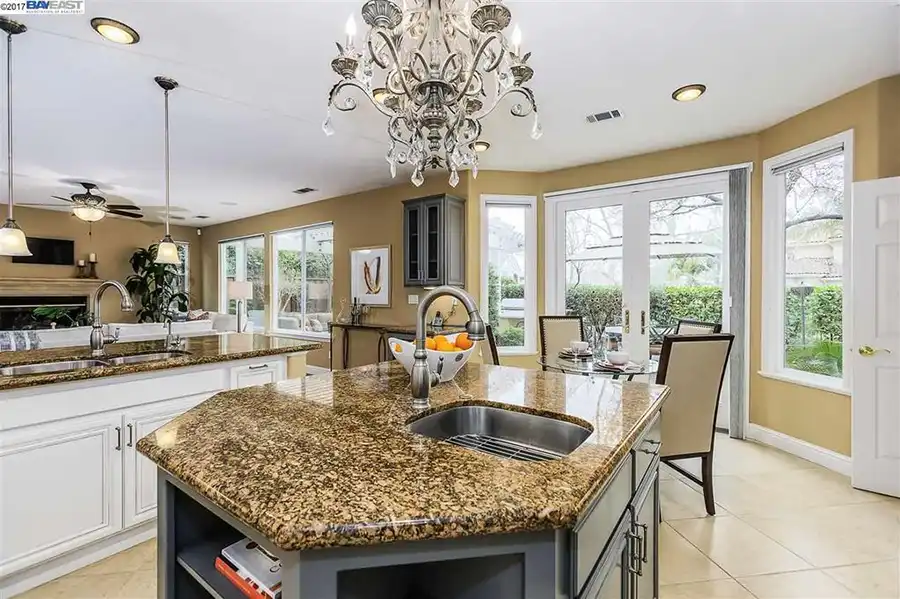
If you own a home in Walnut Creek, you know that kitchen space can vary significantly depending on the neighborhood, the age of the property, and the original floor plan. Many homes feature compact kitchens that were designed decades ago, long before today’s homeowners expected open spaces, large islands, and extensive storage.
Fortunately, a smaller kitchen does not mean you have to sacrifice style or functionality. With the right layout, you can create a kitchen that feels larger, works more efficiently, and complements the rest of your home. Whether you are planning a complete renovation or simply exploring remodeling ideas, understanding the best layouts for small kitchens can help you maximize every square foot.
Modern kitchen remodeling focuses on creating better flow, improving storage, and making everyday tasks easier. The right design can transform a cramped space into one that feels welcoming, organized, and surprisingly spacious.
Key Takeaways
- Small kitchens in Walnut Creek homes can be highly functional with the right layout.
- Galley kitchens remain one of the most efficient designs for compact spaces.
- L-shaped kitchens create openness and flexibility.
- U-shaped layouts maximize storage and workspace.
- Peninsula kitchens provide additional seating without requiring large islands.
- Open-concept designs can make smaller kitchens feel significantly larger.
- Smart storage solutions are just as important as the layout itself.
- Professional remodeling helps you customize the kitchen to fit your lifestyle and home architecture.
Understanding the Unique Challenges of Small Walnut Creek Kitchens
Older Homes Often Have Limited Space
Many Walnut Creek homes were built when kitchens were considered utility rooms rather than gathering spaces. As a result, you may find:
- Narrow walkways
- Limited cabinetry
- Small countertops
- Isolated floor plans
- Minimal storage
A thoughtful remodeling plan can address these limitations while preserving the character of your home.
Family Needs Have Changed
Today’s kitchens serve multiple purposes. They are places where you:
- Prepare meals
- Entertain guests
- Help children with homework
- Gather with family
- Work remotely
Because of these changing demands, layout selection has become more important than ever.
Efficient Design Matters More Than Size
A well-designed small kitchen often functions better than a larger kitchen with poor organization. The key is maximizing workflow, storage, and accessibility.
Walnut Creek Homes Have Diverse Kitchen Configurations
Neighborhoods throughout Walnut Creek contain homes built in different decades, which means kitchen layouts can vary considerably. Ranch-style homes from the 1950s and 1960s often have enclosed kitchens with limited counter space, while newer properties may feature partially open floor plans. Some homes also contain original cabinetry and appliance arrangements that no longer match modern lifestyles.
Because every property is different, there is rarely a one-size-fits-all approach to kitchen remodeling. Understanding the structure and flow of your existing space helps determine which layout will provide the greatest improvement. A design that works beautifully in one home may not be ideal for another.
Evaluating traffic patterns, storage needs, and the relationship between the kitchen and surrounding rooms allows you to make informed remodeling decisions that improve both functionality and comfort.
Galley Kitchens Offer Exceptional Efficiency
Why Galley Layouts Work So Well
Galley kitchens feature two parallel walls with a walkway between them. This arrangement creates an efficient workspace and keeps everything within easy reach.
Benefits include:
- Excellent workflow
- Efficient use of space
- Lower remodeling costs
- Plenty of cabinet opportunities
For narrow kitchens, this layout remains one of the most practical choices.
Maximizing Storage in a Galley Kitchen
You can increase functionality with:
- Ceiling-height cabinets
- Pull-out pantry systems
- Drawer organizers
- Appliance garages
- Deep drawers for cookware
These upgrades help reduce clutter and improve organization.
Creating a More Open Feeling
Modern galley kitchens often include:
- Light-colored cabinetry
- Under-cabinet lighting
- Reflective surfaces
- Glass cabinet doors
- Large windows
These design features help prevent the kitchen from feeling enclosed.
Appliance Placement Plays a Major Role
Even in a small kitchen, appliance placement can significantly affect efficiency. Refrigerators, sinks, and cooking surfaces should be positioned to minimize unnecessary movement during meal preparation. Designers often refer to this arrangement as the kitchen work triangle.
Proper spacing between these elements allows you to move comfortably while cooking and cleaning. Crowded appliance placement can make a kitchen feel smaller and create traffic bottlenecks.
Modern remodeling projects may also incorporate space-saving appliances, such as counter-depth refrigerators, microwave drawers, or induction cooktops. These features provide the performance homeowners expect while preserving valuable floor space.
L-Shaped Kitchens Create Flexibility
Ideal for Open Floor Plans
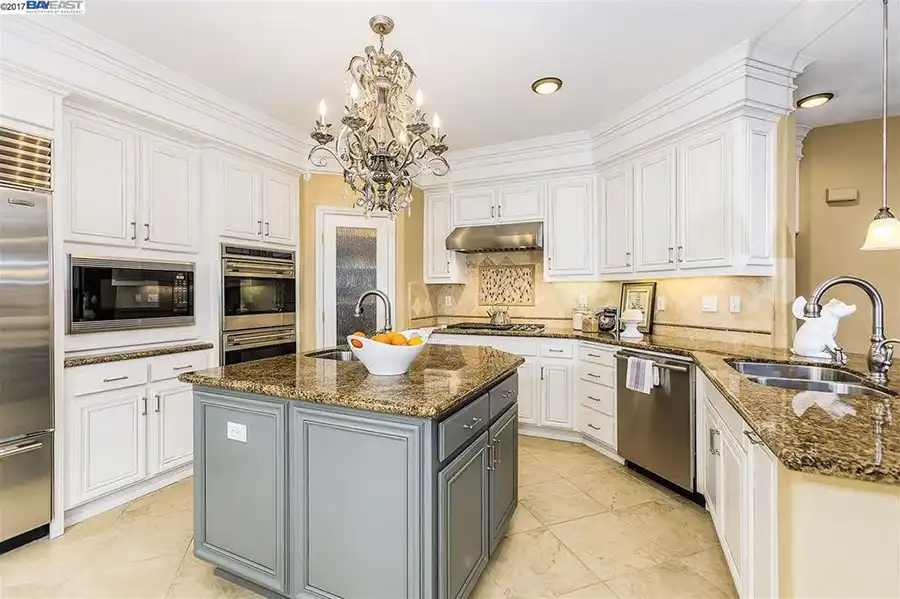
An L-shaped kitchen uses two adjoining walls and leaves the remaining area open. This configuration creates a natural connection between the kitchen and nearby living spaces.
Homeowners appreciate this design because it:
- Encourages interaction
- Makes the room feel larger
- Improves traffic flow
- Allows multiple people to cook comfortably
Space for Dining Areas
One advantage of an L-shaped design is the opportunity to incorporate:
- Breakfast nooks
- Small dining tables
- Bar seating
- Built-in benches
These additions make the kitchen more versatile.
Accommodating Modern Appliances
L-shaped layouts can easily support:
- French-door refrigerators
- Wall ovens
- Dishwashers
- Microwave drawers
- Induction cooktops
With careful planning, even compact kitchens can include premium appliances.
Understanding the Kitchen Work Triangle
The kitchen work triangle remains one of the most widely accepted design principles in residential remodeling. The concept focuses on the relationship between the refrigerator, sink, and cooktop. Ideally, these three work zones should be close enough for efficiency while providing adequate space for movement.
A well-designed work triangle helps reduce unnecessary steps and improves the overall cooking experience. Whether you choose a galley, L-shaped, or U-shaped layout, maintaining proper spacing between these areas contributes to better functionality.
Although modern kitchens have evolved to include additional appliances and workstations, the work triangle continues to provide valuable guidance during the planning process.
U-Shaped Kitchens Maximize Storage and Counter Space
Three Walls Provide More Functionality
U-shaped kitchens surround you on three sides, providing abundant work areas and storage opportunities.
Advantages include:
- Extensive countertop space
- Excellent organization
- Efficient work triangle
- Increased cabinet capacity
This layout works especially well for homeowners who enjoy cooking frequently.
Keeping Traffic Out of Work Zones
One benefit of a U-shaped kitchen is that it naturally separates cooking activities from foot traffic. This can improve both safety and convenience.
Adding a Compact Peninsula
In some homes, one side of the U-shape can extend outward to create:
- Casual seating
- Additional prep space
- Extra storage
- A gathering area for guests
This feature combines practicality with social interaction.
Peninsula Kitchens Add Function Without Requiring an Island
A Smart Alternative to Traditional Islands
While many homeowners dream of large islands, smaller kitchens often cannot accommodate them.
Peninsulas provide many of the same benefits, including:
- Additional countertop space
- Seating options
- Storage underneath
- Improved room division
Because one end connects to existing cabinetry, peninsulas require less floor space.
Increasing Seating Opportunities
A peninsula can comfortably accommodate:
- Quick breakfasts
- Casual meals
- Homework sessions
- Social gatherings
This versatility makes it one of the most popular remodeling features.
Multi-Purpose Spaces Are Becoming More Important
Modern kitchens often serve purposes beyond cooking. In many Walnut Creek homes, the kitchen has become a central gathering area where family members eat meals, work remotely, complete homework, and socialize with guests.
Because of these changing demands, homeowners frequently seek layouts that support multiple activities without making the room feel crowded. Peninsula seating, built-in benches, and flexible dining areas can help maximize functionality while preserving valuable floor space.
Creating a kitchen that supports everyday life allows you to get more value from your remodeling investment and enjoy a space that adapts to changing needs over time.
Enhancing Open Concepts
Peninsulas help define spaces while maintaining visual openness. They provide structure without creating walls or barriers.
Open-Concept Layouts Make Small Kitchens Feel Bigger
Removing Walls Creates Visual Space
Many remodeling projects involve opening the kitchen to adjacent areas such as:
- Dining rooms
- Family rooms
- Living rooms
Removing unnecessary walls can dramatically change how your kitchen feels.
Benefits include:
- Better natural light
- Improved traffic flow
- Easier entertaining
- Enhanced sightlines
Creating Better Family Interaction
Open kitchens allow you to:
- Watch children while cooking
- Talk with guests
- Participate in gatherings
- Enjoy a more connected home environment
This design philosophy aligns with modern lifestyles.
Increasing Home Value
Open-concept renovations remain highly desirable among buyers. Improved layouts often contribute to stronger resale appeal and broader market interest.
Remodeling Can Improve Market Appeal
Kitchen remodeling consistently ranks among the most desirable home improvements for buyers. Updated layouts, improved storage, and modern finishes often enhance the overall appeal of a property.
While no renovation guarantees a specific return on investment, attractive and functional kitchens tend to attract more interest when homes are listed for sale. Features such as quartz countertops, energy-efficient appliances, and quality cabinetry are especially popular among today’s buyers.
Even if you are not planning to sell in the near future, investing in a practical layout allows you to enjoy the benefits every day while potentially increasing the long-term value of your home.
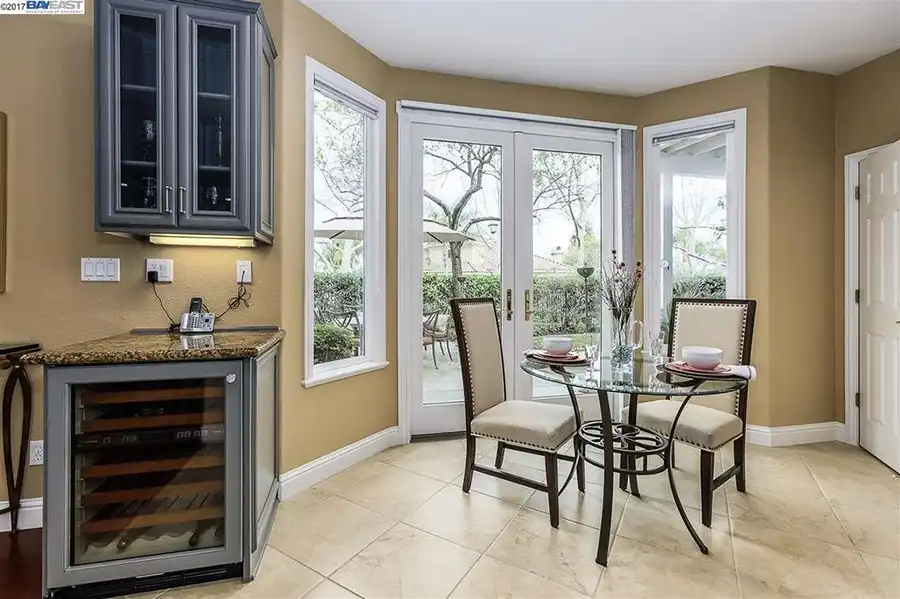
Smart Storage Solutions Enhance Every Layout
Vertical Storage Makes a Difference
When floor space is limited, upward storage becomes essential.
Popular options include:
- Tall cabinets
- Floating shelves
- Ceiling-height pantries
- Hanging racks
- Appliance garages
These solutions help maximize every inch.
Deep Drawers Improve Accessibility
Large drawers often outperform traditional cabinets because they:
- Reduce bending
- Improve organization
- Increase usable space
- Simplify storage
Modern drawer systems are ideal for small kitchens.
Customized Storage Eliminates Clutter
Features such as:
- Pull-out spice racks
- Trash pullouts
- Corner storage systems
- Drawer dividers
- Hidden charging stations
can dramatically improve functionality and keep surfaces clean.
Corner Cabinets Can Add Valuable Space
Corners are often underutilized in small kitchens. Fortunately, modern cabinet accessories allow you to take advantage of these difficult areas. Solutions such as lazy Susan corner organizers, pull-out shelves, and swing-out corner systems make it easier to access cookware and pantry items.
These features help eliminate wasted space while improving organization. By maximizing storage in corners, you can reduce countertop clutter and create a cleaner appearance throughout the room.
Thoughtful cabinet design allows even compact kitchens to provide surprising amounts of storage without sacrificing accessibility.
Design Features That Make Small Kitchens Feel Larger
Use Lighter Colors
Bright finishes can visually expand the room.
Popular choices include:
- White cabinetry
- Soft gray tones
- Warm beige colors
- Natural wood accents
These palettes help reflect light and create an airy atmosphere.
Reflective Surfaces Can Enhance Brightness
Natural and artificial light can make a significant difference in how spacious a kitchen feels. Materials that reflect light, such as glossy backsplashes, polished quartz countertops, and glass cabinet inserts, can help brighten the room and create the illusion of greater depth.
Mirrored finishes are not necessary, but selecting surfaces with subtle reflective qualities can make smaller kitchens appear more open. Combining these materials with layered lighting helps improve both aesthetics and functionality.
Thoughtful material selections contribute to a brighter and more inviting atmosphere without requiring additional square footage.
Incorporate Better Lighting
Lighting plays a major role in perceived spaciousness.
Consider:
- Recessed lighting
- Pendant fixtures
- Under-cabinet lights
- Natural daylight
- LED strips
Proper illumination can completely transform the room.
Choose Streamlined Materials
Simple, clean lines contribute to a less crowded appearance.
Modern homeowners often select:
- Slab cabinet doors
- Quartz countertops
- Large-format tile
- Minimal hardware
- Integrated appliances
These features promote a sleek and contemporary aesthetic.
Choosing the Right Layout for Your Lifestyle
Frequent Cooks Benefit From U-Shaped Designs
If you spend considerable time preparing meals, abundant counter space and storage may be your highest priorities.
U-shaped kitchens often provide the best workflow.
Entertainers Prefer Open Concepts
If your kitchen serves as a gathering space, removing walls and incorporating seating areas can improve the experience for everyone.
Open layouts encourage social interaction.
Busy Families Appreciate Peninsulas
Peninsula designs offer flexibility for:
- Family meals
- Homework stations
- Serving areas
- Additional prep space
They balance functionality with efficient use of square footage.
Remodeling Considerations for Walnut Creek Homes
Preserve Architectural Character
Many Walnut Creek neighborhoods contain homes with distinctive architectural styles.
Thoughtful remodeling can modernize the kitchen while respecting:
- Mid-century elements
- Ranch-style layouts
- Traditional detailing
- Existing materials
Maintaining harmony throughout the home creates a cohesive design.
Consider Long-Term Needs
Think beyond your current requirements.
Future-friendly features include:
- Wider pathways
- Accessible storage
- Easy-to-clean materials
- Durable countertops
- Energy-efficient appliances
These upgrades provide lasting value.
Storage Requirements May Change Over Time
Your storage needs today may not be the same several years from now. Families grow, cooking habits evolve, and new appliances are introduced. Planning for future storage needs during a remodel can help prevent overcrowding and reduce the likelihood of needing additional renovations later.
Features such as adjustable shelving, pantry cabinets, and deep drawers provide flexibility and allow your kitchen to adapt to changing lifestyles. Investing in versatile storage solutions can help your remodeled kitchen remain practical and efficient for many years.
Thinking ahead during the design process allows you to make decisions that support both your current needs and your long-term goals.
Work With Experienced Remodeling Professionals
Kitchen remodeling involves:
- Layout planning
- Electrical work
- Plumbing modifications
- Cabinet installation
- Structural considerations
Professional guidance helps ensure your project meets building requirements and achieves your goals.
Material Choices Can Influence How Spacious Your Kitchen Feels
Quartz Countertops Offer Durability
Quartz countertops remain a popular choice because they are durable, easy to maintain, and available in a wide range of colors and patterns. Their nonporous surface resists stains and does not require sealing, making them ideal for busy households.
Cabinet Finishes Affect Visual Size
Cabinet colors and finishes can dramatically influence how large a kitchen appears. Light finishes tend to reflect more light and create a sense of openness, while darker finishes can provide contrast and sophistication. Choosing consistent finishes throughout the room can also reduce visual clutter.
Flooring Can Improve Continuity
Using the same flooring material throughout adjacent living spaces can help create a seamless appearance. Continuous flooring reduces visual interruptions and makes smaller kitchens feel larger. Popular choices include luxury vinyl plank, hardwood, and porcelain tile because of their durability and timeless appeal.
Planning for Long-Term Functionality
Aging-in-Place Features Add Convenience
Many homeowners are choosing remodeling features that support long-term accessibility. Wider walkways, easy-to-reach storage, and drawer-based cabinetry can improve convenience for people of all ages.
Energy-Efficient Appliances Reduce Utility Costs
Modern appliances use less water and electricity than many older models. Incorporating energy-efficient options into your remodel can contribute to lower operating costs while supporting sustainable living practices.
Quality Materials Provide Lasting Value
Kitchen remodeling is a significant investment. Selecting durable materials and timeless designs can help ensure that your kitchen remains functional and attractive for many years. Prioritizing quality often reduces maintenance requirements and delays the need for future renovations.
Conclusion
The best layout for your small kitchen depends on your home’s configuration, your lifestyle, and your priorities. Whether you choose a galley layout, an L-shaped design, a U-shaped kitchen, a peninsula arrangement, or an open-concept renovation, thoughtful planning can make a remarkable difference.
Small kitchens in Walnut Creek homes have tremendous potential. By focusing on efficiency, storage, and smart design principles, you can create a space that feels larger, functions better, and supports your everyday life.
A well-designed kitchen is more than a place to cook. It becomes the center of your home, where convenience, comfort, and style come together.
Frequently Asked Questions
1. What is the most efficient layout for a small kitchen?
Galley kitchens are widely considered one of the most efficient layouts because they maximize workflow and make excellent use of limited space.
2. Are kitchen islands suitable for small kitchens?
In many cases, a peninsula provides similar benefits while requiring less floor space than a traditional island.
3. Which layout offers the most storage?
U-shaped kitchens generally provide the greatest amount of cabinetry and countertop space.
4. Can removing walls make a kitchen feel larger?
Yes. Open-concept remodeling can improve natural light, sightlines, and overall spaciousness.
5. What colors make small kitchens appear bigger?
White, light gray, beige, and other soft colors help reflect light and create a more open appearance.
6. How can I maximize storage in a compact kitchen?
Ceiling-height cabinets, pull-out organizers, deep drawers, and vertical storage solutions can significantly increase usable space.
7. Does remodeling a small kitchen increase home value?
A thoughtfully designed kitchen renovation can improve functionality, buyer appeal, and overall property value.
Put These Room-by-Room Remodeling Tips to Work With Carey Bros. Design & Build Remodeling
Every room in your home has the potential to be more functional, more comfortable, and more enjoyable. Whether you’re thinking about updating your kitchen, refreshing a bathroom, creating a better home office, or improving your living spaces, the right plan can help you make the most of every remodeling dollar. Taking a room-by-room approach allows you to prioritize your goals, minimize disruption, and steadily transform your home into a space that better fits your lifestyle.
Carey Bros. Design & Build Remodeling works with homeowners throughout Contra Costa County, including Walnut Creek, Danville, Lafayette, Orinda, Concord, San Ramon, Moraga, Pleasant Hill, Martinez, and Alamo, to create remodeling plans that are practical, organized, and tailored to each family’s needs. Our team helps you identify which projects will have the greatest impact and develops a strategy that aligns with your vision, timeline, and budget.
If you’re looking for room-by-room remodeling tips and expert guidance for your next project, now is the perfect time to start the conversation. Contact Carey Bros. Design & Build Remodeling today to schedule a consultation and discover how thoughtful planning can help you create a home you’ll love for years to come.
Disclaimer
The materials available on this website are for informational and educational purposes only and are not intended to provide legal, financial, or professional construction advice. You should consult with a qualified general contractor, architect, or other relevant professionals before making decisions regarding remodeling, construction, or home improvement projects. Don’t act or refrain from acting based on any content included on this site without seeking appropriate professional guidance. The information presented on this website may not reflect the most current building codes, regulations, or industry standards. No action should be taken in reliance on the information provided on this website. We disclaim all liability for actions taken or not taken based on any or all of the contents of this site to the fullest extent permitted by law.