

Light paint colors such as soft whites, pale grays, and muted pastels make small spaces in Concord seem larger. These hues reflect sunlight, reduce shadows, and create an airy, peaceful atmosphere. As many Concord homeowners discover, an off-white or soft beige is great in rooms with limited natural light. Matte finishes reduce shine and enable walls to recede, while cool shades such as pale blue or green can contribute expansiveness without confining the space. Choosing the same light color for both walls and trim keeps it all easy and airy. If you’re trying to make a small room feel big, paint color choices are more important than the furniture or any additional décor. The bulk to follow will display actual choices and advice for Concord houses.
Key Takeaways
- Things like airy whites, cool blues, soft grays, and muted greens are among the best paint colors to make small spaces feel bigger.
- Paint finish—matte, satin, or gloss—plays a significant role in how big or small a room feels. Satin and gloss finishes help reflect light and add depth.
- Strategic color placement — including accent walls, monochromatic trim, and attention to the ceiling — can create visual interest and the illusion of height or openness.
- Knowing how local light and your architectural style influence color can make all the difference between a space looking optimally bright and harmonious or looking plain wrong.
- Warm tones call for comfort, while cool tones bolster tranquility. Neutral colors are versatile backgrounds that can accommodate any style of decor.
- You can avoid these common painting mistakes by testing your paint colors in various lighting and not overlooking ceilings and trim.
The Best Paint Colors
The best paint colors for small spaces can make a room look and feel significantly bigger, brighter, and more inviting. Small spaces do best with soft shades that reflect light and open up the room. The well-placed use of muted or darker tones can create dimension and look very chic as well. Below are several options and their unique effects:
- Soft whites and off-whites are classic for making spaces airy and bright.
- Pale blue, sky blue, and blue spruce create a calm, open feel.
- Gentle gray, light gray, and gray cashmere bring a polished, subtle look.
- Muted greens like sage, seafoam, and card room green add a natural, soothing touch.
- Surprising darks like navy and deep green used in small doses add drama and depth.
- Warm yellows are highly reflective and are ideal for spaces with less sunlight.
- Popular choices include Sea Salt, Palladian Blue, and Windy Sky for bigger-feeling rooms.
- Soft whites with sunny undertones light up rooms that don’t get a lot of natural light.
- Revere Pewter and Accessible Beige are cozy, stylish, and open up the space.
- Satin or eggshell finishes are best for small rooms and reflect just enough light.
- Wainscoting three-quarters up the wall creates a sense of openness.
Airy Whites
Pure white paint reflects light better than any other. Small rooms feel larger and less boxy. Warm white tones, such as creamy white or soft ivory, add a sense of coziness to a room, yet can make it feel open. Aesthetic white, a little on the grayish side, goes well with modern or minimal decor. Off-whites, such as bone or antique white, temper the harshness of bright whites and imbue a slight warmth, which helps the space appear inviting.
Cool Blues
Sky blue reflects daylight and lifts the walls, making ceilings appear higher. Deep blue, deployed as an accent, counteracts the light and disperses the sameness without contracting the space. Pale blue on all walls feels fresh and open, which is great for bathrooms and bedrooms. Blue spruce is bolder but no less calming, offering a nice contrast and adding interest without closing in the room.
Soft Grays
Crisp grays provide a versatile background for any decor. Light gray keeps a space feeling airy and injects more personality than stark white. Fast forward to today, soft gray with warm undertones — think Revere Pewter — injects comfort into living rooms. Gray cashmere, soft and modern, goes with my furniture.
Muted Greens
Earthy greens, like sage or Cambridge green, are calming and make little rooms feel less claustrophobic. Seafoam green is light and airy, great for kitchens or an office. Muted greens invite the outdoors in, fostering a peaceful vibe. Card room green is a nice, deeper option for bedrooms or study spaces. It’s an unusual backdrop that doesn’t feel too cold.
Surprising Darks
Dark paint colors, whether on one wall or as trim, make a space feel snuggly but not claustrophobic. We love navy or deep green as accent walls for the interest and depth they add. Go for dark shades with warm undertones, such as rich brown or olive, to keep things cozy. Bold shades in small doses, like doors or shelves, inject style without dominating the room.

Beyond Just Color
Paint does more than add color to a room. The finish, the sheen, and even the texture can influence how space feels. In smaller houses or apartments, every decision, whether matte, satin, or gloss, impacts both feel and optics. It’s more than color; the way paint plays with daylight, the accents, and even the often ignored ceiling all add to a room’s open or tight appearance. Knowing how finishes soften boundaries, add depth, or shift proportions helps create balance and flow.
The Matte Myth
Matte paint is considered to be the go-to for understated sophistication. It’s not always ideal for small spaces. Matte swallows light, lending walls a richer appearance that can tend to close in a room, particularly in areas where daylight is lacking. Matte colors can do the trick in spaces where you want to create a cozy, soft sensation—a reading nook or bedroom, for example. When exhaustively applied, they can flatten surfaces and mute architectural charm.
Pairing matte with a higher-sheen trim or ceiling creates contrast and provides the eye something to gravitate towards. This two-toned quality emphasizes understated depth and can disrupt the claustrophobic vibe. Matte is soothing, and combining it with other finishes keeps things from becoming a one-note style.
Satin’s Sheen
Satin lies between matte and gloss, bouncing just enough light to keep a room vibrant without glare. This finish is perfect for high-traffic spaces where durability and easy cleaning are important, like halls or kitchens, yet still looks polished. Beyond just color, satin’s slight luminescence helps blur the edges where walls often meet the ceiling, which can make a ceiling visually ‘lift’ and a room feel taller.
Satin enriches color, saturating gentle colors for a lush feel and giving cramped rooms a comforting warmth. Satin on the walls and the trim can lend a seamless, unified effect. It’s not just about color; the finish is lustrous and shifts beautifully with changing light, so rooms seem expansive morning to night.
Gloss For Glow
Gloss finishes are typically left to accents, but can do more. When used on trim or ceilings, gloss pulls your eyes upward, expanding vertical space and making a ceiling feel taller. High-gloss paint reflects light, which is great in tiny baths or kitchens where brightness is essential.
Glossy surfaces accentuate things like molding or built-in shelving. Even a single gloss accent wall can act as a focal point and alter the scale, particularly if it’s the first wall you see on entering. More than color, gloss makes contemporary, small interiors feel fresh and vital, not claustrophobic.
Strategic Color Placement
Clever paint color trickery can affect how spacious or compact a room feels. In Concord and other locations where houses may be on the smaller side, the strategic placement of colors and finishes can make spaces appear more open and lit. With lighter colors on the wall and furniture in deeper ones, this contrast causes walls to recede and furniture to pop, which makes spaces feel less tight. By incorporating accent walls featuring bright or bold colors instead of painting all four walls, it immediately draws the eye and creates a powerful focal point. This breaks up the numbness and can actually make the space appear larger. Color blocking is another tool. By painting different sections of an open-concept room in distinct colors, you define zones without adding physical barriers. This not only assists flow but also provides some eye candy. For added dimension, choose high-sheen paints such as satins or pearls, which reflect light and make a room appear further-reaching. Think of mirrors opposite windows that will reflect and double the natural light, or how the strategic placement of dark and light colors collaborate to punch out space and create depth.
- Strategic Color Placement. Opt for lighter wall and ceiling colors, which make rooms feel open and airy by reflecting more light.
- Dark furniture pulls the eye, creates contrast, and anchors the space.
- Accent walls with bolder or brighter colors provide a visual point of interest without creating a closed-in feeling.
- Strategic color placement. Color blocking in open spaces delineates zones and prevents the space from feeling cluttered.
- Strategically positioned mirrors opposite windows amplify light and create a feeling of spaciousness.
- High-sheen finishes,s such as pearl or satin, bounce light, illuminating the room.
The Fifth Wall
The ceiling, or fifth wall, can alter perceived room height. If you paint it a lighter color than the walls, it actually pulls your eyes up and makes it feel taller. Sometimes, a little strategic color placement, like opting for a slightly darker hue on the ceiling, comes with a bonus. In bedrooms or reading nooks, it brings a cozy, intimate vibe. Patterns or subtle textures, like tone-on-tone stripes, introduce visual intrigue and variety without cluttering the space. The ceiling can ground a room’s color narrative, connecting the wall and trim colors together.
Monochromatic Trim
Monochromatic trim refers to employing trim and moldings in colors near that of the walls. This generates a more continuous appearance and keeps the eye moving, which makes small spaces feel bigger. A modest contrast, perhaps one or two shades lighter or darker, adds dimension without disrupting continuity. It works wonders in contemporary spaces where less is more. The coordinating trim can stretch walls and pull low ceilings up just a bit.
Vertical Illusions
Vertical patterns or stripes can make a small room appear much taller. Strategic Color Placement Tall bookcases, slim floor lamps, and vertical artwork work well with these paint effects. A paint trick, such as thin vertical striping or even simply painting a darker color at the bottom of the wall and a lighter one at the top, pulls the eye upward. Strategic color placement with contrasting colors at the base and top of walls can enhance this effect, creating drama and structure without feeling dense or cluttered.
Concord’s Light And Architecture
Concord’s architecture blends old and new, from venerable sites like the Concord Museum to streamlined contemporary developments on the city’s outskirts. Homes and buildings that use light purposively—big windows, skylights, and slim downtown streets sculpt the daylight experience. The combination of colonial, Federal, Greek Revival, and ranch-style homes illustrates the breadth of influences that paint colors. Choosing paint for tight spaces is about knowing how local light, historic context, and contemporary taste combine.
|
Architectural Style |
Distinctive Features |
Suitable Color Palettes |
|
Colonial / Federal |
Symmetry, wood siding, classic trims |
Soft whites, muted grays, pale blues, gentle yellows |
|
Greek Revival |
Columns, stately facades, stonework |
Cool whites, stone gray, deep green, navy |
|
Ranch-Style |
Low roofs, open plans, natural finishes |
Warm beige, sage, clay, creamy off-whites |
|
Modern Builds |
Clean lines, open spaces, glass |
Crisp whites, charcoal, taupe, bold accent colors |
Ranch-Style Homes
Ranch-style homes in Concord frequently incorporate earthy tones that reflect the surrounding landscape, such as warm beige, gentle browns, or sage greens. These shades play nicely with natural wood and stone, making a space feel airy and connected to the outside. Light hues such as creamy off-white or pale tan can help small ranch rooms feel larger by reflecting daylight inside. Earth tones, like clay or light moss, are particularly effective, erasing the boundary between interior and exterior. Color can highlight ceiling beams or brick fireplaces, maintaining the rustic vibe while making the space feel cozy, not congested.
Modern Builds
Contemporary Concord homes lean towards refreshingly neutral, streamlined palettes, such as crisp white, pale gray, or taupe. These colors make open floor plans appear even more expansive. Incorporating bold accents, such as navy blue or deep green on a single wall or trim, interrupts monotony and creates a visual anchor without making the space feel smaller. Light pastels can work, keeping the look fresh and airy. For additional contrast, pair soft charcoal with bright trim to add dimension to your rooms. Contrast, when deliberate, maintains a contemporary space that is vibrant but elegant.
Sunlight’s Role
Paint color and light are dancing partners in Concord, where the sun waltzes across the sky by the hour. The reflective hues, soft white, pale yellow, or light gray, carry daylight further, making the smallest space appear bright. Sunlight alters the appearance of a color; it is crucial to sample paint on multiple walls and check at different times of the day. In sunny rooms, warm shades like wheat or light peach feel cozy, while cool tones can appear harsh. Light gauzy drapes or light blinds allow light in but soften glare, complementing the impact of selected paints.
The Psychology Of Space
Paint color sculpts our perception of tiny rooms. The psychology of space. Warm, cool, and neutral colors each work on our senses in different ways, influencing mood and perceived size. The table below shows the main psychological effects of these color groups:
|
Paint Tone |
Psychological Effect |
Best Use |
Example Colors |
|
Warm |
Comfort, intimacy, energy |
Living areas, cozy corners |
Peach, apricot, warm white |
|
Cool |
Calm, tranquility, spaciousness |
Bedrooms, bathrooms |
Soft blue, sage green, pale aqua |
|
Neutral |
Balance, flexibility, openness |
Hallways, multi-use rooms |
Beige, soft gray, greige |
Warm Tones
Dos:
- Do choose warm whites to amplify light and appear less boxed-in.
- Do experiment with earthy warm shades such as sandy beige for a laid-back ambiance.
- Do use peach or apricot for a soft, warm vibe.
Don’ts:
- Don’t use too many deep warm shades together.
- Don’t use bold reds or oranges that shrink the room.
Peach or apricot is warm but not claustrophobic. Soft whites absorb and reflect light, causing walls to feel more distant. Some sort of earthy color with a warm tint, like clay or sand, aids in calming the psyche in small rooms.
Cool Tones
A cool palette allows a small space to breathe. Soft blues and greens are perfect for bedrooms and baths, making them feel restful and airy. Cool tones work when there are warm wood or gold accents in the room, creating balance. Applying multiple tones of blue or green in a single room constructs nuanced layers, causing walls to dissolve and distance to expand.
Neutral Ground
Neutrals are an intelligent selection for any design or room. Beige or soft gray works in modern, traditional, or mixed rooms, creating a casual calm. With neutral walls, it’s easy to add new art or bold pillows and switch up the look without repainting. Try different undertones: a gray with a touch of green or brown feels warmer, while a beige with a hint of pink softens harsh light.
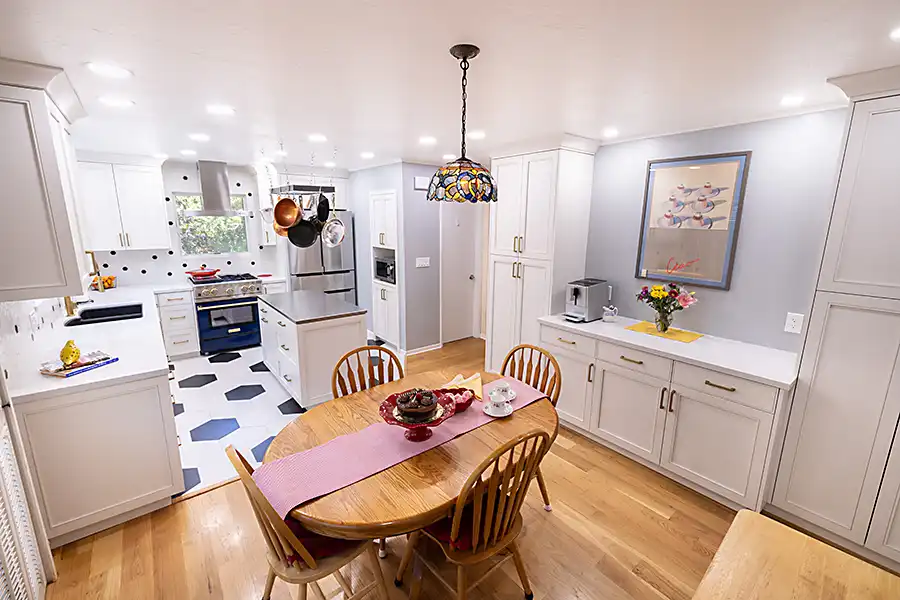
Common Painting Mistakes
When selecting paint colors to make small spaces feel larger, being mindful of these common mistakes can save you time and get you to the right look. Each can impact how open or closed a room feels, so it’s best to plan with care. Below is the checklist for painting mistakes and simple ways to avoid them.
- Check color flow: Using mismatched color schemes can break up a room and make it feel even smaller. Selecting complementary colors makes the room look more fluid and less busy. For example, don’t paint a bold blue wall with soft grays or whites on the other. Too many assertive hues can make the room feel hectic. Instead, rely on a hard accent, such as a single forest green wall with the rest soft and light.
- Test samples in all lights: Not testing paint samples in different lights is a common oversight. Paint can appear quite different in daylight and artificial light. A light grey may appear bluish in the morning and become drab and murky by night. Always sample tests on a few walls and look at them at different times of day. This prevents you from selecting a color that appears nice only in the store.
- Don’t skip the ceiling and trim: The ceiling and trim matter more than people think. Bare or painted the same as the walls, they can make a room feel boxy. A ceiling that is painted in a lighter or complementary color to the walls will appear taller. Trim painted a soft white can outline the space and contribute to the sense of openness.
- Keep stripes and finishes in check: Painting stripes on every wall in a small room can shrink the space. Instead, you’re better off with wide stripes on one accent wall only. A flat finish takes dirt and stains. Matte is best for rooms that are small because it’s easier to clean and lasts longer.
- Mind texture and brightness: Using only flat color with no texture can make the space feel lifeless. Adding texture with a matte paint or wallpaper can create depth. Very bright or strong colors can overpower small rooms. Softer, shaded muted colors tend to feel more open and peaceful.
Conclusion
New paint makes a room feel new, but color selection does more than look pretty. These pale blues, soft greens, and crisp whites help rooms in Concord feel wide and open. Light tones work best when the sun streams in, bouncing color off luminous walls. Paint trim in a lighter tone to pull the eye up and out. Glossy paint bounces more light back in as well. Heavy, dark colors are out if you want a room to breathe. Choose clean lines and keep clutter off the walls. With the right paint and a clever scheme, you can make every room feel more spacious. Looking for more decorating tips for your home? See my blog for more inspiration and real-project stories.
Frequently Asked Questions
1. Which Paint Colors Make Small Rooms Look Bigger?
Soft whites, light grays, and blues tend to make small rooms feel bigger. These hues bounce more light and result in a room that feels lighter and more expansive.
2. How Does Natural Light In Concord Affect Paint Color Choices?
Natural light can alter paint colors throughout the day. In Concord, sunnier rooms might do better with cooler tones to balance the heat, whereas low-lit spaces might prefer warm neutrals.
3. Should Ceilings And Trims Be Painted Lighter Than Walls?
Absolutely — painting your ceilings and trims a lighter color than the walls makes a space feel taller and more open. This easy hack makes any little nook feel airy and open.
4. What Is The Role Of Paint Finish In Making Spaces Feel Bigger?
A matte or eggshell finish minimizes glare and blurs the walls. This can make rooms feel less claustrophobic than choosing a glossy finish, which can emphasize bumps and imperfections.
5. Can Using One Color Throughout A Home Help Small Spaces?
By using just one color or tonal colors throughout, you can achieve that seamless effect. This continuity cuts down on breaks in the space and makes the whole thing feel larger and more connected.
6. What Common Painting Mistakes Make Small Spaces Feel Smaller?
Painting with dark, bold colors or too many contrasting colors can close a space in. Steer clear of busy palettes.
7. How Does Furniture Placement Affect The Impact Of Paint Colors?
Try pulling your furniture away from the walls and opt for lighter-toned pieces to enhance the impact of these light paint colors. This helps the room’s color bounce around and feel larger.
Choosing The Right Contractor For Your Home Remodeling Project
Choosing the right contractor can make the difference between a remodeling project that feels smooth and organized and one that quickly becomes stressful. You’re investing in your home, so the team you hire should bring experience, clear communication, and a process that keeps everything on track from the start.
Homeowners across Contra Costa County, including Walnut Creek, Danville, Lafayette, Orinda, Concord, San Ramon, Moraga, Pleasant Hill, Martinez, and Alamo, often see the best results when they work with a contractor who begins with careful planning. A good contractor will take time to understand how you use your home, what isn’t working, what you want to improve, and how your budget fits into the project.
Many homeowners benefit from working with a design-build contractor, where the same team handles both design and construction. This approach keeps communication clear, decisions moving forward, and the project aligned from concept through completion.
Whether you’re remodeling a kitchen or bathroom, updating living spaces, or improving accessibility, choosing the right contractor helps ensure your renovation moves forward with clarity and confidence. Carey Bros. Design & Build Remodeling works with homeowners across Contra Costa County to guide projects from the first consultation to the final walkthrough. Reach out today to start planning your project.
Disclaimer
The materials available on this website are for informational and educational purposes only and are not intended to provide legal, financial, or professional construction advice. You should consult with a qualified general contractor, architect, or other relevant professionals before making decisions regarding remodeling, construction, or home improvement projects. Don’t act or refrain from acting based on any content included on this site without seeking appropriate professional guidance. The information presented on this website may not reflect the most current building codes, regulations, or industry standards. No action should be taken in reliance on the information provided on this website. We disclaim all liability for actions taken or not taken based on any or all of the contents of this site to the fullest extent permitted by law.