
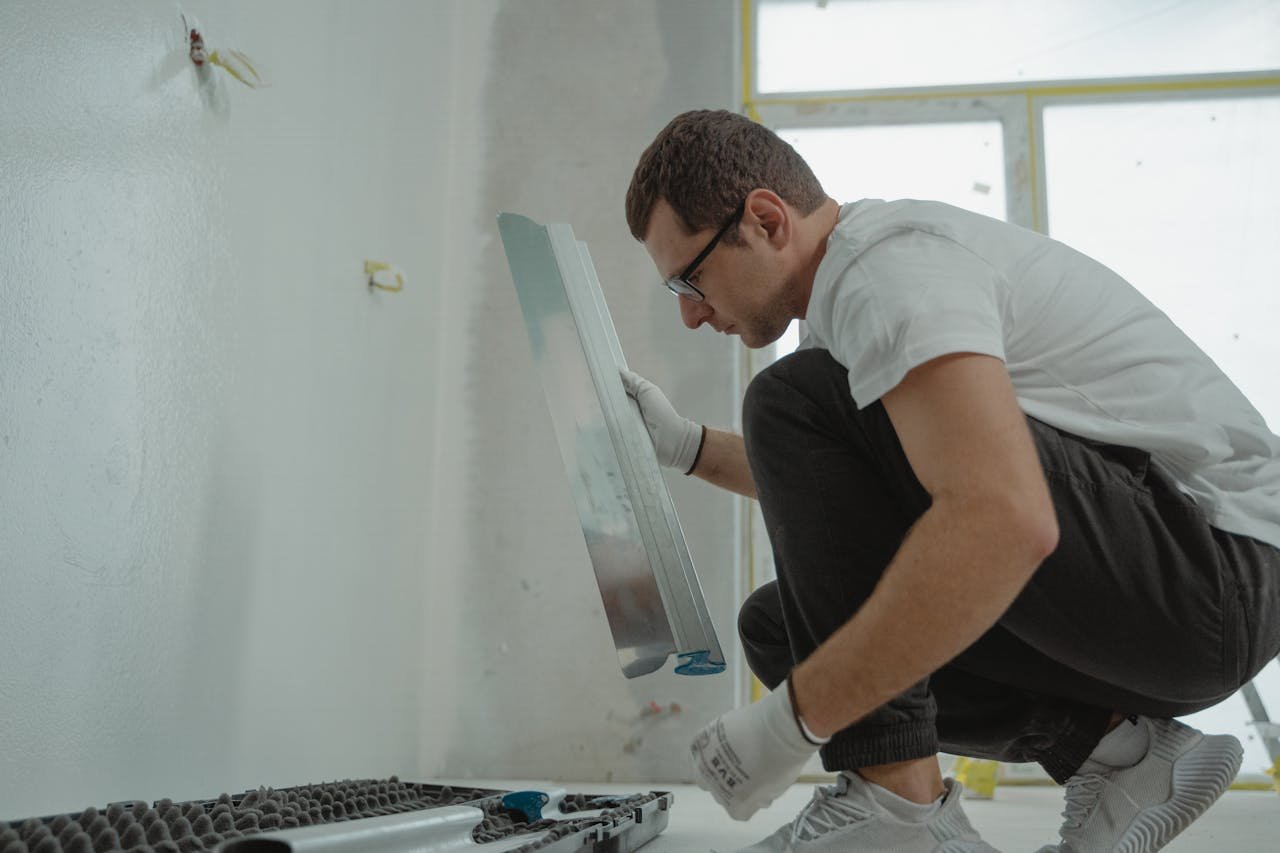
Absolutely, local contractor, historic home in Martinez. Local contractors are usually familiar with the city rules and have experience with older homes that have specialized needs. Historic homes may require unique repairs, such as matching old materials or compliance with stringent building codes. In Martinez, a lot of the contractors collaborate with the city staff to maintain the aesthetics. Certain projects might require city checks or a permit before work can begin. A good contractor will walk you through what to do and assist with the paperwork. If you care to renovate or modify a historic home, working with a local expert can simplify things and ensure you comply with all local regulations. The main post will explain these steps.
Key Takeaways
- Getting local renovation restrictions right is important to steer clear of fines, protect architectural elements, and keep your historic home’s value intact.
- Can I work with a local contractor if I live in a historic home in Martinez?
- As long as you have everything well documented, such as permits, the design, correspondence, and more, it will make the process easier for the authorities and help keep your contractor accountable.
- Consulting local historical societies and authorities offers direction and strengthens your renovation application.
- We’ll find a way to integrate modern comforts in a respectful manner without compromising your home’s historical character.
- Educating yourself about the financial incentives available and adding them to your renovation budget can help you more than offset any project costs and reward your preservation efforts.
Navigating Key Renovation Restrictions
Renovating a historic home in Martinez is like playing in a game with rigid boundaries. No matter if it’s National Register listed or within a protected district, once you change anything, you risk municipal review. Understanding the rules is key to keeping the process smooth and avoiding costly mistakes while preserving the unique value of your property.
Structural Additions
Major alterations, such as creating additional rooms or enlarging your footprint, are subject to strict guidelines. Local zoning regulates how tall you can build, how much of your land you may use, and how close you can build to the street or neighbors. Make sure you work with a contractor who knows historic restoration. They should assist you in determining if your plans adhere to the Secretary of the Interior’s Standards for the Treatment of Historic Properties. Planning ahead helps with obtaining required permits and addressing potential issues before construction begins.
Exterior Materials
Matching original materials is a requirement for most projects. If you have wood siding, brick, or special stone, replacements must look and behave identically. Investigate what materials are permitted by your local preservation office. Let your contractor assist you in sourcing high-quality, authentic supplies. Some choose contemporary, sustainable options, such as reclaimed wood, which are stylish and energy-efficient. Avoid vinyl or aluminum replacements without written approval.
Windows and Doors
Windows and doors are critical. Repair originals whenever possible. If replacement is necessary, choose models that mimic the original type and size. Local preservation groups often provide guides on what is allowed. Ensure any changes align with the aesthetic and comply with city guidelines to avoid losing your home’s historic designation.
Color Palettes
Colors matter. Select paints and finishes that would have been available when your home was constructed. Conservationists or paint experts can assist in finding an appropriate palette. Document your choices for future reference.
Interior Character
Preserve what makes the interior unique—moldings, staircases, and original floors carry historical value. Experienced historic home designers can help integrate modern conveniences without compromising original character. Avoid major wall removals or changes that erase historic details.
Penalties for Non-Compliance
- Daily fines, often hundreds of dollars per day
- Mandatory restoration to original condition at the owner’s expense
- Potential lawsuits, liens, or loss of historic designation
- Ineligibility for tax incentives or grants
Vetting Your Martinez Contractor
Selecting your contractor is the single most important decision you’ll make when you decide to remodel your historic Martinez home. These pre-mid-century homes are full of quirks, vintage materials and stringent code mandates. Contractors who work on them require more than general skills; they need deep knowledge about old construction techniques, local preservation regulations, and how to find the right materials. The table below shows what to check when looking at contractor options:
|
Contractor Name |
Qualifications |
Years Experience |
Past Projects |
Historic Home Experience |
Local Permit Knowledge |
Insurance Status |
|
Smith & Co. |
Licensed Builder, Restorer |
15 |
22 completed |
Yes, 8 homes |
Knows local process |
Yes |
|
Urban Renewal |
General Contractor, Mason |
10 |
16 completed |
Yes, 5 homes |
Limited experience |
Yes |
|
Heritage Works |
Historic Specialist |
20 |
40 completed |
Yes, 25 homes |
Expert in permits |
Yes |
Asking for references lets you verify professionalism and workmanship. Request references from clients with similar homes and tour past projects if available. Vetting Your Martinez Contractor Historic homes require specialized expertise. Look for contractors that can demonstrate projects where they matched old trim, repaired plaster, or installed wood-framed windows. These tests determine whether they can preserve the character and conform to contemporary codes.
Licenses and insurance aren’t checkboxes. They demonstrate the contractor can operate legally and safely and they protect you against accidents. For historic houses, verify whether your contractor is licensed in restoration or heritage work and has insurance appropriate to the risks of older homes, such as concealed damage or lead paint.
Interviewing contractors isn’t just about price. Use this time to vet whether they understand the local review boards, permitting rules, and historic society. Great contractors will know how to deal with slowdowns from additional reviews and have advice for keeping on schedule. Present your vision for the renovation and ask how they would maintain the old look while repairing or modernizing essential elements. A good fit will listen and provide transparent, pragmatic responses.
The Local Approval Gauntlet
Remodeling a historic home in Martinez involves a local approval gauntlet that is detailed, slow and requires a defined plan. Owners need to understand how local regulations operate so the project proceeds seamlessly. Every step from acquiring permits to consulting with historical societies determines the cosmetic and financial timeline of your remodel. These are not mere bureaucratic steps; they preserve the personality of your house and neighborhood.
Permits
Securing permits is the initial major undertaking. Filing on time keeps your renovation on schedule and dodges expensive delays. Prepare for back-and-forth with local offices as they will want more info or changes. Keep these points in mind:
- File each permit application immediately when your plans are firm.
- Copy all of the permits and store them in a safe place, both print and digital.
- Follow up on your application frequently, as a delay in updates can drag things out.
- Hold on to anything for future builds or sales, as prospective buyers and officials will want to see approval.
Design Review
Most historic districts will have a design review. You’ll have to articulate specific plans demonstrating how your changes align with local criteria. One extended sit down with the review board leads to new requests for changes, so be prepared.
Display sharp pictures and specs for your suggested work. Know what your board cares about, such as if you match old styles, use the right materials, or maintain original features. Go to meetings to present your proposals and respond to inquiries. Two-way talk may help the board see your point and can accelerate approval. With good preparation and an open attitude to input, you can avoid additional revision cycles.
Historical Society
Local historical societies may advise or even approve renovations. Their input can make your project better. Hang out at society functions to pick the brains of other owners and specialists. Take advantage of guides and case studies they publish to get a feel for what works.
You can request their assistance, which can be beneficial when addressing city authorities. Other communities provide workshops on repair techniques or selecting quality building materials. It can help you skip rookie mistakes and time. Their guidance may drag at first, but it frequently results in a superior and more enduring outcome.

When you live in a historic home, you’re getting all of the special design features and appeal of a different time. You’re confronted with decisions about how to adapt these older spaces for modern life. A lot of homeowners want to introduce modern conveniences like efficient heating or updated kitchens, but they’re concerned about losing the unique aesthetic that makes their abode special. Historic planning commissions, like Martinez’s for example, understand this. They might permit refreshes as long as it doesn’t damage the core style. If you want to add insulation or upgrade wiring inside your walls, it can make your home warmer and safer without affecting its historic appearance.
It sure helps to understand the distinction between restoring and remodeling. Restoring is returning the home to what it once had been, following old blueprints and photos. Remodeling is transforming them for today’s life. It might mean shifting walls or altering the flow of rooms. They each have their own codes. If you remodel, planning commissions sometimes request you keep the core elements, like windows or doors, authentic to the home’s age. A lot of folks assume that ancient windows are terrible at holding out cold air, but with a little patching and the proper glass, they will perform wonderfully, all while maintaining the home’s allure.
If you’re scheduling work on a historic home, retaining all old papers—such as original blueprints or photos—can assist you and your contractor in making wise decisions. These records tell you what used to be there and can steer both minor repairs and major renovations. They assist planning commissions in realizing that you’re respecting the home’s history. Altering a home’s exterior appearance typically requires specific permission, particularly if it modifies the street view. Making large-scale style changes without this will get you into trouble with local ordinances.
We sacrifice certain comforts living in a historic home. Tiny bathrooms, low ceilings, or cramped stairs abound. Smart design and careful workmanship can mix new and old, where you get better use of space without losing what makes your house your home. Employing recycled or eco-friendly materials, or retaining as much of the old as possible, pulls your home into the 21st century.
Beyond the Blueprint: The Unspoken Rules
Historic homes in Martinez exist at the intersection of individual vision and shared history. Working with a local contractor goes beyond building codes; it’s about mixing your vision with the community’s vibe. Community standards count. Residents care about the aesthetic of their streets and any modification can attract scrutiny. Trust isn’t built on permits alone; it’s built on hearing local concerns, sharing your vision, and demonstrating flexibility. At least initially, most triumphs start by chatting with neighbors, telling them what you’re doing, and expressing that you respect the neighborhood’s collective legacy. Occasionally, local officials or preservation groups request modifications to preserve historic significance. Adaptability is critical. Adjusting to feedback, not resisting, tends to result in easier approvals and more enthusiastic community backing.
Document Everything
Maintain meticulous records from the beginning. Beyond the blueprint: the unwritten rules. Save all iterations of your plans, meeting notes, and written approvals. These papers are crucial if issues or conflicts emerge down the road. As the work commences, record all changes and updates, however minor, to the original plan. This habit will not only keep you organized, but it will demonstrate your dedication to transparency.
Photographs are potent. Take obvious before and after pictures, but capture progress at every significant phase. Photos simplify describing your project to new contractors, officials, or future owners. Over time, a renovation portfolio of plans, approvals, notes, and photos becomes an invaluable asset. It shows respect for history and planning, which can help you gain trust in future projects.
Understand the Story
Understanding your home’s history informs smart choices. Investigate its original blueprint, important historical moments, and special characteristics. This insight allows you to mentor contractors toward decisions that respect history. Communicate your discoveries back to all stakeholders so the project team knows why things are important.
Adding those historic touches, period-appropriate finishes or restoring original details reflects that you respect your property’s story. Educate friends, neighbors and even laborers about the importance of the home. The more folks are in the know, the more they’re likely to support and admire your revolving door.
Build Relationships
Begin by meeting with local contractors and preservationists. Tight working connections facilitate cooperation and help you problem-solve quicker. Connect with other historic homeowners. They have tips or connections that will help you shortcut your efforts.
Connect with government planners and preservation staff. Establishing goodwill in advance can help with approvals down the line. Participate in community activities. These are excellent opportunities to demonstrate your interest in the community’s future and to connect with other historic preservation supporters.
Uncovering Financial Incentives
If you own a historic home in Martinez, you can explore a lot of financial incentives that can help counterbalance the expense of working with a local contractor to renovate or restore your house. These incentives are meant to assist you in maintaining the distinctive personality of your residence while relieving tension on your wallet. Below is a summary table showing the most common options available for historic homeowners:
|
Incentive Name |
Description |
Eligibility |
Key Benefit |
|
Mills Act |
Tax relief for owners of historic buildings who agree to keep and fix the property’s historic nature for at least 10 years. |
Property must be a qualified historic building in California; contract lasts 10 years, auto-renewed, and stays with the property after sale. |
Property tax savings based on Income Approach rather than standard Market Approach. |
|
20% Rehabilitation Tax Credit |
Federal credit for fixing up National Historic Landmarks, properties on the National Register, or those in certain districts. |
Building must be income-producing; project cost must top $5,000 or the building’s adjusted basis; only for listed or contributing buildings. |
20% credit of qualified rehab costs, lowering overall tax bill. |
|
Local Preservation Grants |
Various grants from local groups or city programs for specific restoration work. |
Varies by location and fund; often tied to local preservation goals. |
Direct funding for repairs, upgrades, or studies. |
Tax incentives play a starring role in your remodel scheme. California’s main program is the Mills Act, which provides robust property tax relief if you agree to maintain and repair your home’s historic appearance. Your property’s value is determined through the Income Approach, which can provide tangible savings annually. These contracts are 10 years, auto-renew and passed to new owners, so the advantage is enduring. Local governments support the Mills Act because it preserves resources, revitalizes aging neighborhoods and fosters community pride.
Another big weapon is the 20% Rehab Tax Credit. This is for buildings that are National Historic Landmarks or in the National Register and must be work used to generate income. To obtain this credit, your project cost must exceed $5,000 or the building’s adjusted basis, the greater of the two.
You’re wise to contact some of the preservation groups in Martinez. They often know of city grants or programs intended specifically for your locality. A good budget incorporates contractor estimates and accounts for these incentives, which can shift your out-of-pocket costs and enable you to do more with your plans.
Conclusion
Clear steps stand out for working with a local contractor in a historic Martinez home. Know the regulations, vet your contractor, and be upfront with the city. Local rules can drag work, but patience yields good results. Many homes maintain their character and still address new requirements. Some owners discover unexpected expenses, while others receive land grants or tax incentives. Every job requires trust between yourself, the builder, and the city. Question them about past jobs, review plans, and communicate frequently. Keeping open and requesting aid can make difficult steps easier. Every old home has a history. Lead, inquire, and post your own victories or insights to others in your boots.
Frequently Asked Questions
Can I hire a local contractor to renovate my historic home in Martinez?
About: Can I hire a local contractor if I’m in a historic home in Martinez? Make sure to pick one that has experience with historic properties and local regulations.
What restrictions apply to renovating historic homes in Martinez?
Renovations must adhere to specific guidelines to preserve the home’s historic attributes. Local historic preservation boards frequently need approval.
How do I find a qualified contractor for a historic home renovation?
Seek out contractors who have demonstrated experience with historic renovations. Verify their experience with historic homes by checking references, licenses, and past projects to confirm they are familiar with preservation standards.
Is city approval needed before starting work on a historic home?
Absolutely, you typically require the city or local preservation commission’s approval. This guarantees that any renovations comply with the law and historical regulations.
Can I add modern amenities to my historic home?
Can I work with a local contractor if I live in a historic home in Martinez? Work with your contractor to strike a balance between updates and preservation.
Are there financial incentives for restoring historic properties in Martinez?
Many local and national programs provide grants or tax credits for approved historic renovations. Check with local authorities for up-to-date opportunities.
What are some unspoken rules when working on a historic home?
Trust and honor the home’s original character. Seek local professionals. Document all changes and use original construction materials when possible.
Choosing the Right Contractor for Your Home Remodeling Project
Choosing the right contractor can make the difference between a remodeling project that feels smooth and organized and one that quickly becomes stressful. You’re investing in your home, so the team you hire should bring experience, clear communication, and a process that keeps everything on track from the start.
Homeowners across Contra Costa County, including Walnut Creek, Danville, Lafayette, Orinda, Concord, San Ramon, Moraga, Pleasant Hill, Martinez, and Alamo, often see the best results when they work with a contractor who begins with careful planning. A good contractor will take time to understand how you use your home, what isn’t working, what you want to improve, and how your budget fits into the project.
Many homeowners benefit from working with a design-build contractor, where the same team handles both design and construction. This approach keeps communication clear, decisions moving forward, and the project aligned from concept through completion.
Whether you’re remodeling a kitchen or bathroom, updating living spaces, or improving accessibility, choosing the right contractor helps ensure your renovation moves forward with clarity and confidence. Carey Bros. Design & Build Remodeling works with homeowners across Contra Costa County to guide projects from the first consultation to the final walkthrough. Reach out today to start planning your project.
Disclaimer
The materials available on this website are for informational and educational purposes only and are not intended to provide legal, financial, or professional construction advice. You should consult with a qualified general contractor, architect, or other relevant professionals before making decisions regarding remodeling, construction, or home improvement projects. Don’t act or refrain from acting based on any content included on this site without seeking appropriate professional guidance. The information presented on this website may not reflect the most current building codes, regulations, or industry standards. No action should be taken in reliance on the information provided on this website. We disclaim all liability for actions taken or not taken based on any or all of the contents of this site to the fullest extent permitted by law.