
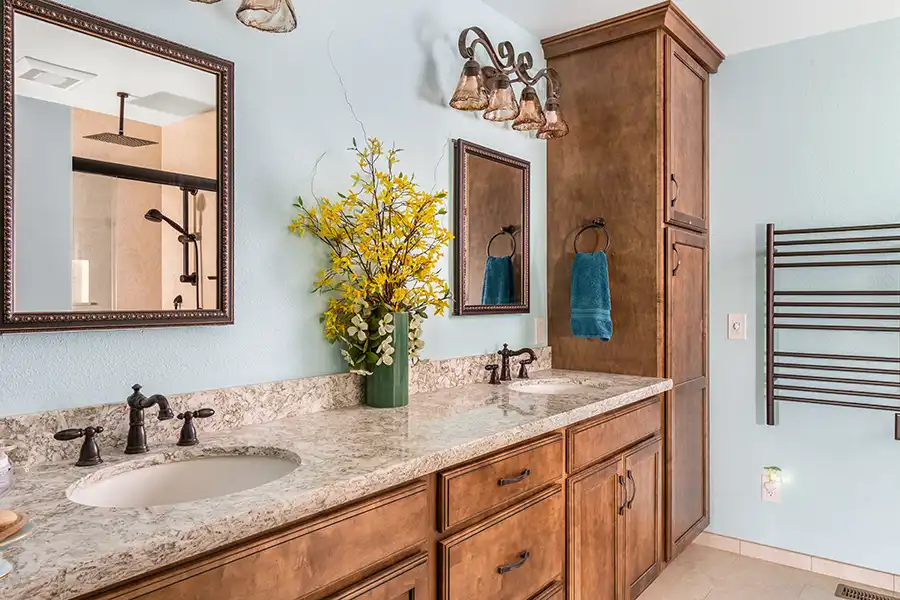
Aging-in-place homes in Danville are all about easy movement, safe features, and smart tech. Open floor plans, wide doorways,s and barrier-free showers assist individuals in mobility without concern. Non-slip floors and proper lighting make rooms safer for all ages. Many houses incorporate grab bars in bathrooms and lever handles on doors for easy operation. Smart home tech, such as voice controls and motion-sensor lights, provides additional independence and convenience. Outdoor ramps, zero-step entries, and lower counters make homes fit changing needs. To make homes inviting and practical, many builders collaborate with medical professionals and employ adaptable floor plans. In the main story, we detail each trend with actual examples and actionable tips for Danville homes.
Key Takeaways
- Integrated technology, including smart home systems and health-monitoring devices, can support independence and safety by automating tasks and making the home more accessible.
- Including biophilic design, such as natural light, greenery, and outdoor living areas, adds well-being, a connection to nature, and a tranquil feel to your home.
- Designing flexible, multi-functional spaces means homes can accommodate residents’ evolving needs, making them more comfortable and functional.
- Seamless transitions, with open floor plans, wide doorways, and curbless showers, help enhance mobility and safety around the home.
- Sustainable living strategies, such as energy-efficient appliances and eco-friendly materials, reduce environmental impact and utility expenses. These strategies support both residents and the wider community.
- Thinking ahead, aligning with local building codes, and respecting the community vibe are all crucial in designing Danville aging-in-place homes.
Top Aging-In-Place Design Trends
Aging-in-place homes in Danville and communities around the world center on combining independence, comfort, and safety with functional, contemporary design. Top aging-in-place design trends. The best solutions fuse splashy smart tech, spaces that transform, and accessible layouts so homes continue working for years. Each of them demonstrates how selective design can enhance everyday living and sustainability.
Integrated Technology
Smart home features are key for safety and ease. From automated lighting to video doorbells and voice assistants, smart home devices empower residents to manage their environment with minimal effort, simplify tasks, minimize strain,n and assist those with limited mobility. Video doorbells and smart locks enhance security, and smart thermostats maintain comfort and energy efficiency.
Health-monitoring devices monitor vitals or prompt residents to take medication. Simple interfaces, like large touch screens or voice controls, allow older adults to more easily use these features. Automation for daily activities, like opening blinds or turning on lights, reduces physical effort and enables individuals to remain self-sufficient.
Biophilic Design
Natural light boosts mood and well-being. Large windows and skylights are typical. These spaces utilize wood, stone, and soothing colors to create calming rooms. Adding indoor plants looks great and purifies the air.
Outdoor patios, decks, or gardens inspire time in nature. These spaces can be crafted to be highly accessible and low-maintenance, allowing residents to safely experience the outdoors. The connection to nature bolsters mental health and beckons calm.
Flexible Spaces
Aging-in-place homes use dual-purpose rooms. For instance, a guest room can convert into a home office or hobby room if requirements shift. Furniture on wheels and open floor plans simplify space reconfiguration as needed.
With built-in storage and pull-out shelving to keep rooms tidy without crowding them. Flexible design makes homes function well and requires change, so homeowners do not have to relocate or remodel as frequently.
Sustainable Living
Energy-smart appliances trim bills and save the globe. Insulation and ventilation increase comfort and reduce expenses. Water-saving fixtures and sustainable materials make the home more durable and eco-friendly.
Danville’s Unique Influence
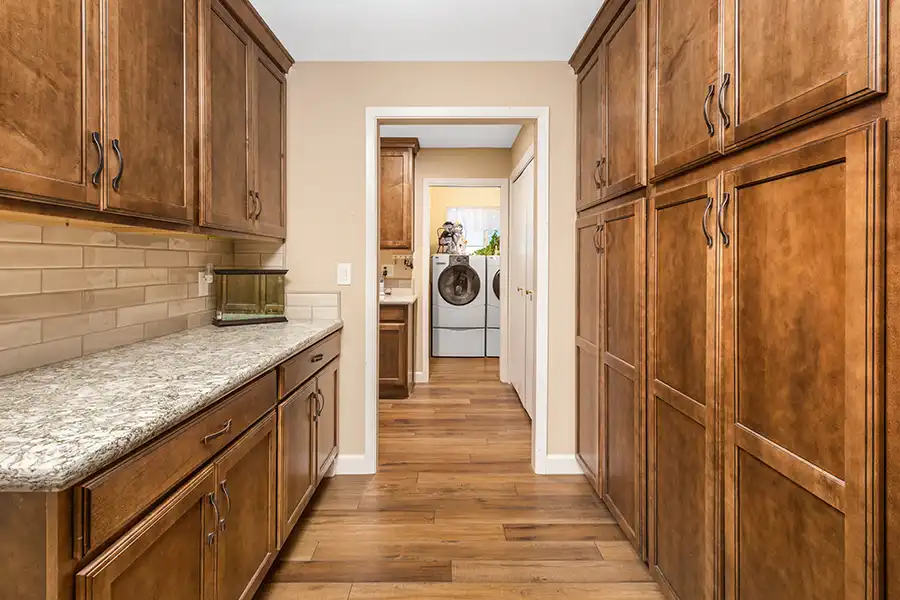
Danville’s spin on aging-in-place design is notable for its elegant blend of warmth and grace and hometown flair. The town’s mild climate, community-minded spirit, and attention to detail shape the way homes are remodeled for seniors. There’s an understandable focus on pragmatic updates and intelligent automation, but with just as much regard for beauty and community goodwill.
Community Aesthetics
Danville’s homes have a distinct sense of place. Remodels don’t stop at the inside; the outside is just as important. Owners and neighborhood architects collaborate to keep exteriors in sync with the neighborhood’s look, often in earthtone colors and materials that match other houses in the close vicinity. Landscaping is never an afterthought. Native plants, stone paths, and coordinated plantings increase curb appeal and the neighborhood community. Colors generally reflect the local hills and seasonal leaves, lending each home a natural and timeless feel. Before significant modifications, most residents consult with neighbors to ensure new designs blend in and help foster neighborly connections.
Building Codes
Want to meet local codes? Danville’s codes tend to demand broad hallways, no-step entrances, and robust grab bars, all of which facilitate aging-in-place objectives. Universal design elements, such as lever handles, curbless showers, and switches positioned for convenience, are de rigueur for comfort and code. Homeowners tend to employ certified local contractors who are intimately familiar with Danville’s rigorous code. Safety first, as always. Good lighting, slip-resistant flooring,g and strategically placed grab bars aren’t fancy upgrades; they’re code necessities.
The Future-Proofing Mindset
In other words, a future-proofing mindset is about constructing residences that adapt with their residents. That’s more than choosing hardy woods or energy-efficient lightbulbs. It’s the future-proofing mindset — thinking long-term and creating spaces that remain functional as kids grow or new tech emerges. Central to this is ensuring each space can adapt to new requirements, whether that’s additional safety elements or opening up rooms to facilitate easier navigation. Good lighting, open walkways, and smart layouts all help keep homes safe and comfortable, even as eyesight fades or mobility shifts. Thinking about wellness — from mental health to social ties — counts when future-proofing.
Proactive Planning
Taking stock of future mobility comes first. Single-level living makes it easier for everyone to get around, reducing the hazards of stairs and steps. Adaptable spaces allow a guest room to be converted into a caregiver’s suite if necessary. Good plans ensure kitchens and bathrooms are secure, featuring wide paths and accessible counters.
- Single-level floor plans
- Wide hallways and doorways
- Step-free entries and thresholds
- Lever-style door handles
- Curbless showers and grab bars
- Adjustable counters and shelves
- Non-slip floors with even surfaces
By enumerating these characteristics, designers can identify holes up front. It staves off expensive repairs down the road and ensures rooms remain secure and inviting.
Phased Renovations
Phased renovations split up large projects, which makes them easier to control. Upgrades begin with the most urgent necessities, like safer bathrooms or improved lighting for low vision. Later, homes can transform more, such as opening up living spaces or installing ramps. This approach amortizes expenses and allows homeowners to continue residing in their home throughout the construction.
A phased approach means updates can accommodate new tech or new health needs as time goes on. Designers who understand phased planning can assist you in balancing short-term patches and long-term objectives, ensuring that every step delivers added value without squandering dollars.
Investment Value
Choosing the right finishes and upgrades keeps houses valuable. Good stuff lasts longer and doesn’t need as much fixing. Energy-efficient windows and insulation reduce bills and appeal to sustainability-conscious buyers. Buyers want homes that are ready for new tech and easy to keep updated according to market trends.
- Durability: Materials like engineered wood or quartz resist wear and last for decades.
- Flexibility: Modular cabinetry and movable walls allow rooms to shift roles as needed.
- Energy Savings: LED lighting, solar panels, and smart thermostats lower ongoing costs.
- Universal Appeal: Step-free entries and open layouts make homes fit for anyone and boost resale.
| Feature | Benefit |
| Curbless shower | Easy entry for all, lowers fall risk |
| Wide doorways | Fits wheelchairs, strollers, and walkers |
| Smart lighting | Improves visibility, adjusts as needed |
| Step-free entry | Safer for kids, the elderly, and deliveries |
| Adjustable counters | Meets the needs of all ages and abilities |
Balancing Function And Style
Creating homes for aging in place is about balancing functionality with style. It’s not just the ramps or wide doors; it’s about crafting a space that functions and looks fantastic. Every nook counts. A home should aid daily life, not battle against it. Zero-entry showers, for example, are stylish and functional. Because it’s curbless, anyone can just step right in, reducing fall risk and maintaining that crisp, clean, open bathroom aesthetic. Incorporating a built-in bench in the shower allows bathers to sit, which is functional and still chic, particularly when combined with contemporary tiling and glass.
Furniture and decor selections have to fulfill more than one objective as well. For an inflexible individual, a solid armchair assists in rising and sitting. Its material and form can correspond to the rest of the space. Rounded-edge tables, pull-out rather than swinging storage spaces, and grab-friendly handles all contribute to safety without feeling like medical equipment. Even bathroom grab bars can be of the same metal finish as faucets, virtually disappearing into the design. Open shelving or pull-down cabinets in the kitchen keep things easy to grab and can look chic, flanked by minimal lines and neutral hues.
Flexible layouts are the secret. One open-plan living space reduces the number of trips up and down steps. Single-level homes are ideal, but if not possible, locate the most-used rooms on the main floor. Try to keep the kitchen triangle—sink, stove, fridge—quite close together to reduce steps and strain. Quality task lighting assists safety, but it can also establish a cozy ambiance, particularly in the form of smart bulbs that dim at the tap or voice command. Balancing function and style. Smart home tech like motion-activated lights or door sensors makes life easier without making the space feel cold or robotic.
Comfort and ease of use should inform every decision. Put switches and outlets within reach from either a sitting or standing position. Choose lever handles instead of knobs for doors and faucets. Maintain wide, clutter-free walkways. These moves make homes safer and keep them warm and stylish.
Smart Home Integration
Smart home integration has become a staple of new home design, particularly for aging-in-place living. These smart solutions assist in simplifying, securing, and customizing everyday life. They provide both peace of mind and practical assistance. A majority of Americans view smart home integration as a smart investment, not just for convenience but for aging in place as well.
Smart home integration, such as systems that increase safety and convenience, is popular among seniors. With options such as remote-controlled lighting, thermostat control, and video doorbells, seniors can control their home with just a tap or even from a distance. Smart locks and alarm systems create an additional layer of protection, providing residents and their families peace of mind that their home is protected. These can be incorporated into the house from the beginning, so they blend in with no additional mess. Other owners claim these tools make the home inviting and secure, even for singles.
Voice-activated technology is a game-changer for anyone looking to keep it simple. With voice assistants, users can turn on lights, set reminders, or call family—all without lifting a finger. This comes in handy for anyone with mobility or vision impairments. For instance, telling it “turn on the hallway light” or “call my son” can truly be life-changing. These voice experiences are easy to update, allowing them to remain valuable as needs evolve or new choices emerge.
Monitoring systems provide an additional safety net by monitoring for falls, tracking activity, or alerting if something appears amiss. These systems can notify caregivers immediately if assistance is required, all without compromising the resident’s privacy. Smart sensors can monitor air quality, leaks, or even the stove. Such updates keep little problems from becoming big dangers.
Designers have started to organize spaces so the tech can evolve as new devices are released. In other words, wiring, outlets, and even Wi-Fi are all constructed such that it’s simple to swap in new smart gadgets. As the tech improves, these homes can keep up without a full remodel. There are energy-saving tools, such as smart thermostats and lights, which not only help cut costs but also make the home run better.
Overcoming Retrofitting Challenges
Retrofitting homes for aging in place presents a series of practical and technical challenges that require thoughtful consideration. For numerous homes, particularly those constructed decades ago, there are myriad underlying problems, such as outdated wiring, flimsiness, or outdated plumbing. These conditions tend not to materialize until work gets underway, which is why each project is unique and can sometimes be more challenging than anticipated. The key struggle typically comes in retrofitting new systems, such as automated lighting or voice command hubs, into existing infrastructure without disruption or replacement. Homeowners get into trouble with retrofitting smart home technology. Older electrical systems might not handle new devices, so upgrades can require rewiring or even new panels, adding to both cost and duration.
One smart strategy is to work with contractors who focus on aging-in-place retrofitting. These specialists transfer insights from former positions and frequently detect issues before they expand. They can recommend products and approaches that mesh nicely with vintage homes. For instance, slip-resistant flooring can be laid over existing flooring, and lever-style door handles can be installed in place of knobs without significant alteration to the doors themselves. Contractors can navigate homeowners through the labyrinth of codes and permits accompanying structural changes, ensuring safety standards are upheld.
Cost is another big issue. Even small retrofits can add up, so it’s wise to stage upgrades. Begin with the most critical modifications, such as making doorways wider for wheelchair access or installing bathroom grab bars. Reserve more sophisticated upgrades, like full home automation, for the future when the budget permits. This approach controls costs and stress.
Retrofitting can turn daily life upside down with noise, dust, and inaccessible rooms. Transparent, upfront communication among homeowners, architects, and contractors assists in establishing appropriate expectations and reducing surprises. Retrofitting is an opportunity to enhance energy efficiency, which can reduce bills in the long run. Window upgrades, LED lighting, and better insulation are all brilliant measures that deliver.
| Challenge | Strategic Solution |
| Hidden structural damage | Pre-project inspections, hire experienced contractors |
| Outdated electrical systems | Upgrade wiring, use compatible smart devices |
| Integration with existing systems | Use modular upgrades, consult specialists |
| Budget limitations | Prioritize high-impact modifications, plan for future phases |
| Project disruptions | Set clear schedules, communicate regularly with all involved |
Conclusion
Aging-in-place design in Danville is unique in its combination of innovative concepts with local style. Homeowners now toss in grab bars, zero-step entries, and wider halls as second nature, but blend them beautifully with clean lines and warm finishes. Simple tweaks like lever handles or slip-free floors keep people safe and moving with ease. Smart tech, like voice lights or remote door locks, keeps daily life easygoing. Danville’s mix of old and new homes presents some hard-to-solve fixes, but new tools and talented craftsmen provide great solutions for modernizing. Design for aging-in-place homes in Danville. To plan well, start small, consider what you will need in the next year or two, and consult experts who have experience with these types of projects. Follow along for design tips and real-life stories of homes that grow with you.
Frequently Asked Questions
1. What Are The Most Popular Aging-In-Place Design Trends In Danville?
Open floor plans, no-step entries, wider doorways, lever-style handles, and non-slip flooring are all top trends. These elements enhance security and make homes age-friendly.
2. How Does Danville’s Culture Influence Aging-In-Place Home Design?
Danville’s emphasis on community, safety, and family lifestyles inspires designs that mix coziness, accessibility, and elegance. Homes provide flexible spaces and contemporary style for multigenerational living.
3. Why Is Future-Proofing Important In Home Design For Aging-In-Place?
Future-proofing assists homeowners in anticipation of potential mobility shifts. Installing grab bars, walk-in showers, and adaptable lighting, for example, provides long-term comfort and mitigates renovation costs down the line.
4. How Can I Balance Function And Style When Designing An Aging-In-Place Home?
Select fixtures and finishes that are safe and nice-looking. Fortunately, a new generation of products seamlessly blends accessibility with aesthetics, so you don’t have to choose between good looks and security.
5. What Smart Home Technologies Support Aging-In-Place?
Smart lighting, voice-activated assistants, remote-controlled thermostats, and security systems enable residents to control their homes safely and independently, enhancing comfort and peace of mind.
6. What Are Common Challenges When Retrofitting Homes For Aging-In-Place?
Retrofitting can mean everything from structural changes to budget restrictions or matching existing decor. If you prioritize the right upgrades and work with experienced professionals, these challenges can be overcome.
7. Are Aging-In-Place Design Improvements A Good Investment?
Yes, they make for good home value and marketability. They enable residents to live in comfort and independence for longer, preventing future health care and relocation expenses.
Choosing The Right Contractor For Your Home Remodeling Project
Choosing the right contractor can make the difference between a remodeling project that feels smooth and organized and one that quickly becomes stressful. You’re investing in your home, so the team you hire should bring experience, clear communication, and a process that keeps everything on track from the start.
Homeowners across Contra Costa County, including Walnut Creek, Danville, Lafayette, Orinda, Concord, San Ramon, Moraga, Pleasant Hill, Martinez, and Alamo, often see the best results when they work with a contractor who begins with careful planning. A good contractor will take time to understand how you use your home, what isn’t working, what you want to improve, and how your budget fits into the project.
Many homeowners benefit from working with a design-build contractor, where the same team handles both design and construction. This approach keeps communication clear, decisions moving forward, and the project aligned from concept through completion.
Whether you’re remodeling a kitchen or bathroom, updating living spaces, or improving accessibility, choosing the right contractor helps ensure your renovation moves forward with clarity and confidence. Carey Bros. Design & Build Remodeling works with homeowners across Contra Costa County to guide projects from the first consultation to the final walkthrough. Reach out today to start planning your project.
Disclaimer
The materials available on this website are for informational and educational purposes only and are not intended to provide legal, financial, or professional construction advice. You should consult with a qualified general contractor, architect, or other relevant professionals before making decisions regarding remodeling, construction, or home improvement projects. Don’t act or refrain from acting based on any content included on this site without seeking appropriate professional guidance. The information presented on this website may not reflect the most current building codes, regulations, or industry standards. No action should be taken in reliance on the information provided on this website. We disclaim all liability for actions taken or not taken based on any or all of the contents of this site to the fullest extent permitted by law.