
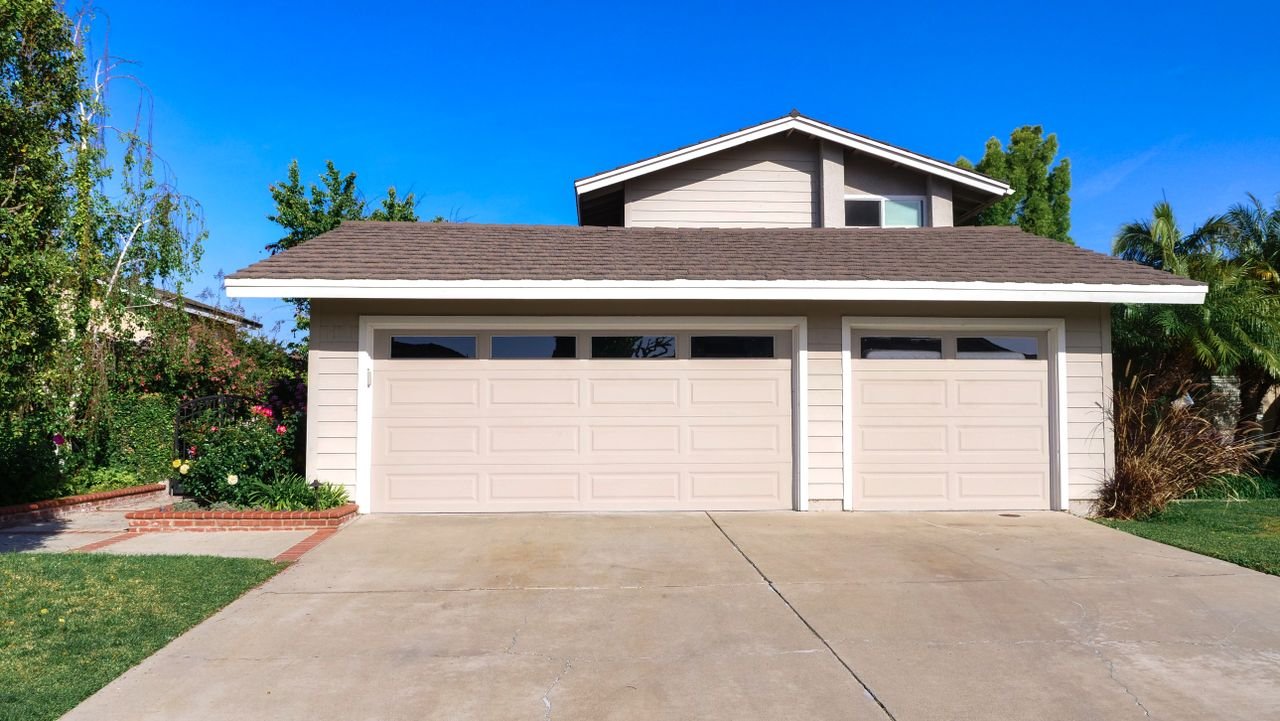
A garage conversion in Pleasant Hill can be a smart investment when it adds usable living space and aligns with local market demand. Recent sales data shows stronger per-square-meter returns for homes with an extra bedroom or home office, particularly close to transit and good schools. Costs vary by scope. Basic finishes and electrical work start lower. Full insulation and plumbing add more. Permit rules and neighborhood covenants influence timelines and allowable uses. Energy upgrades and accessible design increase long-term value and decrease operating expenses. For owners seeking to rent or sell within five years, estimates of value and local comparisons help inform decisions. The meat covers permits, costs, expected returns, and real-world examples.
Key Takeaways
- Garage conversions in Pleasant Hill usually add livable square footage and may add resale value if completed to code and market standards. Consider the loss of dedicated parking, which could be a turn-off to certain buyers.
- Converted to a legal ADU, you’re producing rental income that accelerates the payback. Estimate your monthly rent versus your total conversion costs, including permits and utility upgrades.
- If you are able to control costs by choosing a simple conversion with inexpensive but efficient materials and skilled labor, it usually has a lower cost per square meter than new construction. High-end finishes and compliance increase appraisal value.
- Local zoning, permits, and building codes govern whether a conversion is allowed, impact timeline and cost, and heavily impact long-term legality, insurance, and resale potential.
- Make your ADU a smart investment in Pleasant Hill by designing for flexibility and broad market appeal. Think natural light, proper egress, insulated walls, and convertible layouts so the space can serve as an ADU, a home office, or a guest suite over time.
- Plan for post-build impacts on insurance, property taxes, and storage needs by documenting permits and inspections, budgeting for higher premiums or assessments, and creating alternative storage or partial conversion solutions.
The Pleasant Hill Verdict
Pleasant Hill’s market quite generously compensates practical, well-permitted improvements like garage conversion projects. A garage conversion can transform a home from average to significantly more functional, enhancing overall home value and providing valuable living space.
1. Property Value
A well-done garage conversion can often achieve similar sale prices as homes that have a plain ol’ garage, especially in markets where additional living area is valued. Taking away a reserved parking space can dissuade certain buyers, particularly two-car families, which is why conversions that retain at least one covered space seem to maintain more value. Recent garage conversion projects in Pleasant Hill show varied returns: modest finishes may yield low single-digit price bumps, while high-quality ADUs with separate access and compliant systems have pushed sale prices up by mid-single digits. Appraisers give a lot of weight to code compliance, insulation, plumbing, and electrical improvements. A professionally finished, permit-backed unit shows up in valuation models more positively than an informal garage conversion project.
2. Rental Income
Pleasant Hill verdict: converting to a legal ADU unlocks steady rental income, with the average garage conversion cost providing a solid return on investment. Pleasant Hill’s rents for small studios are pretty fierce. By amortizing conversion expenses across anticipated rental years, payback horizons are commonly five to twelve years, varying by finish level and occupancy. A strong local rental market minimizes vacancy risk and underpins short and long-term rates. Garage conversion ideas that maximize attractiveness include private entrances, completely separated utilities, and modular kitchen and bath packages that comply with local ADU regulations.
3. Market Desirability
Buyers here like flexible space. Finished garages that read as bright, climate-controlled rooms score well. A sealed garage door swapped for insulated walls and windows, an additional bedroom, or a dedicated home office all boost marketability. Local housing dynamics, such as smaller household sizes and remote work, support the appetite for garage-conversion ideas. Garage conversions, as opposed to traditional additions, deliver quicker timelines with less disruption, although they may have a higher overall conversion cost.
4. Lifestyle Gain
Conversions deliver immediate lifestyle benefits, providing valuable living space for multigenerational suites, gyms, studios, or offices. Carey Bros. Remodeling helps families gain usable square footage without major lot work, making these garage conversion projects flexible as needs evolve from playroom to rental flat.
5. Cost Efficiency
Average garage conversion costs tend to be cheaper per square foot than ground-up additions. Key costs include permits, framing, insulation, HVAC tie-ins, plumbing, electrical, and finishing, making converted garages a smart conversion option for additional living space.
Decoding Conversion Costs
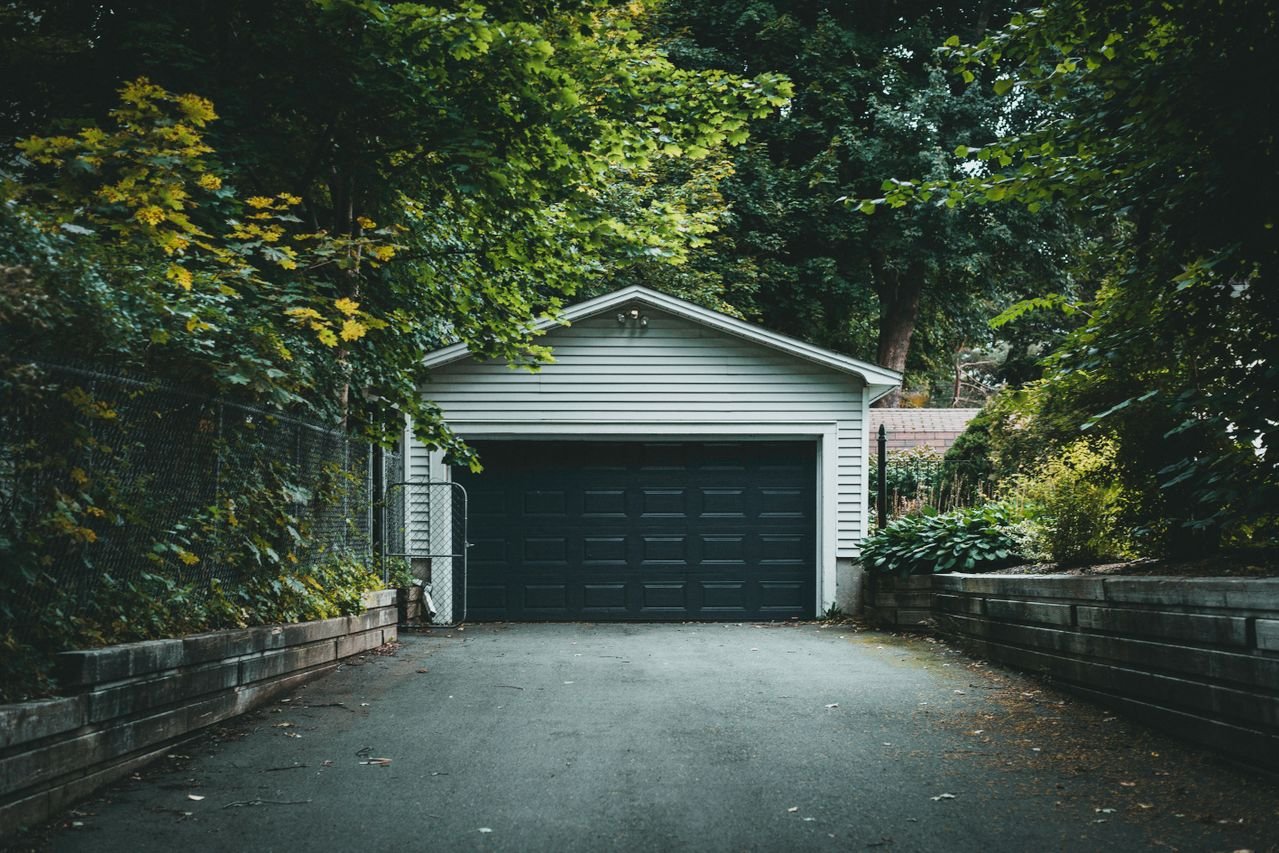
Pleasant Hill garage conversions can vary significantly in price due to factors like scope, site, and permitting requirements. Understanding the average garage conversion cost is essential for planning your garage conversion project, and we provide a breakdown of cost drivers to help estimate your garage conversion budget.
Permits
You need permits to convert a garage into legal living space. They ensure that zoning, egress, fire safety, and habitability rules are followed. Typical permit fees in Pleasant Hill run from roughly $300 to $2,000 depending on project size and valuation, along with separate plan-check and inspection fees that can add up to another $200 to $800. Inspections occur at framing, mechanical, electrical, plumbing, and final stages. Missing one can require expensive rework.
Local residential codes can extend timelines, as plan approvals can span weeks, and conditional approvals may necessitate structural plans from a licensed engineer, increasing design expenses. Skipping permits invites city fines, mandated demolition, and headaches during a sale, like held-back loans or reduced appraisals.
Materials
Material costs vary based on quality and the purpose of the room. Basic insulation, mid-range vinyl plank flooring, a standard egress window, an interior door, drywall, and paint can run about 6,000 to 12,000 USD for a standard single-car garage. Premium spray-foam insulation, hardwood floors, double-pane low-E windows, and custom cabinetry increase that to over 20,000 USD.
Some of the key essentials for a code-compliant bedroom conversion include an egress window, insulating walls and ceiling to local R-values, smoke and carbon monoxide detectors, and finished flooring. For a utility or studio, include ventilation, moisture barriers, and potentially a dedicated HVAC mini-split. Energy upgrades like upgraded windows and insulation add 10 to 30 percent to upfront costs but bring down operating costs.
Labor
Employing a licensed contractor usually runs 40 to 60 percent of the project’s worth. The average labor for a simple conversion runs between 8,000 and 18,000 USD, while full ADU conversions tend to reach labor costs between 20,000 and 60,000 USD based on trades required. Specialized trades include electricians for rewiring and new panels, plumbers for bath and kitchen hookups, carpenters, and structural engineers for foundation, framing, and roof tie-ins.
A DIY approach could reduce labor costs at the expense of increased risk and time. Complex work, such as electrical, plumbing, or structural modification, typically warrants the assistance of licensed professionals. Partial projects, such as walls only, have fewer labor hours than full ADUs with new plumbing and HVAC. While the craftsmanship may result in fewer callbacks and prolonged life for the space, it benefits the total cost of ownership.
Navigating Permit Requirements
Pleasant Hill needs to actually look at zoning regulations and building code requirements before permitting a garage conversion project to create valuable living space. The summary below outlines what to verify, frequent errors, and an actionable checklist to obtain approvals and succeed in inspections.
Zoning Laws
Local zoning specifies uses permitted per lot and whether ADUs or primary living spaces can encroach into former garage footprints. The garage conversion cost can be influenced by ADU-permitting zones that typically have caps on total lot coverage and floor area ratio, which may prevent a garage conversion without modifications. Parking regulations might mandate that one or two off-street spaces must remain. If the garage eliminates mandatory stalls, you could be forced to offer on-site substitutes or obtain a waiver. Setbacks from property lines seldom vary with a conversion, so check side and rear yard clearances and height restrictions if you add a second story or roofline modifications. Minimum habitable square footage rules are relevant for the legal classification of bedrooms, with many jurisdictions setting 7.0-9.0 m² (75-100 ft²) as a bedroom minimum and ceiling height minimums being zoning-adjacent.
To apply for a variance, bring plans, a site survey, and a statement of hardship to the planning department. They publish a notice, and you get a hearing. Variances can permit less parking, incursion into setbacks, or ease floor area limits. They introduce delay and expense. Zoning shapes rental and resale: units that lack proper permits can limit listing options, reduce financing availability for buyers, and lower valuation due to legal nonconformance, impacting the overall conversion cost significantly.
Building Codes
Safe egress from sleeping areas, minimum ceiling height typically 2.4 m or about 8 ft for habitable rooms, structural upgrades to the floor and foundation to live load, and separation between the existing house and converted space, where applicable, are some key code items. Habitable room rules establish minimum room sizes, natural light and ventilation ratios, and minimum kitchen and bathroom plumbing fixtures. Insulation standards aim for thermal resistance and air sealing. Ventilation could mean mechanical systems or heat recovery ventilation in tight builds. Fire safety dictates smoke alarms, carbon monoxide detectors, and occasionally a fire-rated separation between the garage and living area.
Non-compliance can trigger failed inspections, removal of work orders, refusal of certificates of occupancy, and a number of insurance or liability gaps.
Inspection Process
Inspections typically come in stages: foundation or slab prep, framing and rough mechanicals, insulation and drywall, and final occupancy inspection. Typical checkpoints are anchor bolts, structural connections, electrical panel capacity and wiring permits, plumbing venting and drain slopes, and egress windows or doors. These approved inspections become the paper trail that legalizes the space and maintains or increases property value.
Navigate local regs, prep with licensed contractors, keep plans on-site, schedule sequential inspections, and respond quickly to correction lists. Photograph work and retain test results for things like HVAC or smoke detectors.
Beyond The Build
A garage conversion impacts more than just floor plans. It transforms risk profiles, tax bases, and everyday habits. Here are some real-world tips to keep up with post-build life, document your work for resale, and live without garage space.
Insurance Impact
- Higher dwelling replacement cost drives up homeowner policy limits and premiums.
- New living-space exposures include plumbing, HVAC, cooking appliances, and added electrical circuits.
- Greater liability risk if conversion develops into a rental unit or separate access.
- Contents coverage should be increased for furniture, appliances, and electronics.
- Loss of vehicle storage could shift auto risk if cars are parked on the street.
Permitted conversions are easier to insure since they meet building and safety codes. Insurers consider them lower risk and are more likely to offer full dwelling and liability coverage. Unpermitted conversions can be excluded or limited, or cause claim denials if damage traces to work not inspected. Document permits and final inspection reports when you notify your insurer.
Ensure the new residence is insured not only for damage but also for liability. If you intend to lease the unit, include landlord or short-term rental references. Hang onto photos, receipts, and contractor warranties to support future claims.
Tax Implications
A conversion typically increases assessed square meters and home market value, which can raise annual property taxes. Local assessors may reclassify the structure and apply new rate schedules based on usable living area.
If used as a rental or accessory dwelling unit (ADU), report rental income and explore allowable deductions. These include depreciation, maintenance, utilities, and mortgage interest proportionate to the rental area. Ask your CPA to place expenses appropriately.
Municipal assessors often perform a reassessment after permits and certificates of occupancy are issued. Expect notice and appeal timelines. Build a budget for higher recurring costs, increased property tax, utility bills, and higher insurance premiums.
Lost Space
Adding living space is taking away parking and storage. This presents a daily life versus resale appeal trade-off where buyers appreciate having garage parking.
Consider off-site or on-property alternatives, such as rented storage units, shed installations, rooftop bike racks, wall-mounted systems, and stackable shelving.
If Pleasant Hill purchasers are concerned with covered parking, note how you solved parking issues, driveway overlay, permits for curb cuts, or special street permits. For conversions that are only partial, keep one bay for cars and use the remainder as converted space. Custom cabinetry, ceiling hoists, and fold-away systems can maximize every ounce of remaining garage utility.
Maximizing Your ROI
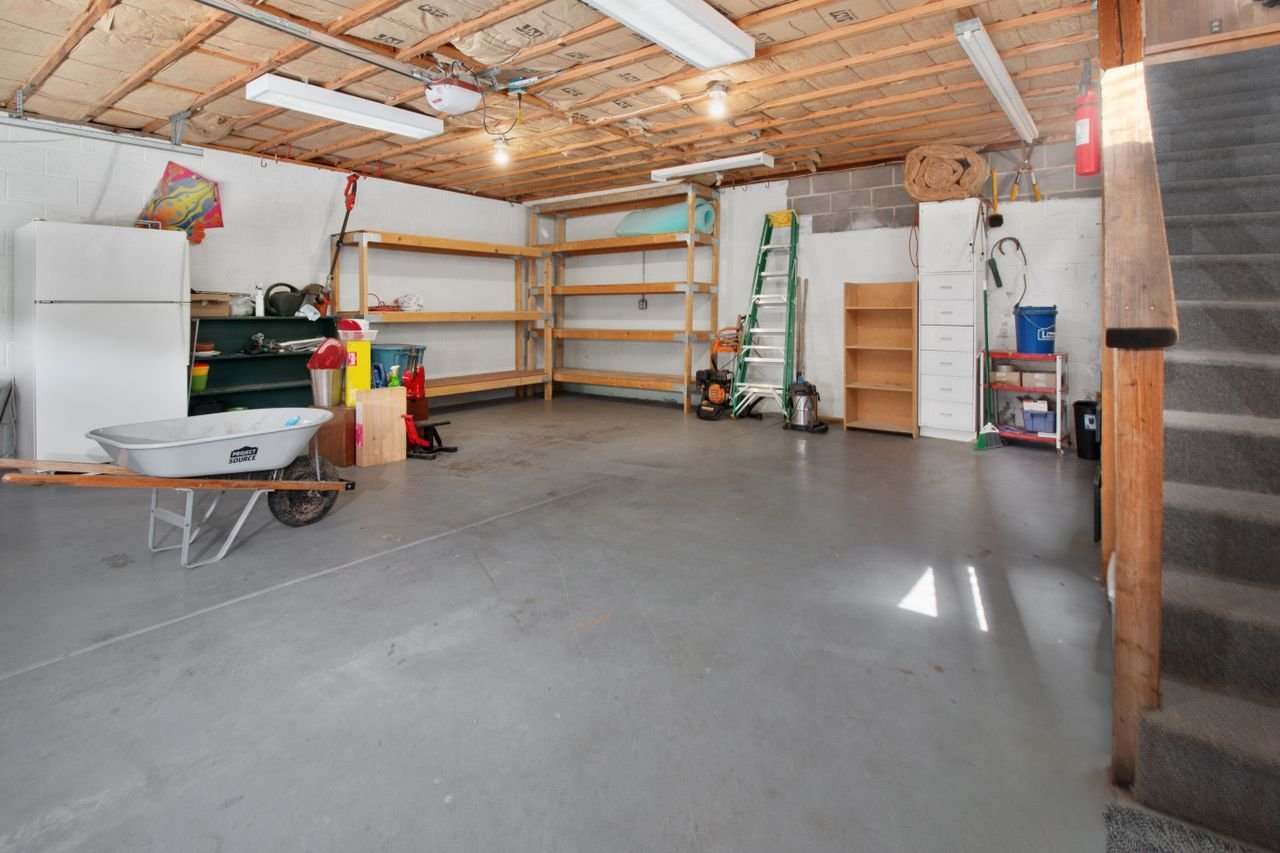
A garage conversion can significantly enhance your usable square feet and overall home value if it is carefully planned with clear objectives and a realistic budget. These garage conversion ideas detail particular tactics to increase daily usefulness and resale attraction, illustrating where expert advice pays off.
Smart Design
Focus on convertible accents so the room changes function without significant effort. Use pocket doors, fold-down beds, and sliding partitions to convert from studio to bedroom to office in minutes.
Soundproofing leads to rent appeal, so throw in some mass-loaded vinyl or resilient channels in spots where noise might be a problem. Maximize natural light with new windows or a glazed garage door. Light increases size appeal and draws in more buyers. Choose a flexible layout: place plumbing and electrical on one wall to keep options open for kitchens or baths. For minor conversions, open floor plans allow furniture, not walls, to delineate zones, which feels larger and markets more effectively. Capture high-paying long-term renters by incorporating a simple wet bar or kitchenette option. Pair efficient HVAC, a compact laundry stack, and built-in storage to increase daily comfort and reduce future retrofit expenses.
Quality Finishes
- Engineered hardwood or high-grade laminate flooring
- Durable, moisture-resistant paint and trim
- Insulated drywall with clean finish and modern baseboard
- Modern kitchen cabinetry and quartz or solid-surface counters.
- Updated fixtures: LED lighting, brushed metal hardware, efficient bathroom fittings
- Window treatments and energy-efficient windows
Upgraded finishes in a garage conversion project make it feel like a purposeful living space and not a junky accessory. Buyers appreciate cohesive color, trim, and hardware choices. Premium finishes tend to recoup a greater percentage of conversion cost at resale compared to simple conversions. For instance, a thoughtfully specified kitchenette and nice flooring can accelerate a listing and minimize price reductions.
Future Flexibility
Design for change with removable walls and modular furniture that can be rearranged to maximize usable space. Incorporate plug-and-play wiring conduits for tech upgrades and flywheels while planning for extra HVAC and electrical capacity for appliances or EV chargers. Multipurpose storage and fold-out surfaces allow the same square meters to serve as a living room, a private lease, or a utility room, creating valuable living space. A flexible build reduces future vacancy risk and expands buyer pools, ultimately enhancing the overall conversion cost.
Conversion Vs. Alternatives
A transparent picture of the trade-offs guides the determination of the average garage conversion cost in Pleasant Hill versus alternatives. Direct comparisons, real-world pros and cons, and scenarios where you really want to hold onto parking, along with concise garage conversion plans, help make decisions.
Compare Garage Conversion Costs And Benefits To Other Home Addition Options Like ADUs Or Extensions
Garage conversions typically cost less than full additions or detached ADUs, making them a smart conversion choice for homeowners. The average garage conversion cost includes insulation, framing, drywall, new floors, HVAC tweaks, electrical upgrades, plumbing if adding a bathroom, and permitted work. Expect costs somewhere in the ballpark of 8K to 40K, depending on scope and finishes. ADUs or full extensions typically cost 80,000 to 250,000 USD or more, as they introduce foundation work, separate utilities, and exterior finishes. Conversion advantages are lower initial costs, faster completion, and the use of the existing envelope. Conversions can add an extra bedroom, office, or rental unit in certain instances, enhancing overall home value.
List Pros And Cons Of Converting An Underused Garage Versus Building A New Addition
Pros of a garage conversion include lower overall conversion cost, a shorter timeline (typically 2 to 8 weeks), and minimal site disruption, allowing for usable square meters without expanding lot coverage. Cons include the loss of vehicle storage and potential layout constraints. In contrast, a new addition offers a tailored layout and better energy performance while maintaining garage parking if planned. Yet, it comes with a higher average garage conversion cost, a longer timeline (3 to 9 months), and larger permitting hurdles, impacting the yard or landscaping more significantly.
Highlight Situations Where Maintaining Garage Parking Is More Valuable Than Creating Extra Living Space
In dense neighborhoods with strong parking demand, the average garage conversion cost can deter families from converting their garage, especially if they have more than one car or if local zoning limits resale value. Keeping the garage can be a draw for buyers and maintain the home’s value. If the family uses the garage for necessary storage or business merchandise, the loss of that space can lead to ongoing expenses for off-site storage.
Costs, Timelines, And ROI
|
Option |
Typical cost (USD) |
Timeline |
Typical ROI |
|
Garage conversion |
8,000-40,000 |
2-8 weeks |
50-75% |
|
ADU (detached) |
80,000-250,000+ |
4-9 months |
60-120% |
|
Home extension |
60,000-200,000 |
3-9 months |
55-100% |
Conclusion
Garage conversion in Pleasant Hill can pay off. Local home values and rental demand keep your upside real. It is less expensive than an addition and has a faster build time, making the project practical. Anticipate transparent permits, standard design guidelines, and parking and structure inspections. Insist on insulation, HVAC, and wiring to code and comfort. Add a kitchenette or clever storage to boost appeal. Compare costs and expected rent or resale to choose the optimal route. If you want stable rental returns, target a studio fit-out under 40 m². If resale matters, match neighborhood finishes and maintain flexible use. Ready to crunch some numbers or chart a course? I can help model costs, timelines, and returns.
Frequently Asked Questions
1. Is A Garage Conversion A Smart Investment In Pleasant Hill?
Garage conversions can be a smart project, especially in areas with high housing demand like Santa Clara, if the demand is there for rental or living space, your lot and structure can support it, and local regulations allow it. It often increases usable space and overall conversion cost, but verify the price versus the anticipated value bump initially.
2. How Much Does A Garage Conversion Typically Cost In Pleasant Hill?
Garage conversion costs can range dramatically, with a mid-range project starting around EUR 15,000 to 40,000. Structural changes, insulation, plumbing, and finishes drive the overall conversion cost. Get local contractor quotes for precision.
3. Do I Need Permits For A Garage Conversion In Pleasant Hill?
Yes. Permits are typically needed for structural, electrical, plumbing, and use change work in garage conversion projects. Determine the type of permits and the timeline of approval from Pleasant Hill’s planning and building departments before starting your garage conversion project.
4. What Are Common Regulatory Hurdles To Watch For?
Setbacks, parking, zoning for accessory dwelling units (ADUs), and building-code upgrades are frequent concerns. Consulting local officials early can help address potential costs and ensure compliance with local building codes.
5. How Does A Garage Conversion Compare To Alternatives Like Building An ADU Or Adding A Room?
To compare, garage conversion projects are often much less expensive and quicker than new ADUs or additions. These conversions can command higher rental income and provide valuable living space with private entrances. Think budget, timeline, zoning, and long-term goals when deciding.
Choosing The Right Contractor For Your Home Remodeling Project
Choosing the right contractor can make the difference between a remodeling project that feels smooth and organized and one that quickly becomes stressful. You’re investing in your home, so the team you hire should bring experience, clear communication, and a process that keeps everything on track from the start.
Homeowners across Contra Costa County, including Walnut Creek, Danville, Lafayette, Orinda, Concord, San Ramon, Moraga, Pleasant Hill, Martinez, and Alamo, often see the best results when they work with a contractor who begins with careful planning. A good contractor will take time to understand how you use your home, what isn’t working, what you want to improve, and how your budget fits into the project.
Many homeowners benefit from working with a design-build contractor, where the same team handles both design and construction. This approach keeps communication clear, decisions moving forward, and the project aligned from concept through completion.
Whether you’re remodeling a kitchen or bathroom, updating living spaces, or improving accessibility, choosing the right contractor helps ensure your renovation moves forward with clarity and confidence. Carey Bros. Design & Build Remodeling works with homeowners across Contra Costa County to guide projects from the first consultation to the final walkthrough. Reach out today to start planning your project.
Disclaimer
The materials available on this website are for informational and educational purposes only and are not intended to provide legal, financial, or professional construction advice. You should consult with a qualified general contractor, architect, or other relevant professionals before making decisions regarding remodeling, construction, or home improvement projects. Don’t act or refrain from acting based on any content included on this site without seeking appropriate professional guidance. The information presented on this website may not reflect the most current building codes, regulations, or industry standards. No action should be taken in reliance on the information provided on this website. We disclaim all liability for actions taken or not taken based on any or all of the contents of this site to the fullest extent permitted by law.