
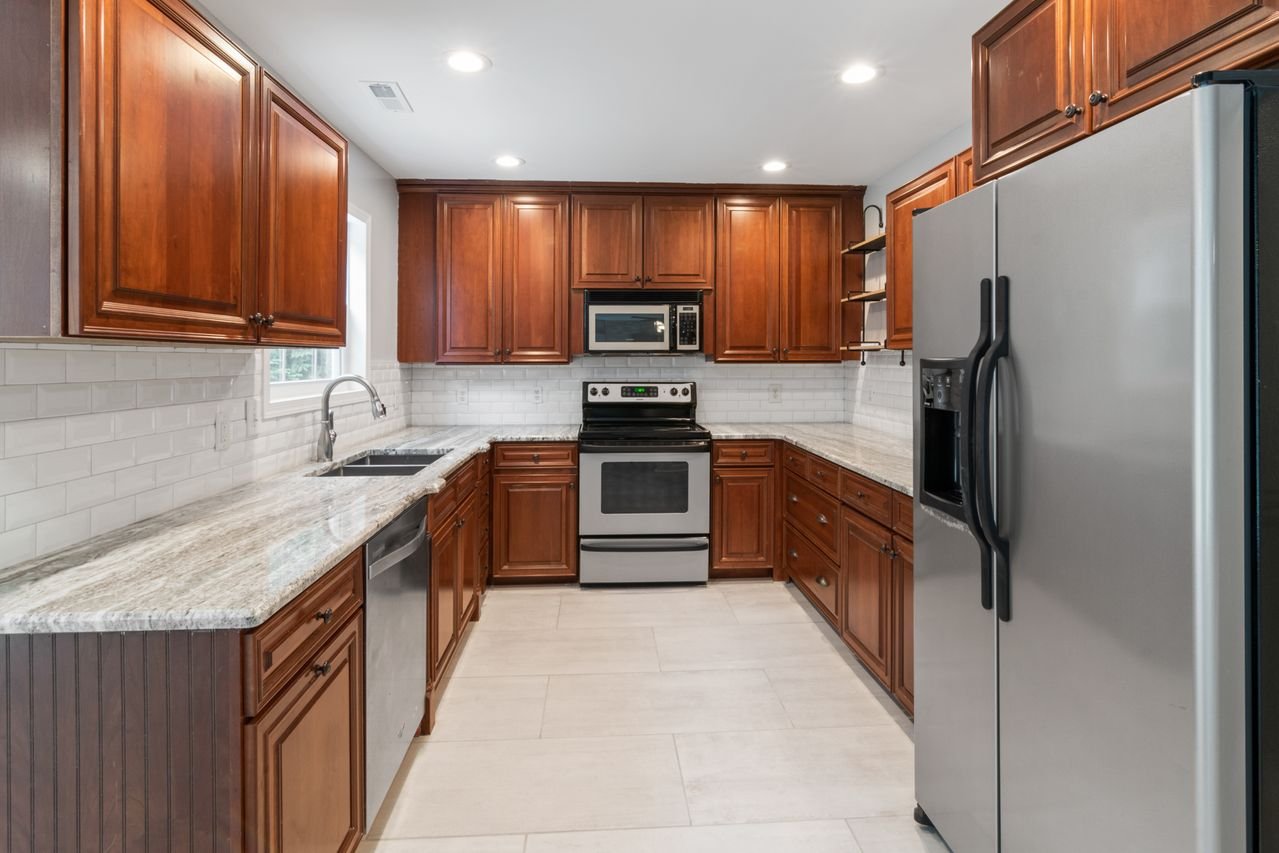
Kitchen first, highest resale value typically. Concord kitchens command buyers’ attention with layout, appliances, and hard finishes. A modest kitchen update typically yields one of the highest percentages of your investment back. Bathrooms contribute value as well by sprucing up worn plumbing, lighting, and tile. Local market factors matter. Neighborhood price points, buyer demographics, and competing listings shift which room pays off more. For mid-range houses, get the kitchen updated with efficient appliances and neutral cabinets. For upscale or older homes, a master bath with new fixtures can influence buyers. The body compares expenses, average returns, and easy prioritization rules to determine which room to address first.
Key Takeaways
- Kitchens will typically provide the most resale punch in Concord, as they’re the home’s social hub and appeal to the broadest audience. Focus on targeted, high-impact upgrades such as cabinets, countertops, lighting, and efficient layouts.
- Bathroom remodels deliver a high return on investment for lower cost and are particularly valuable when you have multiple bathrooms or really old fixtures and layouts. Focus on crisp, modern finishes and use space efficiently.
- Compare project cost, disruption, and scope before you decide by making a simple budget and timeline that weighs minor versus major upgrades and any plumbing or structural work that triggers permits.
- If one room is in a serious state of disrepair or you have a major functional problem, such as a poor bathroom layout for current standards or a badly designed kitchen, fix that room first.
- Remember to tailor your remodel choices to Concord buyer expectations and neighborhood standards. Practical, move-in-ready improvements will resell better than luxury items that don’t suit the local market.
- Consider timing and logistics to reduce daily inconvenience, hire contractors who know East Bay permit processes, and tailor renovation scope to your short-term sale timeline or long-term living needs.
Which Remodel Maximizes Resale?
Local market data and resale studies demonstrate that kitchen upgrades and bathroom renovations both deliver strong returns, but in different ways. Kitchens tend to generate more buyer interest and higher absolute value increases, whereas bathroom upgrades provide steadier percentage ROI on smaller spends. Here are the main considerations to evaluate before deciding which room remodel to prioritize first.
1. Resale Value
Recent East Bay data shows that minor kitchen remodels can yield a strong ROI, returning about 70 to 90 percent of the cost, while full kitchen remodels return closer to 50 to 70 percent. Midrange bathroom renovations typically return 60 to 80 percent, and small bathroom makeovers can return up to 90 percent in desirable neighborhoods. Light kitchen upgrades, such as new cabinets and counters, often deliver higher percentage returns than extensive high-end remodels due to the rapid increase in costs for major renovations. A modern, neutral design and great finish work enhance perceived value, while outdated features can lead to lower offers and extended time on the market, indicating that homeowners should prioritize these common remodels to avoid losing property value.
2. Buyer Appeal
Kitchens frequently top buyer wish lists as the social and functional center, making a kitchen upgrade a priority for many homeowners. Eye-catching enhancements such as energy-efficient appliances, long-lasting countertops, and layered lighting sway buyers in the market for a turnkey home. Bathrooms appeal through cleanliness and comfort, with popular bathroom upgrades like a new shower enclosure and updated tile signaling low near-term maintenance. Buyers often prefer homes with modern, functional must-have spaces to those with superficial cosmetic touches, so focus on bathroom renovations that equip the basic functional standards for your potential buyer audience.
- Visibility to buyers
- Cost versus perceived value
- Frequency of use and wear
- Energy and water efficiency
- Local neighborhood standards
- Time on market impact
3. Project Cost
Typical minor bathroom renovations cost between 1,500 and 6,000 USD for new fixtures, paint, and tile patches. A full bathroom remodel, which is a common remodel among homeowners, ranges from 8,000 to 25,000 USD for layout changes and new plumbing. On the other hand, a minor kitchen upgrade costs between 5,000 and 15,000 USD for cabinet refinishing and counters. A full kitchen remodel can range from 20,000 to 75,000 or more USD for appliances, cabinetry, and electrical work. Include materials, labor, permits, and potential plumbing or electrical relocations. Budget for contingencies and match the scope to your neighborhood to prevent overspending.
4. Daily Impact
Kitchen work can hamper meal preparation for weeks, while bathroom renovations may restrict sanitation availability. Plan temporary setups like portable induction cooktops and rental showers, scheduling these common remodels during low-use times to minimize lifestyle impact.
5. Renovation Scope
Minor updates, such as paint and fixtures, are common remodels, while major updates like moving plumbing and tearing down walls can significantly impact costs and the remodeling process. Pair the scope with the budget for optimal return.
The Concord Buyer’s Mindset
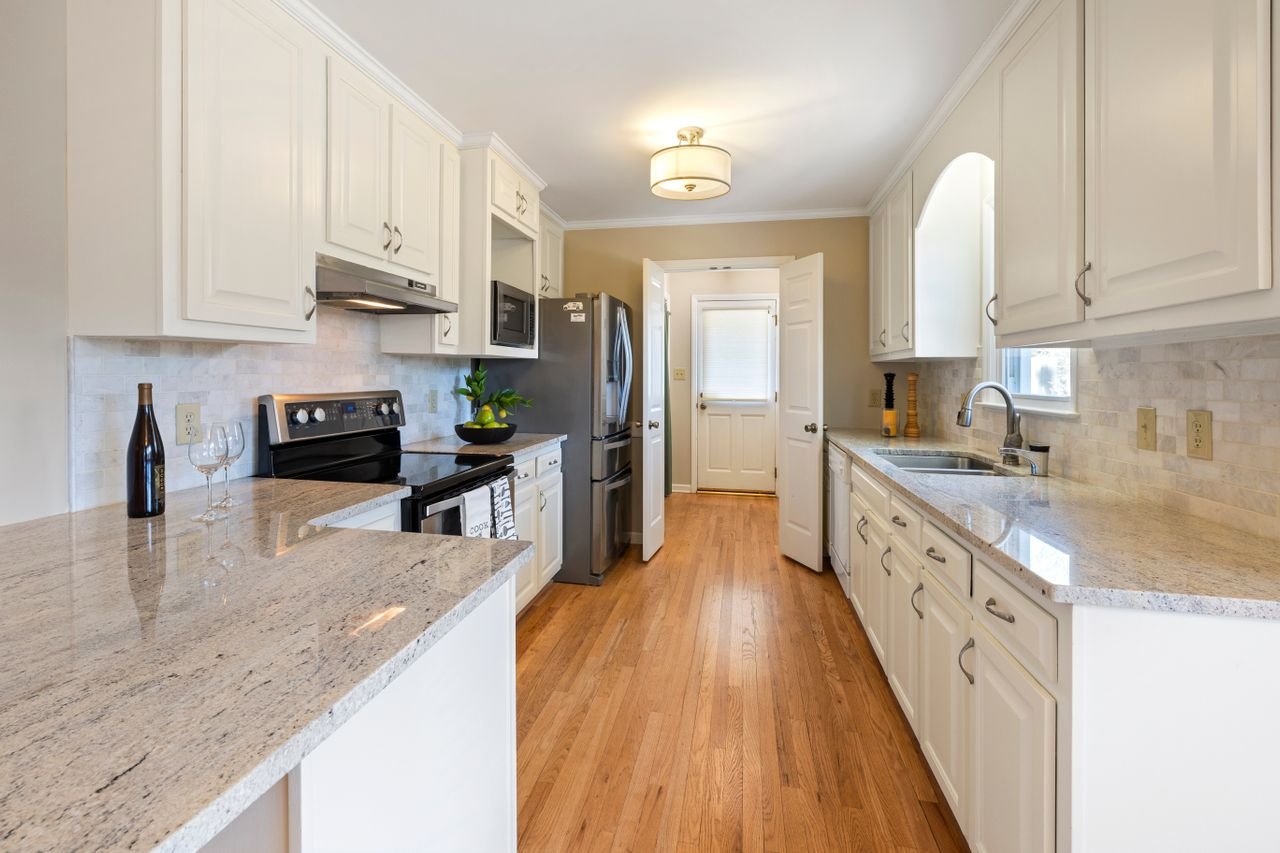
Concord buyers are really looking at usable improvements that align with local norms and enhance day-to-day living. They check out kitchens and bathrooms first, as these rooms indicate upkeep and contemporary lifestyles. A clean, well-laid-out kitchen with quality kitchen appliances says “a home that works.” A modern bathroom reflects comfort and cleanliness, especially when considering popular bathroom upgrades. Ease of flow between rooms and a sufficient storage count make a seamless remodeling process essential for potential buyers.
What Buyers Prioritize
Buyers care about new kitchens, new bathrooms, and a sensible floor plan. Modern kitchens, often seen in popular kitchen upgrades, include energy-efficient appliances and easy-to-clean surfaces that enhance functionality. Updated bathrooms, which are among the most common remodels, imply leak-free plumbing and good ventilation. Practical floor plans have defined walkways and adequate counter space, such as a kitchen island that adds prep space without blocking traffic or a master bath with a separate shower and small tub, both easy to keep clean.
Aesthetics, Efficiency, And Essential Function
Design attracts attention, while a living room remodel enhances convenience, saving cash and minimizing purchase resistance. Neutral palettes and consistent finishes assist potential buyers in imagining their lives there. Low-energy appliances and LED lighting reduce operating expenses, demonstrating a tangible commitment to modern upgrades. Basic utilities, such as dependable plumbing and plenty of hot water, are essential. For example, swapping a worn laminate counter for a mid-range quartz top improves looks and reduces staining risk, addressing genuine concerns buyers document on inspection reports.
How Comparisons And Local Trends Shape Choices
For example, potential buyers don’t compare homes solely by the number of rooms, but they focus on the quality of upgrades, such as a kitchen upgrade or bathroom renovations. An outdated kitchen in an otherwise solid house can lead to aggressive bids dropping, while a clean, no-nonsense bathroom update can significantly raise offers. Local market trends play a crucial role; in neighborhoods where most homes feature remodeled kitchens, buyers expect similar standards. In areas with limited outdoor space, interior upgrades enhance livability and carry more weight. About: The Concord Buyer’s Mindset. In Concord, keep tabs on recent sales to discover which features were fetching price premiums.
Why Prioritize The Kitchen?
The kitchen tends to have disproportionate importance in resale determinations because it occupies a space at the crossroads of everyday living, social life, and longevity. An updated kitchen can significantly enhance functionality, making it a priority for homeowners. Its layout, finishes, and appliances form buyers’ initial sense of how a home will function for everyday habits and entertaining, which is crucial for attracting potential buyers in Concord and other markets.
The Social Hub
The kitchen is the hub of family activity and visitor traffic, making its remodeling a crucial factor in enhancing functionality and appeal. It’s where meals, homework, and impromptu events take place, so its vibe indicates how the entire house feels. Open-concept kitchens that flow into living and dining spaces are particularly valued by today’s potential buyers seeking sightlines and flow. Eliminating a partial wall or aligning island seating with the living room can often yield a strong ROI. Lighting, cabinet hardware, and a decor color palette are low- to mid-cost changes that shift mood and usability. Upgrading appliances and swapping pendant lights for layered fixtures can significantly enhance the perceived value of the kitchen, increasing buyer confidence in the home’s flexibility.
High-Impact Upgrades
- Substitute countertops for mid-range, durable materials like quartz or solid surface.
- Reface or paint cabinets. Change out doors and hardware if you can afford it.
- Upgrade to energy-efficient stainless steel appliances to match in finish.
- Add a functional island or simply more usable prep space if you can.
- Improve task and ambient lighting, and add under-cabinet lighting
- Update flooring with durable, neutral materials that transition into surrounding rooms.
Concentrate on upgrades that combine form and function, especially popular kitchen upgrades that enhance livability. Steer clear of ultra-luxury bespoke pieces that outpace neighborhood comparables to ensure a strong ROI.
Modern Functionality
Walk-minimizing layouts between the sink, stove, and fridge are still core to resale value, especially during a kitchen upgrade. Little things like moving a dishwasher or adding a pull-out pantry provide a huge functional impact. Smart appliances and LED lighting add appeal and energy savings, but don’t let tech replace solid workmanship. Cabinet fit, countertop seams, and proper ventilation matter in the remodeling process. Strike a balance between form and function by selecting finishes that are easy to clean and maintain yet complement a wide range of tastes. Refresh tired or dated bits so the kitchen feels on point to potential buyers and cuts time on the market.
Why Prioritize The Bathroom?
Bathrooms tend to provide quantifiable resale returns with relatively low expense and difficulty, making them a priority for homeowners considering a bathroom remodel. They straddle the line of hygiene, utility, and perceived home quality. Because bathrooms matter, potential buyers read bathrooms for messages of attention. A dated or thoughtless bathroom says “deferred maintenance,” which can reduce offers. For sellers in Concord and markets like it, a focused bathroom renovation has the power to turn modest spending into unmistakable buyer certainty and a premium sales price.
The Personal Sanctuary
It’s a private retreat where the everyday becomes comforting. A few mindful updates, such as popular bathroom upgrades like nice shower heads, a rain-style fixture, touchless faucets, or a classic freestanding tub, can transform the space from functional to soothing. Spa-like decor, think layered lighting, framed mirrors, and neutral, durable tile, gives you a zen-inducing palette that has wide appeal. Quality finishes matter: ceramic or porcelain tile, a solid-surface countertop, and a well-mounted vanity read as long-term value. Prioritize changes that enhance functionality and create a seamless remodeling process for better ventilation and a layout adjustment that creates more functional counter space.
Cost-Effective Luxury
Small upgrades can read as luxury without a full gut renovation, especially in the bathroom, where popular bathroom upgrades can significantly enhance functionality. Upgrade vintage fixtures, switch a vanity, or install modern LED task lighting, which are all part of the remodeling process that costs way less than kitchen overhauls but changes mindsets big time. Focus on high-impact, low-cost choices: neutral grout refresh, new cabinet hardware, energy-efficient fixtures, and water-saving toilets that still feel premium. Even minor upgrades like re-grouting and upgraded lighting deliver significant ROI and improved buyer response when staged.
- Reduced scope and shorter timeline versus kitchen projects
- Lower material and labor costs per square metre
- High visibility to buyers during showings
- Strong signal of household maintenance and cleanliness
- Easy to standardize across multiple bathrooms in one home
- Chance to modernize with affordable smart showers and low-flow technology.
Space Efficiency
Efficient layouts maximize perceived square footage and storage, both critical selling points to potential buyers. Incorporating popular bathroom upgrades like wall-mounted sinks, recessed medicine cabinets, and compact wall-hung toilets can significantly enhance functionality and free up floor space. Consider swapping out bulky tubs for walk-in showers where appropriate to improve circulation. Additionally, treating awkward or wasted corners with built-in shelves or shallow linen closets can elevate the design. Stripping out outdated features and re-routing plumbing paths typically provides more long-term practical usability than surface-level facelifts.
Critical Overlooked Factors
Remodel decisions should rely on more than just headline ROI numbers, but consider construction quality, zoning, and how the remodeling process fits your lifestyle before choosing a kitchen upgrade or bathroom renovations.
Home Condition Assessment
A room that still works but is a little dated can wait, but a room with failing systems cannot. Check for slow drains, recurring leaks, and soft subfloors, as these factors indicate urgent bathroom renovations are necessary. Aging plumbing, such as galvanized or polybutylene pipes, signals trouble and often requires a bathroom-first repair. In kitchens, outdated or failing electrical systems and sagging range hoods pose safety concerns and hinder potential kitchen upgrades. Prioritize addressing spaces with mission-critical functionality issues first to avoid costly emergency fixes that can diminish your property’s value.
Create a simple checklist that includes plumbing age, visible water damage, ventilation adequacy, and flooring integrity. Tread through each room with a flashlight and a notebook. Include photos and dimensions to support your findings. A focused repair list enables you to measure the cost of bringing each room to market standards and highlights which remodels will most effectively preserve home value.
If structural repairs are needed, such as for rot, mold, or compromised joists, factor those in before planning cosmetic options. While minor upgrades may add curb appeal, kitchens requiring significant electrical rework don’t offer the same return on investment.
Local Permit Nuances
Parking regulations vary from city to city and even neighborhood to neighborhood. If it’s kitchen work that moves gas lines, adds circuits, or modifies load-bearing walls, it typically requires formal review. Bathroom remodels that alter the location of plumbing or vents to the outside can require permits. In Concord and close-by East Bay jurisdictions, electrical upgrades and gas alterations nearly always necessitate licensed contractors and permits.
Sleep on it. Initially, I was worried about sacrificing sleep to work late into the night. Unpermitted work can result in removal, fines, or reduced appraisal values upon sale. Select contractors who regularly pull East Bay permits, and their expertise cuts inspection delays and surprises.
Your Long-Term Plans
If selling within 12 months, select projects that maximize appeal to probable buyers and are completed quickly. If you’re going to be here for five years or more, spend it on durable features that you will use every day. Think universal design or ADA basics if you anticipate aging in place or broader marketability. Historic condos might require preservation-approved materials.
Match scope to timeline and budget: Cosmetic refreshes for near-term sales, deeper system upgrades for long-term ownership.
How To Make Your Choice
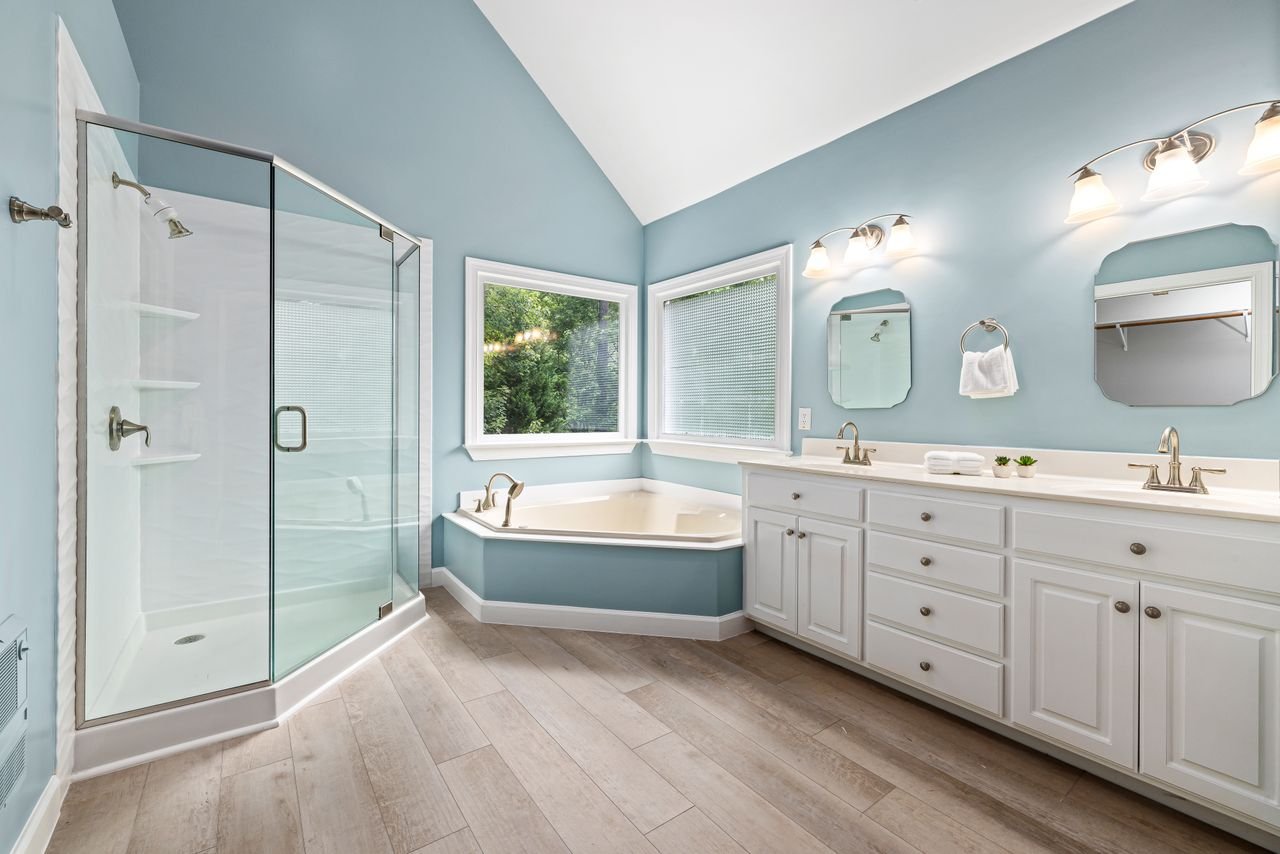
Start by framing the decision around five clear factors: return on investment (ROI), buyer appeal, cost, daily impact, and current home condition. When considering a kitchen upgrade, ROI provides a dollar lens, as kitchens can offer a higher percentage return on resale despite having higher initial costs. Buyer appeal tracks what local buyers prefer, with some markets favoring modern kitchens while others lean towards popular bathroom upgrades. Cost encompasses raw materials and labor in square meters, and it’s best to provide estimates in USD for simplicity. Daily impact assesses how disruption affects your household’s workday, while home condition considers whether plumbing, wiring, or structural issues influence your remodeling decisions.
Summarize Key Factors, ROI, Buyer Appeal, Cost, Daily Impact, and Home Condition, To Guide Your Decision
Estimate ROI by comparing typical project budgets with resale uplift. A midrange kitchen upgrade might cost USD 25,000 to 50,000 and return 60 to 80% on sale. A midrange bathroom renovation can cost USD 8,000 to 20,000 and return 70 to 100% depending on the scope. Local buyer surveys and listing data in Concord often show kitchens sell faster, making them a priority for homeowners. Bathrooms close deals when kitchens are already adequate. For cost control, itemize expenses: cabinets, benchtops, appliances, and finishes for kitchens, fixtures, tiling, vanities, and ventilation for bathrooms. Assess daily impact, such that kitchens may be unusable for several weeks, while bathrooms are less so if you keep a spare bathroom. Finally, inspect home condition, like extensive plumbing or electrical work may push priority toward the room that already needs the fix.
Display The Pros and Cons of Bathroom Versus Kitchen Remodels in a Markdown Table
|
Aspect |
Bathroom Remodel, Pros |
Bathroom Remodel, Cons |
Kitchen Remodel, Pros |
Kitchen Remodel, Cons |
|
Cost |
Lower baseline cost |
Costs rise with plumbing/heated floors |
High value-add, buyer-visible |
Highest upfront cost |
|
ROI |
Often strong for small updates |
Diminishing returns on luxury adds |
Strong resale impact in many markets |
Longer payback time |
|
Disruption |
Less household disruption |
May need temporary facilities |
Significant disruption, often longer |
Requires careful staging |
|
Buyer appeal |
Essential for cleanliness and function |
Less dramatic than kitchen |
Major focal point, increases offers |
Style risks if too personal |
|
Technical risk |
Easier scope control |
Hidden mold/plumbing surprises |
Can reveal major hidden issues |
Complex project management |
Weigh your personal needs against market signals, especially when considering a kitchen upgrade or bathroom renovations. If your household heavily uses the kitchen, prioritize functionality. If you have only one bathroom, a bathroom remodel should come first to enhance livability and impress potential buyers.
Conclusion
A clear choice fits most sellers in Concord: start with the kitchen. A clean kitchen with new countertops, dependable appliances, and fresh paint pulls in buyers quickly. It demonstrates attention and provides a high ROI on a small to medium budget. Compact bathrooms also rate well, particularly a guest bath featuring a new sink, tile grout, and modern fixtures. High-end homes might get more value from a primary bath update if buyers expect luxury.
Choose projects that repair wear that shows, energize photos, and reduce days on market. Track costs in metrics, set a short timeline, and get at least two local quotes. Need a fast strategy? Post your budget and house pictures. I can crunch the numbers and tell you what the optimal next move is.
Frequently Asked Questions
1. Should I Remodel My Kitchen Or Bathroom First To Get The Best Resale Value In Concord?
Remodel the kitchen first, as a kitchen upgrade often provides homeowners with the biggest bang for their buck. Potential buyers typically perceive a well-executed kitchen remodel as more valuable than a bathroom renovation, making it a priority in the remodeling process.
2. How Much Of A Kitchen Remodel Should I Do For Resale?
Pay attention to layout, sturdy countertops, Energy Star appliances, and new cabinetry or cabinet refacing during your room remodel. You don’t need a gut renovation, but targeted bathroom upgrades and high-impact updates return the best value.
3. Are Bathroom Remodels Ever The Better Choice In Concord?
Yes. If the bathroom is outdated and dysfunctional or you have a single small bathroom, a bathroom remodel can be a priority. A clean, modern bathroom enhances livability and attracts potential buyers.
4. What Budget Range Delivers The Best Roi For These Remodels?
Mid-range bathroom renovations generally return the lion’s share of recouped costs. Homeowners should spend just enough on minor upgrades to update fixtures, finishes, and lighting while avoiding high-end luxury options that potential buyers won’t pay more for.
5. How Do I Know Which Updates Buyers In Concord Want Most?
Find out by looking at comparable listings, recent sales, and consulting with a local agent about popular kitchen upgrades. Consider open designs, storage solutions, modern finishes, and energy-efficient appliances and fixtures.
Choosing The Right Contractor For Your Home Remodeling Project
Choosing the right contractor can make the difference between a remodeling project that feels smooth and organized and one that quickly becomes stressful. You’re investing in your home, so the team you hire should bring experience, clear communication, and a process that keeps everything on track from the start.
Homeowners across Contra Costa County, including Walnut Creek, Danville, Lafayette, Orinda, Concord, San Ramon, Moraga, Pleasant Hill, Martinez, and Alamo, often see the best results when they work with a contractor who begins with careful planning. A good contractor will take time to understand how you use your home, what isn’t working, what you want to improve, and how your budget fits into the project.
Many homeowners benefit from working with a design-build contractor, where the same team handles both design and construction. This approach keeps communication clear, decisions moving forward, and the project aligned from concept through completion.
Whether you’re remodeling a kitchen or bathroom, updating living spaces, or improving accessibility, choosing the right contractor helps ensure your renovation moves forward with clarity and confidence. Carey Bros. Design & Build Remodeling works with homeowners across Contra Costa County to guide projects from the first consultation to the final walkthrough. Reach out today to start planning your project.
Disclaimer
The materials available on this website are for informational and educational purposes only and are not intended to provide legal, financial, or professional construction advice. You should consult with a qualified general contractor, architect, or other relevant professionals before making decisions regarding remodeling, construction, or home improvement projects. Don’t act or refrain from acting based on any content included on this site without seeking appropriate professional guidance. The information presented on this website may not reflect the most current building codes, regulations, or industry standards. No action should be taken in reliance on the information provided on this website. We disclaim all liability for actions taken or not taken based on any or all of the contents of this site to the fullest extent permitted by law.