
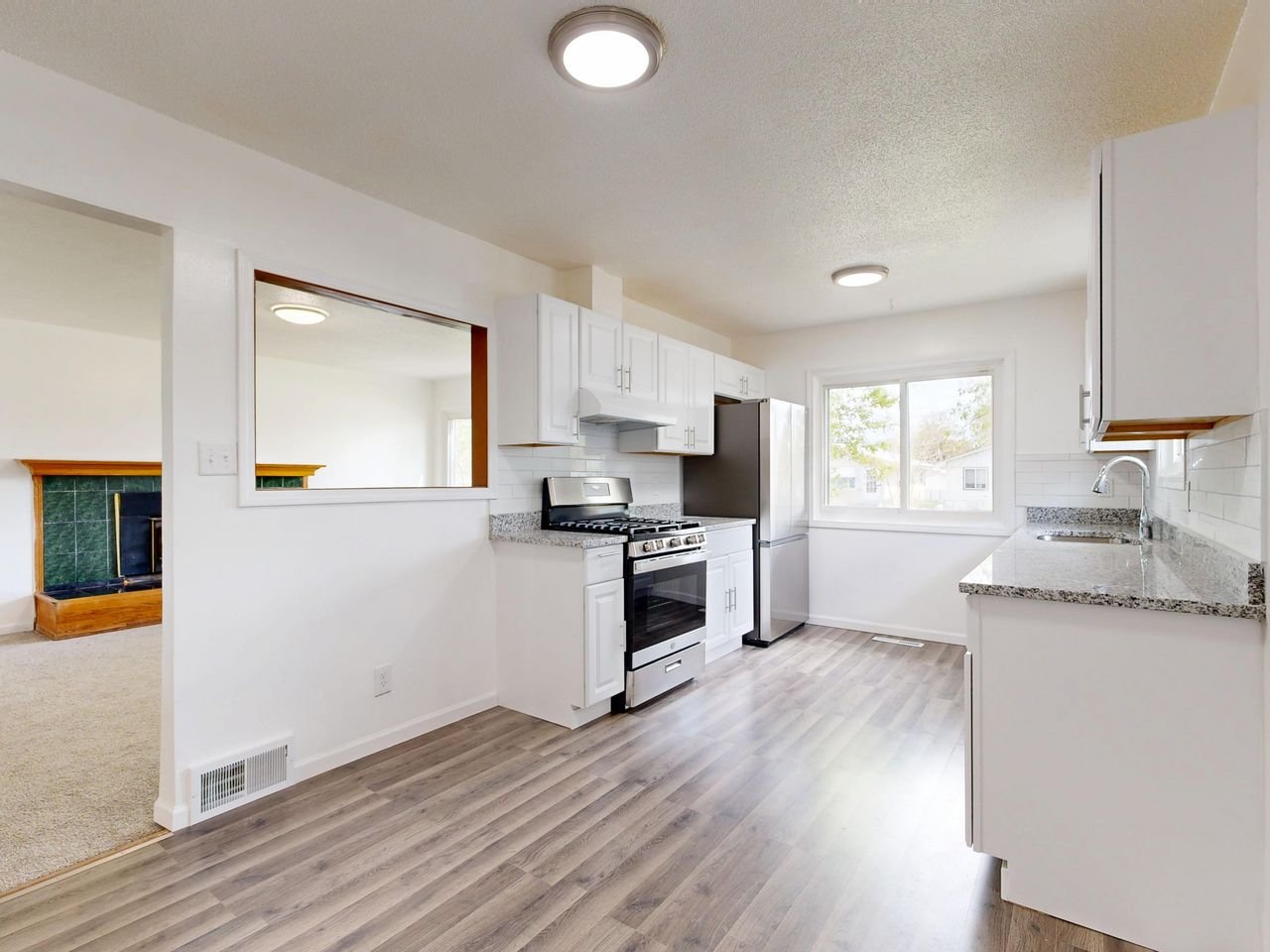
Are kitchen remodels worth it before selling in Pittsburgh? Local buyers love a modern layout, energy-efficient appliances, and durable finishes, all of which result in higher offers and fewer contingencies. Cost recoupment varies by scope. Minor updates like new paint, hardware, and lighting often yield strong returns, while full gut remodels carry higher risk unless targeting premium buyers. Market context matters. Active seller markets and homes priced above the neighborhood median see better payback. I’ll explain common upgrade costs, typical return rates, and decision rules to help you pick which projects make sense for your home and schedule. Read on for easy decision-making!
Key Takeaways
- Looking at recent Pittsburgh sale data and comparing renovation costs against likely price bumps can help you estimate a more realistic return on investment before you commit to remodeling a kitchen.
- If the local market is dominated by move-in-ready homes, opt for focused, high-return updates like new finishes, modern lighting, and efficient layouts rather than full gut renovations.
- Concentrate on buyer-wanted features such as updated appliances, clever storage, neutral yet durable finishes, and open flow to boost appeal and decrease days on market.
- Construct a budget with contingency for permits, surprise repairs, and temporary lodging so that lurking costs don’t devour your resale gain.
- Timing: Work to avoid beginning significant renovations too near your listing date and plan around ideal selling seasons to maximize exposure and offers.
- Work with a competent local contractor or design-build team who knows Pittsburgh buyer preferences and building codes to safeguard quality, reduce delays, and increase resale value.
Calculate Your Pittsburgh Kitchen Remodel ROI
Figure your probable return on investment by basing choices on local sale statistics, pricing alternatives, and the status of your home. For Pittsburgh homeowners, understanding buyer taste and home value is crucial. To help you out, here are some hard-hitting analyses and actionable steps to convert home improvements into an anticipated ROI.
1. Local Market Pulse
To understand how much of a premium updated kitchens command, homebuyers should follow recent sale prices and listing notes for Pittsburgh neighborhoods. By reviewing the past 6 months of closed sales and days on market and comparing homes labeled ‘move-in ready’ versus those needing work, one can gauge home value effectively. It’s also important to track active comparable listings with updated kitchens and note their list-to-sale ratios, as a higher ratio indicates a more powerful upgrade ROI. Seasonal effects, such as spring bringing more buyers, can also shorten days on market and slightly boost the premium for updated kitchens.
2. Project Scale
When planning home improvements, divide remodels into cosmetic updates, like paint, hardware, and fixtures; partial renovations, such as cabinet refacing and new countertops; and full gut renovations, which involve layout changes and high-end appliances. To budget effectively for your home improvement project, obtain quotes in the same currency. Simple decor fixes might cost several thousand and help sell fast, while total renovations can significantly increase home value. Focus on targeted cosmetic updates, like new cabinets and solid countertops, that enhance appearance and appeal to potential buyers rather than costly structural changes that rarely provide a return on investment.
3. Buyer Desires
Pittsburg homebuyers have a sweet spot for smart floor plans, contemporary appliances, and clever storage. Open flow to living areas and integrated storage are often requested. To enhance home value, steer clear of niche finishes or bold colors that limit appeal. Commonly requested features include energy-efficient appliances, quartz or durable stone counters, soft-close drawers, and neutral cabinetry. Matching preferences to general buyer preferences can increase offers.
4. Cost Vs. Value
Calculate your Pittsburgh kitchen remodel ROI by using Remodeling Magazine’s regional tables to benchmark typical cost-recoupment percentages. To gauge break-even, compare the estimated renovation costs against the projected sale improvements from comps. Simple cosmetic updates can recoup over 70 to 90 percent of their cost, while a complete kitchen renovation may recover 50 to 70 percent, depending on finishes. Here’s a summary table below.
|
Project Type |
Avg Cost (currency) |
Typical Resale Increase (%) |
|
Cosmetic refresh |
3,000-8,000 |
5-8 |
|
Partial remodel |
12,000-30,000 |
10-15 |
|
Full renovation |
40,000-120,000 |
8-12 |
5. Your Home’s Condition
If inspections raise safety or plumbing issues, homeowners should prioritize those repairs first. Cosmetic updates can discourage potential buyers differently than functional failures. Triage safety and function, then focus on strategic updates for visual appeal to enhance home value.
What Pittsburgh Buyers Actually Want
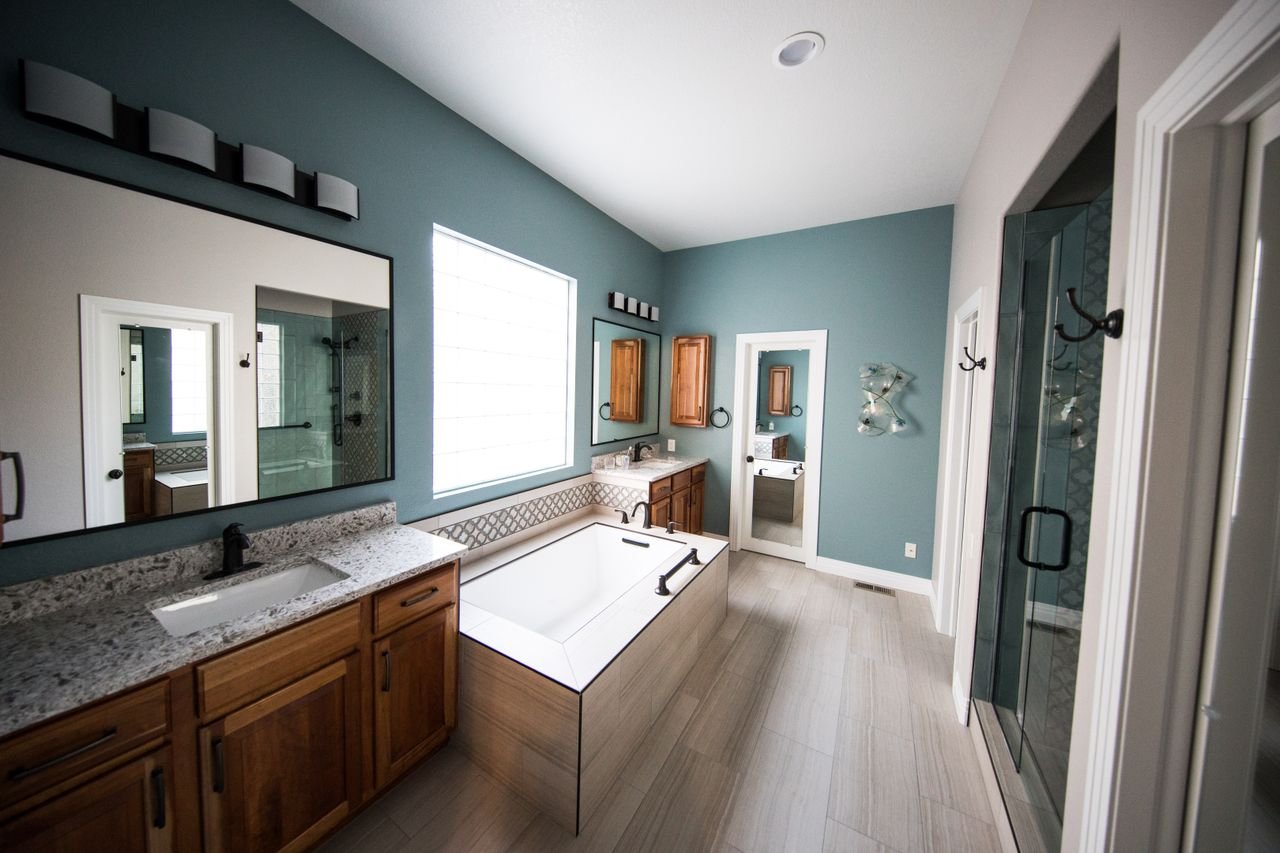
Pittsburgh homebuyers want kitchens that strike a balance between daily practicality and low-risk, contemporary appeal. Data from local agent surveys and recent home sale listings show buyers respond to clear home improvements, better flow, updated surfaces, thoughtful storage, and fixtures that look new without bespoke taste. The right mix of targeted cosmetic updates decreases time on market and can increase offers, particularly when improvements complement neighborhood standards and price tiers.
Functional Layouts
Open sight lines assist. Taking out a partial wall or swapping out a closed galley for a wider pass-through typically enhances flow and sight lines for families and hosts. For those in homes where full open plans aren’t possible, repositioning appliances to create work zones, such as prep, cook, and clean, maintains flow while maintaining structure.
Pittsburg buyers desire spaces that accommodate fast weeknight cooking and small-group entertaining, not pro-size kitchens. A small island or peninsula that provides seating and prep space is often more desirable than costly custom islands. Match the footprint to comparable homes. Oversized changes in small neighborhoods can feel out of place.
Little shifts produce huge returns. Widening doorways, turning the sink to face the living area, or creating a direct path between the fridge, stove, and sink reduces friction and comes across as a functional benefit.
Modern Finishes
Neutral but contemporary finishes sell. Swap out your tired laminate for quartz or solid-surface counters, and opt for warm gray or off-white cabinets with durable, low-maintenance fronts. Floors need to be indestructible. Engineered wood or big-format porcelain tile are ideal choices and come in shades that conceal scars.
Swap outdated brass or gold fixtures for matte black or brushed nickel to keep things modern without polarizing buyers. Backsplash tile in a simple, classic pattern gives just enough punch to keep your eye interested without committing you to a trend. Stick to neutral paint tones. A buttery greige is masculine and feminine, youthful and aged, and looks fabulous in photographs.
Value over flash. Spend on long-life materials where buyers notice them, such as counters, cabinet hardware, and lighting above work zones.
Smart Storage
Cabinet organizers and deep drawers transform how things should be used. Install pull-out shelves, vertical dividers for pans, and drawer inserts to demonstrate usable capacity. A converted closet pantry or adjustable shelving makes the food storage feel larger, something buyers consistently rate as a number one need.
Built-in solutions come across as thoughtful design. Take advantage of vertical space through tall cabinets, and pepper in open shelving sparingly to break up mass without creating clutter. In small kitchens, corner units and toe-kick drawers make storage seem bigger and smarter.
Smart Alternatives To Full Remodels
Small, smart changes like this can swing buyer perception without the time, cost, and disruption of a full kitchen renovation. Focus first on visible surfaces and functionality that homebuyers notice immediately: walls, hardware, lighting, and the cleanliness and flow of the workspace. Here are smart alternatives to home improvements that fit a variety of budgets and still shift the home value needle.
Strategic Refreshes
Neutral interior paint is a key element in home improvements, as it brightens the space and alleviates the mental burden for potential buyers who are assessing their ability to live with the existing decor. Choosing soft grays, warm whites, or greige can complement various finishes effectively. Updating lighting fixtures is essential to eliminate shadows and highlight countertops and focal points. Additionally, swapping out old faucets and cabinet pulls for sleek, inexpensive options in finishes like matte black or brushed nickel can enhance the overall aesthetic. Cleaning and refinishing surfaces, such as wood trim or worn cabinet faces, ensures they appear well-maintained, not rundown, making it a strategic update for homeowners. Finally, staging the kitchen with simple decor, like a bowl of fruit or a small plant, creates an inviting atmosphere for visitors to appreciate the kitchen’s usable size.
Appliance Upgrades
Switch out functionally new but visually dated appliances for energy-efficient, stainless steel models to give an impression of a modern home with less perceived short-term cost to potential buyers. A matching appliance suite or even just a coordinated look for the big hitters tells homebuyers the kitchen works well and drives down anticipated expenses. Where cabinets don’t accommodate new appliances, instead of replacing entire runs, recycle or modify existing cabinetry by inserting shallow filler panels or shifting shelves. Prioritize visible appliance improvements: replace a noisy range hood, refresh a dishwasher front, or install a clean, modern microwave. These choices show care without a full gut feeling.
Lighting And Fixtures
Add brighter, energy-saving LED lighting to bring out the true colors of counters and walls, opening up tiny kitchens for potential buyers. Replace ceiling fixtures, under-cabinet strips, and pendant lamps with a style consistent with cabinet hardware and faucets to enhance home value. Swap out-of-date plumbing fixtures with water-saving, fashionable alternatives that cut long-term utility expenses and demonstrate good taste. Use layered lighting, including ambient, task, and accent, to enhance function and instill a warm glow during showings.
Cost-effective project list:
- Paint walls and cabinet fronts.
- Swap out hardware and faucets.
- Spring clean and purge.
- Add LED under-cabinet lighting.
- Refresh appliances in sight.
- Refinish counters or use hardy overlayers.
The Hidden Costs Of Remodeling
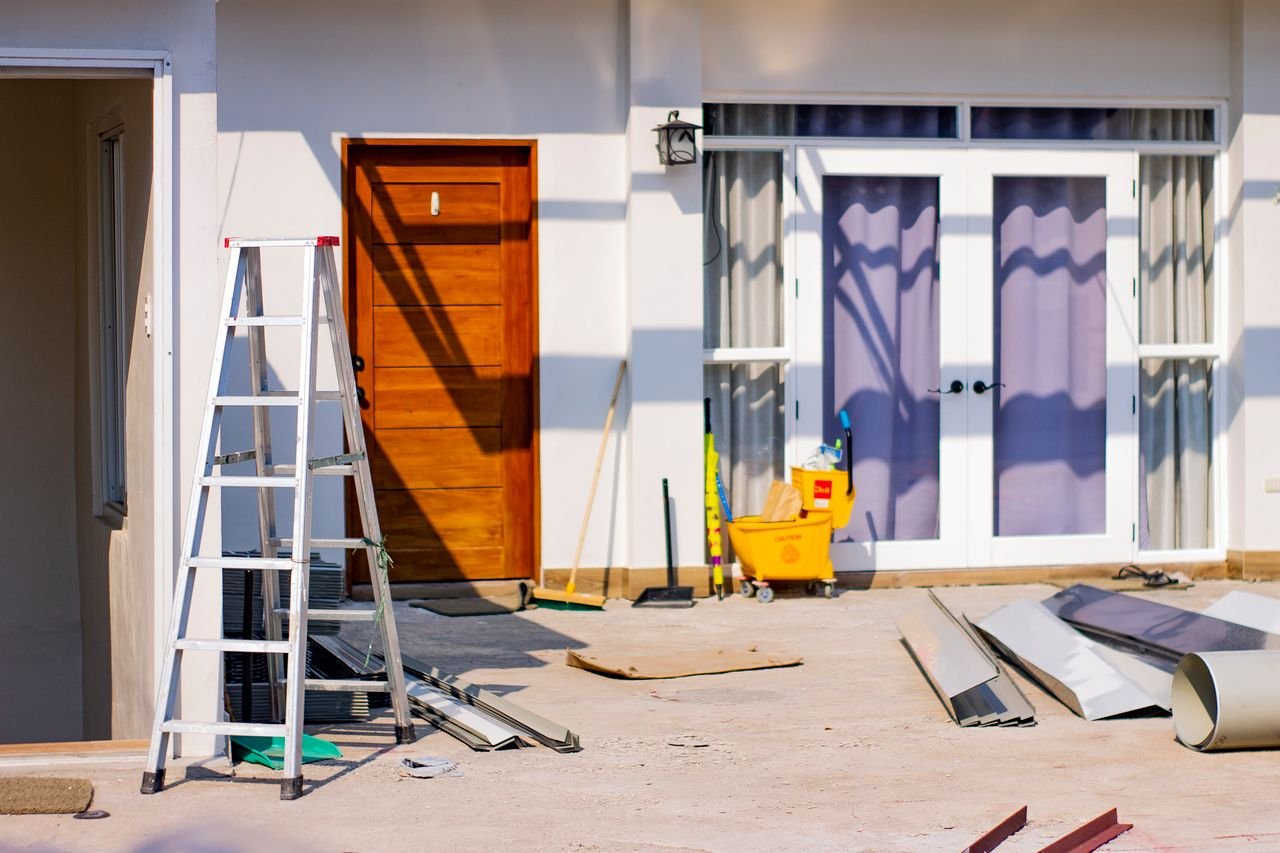
Kitchen remodels can reveal hidden costs not listed in initial quotes, particularly for Pittsburgh homeowners. A short framing of scope helps: budgets must include direct material and labor costs, along with a buffer for regulatory and structural impacts that often emerge once work begins. Here are discrete areas to plan for and examples to make the trade-offs clear for home improvement projects.
Permit Delays
Permit processes can add days to weeks, especially for major home improvements like moving load-bearing walls or altering electrical service, which typically require city approval and inspections. In certain districts, this can take anywhere from two to six weeks on its own. It’s crucial to factor that time into any target listing date to avoid delays, particularly for homebuyers. Use contractors who have pulled permits in Pittsburgh before and can provide permit numbers and inspection dates, as their familiarity can expedite communication with city offices. When possible, file early and request phased inspections to keep other trades moving while approval is pending.
Unexpected Repairs
Hidden conditions are the norm once you begin demolition during a home improvement project. Copper pipes might be corroded, knob-and-tube wiring still runs through the house, subfloors are waterlogged, or there is mold behind drywall. Reserve at least 10 to 20 percent of the remodel budget for these surprises; for older homes, budget more. Repairing a rot-damaged joist or swapping out electrical panels can add thousands of dollars and days to the schedule. Addressing these problems promptly is essential. Delaying a structural fix will compound costs and risk failed inspections, which can affect home value. Maintain good records and receipts of any repairs to demonstrate to potential buyers that you have had the work done.
Living Expenses
A remodel that effectively makes your kitchen ‘out of commission’ alters your household expenses. Calculate additional costs for eating out, buying new cooking equipment, or temporary housing if your home is unlivable. A bunch of three might spend an extra $200 to $400 per week on food alone. Reduce impact by staging temporary kitchen areas, batching high-disruption tasks, and working with the contractor on work windows. Overrun projects impact quality of life as well, potentially delaying staging and photography for listings, which carries an indirect cost to time on market and buyer perception.
Checklist: contingency fund, permit timeline, inspection schedule, contractor permit history, documented repair receipts, temporary living budget, phased work plan, staging timeline, and communication protocol with contractor.
Why Timing Your Project Matters
There are many reasons why it matters when you complete your home improvement project! Begin with a small dose of seasonality, lead times, and other market signals to time your renovations to be complete ahead of listing, showcasing your home when potential buyers are most energized.
Schedule Kitchen Remodels To Align With Peak Selling Seasons In Pittsburgh For Maximum Exposure.
Pittsburgh’s peak buyer activity typically occurs in spring and early summer, making this an ideal time for homeowners to consider strategic updates. Increased listing traffic during these months comes from sellers eager to move before the next school year or to take advantage of better weather for inspections. To maximize home value, ensure visible work, such as new cabinets, counters, and fixtures, is completed at least two weeks before listing. For instance, if aiming for a May listing, begin demo and ordering by January to accommodate 12 to 16 weeks of lead time for custom cabinets and contractor scheduling.
Avoid Starting Major Renovations Too Close To Your Desired Listing Date.
Starting big projects within six to eight weeks of your target listing creates risk, including delays, hidden defects, and poor staging. Even minor delays in material lead times or inspections can shift your listing into another market window. If you’re pressed, constrain your updates to cosmetic improvements buyers appreciate, such as paint, hardware, lighting, and countertop resurfacing. A homeowner who begins a full kitchen renovation four weeks before listing often ends up selling while still living amid construction, which usually lowers offers.
Consider Market Trends And Buyer Activity When Planning Your Project Timeline.
Monitor neighborhood inventory, median days on the market, and sale-to-list ratios. If similar houses are moving quickly, a small well-timed home improvement can increase home value and velocity. If the market is sluggish, lavish spending on major renovations might not return a profit. Focus on inexpensive, high-value changes. Use metrics: if similar homes sell within 14 days and list at 5 percent over ask, finishing work before that cycle maximizes return. If days on market go above 60, decelerate and trim expenses.
- Set target listing month based on local sales data.
- Define scope: cosmetic vs. full remodel.
- Get quotes and lead times from contractors and suppliers.
- Build buffer: add 20% time for delays.
- Complete major work 2-4 weeks before professional photos.
- Stage and photograph home within one week of completion.
- List at start of chosen market window.
The Contractor’s Role In Resale Value
Choosing your contractor is crucial as it directly influences how a kitchen remodel impacts home value. A great contractor doesn’t just install cabinets and counters, but they ensure design decisions, material quality, and construction methods align with what potential buyers in your area prefer. They also manage timing and budget effectively, ensuring your home improvements are completed before the window of listing opportunity narrows.
Choose A Qualified Kitchen Contractor Pittsburg Homeowners Trust For Quality Design And Construction.
Select contractors with proven local experience and a history of home improvement projects. Check for licenses, insurance, trade references, and before/after photos. Request itemized bids that break down labor, materials, and allowances so you can compare apples to apples. Ask the contractor for a site visit report that notes structural issues, plumbing, or wiring upgrades and provides realistic timelines. A licensed contractor who documents replacing an old gas line and permits the work will prevent last-minute delays that cut into staging time and homebuyer interest.
Ensure Your Contractor Understands Local Market Trends And Buyer Expectations.
Contractors who ply their trade often in Pittsburgh know the finishes, layouts, and appliance levels that appeal to potential buyers in that market. They can suggest mid-range appliances and hardy countertops to match the surrounding comparable sales, avoiding expensive custom work that won’t be recouped. Request a home value checklist indicating recent nearby sales and which kitchen items matched with higher sale prices. For example, in neighborhoods where open-plan kitchens matter, targeted cosmetic updates like removing a non-load-bearing wall may yield a greater return than premium stone countertops.
Leverage A Design-Build Firm For Streamlined Project Management And Superior Results.
A design-build firm, such as Carey Bros. Remodeling, brings together design, engineering, and construction under a single contract, which can significantly enhance home improvements by eliminating coordination voids and frequently decreasing aggregate time to finish. This model provides a single source of accountability for scope changes and cost control, streamlining permit pulls and inspections. Homeowners should ask for a project schedule with milestones and contingency buffers, as this can optimize their home renovation project efficiently.
Highlight The Value Of Working With Experienced Contractors To Maximize Your Kitchen Remodel Investment.
Skilled contractors anticipate surprise expenses, suggest affordable alternatives, and record work for home appraisal and inspection, which can significantly impact home value. They generate clean punch lists and offer warranties and maintenance notes for new systems, encouraging higher appraisals and easier negotiations for potential buyers.
Conclusion
A quick math test aids most sellers. Lower-cost updates and neat staging raise appeal quickly and for less money. Full gut remodels add value only in select Pittsburg neighborhoods and with tight budget control. Pittsburg buyers like durable counters, fresh paint, modern lighting, and good flow between the kitchen and living areas. Local contractor bids and permit timelines mold final cost and sale date. Add 5 to 10 percent to your budget for surprises.
If the house sits in a hot pocket and you need every last dollar, a carefully aimed remodel can, indeed, pay off. If not, concentrate on showing well-fixed and buyer-work reductions. As a next step, get two local bids and a market comp report to see which path fits your goals.
Frequently Asked Questions
1. Is A Kitchen Remodel Worth It Before Selling In Pittsburgh?
A full kitchen remodel will increase appeal but seldom returns 100 percent. Targeted cosmetic updates can yield better ROI. Select home improvements that add perceived value and appeal to local homebuyers.
2. What Updates Give The Best Returnin Pittsburghg?
Refinishing cabinets, replacing countertops, updating lighting, and installing modern hardware are strategic updates that enhance home value and attract potential buyers without a big price tag.
3. How Do I Calculate Remodel ROI For My Pittsburg Home?
To estimate upgrade costs effectively, consider looking at comparable sold homes and deducting from the expected sale price increase. Consult with your realtor for targeted cosmetic updates and local comps.
4. Can Staging Replace A Remodel In Pittsburg?
Yes. Staging is usually a perception enhancement at a lower price, emphasizing layout and finishes. This assists potential buyers in visualizing the home’s possibilities without serious construction needed.
5. How Do I Choose A Contractor To Maximize Resale Value?
Choose a licensed contractor with local references and a portfolio of home improvements that appeals to potential buyers. Take multiple bids, establish clear timelines, and obtain written warranties to protect your investment.
Choosing The Right Contractor For Your Home Remodeling Project
Choosing the right contractor can make the difference between a remodeling project that feels smooth and organized and one that quickly becomes stressful. You’re investing in your home, so the team you hire should bring experience, clear communication, and a process that keeps everything on track from the start.
Homeowners across Contra Costa County, including Walnut Creek, Danville, Lafayette, Orinda, Concord, San Ramon, Moraga, Pleasant Hill, Martinez, and Alamo, often see the best results when they work with a contractor who begins with careful planning. A good contractor will take time to understand how you use your home, what isn’t working, what you want to improve, and how your budget fits into the project.
Many homeowners benefit from working with a design-build contractor, where the same team handles both design and construction. This approach keeps communication clear, decisions moving forward, and the project aligned from concept through completion.
Whether you’re remodeling a kitchen or bathroom, updating living spaces, or improving accessibility, choosing the right contractor helps ensure your renovation moves forward with clarity and confidence. Carey Bros. Design & Build Remodeling works with homeowners across Contra Costa County to guide projects from the first consultation to the final walkthrough. Reach out today to start planning your project.
Disclaimer
The materials available on this website are for informational and educational purposes only and are not intended to provide legal, financial, or professional construction advice. You should consult with a qualified general contractor, architect, or other relevant professionals before making decisions regarding remodeling, construction, or home improvement projects. Don’t act or refrain from acting based on any content included on this site without seeking appropriate professional guidance. The information presented on this website may not reflect the most current building codes, regulations, or industry standards. No action should be taken in reliance on the information provided on this website. We disclaim all liability for actions taken or not taken based on any or all of the contents of this site to the fullest extent permitted by law.