
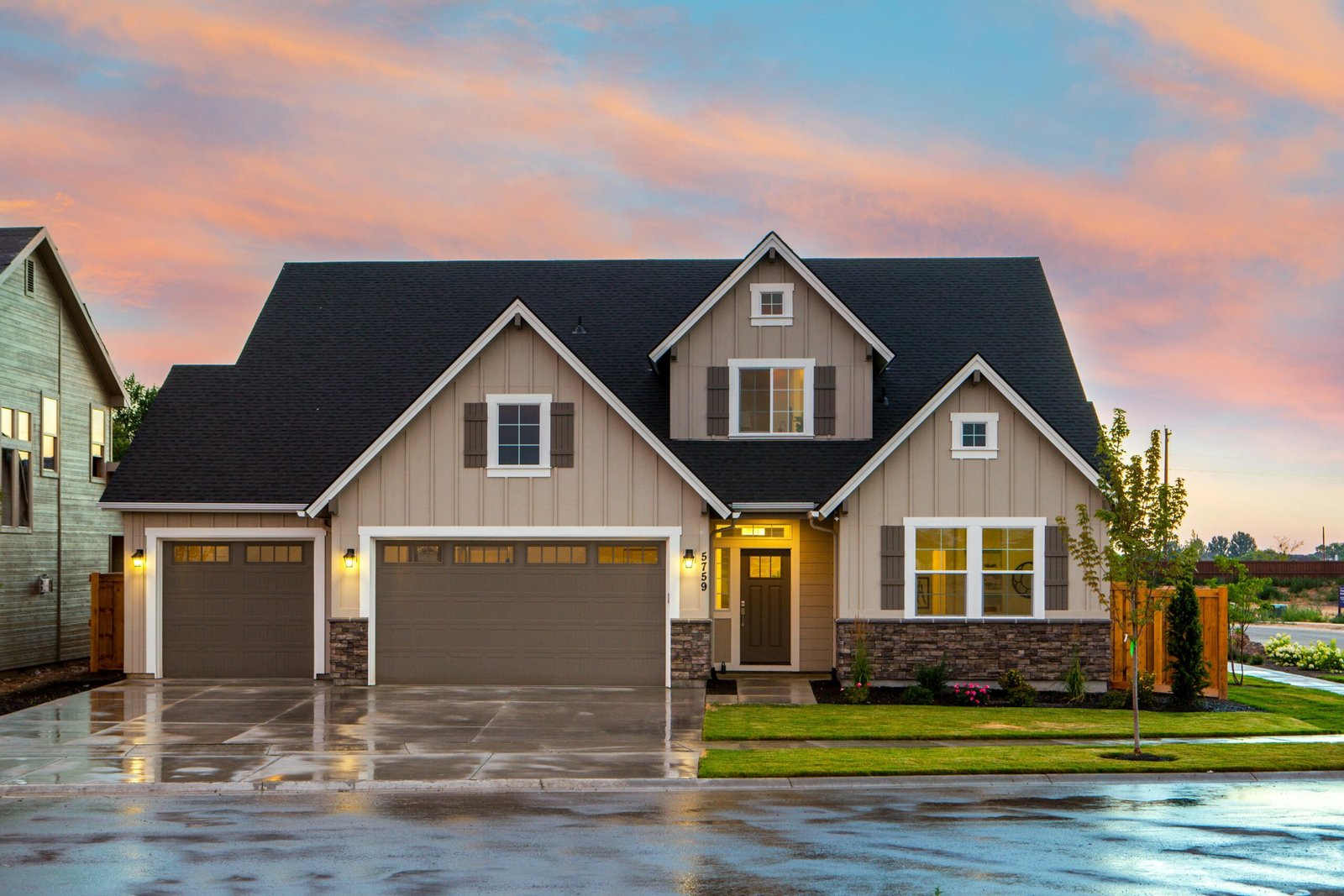
As for timeline, a full home remodel can often take four months to over a year from start to finish. It really depends on the size of the home, the scope of work, and how well-nuanced your plan is prior to work beginning. For a smaller home or lighter updates, work could finish in four to six months. A full-scale remodel for a big home can stretch to ten months or more, especially if you have shifts in plan or supply delays. Working with a seasoned contractor, having a good idea of the work, and making quick finish selections can expedite the process. My general guidance below explains more about what influences the timescale and how to plan for each phase.
Key Takeaways
- Home remodeling timelines are notorious for being unpredictable, with unforeseen hiccups pushing projects well beyond their original timeframe. It is important to establish clear and achievable deadlines with your contractor early on.
- By breaking the renovation into distinct stages and defining timelines for each phase, you improve project management and maintain accountability.
- Project complexity, decision-making speed, supply chain issues, and labor availability are key considerations that can greatly affect your remodel’s timeframe.
- Being open, honest, and proactive in your communication and planning with buffer periods and checklists will help you avoid unneeded delays.
- By anticipating and accounting for hidden stages like permitting and behind-the-scenes work, you can avoid unexpected snafus and stay concrete about your project’s actual momentum.
- Timely decision-making and collaboration among all stakeholders will reduce delays due to indecision, communication gaps, and financial obstacles, which will create a smoother remodeling experience.
The Remodel Timeline Illusion
A full home remodel never runs as fast as the plan. The gap between ideal and actual schedules determines how long a project really takes. The remodel timeline illusion pops up when homeowners assume work will proceed faster than it can. This occurs because they don’t include the time for planning, design, and everything leading up to construction. The intricacy of the work, material delays, or permit waiting can extend the timeline. Locking in your design choices early, setting clear expectations with your contractor, and getting regular updates all diminish this illusion.
|
Ideal Timeline (weeks) |
Realistic Timeline (weeks) |
|
|
Planning & Design |
2–4 |
4–12 |
|
Permitting |
1–2 |
2–8 |
|
Construction |
8–12 |
12–24 |
|
Final Inspections |
1 |
2–4 |
|
Total |
12–19 |
20–48 |
The Ideal Schedule
An ideal remodel schedule implies no delays, immediate decisions, and a fast flow from beginning to completion. In this scenario, every phase progresses as scheduled, crews are never idle, and materials arrive just in time. The dream timeline is useful as a guide, allowing you to determine whether your remodel is on track or slipping behind.
Key milestones in an ideal schedule:
- Finish all planning and design work
- Approve the final design and lock in choices
- Get all permits and approvals
- Start demolition and prep work
- Complete rough construction (framing, wiring, plumbing)
- Finish interior and exterior work
- Pass final inspections and approvals
The Realistic Schedule
In real life, not many projects follow the dream path. Last-minute design changes, waiting on permits, or supplies stuck in shipping cause delays. Even tiny decisions, such as selecting tile or paint, can stall the entire project. Labor shortages or redesigns can drag things out even further. Constructing additional time for these delays can transform a stressful remodel into a smooth one.
To regain control over your projects, insert buffers into each step. Routine meetings catch problems early. When you understand the usual culprits, like extensive permit waits or backordered materials, you can prepare in advance and reduce downtime. Realistic timelines make it easier to manage your money, set clear goals, and keep everyone on all sides in sync.
The Unseen Schedule
Hidden behind every remodel, a lot of work is not visible. Stuff like measuring, ordering, and double-checking plans before a single wall gets taken down. There’s the downtime caused by having to coordinate between trades—electricians, plumbers, inspectors—if they’re not well managed. Frequent updates ensure everyone is on the same page and uncover any hidden issues right away.
Sometimes work halts, waiting on answers to new questions or unplanned fixes. Homeowner input counts. Slow decisions or last minute changes can tack on weeks. Knowing these invisible stages helps set reasonable expectations and reduces unexpectedness.
Your Whole-House Renovation Schedule
A whole-house renovation occurs in phases, with different tasks, timetables and decisions in each. The majority of our projects take four to eight months, although our larger remodels, namely those with structural changes, can extend to a year or longer. It all depends on the scope of work, the size of the home, and the degree of customization. Pre-construction planning, design and permitting can easily add weeks before any physical changes start. Early, clear decisions on the design and finishes can help move things along, while indecision or late changes usually cause delays that extend throughout the schedule.
The Vision Phase
Defining your renovation agenda. This is the stage in which you define how you want your home to look and operate. Whether it’s images, online inspiration or touring model homes, gathering inspiration can help you and your design team get on the same page. Working side by side with designers, your concepts are grounded with consideration for what is possible and what will work together, helping you avoid expensive switcheroos. Establish a firm design decision timeline. Waiting on layout or finishes could postpone the construction start.
The Professional Phase
Bringing in qualified professionals, such as contractors, architects, and engineers, early smooths planning and sidesteps blunders. Contracts and agreements are worth a close review so everyone is on the same page regarding expectations and deliverables. Early contractor meetings are ideal for discussing timelines, budgets, and project scope while bringing up any issues. Securing your team’s availability is an easy yet crucial step to avoid scheduling conflicts.
The Approval Phase
Permitting is a bottleneck. Knowing your local ordinances and collecting the necessary paperwork ahead of time can help expedite this step. You have to communicate with the local government about approval timelines since you need to build waiting periods for permits, sometimes weeks, into your master schedule.
The Demolition Phase
Demolition can last a couple of days to a few weeks, based on the size of the home and how much you are changing. Working hand-in-hand with your contractor is required to stay safe and stay out of each other’s way. Debris removal and site prep extend your schedule but are essential for a fresh construction launch. Recording any scope creep during this stage will keep everyone on the same page.
The Structural Phase
Structural repairs and changes—framing, foundation work, or major wall removals—that will really set the schedule. Inspections at this stage are necessary to confirm safety and code adherence. Tell builders immediately about any required changes. This stage can take a few weeks for big or complicated endeavors.
The Systems Phase
Plumbing, electrical and HVAC installations overlap frequently, necessitating coordination between trades. Delays are common here, typically for inspections or for system testing. Your schedule for this stage depends on the complexity of your project and the speed of the teams. Being in the know on your schedule keeps you one step ahead of any issues.
The Finishing Phase
Here’s when it starts to feel like a home again. The cosmetic update timeline—flooring, paint, cabinetry—depends on the scale and whether supplies are in stock. Picking out finishes early is crucial. Backorders or custom orders can delay your timeline. Final inspections are planned to verify excellence. Any finish changes should be conveyed last minute, quickly, to avoid hold-ups.
The Final Phase
A careful final walkthrough pinpoints anything left to fix. Punch list items, which are small fixes or adjustments, are usually completed within a week or two. Closing out permits is essential before you move back in. A quick team review meeting makes sure nothing slipped through the cracks.
What Stretches Your Timeline?
Many factors shape how long a full home remodel takes. Planning, project scope, and outside forces can all cause delays. Below is a list to help assess how project complexity can impact timelines:
- Think bigger homes and renovations take stretching your timeline by weeks or months.
- Structural changes, such as moving walls, demand skilled labor and permits.
- To give you an idea, cosmetic updates, such as painting or flooring, require less time than a complete overhaul.
- Projects requiring specialized labor, like detailed tile work or custom cabinets, can extend the timeline.
Project Complexity
What stretches your timeline is often the scale and scope of your remodel. For a straightforward kitchen or bathroom update, this timeline could be as little as a few weeks. Whole-home renovations, particularly for bigger homes, can go on for a few months easily. If structural changes are required, such as moving walls or adding new rooms, the process generally will require more planning and more inspections. Specialized labor, like electricians or plumbers, sometimes can’t swing by immediately, so their timelines can introduce additional waiting. Major overhauls, such as upgrades to infrastructure like wiring or plumbing, will almost always extend your timeline more than superficial updates.
Decision Delays
Homeowners’ indecision or last-minute design changes tend to be the biggest timeline stretchers. Not nailing down key layout or finish decisions early has contractors waiting and creates a cascading effect that stalls work everywhere. Imposing a hard deadline on selecting fabrics and designs accelerates the timeline. Frequent check-ins with your contractor keep decisions from stretching your timeline. A transparent decision-making process outlining who can approve what and when can prevent weeks of spinning wheels.
Unforeseen Issues
Every remodel encounters surprises, whether it’s concealed water damage or obsolete wiring. Recording problems as they arise records their effect on your timeline. Identifying these problems and sharing them quickly with your contractor gets you much faster solutions. Constructing contingency plans, like additional days for bad weather or sluggish inspections, can help keep the project on track even as things go awry. Harsh weather, such as heat waves or torrential rain, definitely shuts down work until it’s secure to proceed.
Supply Chain
- Keep a list of critical materials to avoid delays.
- Collaborate with dependable vendors to ensure you receive supplies on time.
- Keep alternatives in mind if something stretches your timeline.
- Update your list as you go so you do not forget something.
Labor Shortages
Labor shortages are everywhere and will make your remodel timeline drag a ton. What stretches your timeline? Keep in contact with your contractor about labor availability and be prepared to shuffle schedules if necessary. Flexibility comes in handy when handling gaps in the workforce or unexpected absences.
The Human Element of Delays
Full home remodels are almost never simple. Delays can stem from more than supply chain issues or weather. It’s the human element — personal preferences, communication, and finances — that can most affect the timeline. Understanding these factors allows homeowners and professionals to establish reasonable expectations and construct a more seamless process.
Decision Fatigue
Decision fatigue can bog a remodel down with little warning. From paint colors to tile patterns to appliance brands, homeowners are bombarded with options. Eventually, this results in delayed mechanisms and hesitation. They’re typical when every detail requires approval or when stakeholders have conflicting input.
Stepping away from the decision for a day or two can help us all regain perspective. Limiting choices rather than opening 10 samples at a time avoids overload. Early in the project, establishing a decision-making hierarchy where one or two people have the final say can accelerate decisions and maintain momentum.
One of the easiest ways to avoid ripple effects is to lock in design decisions before construction starts. Because of the human element, last-minute changes, such as changing countertop materials after cabinets have been installed, frequently result in additional labor, new measurements, and a domino effect on multiple trades. These revisions can delay finish by weeks.
Communication Gaps
Misunderstandings between homeowners and contractors are a primary culprit of delay. When critical information is omitted or ambiguous, schedules extend. Scheduled meetings, whether weekly or biweekly, keep everyone in the loop and offer a forum for addressing problems early.
With project management tools — like shared calendars or cloud-based platforms — everyone is viewing the most recent schedules, daily logs, and change orders. It allows you to more easily keep tabs on material lead times, change requests, and expectations.
Inviting feedback from everyone involved, not just the decision-maker, has the least amount of confusion. Open communication goes a long way toward trapping issues before they become issues, like a material backorder or a weather delay on roof work.
Financial Hurdles
Budget overruns are the typical excuse for projects to bog down or die. Without early money plans, such holes can halt work until more is found. Establishing a transparent budget, with a contingency line for surprise expenses, avoids many of these problems.
For example, being transparent about budget decisions, such as why some materials were selected or why costs are higher than others, promotes trust and keeps all parties aligned. Material availability, particularly with custom orders, can push the schedule back weeks or months if it is not prepared far in advance. Homeowners who build time into their timeline and who communicate changes can ease tension and navigate delays when they occur.

How to Manage Your Home Remodeling Timeline
To manage a home remodel, you have to stay on top of time and details. A defined schedule, open discussions, and some patience will keep you sane and finish your project on time. They can take a few weeks if you’re doing a small update or six months or more for a complete home overhaul. Permit waits can be anywhere from two to six weeks, and delays occur frequently due to concealed problems, tardy materials, or last-minute modifications.
Plan Meticulously
Start by plotting a plan for each phase of your remodel. Divide tasks and schedule them, such as demolition, electrical, plumbing, and finishing. Give each milestone a target date so everyone has a sense of what needs to get done by when.
Keep checklists for both completed tasks and those still ahead. This assists you in visualizing your progress and identifying potential bottlenecks. Review your plan frequently and adjust it if things shift. For instance, if you find structural issues halfway through the project or if material delivery is delayed, modify the tasks and dates. Early on, lock your design and material choices. Getting finished pre-approved prevents the crew from waiting and avoids last-minute changes that derail your timeline.
Build Buffers
Build in extra days or weeks to cover the unexpected. While planning, consider risks such as sluggish permit approvals, concealed plumbing, or supply chain issues. Establish clear, shared expectations about buffer time with your contractor.
Buffer periods are not wasted. They provide you room to take on surprises with composure, so the project continues forward. Utilize these days for any rework, waiting on inspections, or catching up if a task overruns.
Communicate Clearly
Nice, candid discussions with your crew are essential. Schedule weekly meetings to discuss progress, voice concerns, and troubleshoot.
Post charts or daily logs to keep everyone on the timeline. Request comments so you capture problems early.
Decide Firmly
Decide and commit. If you hold back or second-guess, you’re holding up the entire crew.
Give each team member autonomy over decisions in their domain, but impose firm deadlines on these decisions. This keeps the project fluid and prevents bottlenecks.
Timeline By Remodel Scale
The length of a home remodel depends on how much work you want done and how much you change the space. Homeowners must budget for all phases, not just the construction. This means you have to include steps prior to work, such as plan creation, securing permits, and selecting materials. Any of these can move the total time by weeks or more. Below is a simple table to show how timelines change based on the size of the remodel:
| Remodel Scale | Typical Duration (weeks) | Notable Steps |
| Small | 3–7 | Paint, fixtures, minor upgrades |
| Medium (Deluxe) | 6–14 | Room updates, new floors, moderate layout work |
| Large (Premium) | 7–15+ | Wall changes, custom work, major systems |
Small remodels tend to result in surface changes. Consider new paint, lights or floors in a couple of rooms. These jobs are short, most are completed in three to seven weeks once crews begin. Even minor projects take time for selection and permits. If the city works slow, permits can take two to six weeks. Demolition, while brief, adds one to two weeks.
Medium or deluxe remodels are a little more involved. For example, you might want to update a kitchen, renovate bathrooms, or replace flooring and fixtures in multiple rooms. Plans and permits can add weeks before a hammer swings. Once work commences, anticipate six to fourteen weeks. These projects could require new cabinets, some pipe or wire upgrades, or moving walls. Each stage brings additional opportunities for holdups, such as special orders, municipal inspections, or unearthing hidden issues.
Large or premium remodels encompass significant modifications. Full space reworks, big additions, or full system upgrades fall here. These require months. The build itself can span 7 to 15 weeks or more. Include time for design, custom plans, permits, and sourcing materials. Reworking rooms, custom cabinets, or new HVAC systems all extend the timeline. Delays can come from waiting for city approval or special parts.
Conclusion
The vast majority of full home remodels require somewhere between three and six months. Some get blown out longer and a few end sooner. Detailed plans help, but every assignment has its own unpredictable blend. Crew schedules, weather, and supply hiccups put a damper on timing. Little design or materials choices add time fast. No two jobs look the same. Honest talk with your builder keeps things on track. Be open, ask questions, and observe each phase. A lot can go sideways, but a steady hand keeps the work flowing. For optimal results, maintain defined objectives and believe in every stage. Remodel on the horizon? Discuss your plans or exchange advice with others in the form below.
Frequently Asked Questions
1. How long does a full home remodel usually take?
A full home remodel will take on average four to twelve months. It really depends on the size, complexity, and any unforeseen issues.
2. What factors can delay a home remodel?
Delays typically arise from design changes, permit approvals, supply shortages, or weather. Communication problems between owners and contractors can bog things down.
3. Can I live in my house during a remodel?
Some remodels can keep you in your home, but you may have to move out for major ones for safety and convenience.
4. How do I keep my remodel on schedule?
So plan ahead, set a clear budget, hire experienced professionals, and communicate often. Frequent check-ins catch problems sooner.
5. Does the size of my home affect the timeline?
Indeed, more spacious homes or difficult layouts tend to take longer. More rooms and more details require more time to complete.
6. Why do remodeling projects often take longer than planned?
Unexpected issues such as concealed damage, permit holdups, or design modifications may stretch the schedule beyond the initial estimate.
7. What can I do if my remodel is delayed?
Keep in contact with your contractor, request updates, and review the timeline together. Quick action on any issues that come up helps reduce extended delays.
A Smarter Way to Transform Your Home: Whole-Home Remodels With Carey Bros. Design & Build Remodeling
A whole-home remodel should feel exciting, not overwhelming. You’re upgrading the place you already love, and the process should match that feeling. The difference between a smooth remodel and a stressful one often comes down to how the project is planned and managed from day one. That’s where a design-build approach makes all the difference.
Carey Bros. Design & Build Remodeling simplifies whole-home remodels by handling everything under one roof. We start by listening to how you want to live in your home, what needs to change to better fit your lifestyle, and what your budget looks like. Our design and construction teams work together from the start, so every detail is aligned before construction begins. No handoffs. No mixed messages. Just a clear plan moving forward.
Because the same team designs and builds your remodel, timelines stay tighter and decisions happen faster. This means fewer surprises, better cost control, and a project that keeps moving without unnecessary delays. Whether you’re updating an older layout, improving flow between rooms, modernizing finishes throughout the home, or reworking spaces for a growing or multi-generational family, your remodel is designed to feel cohesive from start to finish.
If you’re ready to remodel your entire home without the stress, reach out to Carey Bros. Design & Build Remodeling. Let’s turn your whole-home remodel into a smooth, well-planned experience from the first conversation to the final walkthrough.
Disclaimer
The materials available on this website are for informational and educational purposes only and are not intended to provide legal, financial, or professional construction advice. You should consult with a qualified general contractor, architect, or other relevant professionals before making decisions regarding remodeling, construction, or home improvement projects. Do not act or refrain from acting based on any content included on this site without seeking appropriate professional guidance. The information presented on this website may not reflect the most current building codes, regulations, or industry standards. No action should be taken in reliance on the information provided on this website. We disclaim all liability for actions taken or not taken based on any or all of the contents of this site to the fullest extent permitted by law.