
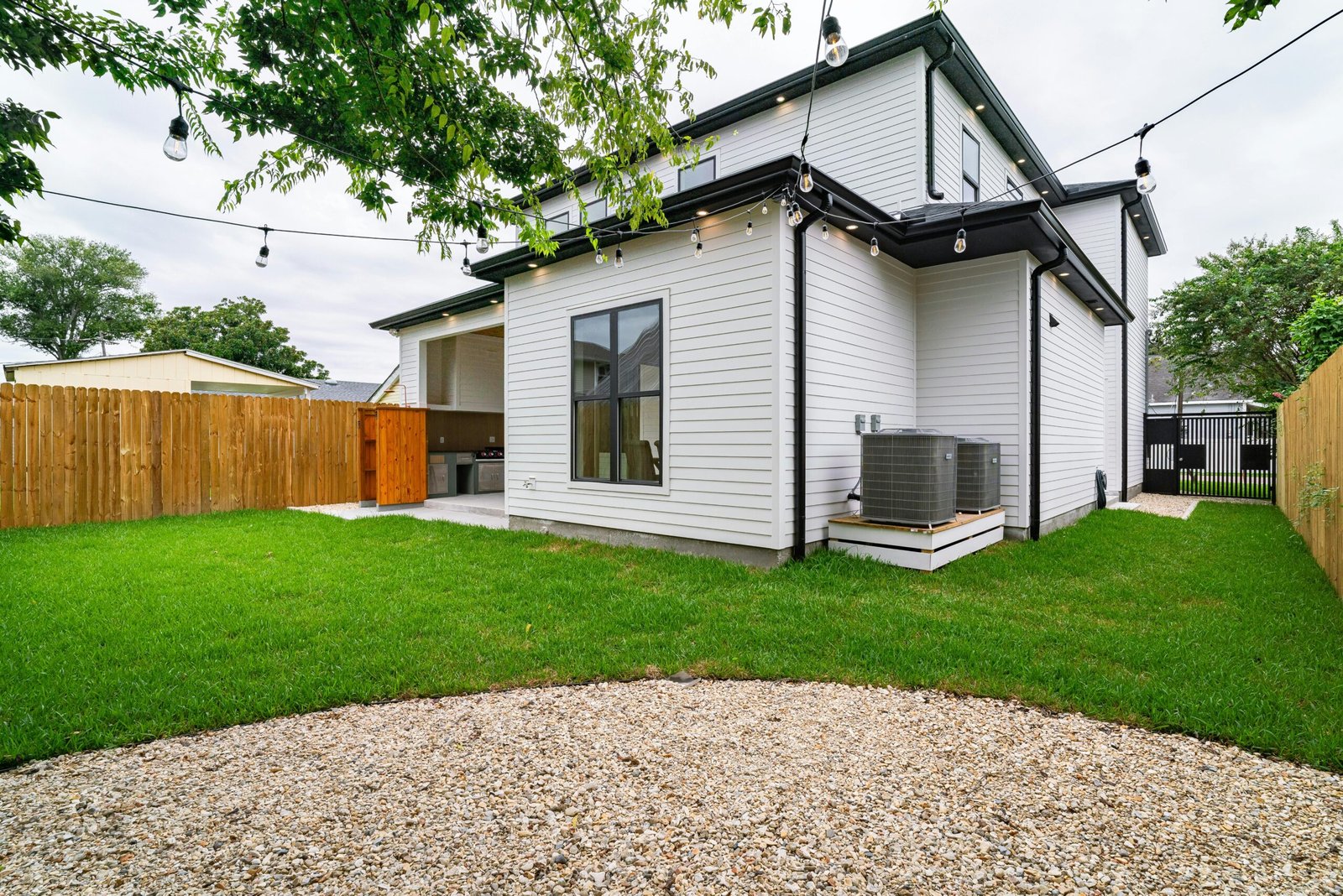
How much does a whole-house remodel cost in Brentwood and the surrounding areas? This includes structural work, new systems, permits, and refreshed spaces such as kitchens and baths. A lot of remodels in this area utilize good materials and tradesmen, which push up prices against other markets. Homeowners frequently spend extra for energy improvements, contemporary layouts, or personalized touches. For large or luxury builds, it can exceed $1 million. Planning, design, and approvals add fees. Knowing this broad price range assists buyers in budgeting and prioritizing needs. In the next sections, discover information that helps demystify costs, describes price drivers, and provides smart planning advice.
Key Takeaways
- Knowing the various cost levels and Brentwood premium impact enables homeowners to establish practical budgets and forecast possible ROI for their remodels.
- Separating cosmetic and structural renovations is important because everything has different cost implications and affects the scope and complexity of the remodel.
- By working out the average cost per square metre, you have a transparent way of figuring out costs, especially for larger properties or big renovation plans.
- It’s crucial to factor in hidden expenses like permit fees, design, temporary housing and contingency, so you don’t get caught short.
- Appropriately distributing your budget between labor, materials, fees, and systems upgrades will save you from surprises. Local building codes will keep you safe and compliant.
- By expanding your financing sources and focusing on the most impactful energy-efficient remodels, you’ll create comfort now and appreciation later while staying ahead of the market curve.
Understanding Brentwood Remodel Costs
Brentwood whole-house remodel costs vary on a wide scale. Where you live, the type of project, and market trends guide your budget. Understanding these cost drivers will enable you to plan with less risk and more clarity.
The Price Tiers
Remodels are divided into three major price groups. Budget projects tend to prioritize more fundamental updates, typically maintain layouts and employ more economical materials. These can begin close to $75,000 for full-house work. Mid-range remodels, such as a kitchen update or modest bathroom, can run $30,000 and $8,000 to $20,000 each. Bigger, more complicated projects, including full gut remodels, high-end finishes, or significant system replacements, can range from $150,000 to $250,000 or more. Small projects, like a paint job or floor or fixture swap, are at the lower end. Major overhauls, like layout changes or adding space, push costs higher. For example, putting half-wall tiles in a double-sized bathroom almost doubles labor and material costs.
The Brentwood Premium
Brentwood real estate’s sky-high demand and ideal location drive up prices. Great schools, amenities, and community add to labor rates and material costs. Brentwood home values have been increasing faster than the national average over the last 10 years, which means Brentwood remodels cost more every year. The Brentwood premium implies that even small-scale remodels cost more than in less desirable areas. This contributes to initial costs and can increase long-run home worth and marketability, particularly if you invest in in-demand overhauls.
Cosmetic vs. Structural
Cosmetics, like paint, fixtures or flooring, are less expensive and complete sooner. Structural changes, such as moving walls, updating plumbing or electrical, or expanding your home, need qualified trade labor and permits, which increase costs. If your primary objective is just an updated appearance, concentrate on cosmetic updates for more value. Structural fixes can address underlying problems and add more space, but expect them to be pricier and take more time. A minor bathroom remodel with fresh paint and fixtures could stay below $10,000, but adding a shower or relocating walls can drive costs well past $30,000.
Cost Per Square Foot
Remodel costs range from $15 to $150 a square foot. Cosmetic-only updates hover closer to that lower threshold, while full-on transformations scale much higher. If your 200-square-meter home costs $75 per square meter, that equals $15,000. More extensive work or luxury finishes can double or triple that amount. Use square meter costs to estimate total requirements prior to creeping.
| Project Type | Cost per Square Meter (USD) |
| Basic Remodel | $150 – $400 |
| Mid-range Remodel | $400 – $1,000 |
| High-end Remodel | $1,000 – $1,600+ |
Project Timelines
A simple remodel may take a couple of weeks to three. Bath or kitchen jobs with layout changes, tile, and specialty work can run up to four to six weeks. Major remodels tend to run two to four months. Permit delays, custom materials, or scope changes can stall momentum. Budget a buffer and milestone track to keep things on schedule!
What Shapes Your Remodel Budget?
What shapes your whole-house remodel costs in Brentwood or any other similar area? Understanding this stuff helps you make smart decisions and dodge budget surprises. Scope, material quality, structural needs, and local regulations all have big impacts.
Project Scope
A defined scope of work is crucial. That determines what rooms you upgrade, what type of changes you desire and how far you go, whether you paint the walls or knock some down. Big projects consume more time, labor and materials, driving costs way up. For instance, kitchen remodels tend to be in the €28,000 to €70,000 range, whereas bathrooms fall closer to €14,000 to €33,000. Adding floors or rooms onto your plan can drive up costs quickly. Scope creep, also known as tacking on work halfway, causes budgets to blow up and deadlines to slip. What drives your remodel budget? List out all the work in detail. Give this to your contractor, so all parties are on the same page and your costs don’t spiral.
Material Quality
Selecting materials requires compromises. High-end tile, stone or environmentally-friendly flooring is more expensive, but it tends to have a longer lifespan and adds value. Standard finishes will fit your boundaries better if you’re keeping an eye on your expenses. Hardwood floors, for example, cost more than laminate, but wear better. High-end finishes in kitchens or baths can assist in home resale. Create a menu of choices for walls, counters and floors, and fixtures. Compare price, quality, and appearance. This step keeps decisions focused and helps manage your budget.
Structural Work
Structural work leads to hidden costs. Fixing beams, moving walls, or upgrading wiring can add thousands to your tab, particularly if you encounter old damage or code problems. Just be sure that the house actually needs these fixes. Bring in professionals to review the space prior to establishing your budget. They can identify safety hazards or items that need to be brought up to local codes. Budget at least 20% more to cover these unknowns.
Local Codes
Local rules both drive costs and timelines. Most cities require permits for significant remodels, with fees ranging from €47 to €1,700 depending on the work. Codes might require upgrades to wiring or plumbing, which leads to additional expenses and inspections. City rules change and slow your project, so keep up with them. Create a checklist for all required permits and inspection dates. This keeps you out of penalties and setbacks.
The Hidden Costs of Remodeling
Whole-house remodeling in Brentwood and neighboring communities frequently exceeds materials and labor. Hidden costs can surprise even the most savvy homeowners. These unconsidered costs can easily drive projects way over budget. Knowing these costs ahead of time will help you prepare a remodel with fewer financial surprises.
Permit Fees
Building permits are, of course, a legal necessity in the majority of remodels. Costs can vary significantly, but the average in Brentwood is around $1,602. For intricate projects, you could require more than one permit, such as structural, electrical, and plumbing, which compounds the cost. Not obtaining the proper permits can get you fined or shut down. Making a checklist of needed permits early in your planning phases will keep you in compliance and out of sudden-cost land.
Design Services
Professional design services can take your project to the next level, enhancing both style and function. If you bring in designers, architects or engineers, they typically charge $70 to $250 per hour based on their experience. Design chats and re-dos are typical, and each one can rack up your final invoice. Many consider this optional, but an experienced designer will add to your property’s value and may save you money by preventing expensive errors. Looking up some respected designers in Brentwood and browsing their portfolios and rates allows you to make an educated decision.
Temporary Housing
Significant remodels might force you to abandon your home for a matter of weeks or even months. Temporary housing expenses pile up quickly, particularly if you require short-term apartments in the city. Project length allows you to budget this cost realistically. Others stay with family, while some find inexpensive apartments to rent. Don’t forget to add a line item for temporary housing into your overall budget to get the full financial picture.
Contingency Funds
Remodeling is full of hidden costs. Hidden damage like mold or water intrusion, for instance, can run between $1,300 and $3,150 for professional removal. Foundation repairs can begin at $500, but they can easily surpass $10,000. Reserve at least 10 to 20 percent of your budget as a contingency. Reserve this outside of your primary budget so you don’t overspend. Revisit and revise your fund as your project changes and unanticipated problems occur.
Where Your Money Actually Goes
A whole-house remodel in Brentwood and surrounding areas comes with a range of financial obligations. Knowing where your budget is going sets expectations. The breakdown below provides a great perspective on key cost centers and arms you with the ability to design a remodel more savvy.
| Expense Category | Typical Budget Share (%) | Key Factors |
| Labor | 40–60 | Local rates, project complexity, team |
| Materials | 30 | Quality, sourcing, custom features |
| Professional Fees | 10–15 | Architect, designer, permits, oversight |
| Systems Upgrades | 10–20 | Age, code, energy savings |
| Contingency | 10–20 | Unplanned issues, cost changes |
Labor
Labor is the biggest chunk of most remodel budgets, usually clocking in at 40 to 60 percent of the cost. Skilled trades, such as carpenters, electricians, and plumbers, all charge different rates that vary significantly from area to area. In locations such as San Francisco, labor costs often exceed what you pay for materials. The sophistication of your remodel ties into labor. More complex projects with custom work or structural changes require specific craftsmen, and their rates increase as well.
Contractors will bid on your project. By comparing a few bids, you can be sure you’re getting fair prices and the right skill level for your project. Labor is not just a cost. Picking the right crew impacts the quality and timing of the entire remodel.
Materials
Materials consume approximately 30% of your budget. Decisions in this area impact durability and aesthetics in a big way. Upgraded features such as quartz countertops can add between €2,800 and €5,500 to the price, and custom cabinets may add between €9,000 and €27,000 or more. They vary by brand, supplier, and grade.
Create a materials list before you begin. Shop around for prices from multiple vendors and try local sourcing to reduce shipping costs and support your community. Material costs can vary depending on your taste and the project, so tweak the plan accordingly.
Professional Fees
Professional fees usually 10 to 15 percent of your budget pay for architects, designers, and project managers. These professionals assist in transforming your vision into actionable strategies and keep the operation humming. Fees are based on the intensity of your involvement and your project. Permits alone can, in parts, run from a few hundred to several thousand euros, with approvals requiring weeks or months.
Think about who you might hire and verify their rates to get it right. Find out the norms for the industry in your area and make sure you are paying the right rates.
Systems Upgrades
Systems upgrades, while critical for safety and efficiency, are often invisible. Plumbing, electrical, and HVAC updates can make up 10 to 20 percent of your budget. The age and condition of your existing systems will drive your priorities. Upgrading to more efficient setups might add to initial expenses but can reduce utility costs long term.
Create a systems checklist to check out before launching. Add potential upgrades so there are no construction surprises. Always plan a contingency of 10 to 20 percent for surprise costs or code needs that materialize after work starts.
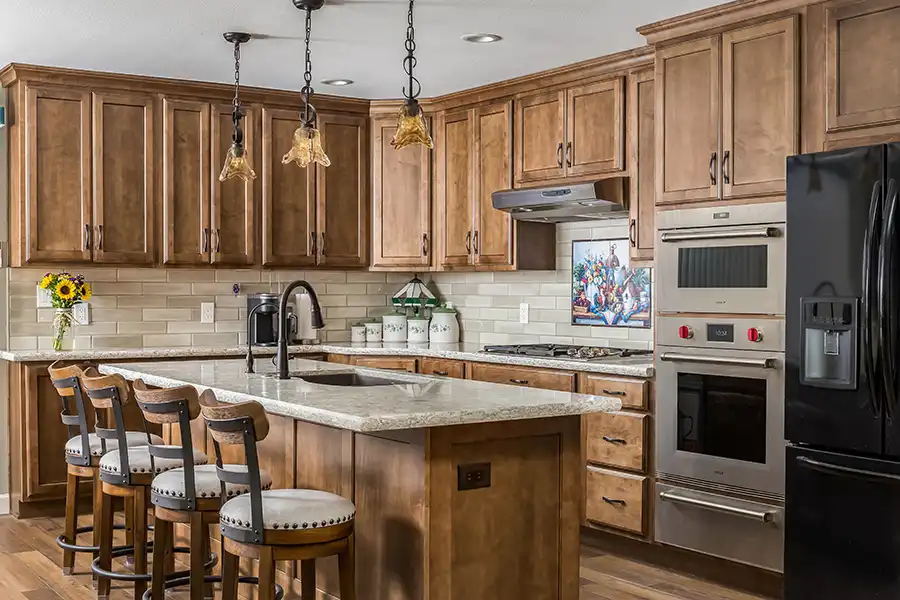
Smart Financing for Your Project
While remodeling a whole house in Brentwood or surrounding areas can be a huge investment, a well-structured budget doesn’t just help you avoid surprises; it can save tens of thousands of dollars over the course of the project. Given that whole-house remodels can average $40,000 to $75,000 and costs per square meter can vary from $1,076 to $4,305, smart financing is a must. Financing comes in many flavors and each has its benefits. As a homeowner, you need to chart which projects to tackle first, always prioritizing the highest ROI improvements, particularly if you’re planning to sell in the next few years.
Home Equity Loans
Home equity loans allow you to borrow against your home’s existing value, which makes them a favorite financing option for bigger renovation work. Lenders will generally let you borrow up to 80% of your home’s appraised value, minus your current mortgage, so determining your equity is step one. If your home is worth $600,000 and you owe $300,000, you will have access to up to $180,000 for your project.
Interest rates for home equity loans tend to differ among lenders, so it pays to compare. Fixed rates can make your monthly payments predictable. Be sure to compare their APR and read their fine print about early repayment or penalties.
This is why budgeting for repayment is key. Step 2: Smart Financing for Your Project Allow for some surprise expenses. These can be ten percent of the renovation total. A contingency plan leads to fewer headaches if things change.
Construction Loans
That’s what construction loans are built for. They’re short-term loans that convert to a regular mortgage after the renovation concludes. The process is thorough. Lenders want complete project plans, schedules, and contractor bids before they will approve anything. Be prepared to show income verification and a strong credit history.
Terms vary widely. Some loans charge interest only on what’s drawn. Others may want full payments right away. Smart financing for your project fees and closing costs can be steep, so factor these into your project budget. For a project that might last months, this option provides the most flexibility but requires the most diligence.
Cash-Out Refinance
Cash-out refinancing takes out your existing mortgage and replaces it with a new, bigger one, providing you with the difference for the remodel in cash. It’s a great approach if interest rates are currently lower than your mortgage, as it can reduce monthly payments. It lengthens your loan term and total interest paid.
Your primary benefit is that you can tap into a greater amount for larger projects. Your cost is greater long-term debt. You need to consider these points against other financing options. Map out how you will spend these funds. Keep tabs on overspending and your remodel stays on course.
Maximizing Your Investment’s Value
Whole-house remodels provide the opportunity to customize your space and create value for decades to come. In Brentwood and comparable markets, renovation costs are between $15 and $60 a square foot, amounting to $150 for high-end finishes. With ROI frequently in the 60% range, you’ve got to make sure every euro, dollar, or pound has a long shelf life.
Focus on Function
Begin with function-enhancing upgrades. Kitchens and bathrooms typically yield the highest returns. Midrange bathroom remodels can see a return of up to 80% of costs. Evaluate how your family occupies every room. Is the kitchen open enough for entertaining? Is there sufficient storage in the bathroom? Intelligent layouts and custom built-in shelving can transform wasted corners into usable spaces, streamlining everyday living. A white kitchen is a tested value enhancer, but a trend like an olive green kitchen has added as much as $1,600 to resale value. Consider what works for your lifestyle: mudrooms for a chaotic family or adaptable workspaces for telecommuters. Prioritize these needs, then align upgrades to this. Even modest functional shifts, like improved closet systems, can significantly increase livability and desirability.
Prioritize Energy Efficiency
Energy-efficient upgrades lower bills and attract buyers. If you install new appliances, double-glazed windows or smart thermostats, they can all reduce utility bills. A number of governments and regions offer rebates to defray these costs, so look up local incentives in advance. By using sustainable materials like bamboo flooring or recycled glass countertops, you’re reducing your environmental footprint. Energy efficiency isn’t about savings alone. Green credentials make the home more marketable.
- Upgrade to LED lighting throughout the house
- Install high-efficiency HVAC systems
- Use low-flow water fixtures in kitchens and bathrooms
- Add extra insulation to attics and walls
- Fit solar panels if local conditions allow
Consider Neighborhood Value
Do a local market analysis before you commit. Luxury finishes don’t always pay off in each room, so check out homes like yours in Brentwood and surrounding neighborhoods. Find out which amenities, such as open floor plans, contemporary facades, or spa bathrooms, are sought after. The exterior warrants its own attention because it’s the initial impression buyers make in person and digital. Matching your remodel to the neighborhood standards gets you the most resale value without over-improving. Labor costs, which are 20% to 40% of the project on average, as well as regional price variation, should come into your calculations. It’s easier, though more expensive, to renovate all at once.
Conclusion
Think about price and value when you plan a whole-house remodel in Brentwood and all around it. Local rates vary with the size of your home, the age, and the work you desire. Most people spend a lot on kitchens, baths, and necessary fixes. Little fees and surprise fixes accumulate quickly. Smart loans or lines of credit can help keep your cash secure throughout the work. Smart decisions today can increase your home’s value for a long time to come. To best select your plan, consult with local contractors, review their portfolios, and pose specific questions. For more tips or stories from remodel veterans, visit the blog or post what you learned.
Frequently Asked Questions
1. How much does a whole-house remodel cost in Brentwood?
Whole-house remodel Brentwood normally runs between €1,500 and €3,500 a square meter. Cost depends on design, materials, and labor.
2. What factors affect the total remodeling cost?
Main considerations are house square footage, materials, design, labor rates, and permits. Custom features and upgrades can add to costs.
3. Are there hidden costs in home remodeling?
Yes. Surprise structural fixes, permit modifications, and utility enhancements can all add to your ending invoice. Set aside a contingency budget, always.
4. How can I budget effectively for my remodel?
Begin with a plan and get several estimates. Add a 10 to 20 percent buffer for unexpected costs to keep surprises at bay.
5. What is the biggest expense in a whole-house remodel?
Labor and materials are the biggest costs. High-end finishes and custom work can push costs higher.
6. How can I finance my Brentwood remodel project?
Your choices are a personal loan, a home equity loan, or refinancing. Review rates and terms to ensure you’re getting the best deal.
7. Will remodeling my home increase its value?
A carefully crafted remodel has the ability to increase your home’s value, particularly when targeting kitchens, bathrooms, and energy efficiency.
A Smarter Way to Transform Your Home: Whole-Home Remodels With Carey Bros. Design & Build Remodeling
A whole-home remodel should feel exciting, not overwhelming. You’re upgrading the place you already love, and the process should match that feeling. The difference between a smooth remodel and a stressful one often comes down to how the project is planned and managed from day one. That’s where a design-build approach makes all the difference.
Carey Bros. Design & Build Remodeling simplifies whole-home remodels by handling everything under one roof. We start by listening to how you want to live in your home, what needs to change to better fit your lifestyle, and what your budget looks like. Our design and construction teams work together from the start, so every detail is aligned before construction begins. No handoffs. No mixed messages. Just a clear plan moving forward.
Because the same team designs and builds your remodel, timelines stay tighter and decisions happen faster. This means fewer surprises, better cost control, and a project that keeps moving without unnecessary delays. Whether you’re updating an older layout, improving flow between rooms, modernizing finishes throughout the home, or reworking spaces for a growing or multi-generational family, your remodel is designed to feel cohesive from start to finish.
If you’re ready to remodel your entire home without the stress, reach out to Carey Bros. Design & Build Remodeling. Let’s turn your whole-home remodel into a smooth, well-planned experience from the first conversation to the final walkthrough.
Disclaimer
The materials available on this website are for informational and educational purposes only and are not intended to provide legal, financial, or professional construction advice. You should consult with a qualified general contractor, architect, or other relevant professionals before making decisions regarding remodeling, construction, or home improvement projects. Do not act or refrain from acting based on any content included on this site without seeking appropriate professional guidance. The information presented on this website may not reflect the most current building codes, regulations, or industry standards. No action should be taken in reliance on the information provided on this website. We disclaim all liability for actions taken or not taken based on any or all of the contents of this site to the fullest extent permitted by law.