
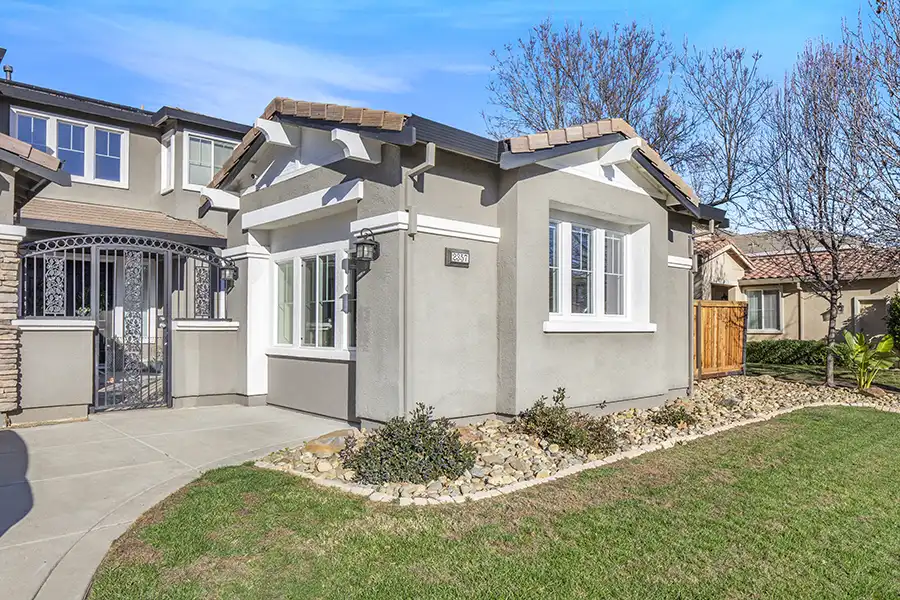
To know if your home needs a whole-home remodel or just partial upgrades, start by checking the age and layout of your home, signs of wear, and if the space still fits your needs. Structural issues, old wiring, or outdated plumbing can indicate a bigger remodel. If only a few rooms feel dated or in need of work, smaller upgrades may be sufficient. Consider your lifestyle and which areas need the most attention. Budget, safety, and your plans for the future all weigh heavily. Understanding the signs and your options will guide you to make the best decision for your space. The following section explains what to look for in detail.
Key Takeaways
- Evaluate your home’s flow, condition, and aesthetic consistency to understand if it requires a complete renovation or if strategic enhancements would be sufficient.
- Consider underlying issues such as structural, systemic, and energy-related problems that typically not only need to be resolved but cannot be resolved in a piecemeal fashion.
- Accept that partial upgrades create mismatched finishes, hidden dependencies, and continued disruption that compromise both aesthetics and everyday functionality.
- Think about the long-term financial impact. Do a little research about how full remodels versus incremental upgrades affect your return on investment and possible future resale value, and weigh that against immediate costs and deferred maintenance.
- Plan renovations based on expected lifestyle shifts and future needs, making sure your home stays flexible, practical, and meaningful.
- Work with architectural experts to tackle the historical, structural, and spatial aspects. Find a remodeling plan that preserves as much as possible while still meeting your modern needs.
Key Signs for Your Remodel Decision
Choosing a whole-home remodel or strategically upgrading means balancing your home’s design, form, and function with your lifestyle, maintenance requirements, and area market expectations. Identifying these key signs guides you toward the most valuable approach.
Layout Dysfunction
When a home’s flow ceases to serve everyday life, issues escalate. You could have kitchens that are separated from living spaces, which makes it difficult for families to interact. Hallways might be tight or rooms oddly positioned, which interferes with flow and coziness. Over time, these minor irritations erode your feeling of alignment and constrain your activities in the space. A layout that continually vexes, like bedrooms that face a noisy road or bathrooms that are too far from the master bedroom, is a sign you need a larger remodel, not a band-aid for one particular zone.
Pervasive Wear
Check floors, walls and fixtures for signs of wear and age. Anywhere there’s high traffic—hallways, kitchens, entryways—wears out first. If you find peeling paint, floorboards with worn-through varnish or cracked tiles scattered throughout the house, topical remedies won’t stand the test of time. When repairs are routine, such as swapping out the same light fixture every year or a fresh coat of paint each season, the problems run deeper. In homes over 15 to 20 years old, frequent patches typically indicate a full renovation is due.
Design Incohesion
A home sewn together through years of piecemeal updates can lose its style. You may experience a state-of-the-art kitchen juxtaposed against a 1970’s living room or mismatched baseboards and door frames. These competing styles disrupt the rhythm and can reduce both comfort and value. Outdated bathrooms, washed-out wall colors, or old lighting can give your entire home that ‘living in the past’ feeling. In historic neighborhoods, haphazard updates can actually damage curb appeal since buyers anticipate harmony with neighborhood character.
Market Lag
Benchmarking your home against comparable properties assists you in determining its place in the market. If homes around you have new roofs, insulation, or kitchens, and yours is behind, the resale value goes down. Return on investment is a key sign for your remodel decision. In Canada, 59% of owners always consider this. Going too far behind can translate to extended time on the market and discounts, particularly if your home doesn’t have trendy features or green improvements.
Project Fatigue
White noise of endless small repairs can seem like a treadmill that never stops. If every month there’s another quick repair or a new enhancement project, it gets exhausting. The mental burden of managing contractors, selecting finishes, and existing in a semi-finished environment accumulates. Over time, the disruption of too many little projects can compete with or even outpace the inconvenience of one good, full renovation.
Beyond the Surface
Whether to undertake a full home remodel or perform some selective upgrades begins with taking a close inventory of what’s beneath the surface. It’s a decision that depends not only on the age and condition of your home, but how long you’re planning to stick around, the systems in question, and your objectives for comfort, security, and efficiency.
Systemic Failures
Systemic fiascos, like pervasive plumbing leaks or antiquated electrical systems, usually require more than band-aids. If your house has had recurring water problems, rusting pipes, or low water pressure everywhere, these could indicate plumbing that has expired. Similarly, if you are experiencing frequent shorts, flickering lights, or a breaker panel that is struggling to keep up with today’s loads, these are all signs of a major upgrade. Structural issues, like sagging floors, cracked foundations, or shifting and cracking walls, are even more critical. These can compromise your safety and can only be discovered during a comprehensive remodel. Fixing all these issues at once is typically much more cost-effective and less time-disruptive.
Room by room upgrades can take years to complete. If you only have a couple of systems on the fritz, this approach can be less invasive and more manageable. If multiple core systems require aging, a full remodel might be your best solution.
Code Compliance
Homes constructed decades ago often don’t conform to current building codes. Old wiring, plumbing, or heating systems usually don’t include the safety features modern standards require. Staying compliant isn’t just about avoiding fines. Modern codes are designed to protect health and safety. Local officials will have the power to demand costly modifications if you attempt to sell or lease a non-compliant property. It’s often the only realistic way of making an older home meet code. A full remodel enables you to tackle all outdated systems at once, rather than incremental upgrades that can accumulate.
Energy Inefficiency
Drafty windows, subpar insulation, antiquated heating or cooling units, and elevated monthly energy bills are all tell-tale signs of an energy inefficient home. To evaluate your home, use this checklist:
- Check windows and doors for drafts or condensation.
- Inspect attic and walls for missing or thin insulation.
- Review energy bills for unusual spikes.
- Test heating and cooling equipment for even performance.
- Look at appliance age and energy ratings.
Going beyond the surface: Upgrading to high-efficiency HVAC systems, smart thermostats, or better insulation during a full remodel can cut costs long-term and raise comfort. For certain individuals, strategic enhancements will suffice, but older homes generally find the greatest blessing in a comprehensive method.
The Domino Effect of Partial Upgrades
If you’re wondering why your home needs a whole remodel or maybe just some partial upgrades, it’s important to step back and understand what a small change can create a domino effect. The domino effect of partial home upgrades rarely answers to isolation. One upgrade can domino through your entire home. These dominoes can be about design and function and even lifestyle.
Unforeseen Dependencies
- Upgrading kitchen cabinets could expose old plumbing or electrical work that needs to be addressed.
- Replacing flooring in one room may reveal uneven surfaces or necessitate changes in surrounding rooms to match.
- Replacing the windows in a bedroom might draw attention to insulation problems in aging portions of the home.
- Installing smart lights in the living room can reveal the necessity for new wiring or updated switches elsewhere.
- This domino effect of partial upgrades
There’s a domino effect to these partial upgrades. For instance, removing a wall to repair insulation could necessitate repairing or even replacing finishes in adjacent rooms. A new state-of-the-art kitchen could make the aging dining room look shabby, thereby encouraging you to begin yet another renovation sooner than anticipated!
Mismatched Finishes
One remodel can tip the style scale of your entire house. If you mix new material or color with older finishes, it can leave the house feeling choppy. A shiny new bathroom with matte fixtures can rub up against outdated brass or woodwork in the hall. The consequence is frequently a room that feels without visual flow or unity.
When your rooms don’t match, the quality of your home’s look goes down. This is particularly critical if you plan to sell in the near term. Buyers frequently pick up on these disparities. Attempting daring new finishes in one room does provide a sense of experimentation, but it can underscore how much the remainder of the space is due for a refresh, making additional projects seem unavoidable.
Compounded Disruption
Partial upgrades have a domino effect. Repeated renovation projects extend the interruption to your life. Each step leads to dust, noise, and partial displacement. This can drag on for months or even years in a phased approach, which helps with budgeting but can fray your nerves or coziness.
If you repair pain points as they arise, you’ll discover that some rooms function beautifully and others stay stuck in the past, silently coloring your experience of your whole house. For those watching their wallet or moving in a few years, staggered work helps mitigate decision fatigue and comfort your bank account.
Analyzing the Financial Impact
Weighing the cost, value, and benefit of a full-home remodel versus targeted upgrades. A wide angle financial perspective provides homeowners with smart priorities and clear expectations.
| Option | Upfront Cost (USD) | Resale Recovery (%) | Ongoing Savings | Personal Value | Contingency Recommended |
| Whole-Home Remodel | 120,000–300,000 | 50–70 | Moderate | High | 15–25% |
| Kitchen Upgrade | 20,000–55,000 | 55–75 | Low | Moderate | 10–15% |
| Bathroom Upgrade | 10,000–35,000 | 50–65 | Low | Moderate | 10–15% |
| Energy Performance Boost | 8,000–30,000 | 60–80 | High | High | 10–15% |
Long-Term Value
A full remodel can make a dramatic difference to your home’s worth, particularly in hyper-competitive urban markets. Well-selected materials and professional installation combined with a classic aesthetic generate enduring value for you and future buyers alike. According to industry research, while returns are rarely 100 percent, high-quality renovations typically recoup 50 to 70 percent of their costs at resale, and best-in-class energy improvements recoup up to 80 percent. For instance, well-insulated homes or energy-efficient windows will appeal to buyers who appreciate the savings and comfort, boosting both marketability and resale price down the line.
Cost of Delay
Postponing required upgrades can increase long-term expenses. Neglect little things such as a leaky roof or old wiring and these can turn into major repairs. Over time, what may begin as a minor repair turns into structural damage, resulting in increased bills and more intricate jobs. Delays erode daily comfort. Living with drafty windows or outdated kitchens can sap joy and even home safety. Responding to issues as they come up safeguards not only your investment but your peace of mind.
Return on Investment
- Kitchen remodels provide a return on investment of 55 to 75 percent and boost daily function and future sale price.
- Bathroom upgrades yield a return on investment of 50 to 65 percent. They improve comfort and have moderate resale recovery.
- Energy upgrades deliver strong returns and cut utility costs with a return on investment of 60 to 80 percent.
- Open-plan layouts can yield up to a 65% return on investment. They modernize living space and enhance appeal and usability.
- Curb appeal (50 to 70 percent ROI): Simple upgrades like new doors or landscaping draw buyers in.
Smart remodels can increase the functionality and appearance of your home. Not all projects will pay off on resale, but investing in the things you use every day endures.
Aligning with Your Future
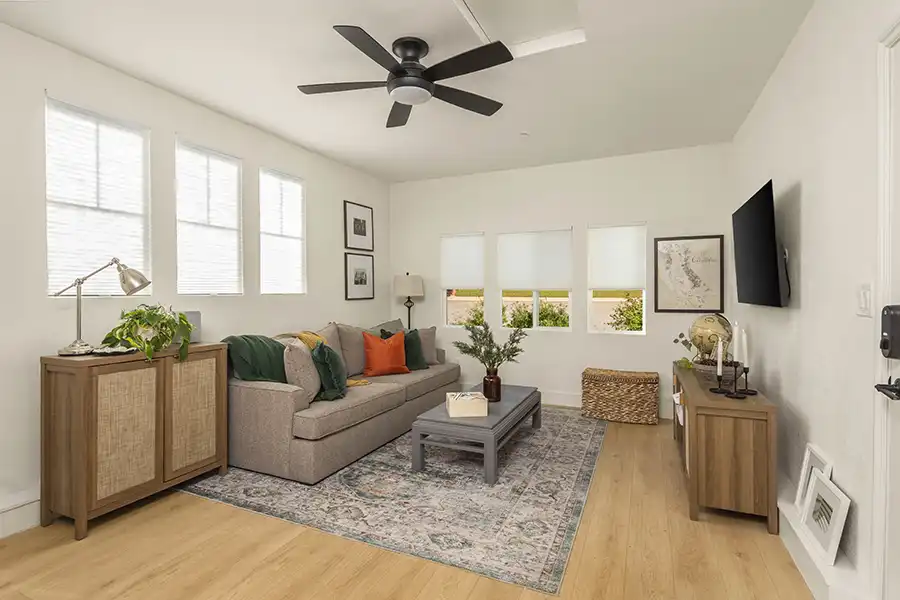
Aligning your home with your future is more than fresh finishes or additional square footage. It’s a thoughtful consideration of how your life and ambitions are going to evolve and how your living space can accommodate those changes. This exercise calls for you to balance family, work, comfort, and timelessness in your home with pragmatism, efficiency, and versatility.
Lifestyle Shifts
Families evolve. Expanding families might require more bedrooms, extra bathrooms, or multi-purpose spaces for working and studying. If you’re inviting in older relatives or preparing for kids, open layouts or accessible design may promote better flow and safety. Even if you live solo, a remote work setup, hobby space or home gym can tailor your space to your needs. How you utilize your kitchen or living spaces may change as your schedule fluctuates or you host more.
Notably, your lifestyle will probably shift once more. For instance, what if your work-from-home status changes tomorrow and your space is required for guests or a kid’s study nook? It’s clever to build in layouts and elements that adapt to various uses, such as sliding walls or modular furniture. Keeping tabs on these needs assists in determining whether a full remodel is justified or if targeted upgrades are best.
Future-Proofing
Future-proofing is about selecting styles and materials that last for years. Styles that don’t age, such as neutral colors and hardwood flooring, remain current, sparing you constant upgrades. You know how expensive it can be to buy a quality product, be it a pair of shoes or a frying pan. Many owners are now considering energy efficiency by selecting insulation, windows, and appliances that minimize utility costs. Others go for Net Zero or Passive House features, such as thick walls and solar panels, to bring down those long-term expenses.
Consider future needs, such as wider doors for accessibility or a guest suite for visiting relatives. Planning for change, both through flexible timelines and backup living plans, keeps you out of expensive surprises. If a home has structural issues or poor efficiency, new construction may be smarter than a fix-up.
Personal Connection
That year’s renovations should forge a deep connection between you and your home. Those special touches, favorite colors, built-in shelves or reading nooks, make a house more “your own.” When your house is aligned with your style and lifestyle, the days just flow easier.
A clever remodel feels good and will continue to feel good for a long, long time. It can enhance resale value, particularly in markets where buyers demand turnkey-style homes. Proper documentation, including contracts, cost logs, and warranties, keeps the project on track and safeguards your investment.
The Architect’s Perspective
What architects do when deciding between a gut renovation versus selective upgrades is balancing the technical side with the historical side of a home. A comprehensive evaluation takes into account how planning, architecture, and heritage combine with function and economics. It helps steer homeowners to decisions that strike a balance between function, style, and investment.
Structural Integrity
A secure, timeless remodel begins from the ground up. Any indication of cracks, sagging floors or shifting walls are red flags that indicate major issues that must be repaired prior to any cosmetic work. To overlook them is to risk more expensive and even hazardous safety fixes down the road. Architects will sometimes advise a complete home renovation when these issues are pervasive, as it provides an opportunity to address the entire structure rather than just patchwork repairs.
Architectural problems are not always apparent. Sometimes, problems lurk under floors or in our walls. Expert inspection is crucial to identify compromised beams, water damage, or faulty wiring. Addressing these upfront keeps the project on schedule, prevents backsliding, and makes the improvements stick.
Historical Context
Old houses tend to have their own special design fingerprint, be it period moldings or special brick details. These can bring value and character, but modernizing them requires sensitivity. Architects might recommend preserving signature elements while introducing contemporary fixtures or energy-efficient upgrades. That’s preserving the home’s history and charm, which can be attractive in many markets.
Respecting the original style counts. For instance, a mid-century abode might require clean lines and neutrals while a Victorian may lend itself to bold patterns and baroque flourishes. Architects seek to marry these styles with the present so the home feels timeless and contemporary.
Spatial Potential
Reworking the way rooms connect can enhance flow and create an open feeling to the living spaces. Demolishing non-load-bearing walls, introducing sliding doors, or even combining rooms are typical means of optimizing the use of space. These modifications frequently play nicely in a room-by-room remodel, allowing homeowners to try out new floor plans piece by piece.
Unused corners, basements, or attics can be transformed into offices, gyms, or guest rooms. Think of clever storage, built-in shelving, or multi-use furniture to go the extra mile with limited space. Architects assist in finding these spaces and propose how to optimize them.
Conclusion
When choosing between a whole home remodel or minor upgrades, consider the reality. See if stuff in the house breaks a lot or looks aged. See if your space meets your actual needs. Consider the price today and tomorrow. Speak with an architect or builder and it will give you real numbers and clear steps. A whole-home remodel can address outdated wiring, leaks, or cramped rooms. Small changes can still give quick wins if you’ve got a really tight budget or just want to maintain some charm. Each home has a story to tell. To choose what applies, balance what you must, wish, and can afford. Contact a pro, or tell us your own tale below! Your next step begins with clear information and the right assistance.
Frequently Asked Questions
1. What are common signs that my home needs a whole-home remodel?
Look for obsolete systems, structural problems, and awkward layouts. If numerous rooms require attention or repairs are widespread, a whole-home remodel can be more economical and efficient.
2. How do partial upgrades differ from a full remodel?
Partial upgrades focus on smaller, more specific areas, like a kitchen or bathroom. A whole-home remodel updates your entire home, both in design and infrastructure for uniform enhancements everywhere.
3. Can partial upgrades create future problems?
Yes, occasionally. If we’re only upgrading a few areas, this can accentuate existing differences or create trouble with old systems, resulting in further repairs down the road. Consistency keeps home value and function intact.
4. Is a whole-home remodel always more expensive than partial upgrades?
Not necessarily. Although the upfront expense is more, a true full remodel can avoid multiple interruptions and added costs from partial renovations and therefore save you money over time.
5. How should I balance my budget with my home’s needs?
Consider which spaces require immediate attention and your future plans. Talk to experts to receive precise pricing details and focus on projects with high return on investment.
6. Why is it important to consider my future needs before remodeling?
Your lifestyle can evolve. Planning for future needs, like growing families or accessibility, makes sure your investment stays valuable and your home grows with you.
7. What role does an architect play in deciding between full and partial remodels?
Architects serve expert advice on design, structure, and costs. They make sense of your home’s needs and suggest options that meet your vision and budget, delivering results that endure.
A Smarter Way to Transform Your Home: Whole-Home Remodels With Carey Bros. Design & Build Remodeling
A whole-home remodel should feel exciting, not overwhelming. You’re upgrading the place you already love, and the process should match that feeling. The difference between a smooth remodel and a stressful one often comes down to how the project is planned and managed from day one. That’s where a design-build approach makes all the difference.
Carey Bros. Design & Build Remodeling simplifies whole-home remodels by handling everything under one roof. We start by listening to how you want to live in your home, what needs to change to better fit your lifestyle, and what your budget looks like. Our design and construction teams work together from the start, so every detail is aligned before construction begins. No handoffs. No mixed messages. Just a clear plan moving forward.
Because the same team designs and builds your remodel, timelines stay tighter and decisions happen faster. This means fewer surprises, better cost control, and a project that keeps moving without unnecessary delays. Whether you’re updating an older layout, improving flow between rooms, modernizing finishes throughout the home, or reworking spaces for a growing or multi-generational family, your remodel is designed to feel cohesive from start to finish.
If you’re ready to remodel your entire home without the stress, reach out to Carey Bros. Design & Build Remodeling. Let’s turn your whole-home remodel into a smooth, well-planned experience from the first conversation to the final walkthrough.
Disclaimer
The materials available on this website are for informational and educational purposes only and are not intended to provide legal, financial, or professional construction advice. You should consult with a qualified general contractor, architect, or other relevant professionals before making decisions regarding remodeling, construction, or home improvement projects. Do not act or refrain from acting based on any content included on this site without seeking appropriate professional guidance. The information presented on this website may not reflect the most current building codes, regulations, or industry standards. No action should be taken in reliance on the information provided on this website. We disclaim all liability for actions taken or not taken based on any or all of the contents of this site to the fullest extent permitted by law.