
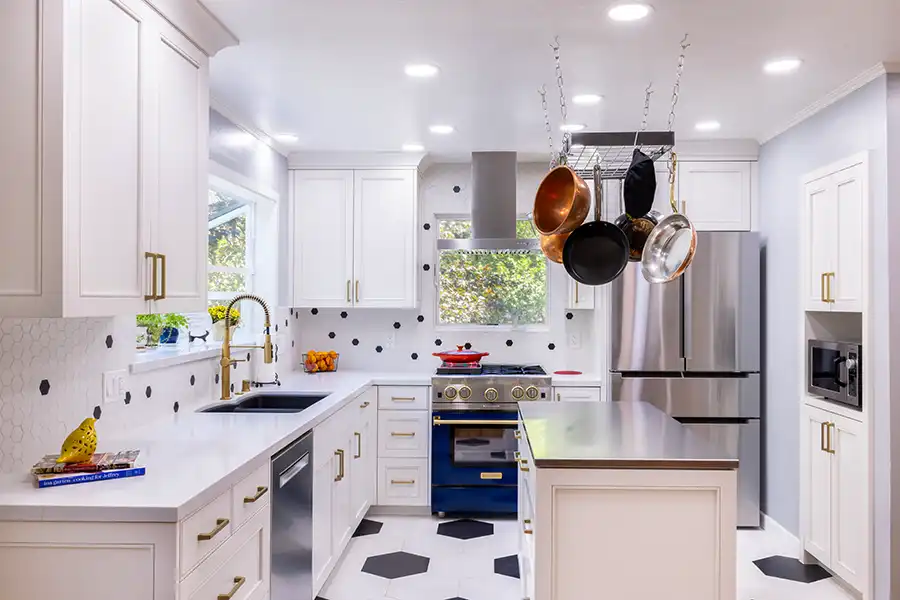
Design-build is a project delivery method where a single team manages both the design and construction of your home renovation or build. Instead of coordinating between separate architects, contractors, and subcontractors, you work with one team from start to finish. This unified approach reduces confusion, accelerates timelines, and provides a more transparent budgeting process. For busy homeowners, it offers convenience, accountability, and predictable results.
With design-build, you have one primary contact who keeps you updated on progress, solves problems, and ensures your vision is implemented efficiently. This guide will explain the design-build process, highlight its advantages, and help you determine if it’s the best approach for your busy lifestyle.
Key Takeaways
- You, too, can take advantage of the design-build model, where you work with one firm that takes care of it all from conception to construction, minimizing miscommunication and headaches.
- It helps you save time with faster project delivery due to the design and construction phases overlapping, and decisions being made more efficiently.
- Integrated budget planning gives you more control over costs, with transparent pricing and flexibility to revise plans early to prevent sticker shock.
- One design-build team collaborates on quality, innovative techniques, and high standards.
- Less stress. This process reduces stress by providing you with a dedicated team that anticipates issues and updates you throughout.
- There’s all this stuff about what design-build is and why it is perfect for busy homeowners. Seek experience, responsiveness, and shared vision to make your renovation a success.
What is Design-Build?
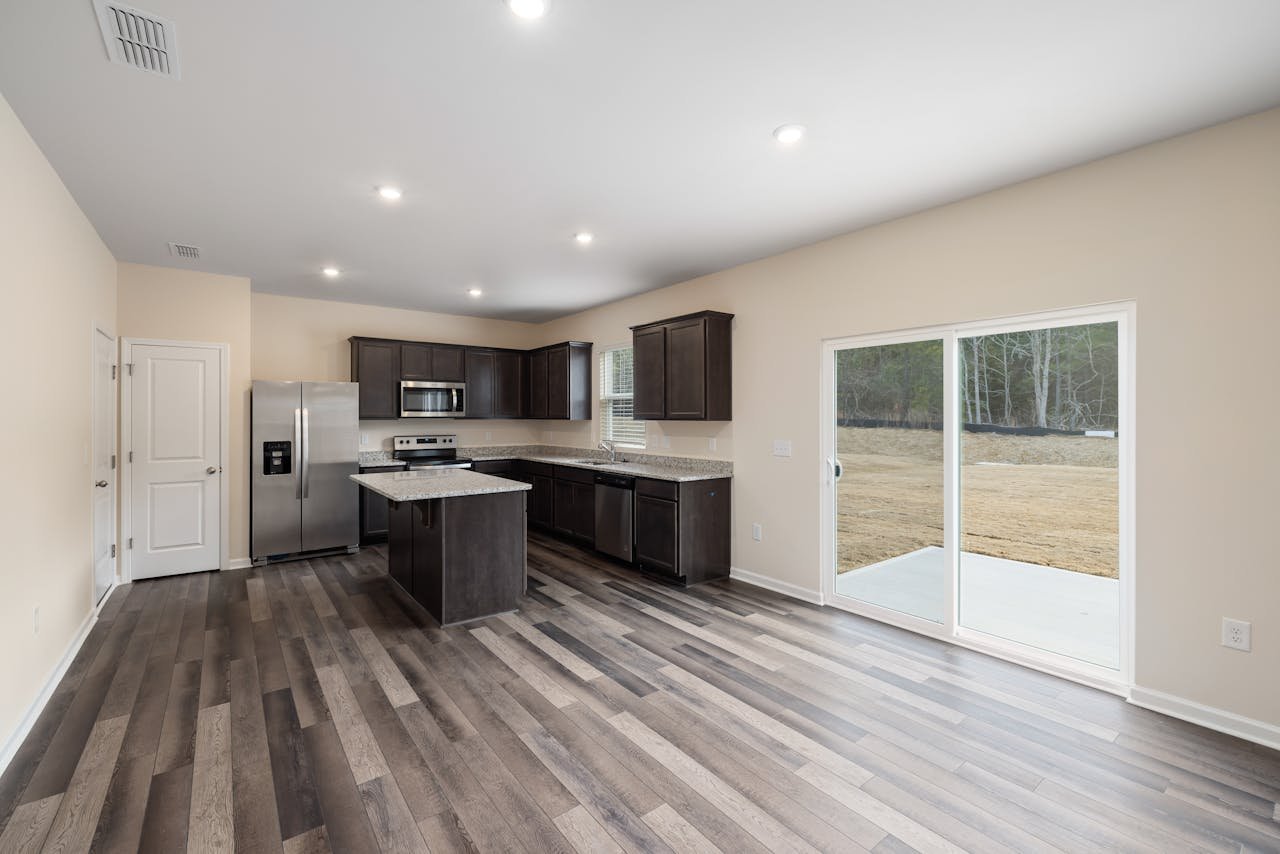
In short, design-build is a single-contract approach where one firm handles both the design and construction of your project. Rather than juggling multiple contracts and teams, a design-build firm provides a single point of contact, ensuring consistency from initial sketches to final walkthrough.
Why It Works
- Traditional projects separate designers and builders, requiring you to coordinate between multiple parties.
- Miscommunication can result in project delays, design errors, and cost overruns.
- With design-build, all parties—architects, engineers, and contractors—work together from day one, reducing misunderstandings and fostering collaboration.
- The integrated approach allows for faster problem-solving, better innovation, and smoother workflow.
Design-build has become a global standard because it saves time, reduces stress, and often lowers costs compared to traditional project delivery methods.
The Old Way
In typical construction projects, you find yourself navigating the complexities of a design-build process. You enter into one contract with a design-build firm and another with a builder. The architect designs, and then you hand those plans over to a building contractor for implementation. Unfortunately, these teams often lack effective communication, leading to confusion and delays throughout the entire construction process.
This lack of coordination can result in crossed signals and unexpected issues. If the builder spots a design flaw, you may need to return to the architect, repeating the cycle and potentially incurring additional costs. Such gaps often lead to design changes, project delays, and increased expenses, leaving homeowners overwhelmed by the renovation process.
Fragmented roles mean no one takes full ownership when challenges arise. Homeowners are left managing more paperwork, attending numerous meetings, and experiencing heightened stress during their home renovation project.
The New Way
| Feature | Traditional (Design-Bid-Build) | Design-Build |
| Contracts | Multiple | Single |
| Point of Contact | Several | One |
| Project Speed | Slower | 36% Faster |
| Cost Predictability | Lower | 6% Cheaper |
| Change Orders | More Frequent | 50% Fewer |
Design-build firms put all of us on the same team. Designers, engineers, and builders come together and plan each step from day one.
You have one primary leader for your project. They take care of hiring, scheduling, and daily updates. With fewer cooks in the kitchen, there’s less danger of crossed signals or project log jams. When you want something changed, the team pivots quickly, keeping your project moving.
You’re in the loop through a single point of contact, reducing stress and saving you time. Decisions get made faster. Everything seems less stressful and more predictable.
The Design-Build Advantage
The design-build methodology consolidates planning, architectural design, and construction under a single contract, allowing you to work with one design-build firm from beginning to end. This streamlined approach is a marked departure from traditional project delivery methods that require juggling separate contracts for designers and builders.
| Feature | Design-Build | Traditional Model |
| Communication | One point of contact | Multiple contacts |
| Timeline | Faster, phases overlap | Slower, phases are separate |
| Cost Control | Transparent, integrated budgeting | Less transparency, less control |
| Collaboration | Team-oriented, unified goals | Fragmented responsibilities |
| Quality Assurance | Cohesive feedback, shared focus | Gaps between teams |
1. Single Contact
One contact for your project means you always know who to request an update or provide feedback to. There is no more running around to multiple companies for answers.
This arrangement reduces chaos. Know that your voice is listened to and responded to because you need to appeal to just one organization. It saves time and keeps communication clear.
There’s convenience as well. Design, permits, and build are all under one roof. This makes it easier for you to stay on top of progress.
Questions or concerns get dealt with quickly. With a single team, it’s straight-up problem-solving at its best.
2. Faster Timeline
Design-build projects typically get done a lot faster. By overlapping design and construction phases, your project can jump ahead without pausing for one to complete before the other can begin.
Team members communicate early and often, making snap decisions and steering clear of drawn-out analysis paralysis. For busy homeowners, there is less time spent in the mess and more time enjoying their finished space.
3. Budget Control
Design-build firms control your budget from the beginning. This allows you to see costs up front and changes can be made early, keeping surprises at bay.
You receive transparent pricing and honest cost estimates. If it needs to be altered to maintain the budget, it is being altered in the design stage, not halfway through the build.
This translates to fewer cost overruns, so you know what to anticipate and can plan accordingly.
4. Higher Quality
Your design-build team collaborates, reaching for that same high standard. Designers and builders exchange feedback, so problems get identified and addressed early.
These teams frequently generate new concepts and superior materials. You come away with something that looks great, works great, and endures.
With continuous feedback, the design becomes clearer as the project progresses. The result is something that reflects both your needs and professional input.
5. Less Stress
It’s all easier for you. A single team, a single plan, and a single contract. You don’t have to coordinate different folks or fret about holes in the process.
You get peace of mind. They work out the details and address issues before they become problems. Your vision remains front and center without the anxiety of having to shepherd it all yourself.
The Process Unpacked
Our design-build process makes home renovation smoother by having one team in charge from start to finish. You miss out on the extended bidding and back-and-forth inherent in traditional builds. One team manages it all, which means you experience speedier outcomes and transparent dialogue. Here’s how the process breaks down for busy homeowners like you:
- Discovery involves laying the foundation for your project, from objectives to budget.
- Design – Turning your ideas into workable plans.
- Construction – Building your project with steady communication.
- Completion: Pre-move-in inspection.
Understanding the process enables you to generate what I call ‘real expectations’ for timing. These projects typically wrap up thirty-three percent faster than with traditional methods. You get to observe unmediated progress and know who to contact for answers at any stage.
Your design-build team’s job is to steer you, provide alternatives, and educate you. You remain involved in every choice. What you put in is what you get out, and the team rolls with whatever you require as things evolve. This is what renders the process malleable and intimate.
Discovery
- Initial meetings to define your needs, wants, and vision.
- Site visits and assessments to check what’s possible.
- Have budget talks to lay down spending ceilings and prevent surprises down the road.
- An agreement on a well-defined scope ensures all parties understand what the deliverable encompasses.
We have the design-build team scout the spot, review the rules or permits, and identify challenges. You help set the direction. This stage is crucial to staying on schedule and within your project budget.
Design
In the design-build process, your concepts evolve into sketches, digital blueprints, and specifications. You can visualize specific plans and propose modifications. Utilizing 3D models and virtual walkthroughs allows you to understand what to expect. This stage is flexible; your input shapes the final details. Everything is finalized before construction begins, minimizing the risk of costly modifications later on.
Construction
Experienced craftsmen begin crafting according to the architectural design you signed off on. Utilizing a design-build approach, concurrent design and build steps can cut weeks from your schedule. The design-build team meets regularly to troubleshoot and keep you informed, providing updates and images on demand while ensuring the construction process adheres to the agreed-upon budget.
Completion
Here is the summary. The design-build team takes you through the completed room. Inspections ensure construction standards. Any final tuning or bug fixes are addressed, allowing you to see your vision in reality and act with confidence.
Beyond the Blueprint
Design-build is more than just putting together a blueprint; it’s a design-build methodology grounded in genuine relationships, clear channels, and a common objective. With one contract and one workflow, you collaborate with the same design-build firm for both designing and constructing. This configuration is more efficient than conventional build processes, accelerating your project’s time to delivery. The design-build model actively engages you in the process, steering clear of last-minute shocks and significantly reducing typical delays. More than half of project owners—58%—now intend to apply this approach, indicating its increasing adoption globally and solidifying its dependability.
Creative Partnership
With the design-build model, you join a collaborative design team. Brainstorming sessions allow you and the design-build team to exchange ideas, transforming preliminary sketches into clever, functional designs. Ask questions, propose tweaks, and watch your feedback mold every step. These sessions can often inspire solutions that suit you better than generic designs, such as a kitchen layout that flows with your routine or a living room that evolves with your family.
Respect and understanding for one another are behind every decision. Your voice is equally as important as the team’s expertise. When everyone feels heard, you wind up with spaces that reflect your style and lifestyle. This type of collaborative freedom simplifies incorporating personal flairs, ranging from custom storage to green materials, helping your home be truly one-of-a-kind.
Your Peace of Mind
Transparency establishes the tenor from the initial meeting, especially when engaging a design-build firm. You always know what’s going on, when, and why. Because it’s a single contract, all the players are on the same page, leading to fewer gaps and less confusion. With a dedicated design-build team to call, you benefit from one point of contact and a stream of updates. This regular exchange fosters trust, allowing you to distance yourself from minutiae and live your life.
You get an exclusive tribe committed strictly to your project objectives. They take care of the big stuff, such as budget, design, and timelines, and keep you informed without overwhelming you with technical speak. If issues do arise, they are resolved quickly because people are already communicating. This continued support and honest discussion extend well beyond the work’s completion, making it simple if you’re looking to schedule some work down the road or leave a referral.
Is Design-Build for You?
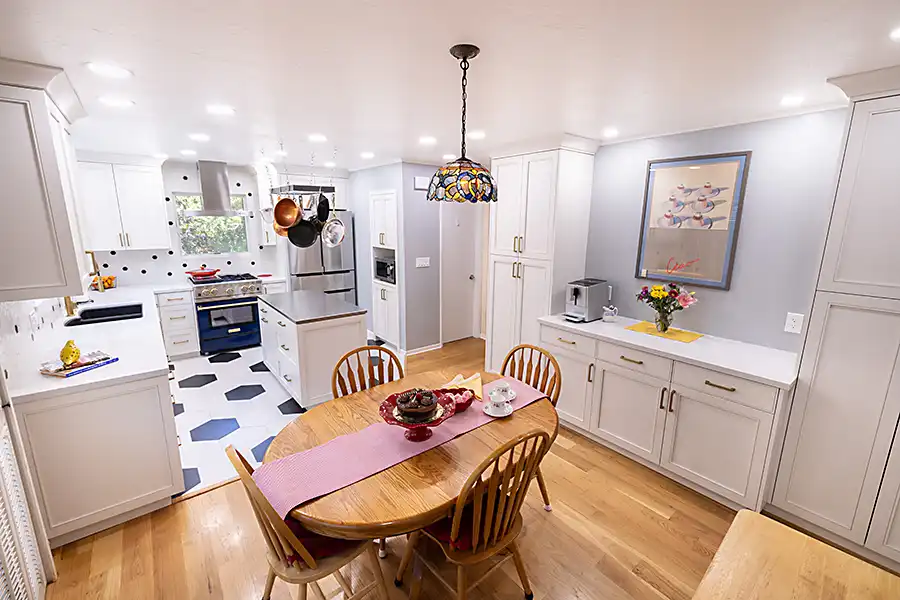
Design-build is a project delivery method where you hire one contractor and one group of people for design and construction. This model puts it all under one roof, so you have a single contact point. It reduces confusion and misunderstanding. There are several reasons why homeowners choose design-build:
- Simplified communication and fewer errors with one responsible team
- Less risk of project delays and cost overruns
- Greater owner control and input during each phase
- Reduced finger-pointing between the designer and the builder
- Teamwork, open communication, and shared goals
- Cost savings — research indicates about 3.8% less cost growth.
- Works for projects of any scale or type, from kitchen renovations to new construction.
If your life is hectic, this approach makes sense. Design-build is great if you want less hassle. Instead of going back and forth between architects and builders, you communicate with a single team. This crew handles all schedules and work. For instance, if you want to refresh your home’s floor plan, you don’t have to juggle different folks for design and construction. Your team does both and updates you. This allows you to maintain your schedule despite busy days. It’s notorious for being less delay-prone. With design and construction working hand in hand, problems get solved earlier. Owners are involved, so you can request modifications or monitor development whenever.
Design-build is adaptable. It’s great for every type of project, big or small. Maybe you’re renovating a bathroom or constructing a new residence. The way it works is it adapts to you. Worldwide, more homeowners and businesses are opting for design-build because it’s more efficient and cost-effective. By 2026, it should account for nearly half of non-residential construction spending globally. This makes a compelling case for team-oriented, lean projects. There are so many moving pieces, sometimes hundreds of tasks and hundreds of people, that having a single team on top of it all can make a huge difference. One team, one contract, and one clear path from start to finish. It’s perfect if you want both control and confidence.
Choosing Your Partner
When you launch a home renovation project, selecting your team is one of the initial and most critical decisions. You need to decide if you want a single company to provide design-build services or if you want to hire a designer and builder separately. For many overwhelmed homeowners, a design-build firm, which handles both aspects under one contract, saves the headache of time and stress. This approach ensures you have one point of contact, fewer meetings, and a clear design-build process from beginning to end. Some still prefer to keep design and construction separate, especially if they desire a more bespoke or high-end outcome. How you decide will frame your entire project.
Checklist for Choosing a Design-Build Partner
- Proven experience with projects like yours
- Clear, simple contract terms
- Good communication and quick responses
- Solid track record with time and budget
- Flexible to your needs and vision
- Strong references and past client feedback
- A team that talks your language
- Upfront about costs, fees, and timelines
- A process that fits your life and schedule
Research and Evaluate Your Options
Begin by whittling down a tentative list of design-build firms. Seek out those with experience in the work you desire, such as a minor remodel or a complete home build. Check their online portfolio, case studies, and client testimonials. It’s useful to find out if they’ve overseen design-build projects with hard deadlines or difficult locations. Test drive their design-build process—do they guide you through the steps? Do they discuss costs and modifications openly? Your good design build team should be transparent on schedules and what is even possible because they’re aware of the design side and the building crew’s bandwidth.
Check References and Review Past Projects
Request to view completed homes and talk to previous customers about their design-build services. Seek out projects comparable to your own in size, scope, or style, as previous work demonstrates whether a design-build firm can manage detail, budget, and schedule effectively. References provide you with an understanding of the team’s integrity and their problem-solving approach during the entire construction process. If a company won’t share these, that’s a red flag.
Aligning Vision and Values
Select a design-build firm that hears and is in step with your project goals. If you care about green building, find a team experienced in sustainable design and build services. A good fit means your thoughts are listened to and valued, not dismissed, ensuring a smooth construction process.
Conclusion
Opting for design-build means you experience less stress and more control as you design your space. You work with one team. They do the plan and the build. There is no need to track down multiple people or coordinate updates. This arrangement suits a hectic lifestyle. You save time. You know who to call. You get defined steps. Costs remain straightforward. We find that our busy homeowners love this approach because it keeps everything on schedule and eliminates confusion. To get the ball rolling, here are a few local firms. Inquire about their work and determine if their style suits your needs. Then you can proceed with a lot more confidence and a lot less uncertainty. Your space evolves with less of a headache.
Frequently Asked Questions
1. What is design-build in home renovation?
It’s called the design-build approach — a project methodology where a single design-build firm provides both design and construction services. You collaborate with one point of contact from beginning to end, ensuring a simple and transparent build construction process.
2. How does design-build save you time?
With a design-build contract, you don’t have to wait for lag times between designers and builders. The design-build team works together from the get-go, leading to quicker decisions and a smoother construction process for your project.
3. Why is design-build ideal for busy homeowners?
The design-build approach is streamlined, minimizing wasted time on details and meetings. This ensures your build project stays on schedule, allowing you to focus on your day-to-day.
4. Is design-build more cost-effective than traditional methods?
Yes. Design-build teams utilize the design-build methodology to plan around your budget. They work in tight coordination, which helps avoid expensive errors and modifications during the build project.
5. Do you have to sacrifice quality for speed in design-build?
Top design-build firms leverage experienced experts and established design-build processes, ensuring you receive both speed and quality with fewer shocks and superior outcomes.
6. How do you choose the right design-build partner?
Seek out a design-build firm with expertise, transparency, and rave feedback. Review their portfolio of design-build projects and request references to ensure they are right for you!
7. Can design-build handle projects of any size?
Yes. The design-build methodology, after all, works for projects big or small. From a single room renovation project to a whole house, the design-build process molds to your objectives.
The Power of a Smooth Design-Build Remodeling Process: Carey Bros. Design & Build Remodeling, Your Contra Costa General Contractor
A successful remodel comes from a process that keeps everything clear, connected, and moving in the right direction. That’s why so many homeowners turn to a design-build approach. Instead of juggling multiple contractors, designers, and vendors, you work with one experienced team that handles every stage from the first idea to the final walkthrough.
Carey Bros. Design & Build Remodeling brings the entire process under one roof. We start with a collaborative design phase where your goals, style preferences, and budget are mapped out with precision. Once the design is set, our construction team steps in to bring it to life. Communication stays consistent because your designers and builders work together, which keeps your project on schedule and reduces surprises.
This streamlined approach creates a faster timeline, tighter cost control, and a more enjoyable remodeling experience. Whether you’re updating a kitchen, reimagining your living space, or planning a full home transformation, Carey Bros. Design & Build Remodeling delivers a process built for clarity, craftsmanship, and long–term value.
If you want a remodel that feels organized and stress-free, reach out to Carey Bros. Design & Build Remodeling and see how the design-build process can make your project smoother from start to finish.
Disclaimer
The materials available on this website are for informational and educational purposes only and are not intended to provide legal, financial, or professional construction advice. You should consult with a qualified general contractor, architect, or other relevant professionals before making decisions regarding remodeling, construction, or home improvement projects. Do not act or refrain from acting based on any content included on this site without seeking appropriate professional guidance. The information presented on this website may not reflect the most current building codes, regulations, or industry standards. No action should be taken in reliance on the information provided on this website. We disclaim all liability for actions taken or not taken based on any or all of the contents of this site to the fullest extent permitted by law.