
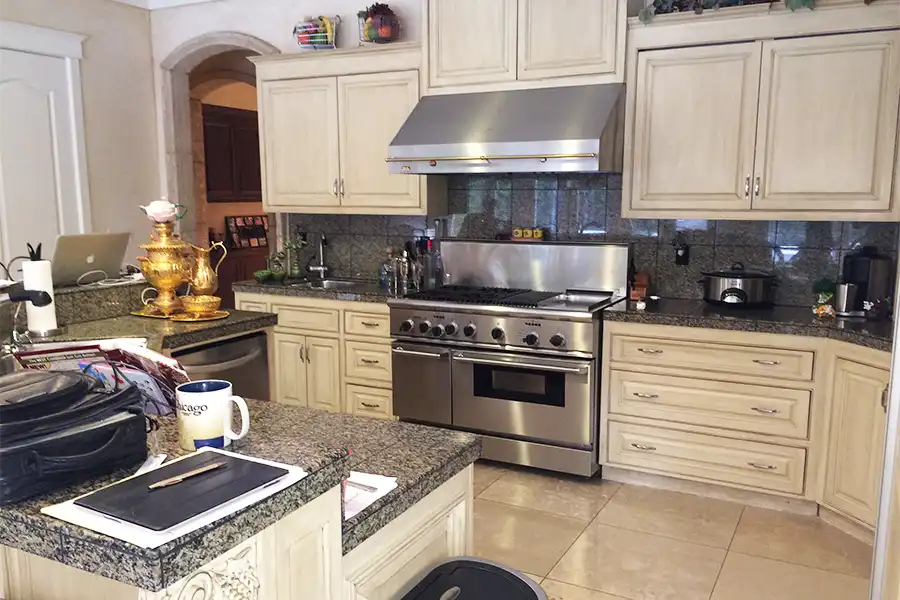
That’s what the first meeting with a design-build team looks like: giving you a clear start to your project, showcasing the people, steps, and ideas that form the process. You sit down with the team, discuss your needs, and establish objectives for what you want to create or modify. You experience how the team collaborates and what everyone contributes. You provide your budget, your timeline, and your site details, and receive early answers to your BIG questions. The team listens, requests details, and describes their process in layman’s terms. You come away with a clearer idea of expenses, what comes next, and what you need to consider. The following chapters guide you through each component of this initial meeting.
Key Takeaways
- You lay out your vision, goals, and expectations in this initial meeting with the design-build team.
- We come together to meet your team, get to know one another’s roles in the process, and discuss your design preferences, lifestyle needs, and budget.
- Come prepared for a site walk-through during which they’ll measure things up and scope out any potential challenges to ensure your ideas fit the space.
- Here’s how to prepare for the initial meeting.
- We believe open communication and collaboration are key during a project, so discuss your communication style with your preferred design-build team during that initial meeting.
- Trust your intuition regarding the team’s professionalism and be alert for red flags that may impact your experience going forward.
The Purpose of Your First Meeting
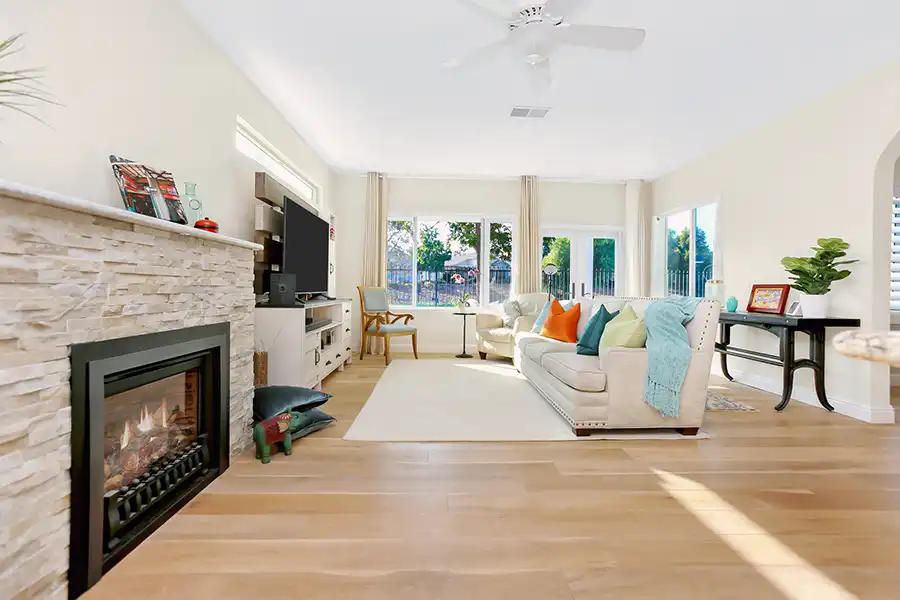
Your first design consultation with a design-build team establishes the tone of your project. This meeting provides you with the opportunity to discuss your remodeling vision, what you love, what you don’t, and how you want your space to evolve. During this design meeting, you will meet the designers, learn about their design process, and assess if you feel comfortable moving forward together. The designer will guide you through their workflow, explaining how the design and build phases align, ensuring that you understand what each means for your home remodel.
It is essential to lay out clear goals and expectations from the beginning of the design consultation meeting. Having all project decision-makers present ensures that everyone’s voice is heard from day one. This meeting typically lasts between 45 minutes and 1.5 hours, allowing ample time to cover both basic and detailed aspects of your project proposal. Important points will be discussed, emphasizing that it’s not just about facts and figures but about alignment among the team.
- Your needs and vision: What do you want this space to accomplish for you? What features are important? Do you have areas of your existing space that you would like to maintain or modify? For instance, you may require a kitchen suitable for large family dinners or a work area with additional light.
- Budget and investment goals: You’ll talk about what you plan to spend, plus what’s most worth your money. For example, you might want to splurge on durable materials but pinch on finishes.
- Project timeframe: You can ask when things will start and how long each step will take. This lets you schedule your life around work.
- Roles and communication: Who will be your main contact? How will updates be communicated? You establish how you want to communicate and receive updates as they move forward.
Open communication at this stage prevents mix-ups later on! This is your chance to inquire, listen, and confirm that the team understands what’s important to you. The goal is to initiate a transparent and collaborative approach for the entire build journey.
What to Expect in Your First Meeting
Your remodeling journey begins with the first design consultation with a design-build team. This session will prepare the project, define your idea of success, and align all stakeholders on the vision. To ensure a productive design consultation meeting, come prepared with a clear agenda to keep the conversation on track. Most meetings run up to 45 minutes to 1.5 hours, but larger projects may require more time. Having all decision-makers present prevents miscommunications down the line.
1. Team Introductions
You’ll meet the core team during your design consultation, which usually includes a project manager, a design consultant, and sometimes a lead builder. Each member will describe their function; for instance, your design consultant will guide your layout, color, and finish selections while your project manager oversees the day-to-day work and keeps you informed. Your team might share examples of previous projects, such as kitchen remodels or a newly insulated space. This is a great opportunity to inquire about their experience with homes similar to yours, establishing rapport and paving the way for effective communication.
2. Your Vision
Discuss your remodel goals during the design consultation, whether you desire a more functional kitchen, a contemporary bath, or even a multi-functional living space. Bring photos, rough sketches, or links to designs you like. Describe what you enjoy and do not enjoy about your existing space—perhaps your kitchen feels congested, or you require additional storage. Discuss your lifestyle requirements, such as needing room for children or desiring a home office space, to assist the crew in understanding your remodeling vision.
3. The Site Walk
The crew will tour your space during the initial design consultation, measuring and documenting existing conditions. If there are structural elements like load-bearing walls or unusual corners, they’ll highlight these. This process allows you to visualize how your remodeling vision may function in your room. You’ll discuss potential roadblocks, such as plumbing locations or limited natural lighting, and how these factors might impact the design development.
4. Scope Discussion
Together, you’ll map out what the project will entail during the design consultation, from wall modifications to new fixtures. If you have any must-haves or special considerations, like eco-friendly materials or accessibility needs, mention them now. The design team will discuss what can vary and what needs to be anchored, describing what you will receive and when to expect updates at each phase of the remodeling process.
5. Budget Reality
During your first design consultation, you’ll discuss your budget, which helps set clear expectations. The team will guide you through expenses for various fabrics or designs while educating you about the design costs. If necessary, they’ll recommend financing options or adjustments to the plan to align with your project goals, ensuring you comprehend the impact of any design changes within your budget.
6. Process Unveiled
The design consultation team walks you through their design-build process, highlighting how design and construction overlap for efficiency. You should expect the first design consultation to ensure clarity on project goals. After the design meeting, you can anticipate receiving a draft budget and design proposal within 1 to 2 weeks, keeping you informed throughout the remodeling process.
How to Prepare
Preparing for your initial consultation with a design-build team helps get your project off to a great start. During this initial chat, you get to discuss your vision, needs, and aspirations for your space. It’s wise to arrive armed with the proper knowledge, defined objectives, and some preparation. The meeting can last from 45 minutes to one and a half hours, so preparing in advance ensures you maximize the time.
Bring pictures or links that display what you’re into. These may be images from magazines, internet sites, or even locations you have experienced personally. Showrooms, styles, colors, layouts, or any little design features that appeal to you. This makes it simple for the team to understand your style and catch your vision. Highlight what you don’t like about your current space. Maybe it is bad light, a lack of storage, or a layout that doesn’t work for your day-to-day. This allows the team to see what to shift and what to maintain.
Make a bullet list before the meeting:
- Main goals for the project
- Must-have features or changes
- What you like and dislike about the current space
- Questions about the process, timeline, or team roles
- Budget range and how you plan to pay
- Any limits, like rules from your building or city
- The names of everyone who will help make choices
Consider your lifestyle and how it influences your requirements. If you’re a home-based worker, perhaps you require private office space. If you cook a lot, a big kitchen or additional counter space may be crucial. If you have children or elderly relatives, security and accessibility will be important. Providing this information assists the team in constructing a schedule that suits your lifestyle.
Establish a budget that accounts for everything — materials, labor, permits, and some extra for surprises. If you’re not sure, inquire about typical rates for projects like yours. Come with details about how you intend to pay, or if you have a loan or financing in mind. Be prepared to discuss a design retainer if the firm requests one.
Beyond the Handshake
There is more to your first design consultation with a design-build team than shaking hands and making nice. It establishes the foundation of cooperation, confidence, and transparency that will resonate throughout your entire remodeling process. This stage isn’t just about the technical aspects; it’s about ensuring that you and the team have a shared vision and the ability to collaborate effectively.
- Regular updates keep you in the loop and involved.
- Two-way feedback builds stronger working relationships.
- Shared decisions mean fewer missed details and smoother progress.
- Early, honest dialogue helps you avoid problems later on.
- Your calls, messages, or meeting preferences determine how the team shares updates.
- Continued encouragement from the team can keep you from feeling isolated, particularly if you typically work alone or remotely.
- Working with consultants, engineers, or product reps can open your eyes and keep your ear to the ground for trends and jobs in the industry.
Assessing Chemistry
- How the team welcomes new ideas, listens to your objectives, and walks through challenges counts.
- Do they listen to what you want, or do they sell what they want?
- Do they provide candid responses and appear willing to adjust arrangements?
- Do you feel safe confiding in them?
A team that gels with you during the design consultation will exhibit patience and respect. If you feel like they don’t hear you or don’t value what you have to say, it’s time to stop and reconsider. Trust your instincts. Working with people who ‘click’ can make all the difference in the remodeling process. Even if your team is star-studded, a bad fit can cause stress or stumbling.
Communication Style
Establishing specific rules for when you want updates during the design process is crucial, whether by email, phone, or weekly video calls. Find out how frequently you will hear from your design consultant and who your primary point of contact will be. Ensure that they will be prepared to answer within your required time frames. Discuss how you want to provide and receive feedback, particularly if you have adjustments or apprehensions regarding your home renovation. Talk about what to do if problems arise, so everyone is prepared to act swiftly.
Shared Values
Find clues that the team shares your values: quality, service, and attention to detail. If your project appreciates green options, inquire about their design consultation services to conserve energy or reduce waste. Verify their design process aligns with your aspirations for the completed room. Inquire into their previous work and how they maintained client satisfaction. Great teams care about quality and client satisfaction, not checking a box.
The Intangible Red Flags
Identifying red flags during your first design consultation with a design-build team can save you a lot of time and headaches. You want a transparent team. Some warning signs are easy to overlook, so it’s useful to understand what to watch for. A productive conversation should help both sides determine if they’re a fit, rather than just sell you on a plan.
Ask questions, and pay attention to how the team responds. If they sound uncertain or their answers shift, that’s a warning sign. This could indicate they don’t have a defined methodology or explicit strategy. For instance, if you ask how long a step will take or what it costs, and they either avoid the question or provide varying estimates each time, that’s a concern. You want consistent answers so you know what to expect throughout the design process.
Straight talk is critical. If the team uses jargon you don’t understand, or they can’t lay out the steps in simple terms, you may be in for bigger trouble down the road. A reliable team should walk you through the construction planning process and explain every component. If you ask about what’s next and they have no answer, think twice before proceeding. If you feel lost during the design consultation meeting, you’ll likely feel lost throughout the entire project.
If the team just wants to discuss their concepts and pass over yours, be cautious. Your thoughts count. Indicators like cutting you off or shoving their own way demonstrate that they do not respect what you want. For instance, if you request a straightforward design but they continue pitching you something extravagantly larger, that is a warning.
Trust your gut about the team’s mood and effort. If you sense you’re being hustled, brushed off, or if their tone is frosty, remember it. Teams that are too hungry to get you on board will often shortcut steps just to get the deal done. That deprioritizes your needs.
Red flags can also arise from your end. If you demand an hourly rate before they’ve assessed the work or request an NDA right away, the team might perceive that as a sign of distrust. Not responding to emails or being vague about your expectations leads to confusion and delays. If you’re merely seeking a scapegoat for past issues, that doesn’t set a positive tone for your remodeling journey either.
What Happens Next?
Following your first design consultation with your design-build team, you jump from discussion to a definitive roadmap. The design meeting, which lasts between 45 minutes and 1.5 hours, is your opportunity to describe your needs and goals. All crucial decision makers must participate to avoid stumbling down the road. The designer will describe their experience and design process, so you know who you’re working with and what to expect. You discuss what you love or hate about your space and sort of ramble through what you want it to look like next. This initial lecture establishes the framework for what follows.
Anticipate a postscript momentarily. The team emails you a recap of what was discussed — your primary needs, initial concepts, and questions that came up. This recap will outline the next steps, such as what to prep or consider ahead of your next design consultation meeting. If a design retainer is required, payment information will be shared at this time. This little step proves you’re serious and allows the team to begin work on your project.
Along with that, you’ll receive a suggested schedule. This outlines when you’ll get first drafts, when design rounds occur, and when design development can begin. For instance, you could review early sketches in a couple of weeks, tweak them together by next month, and break ground as permits are finalized. These steps maintain the work’s momentum and prepare you for any schedule shifts.
One of the takeaways is the contract. Our team will review the contract with you, clarify what is and isn’t included, and discuss any permits you require. For worldwide initiatives, this might include local city or district offices. The team guides you through the construction planning process, so you’ll know what to expect. This is when you discuss the budget, ensuring that all expenses, from architectural design to permits and construction, are in one practical plan.
Preparing for your next design meeting, you’ll be probed for additional detail. Perhaps you’ll gather images of rooms you admire or jot down desired amenities. We’ll take this info to our next meeting where we’ll let it guide the design. Every step is transparent and accessible, so you witness your remodeling vision come to life.
Conclusion
Your initial meeting with a design-build team sets the stage for transparent conversations and accurate solutions. You have an opportunity to express your vision and pose straightforward questions. You observe the team in action and verify that their style matches your own. You begin to notice if things feel weird or if trust begins to blossom. From there, you establish the rhythm for what comes next. Each meeting sets a stone along your project’s journey. Desire the best opportunity at sleek construction? Make your questions real. Be open. Pay attention and take notes on how the team speaks and behaves. For additional advice on collaborating with a design-build team, consult our complete guide and schedule your own initial meeting with confidence.
Frequently Asked Questions
1. What is the main goal of the first meeting with a design-build team?
The objective is to see your project vision and needs during the first design consultation. We will discuss your concepts, budget, and schedule to establish a foundation for effective communication and fruitful collaboration.
2. How should you prepare for your first design-build meeting?
Gather inspiration photos, a must-have list, and your budget range for the design consultation meeting. This information helps your design team understand your remodeling vision and provides custom guidance from the outset.
3. What questions should you ask during the first meeting?
What does the first design consultation with a design-build team entail? This meeting helps you gauge their experience, trustworthiness, and if they’re the right fit for your remodeling vision.
4. How long does the first meeting usually take?
This first design consultation typically lasts from 1 to 2 hours, providing ample opportunity to discuss your remodeling vision, project scope, and the design process moving forward without feeling rushed.
5. What are some warning signs to watch for in the first meeting?
Be on the lookout for vague responses or miscommunication during your design consultation meeting, as these can indicate the team isn’t the ideal fit for your home remodeling vision.
6. What happens after the first meeting with a design-build team?
What does the first design consultation with a design-build team look like? This meeting helps you determine whether you want to proceed with the build project.
7. Is there any cost involved in the first meeting?
Most design-build teams offer a complimentary first design consultation, so it’s wise to confirm this when scheduling your appointment to avoid any surprises during the remodeling process.
The Power of a Smooth Design-Build Remodeling Process: Carey Bros. Design & Build Remodeling, Your Contra Costa General Contractor
A successful remodel comes from a process that keeps everything clear, connected, and moving in the right direction. That’s why so many homeowners turn to a design-build approach. Instead of juggling multiple contractors, designers, and vendors, you work with one experienced team that handles every stage from the first idea to the final walkthrough.
Carey Bros. Design & Build Remodeling brings the entire process under one roof. We start with a collaborative design phase where your goals, style preferences, and budget are mapped out with precision. Once the design is set, our construction team steps in to bring it to life. Communication stays consistent because your designers and builders work together, which keeps your project on schedule and reduces surprises.
This streamlined approach creates a faster timeline, tighter cost control, and a more enjoyable remodeling experience. Whether you’re updating a kitchen, reimagining your living space, or planning a full home transformation, Carey Bros. Design & Build Remodeling delivers a process built for clarity, craftsmanship, and long–term value.
If you want a remodel that feels organized and stress-free, reach out to Carey Bros. Design & Build Remodeling and see how the design-build process can make your project smoother from start to finish.
Disclaimer
The materials available on this website are for informational and educational purposes only and are not intended to provide legal, financial, or professional construction advice. You should consult with a qualified general contractor, architect, or other relevant professionals before making decisions regarding remodeling, construction, or home improvement projects. Do not act or refrain from acting based on any content included on this site without seeking appropriate professional guidance. The information presented on this website may not reflect the most current building codes, regulations, or industry standards. No action should be taken in reliance on the information provided on this website. We disclaim all liability for actions taken or not taken based on any or all of the contents of this site to the fullest extent permitted by law.