
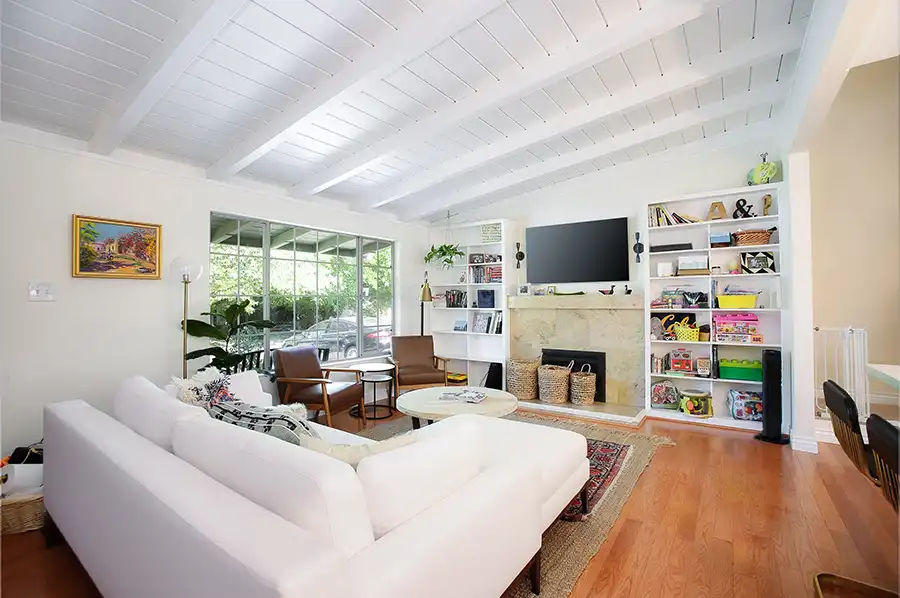
Hardwood, luxury vinyl plank, and large-format tile are among the best flooring choices for open concept homes in San Ramon because they create a seamless flow from one space to another. Hardwood remains a favorite for its timeless appearance, warmth, and long-lasting durability. Luxury vinyl plank is popular with busy households thanks to its water resistance, easy maintenance, and ability to handle daily wear and spills. Large-format tile offers a sleek, modern look with clean lines and a cool surface that works especially well in warmer climates. Each option complements a wide range of interior styles while supporting the open, connected feel that homeowners in San Ramon often prefer.
Key Takeaways
- Wide-plank hardwood and luxury vinyl plank provide an excellent combination of durability and beauty, which is ideal for open-concept homes with multi-purpose spaces.
- Large-format tile can visually expand living spaces and reduce grout lines. It can be a great combination of style and functional cleanliness for common areas.
- Eco-minded options like bamboo, cork, and reclaimed wood help the planet without compromising style or function.
- Open-concept homes benefit from uniform flooring materials and color schemes to provide cohesion and encourage effortless flow between areas.
- Taking local climate, natural light, and architectural style into account is crucial when making flooring decisions that support comfort, durability, and design harmony.
- Sound absorption, underlayment options,s and well-placed area rugs are all important factors when dealing with open-plan homes to control acoustics, increase comfort, and define spaces.
Flooring For Open-Concept Homes
Flooring is a big decision in open concept homes because it accounts for roughly 30% of the visible space and connects living, dining, and kitchen areas. Consistent flooring not only contributes to this streamlined appearance, but it can also increase your home’s value and hasten its resale. Your flooring should accommodate heavy foot traffic, be durable, and make it easy to clean across zones.
Wide-Plank Hardwood
Wide-plank hardwood provides that modern flow and makes rooms feel even larger, which is in line with the flow of open-concept living. Oak and walnut remain favorites; oak brings a classic, warm tone, and walnut a rich, deep hue and durability. Engineered hardwood flooring for open-concept homes is fantastic because it is relatively durable and can handle transitions from room to room quite easily. Proper installation is key. Planks should be staggered and well-fitted to avoid these dirt traps. Area rugs will help delineate spaces and bring warmth where necessary, like a dining table or lounge area.
Luxury Vinyl Plank
LVP is a smart choice. It holds up well to high traffic, spills, and furry friends. It imitates wood, stone, or tile, with hundreds of colors and finishes to suit all sorts of aesthetics. LVP is softer underfoot than tile, which can be a nice comfort factor in big, open rooms. It’s easy to clean. A swipe of the broom and the occasional mopping keep it looking new. Installers can typically span big areas quickly, so refreshes can be completed with little disruption.
Large-Format Tile
Large-format tiles can make a space feel even bigger and eliminate grout lines, so there is less cleaning. Ceramic and porcelain tiles, for example, shine in the kitchen or bathroom for their durability and water resistance. Adding matte or textured finishes can keep the aesthetic clean and contemporary, while reducing slips. When you plan a layout, this helps you stay away from destroying too many boards and keeps waste low. Terra cotta and clay tiles provide a Mediterranean style, complementing wooden beams or stone features.
Eco-Conscious Choices
Bamboo and cork are sustainable, fast-growing, renewable, good for the earth, and cool – very cool! Reclaimed wood brings unique character and reduces waste to promote green construction. Search for certifications ensuring safe, responsible sourcing, like FSC stickers. Certain floors even contain recycled content, which creates an additional level of sustainability.
Unifying Your Space
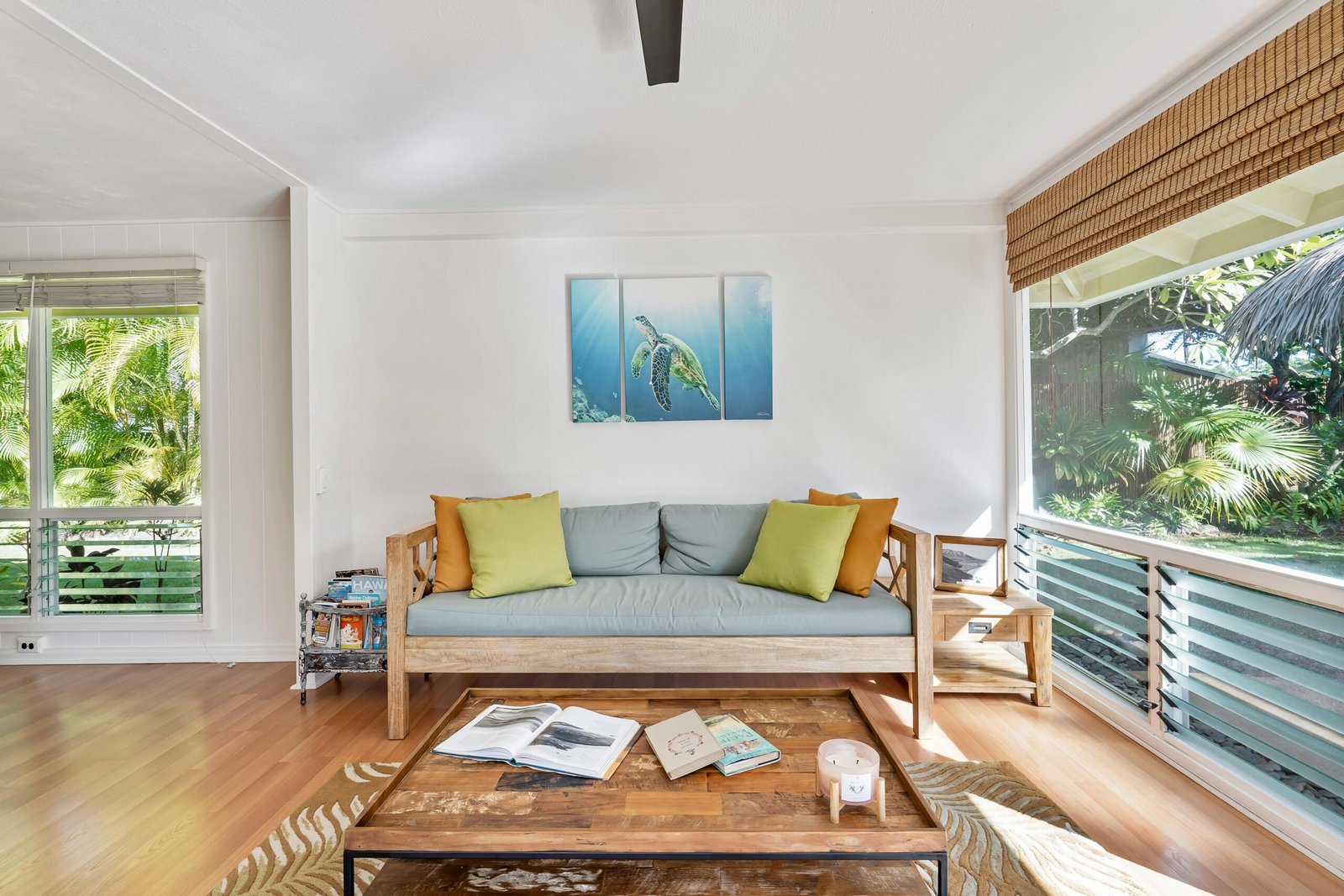
Open-concept homes connect living, dining, and kitchen areas into a single expansive space, meaning your floor choice connects the appearance and experience of your entire interior. An open floor plan makes rooms feel bigger and stirs up a togetherness that is convenient for everyday life as well as entertaining. Because flooring is roughly 30% of what you see in a room, selecting the right material can alter how the space functions and appears. The easiest way to achieve a sleek flow is to select one flooring type. There are other ways to establish cohesion with color and finishes.
Color Palette
Neutral tones, such as light oak, gray, or beige, provide a classic foundation for just about any design. These hues are great if you tend to redecorate frequently or enjoy a serene and minimal vibe. If you want your space to have more life, choose bold chairs or artwork so you can introduce color without chopping up the room. Experiment with a dark rug in the living room or vibrant pillows in the breakfast nook. Others prefer a gentle contrast between rooms, a rich mocha in the living room and a pale buff in the dining room, to define spaces but keep the entire color story nearby. Color theory assists you in picking shades that make the space feel warm, cool, or balanced, which is crucial for open floor plans.
Seamless Transitions
Changes in flooring can fragment your space, so it’s clever to think ahead about the shifts. For instance, if you have tile in the kitchen and wood in the living room, a skinny transition strip in a coordinating shade maintains that sleek look and prevents tripping. Ensure both floors are level for safety and comfort. Lead the eye with a long rug or line of pendant lights to whisk people seamlessly from one location to another. These tricks are not only aesthetically pleasing but also help make the open space more functional.
Material Consistency
By using the same floor in every space, it connects the rooms and makes the entire home feel cohesive. A lot of folks choose hardwood because it’s enduring, versatile, and adds warmth. If wood is not suitable, you can consider clay tiles or linoleum, which still look unified and are easy to clean. If possible, strive for the same finish—matte or glossy—so the floors meld together. In a home with kids or pets, see if the material can endure spills and scratches, because it’s difficult to swap out later. The right choice is the one that suits your lifestyle and provides a look you can live with for decades.
San Ramon Design Factors
Choosing the right flooring for open-concept homes in San Ramon is about considering the local weather, your exposure to direct sunlight, architecture, and what’s popular around here. These factors influence the appearance, ambiance, and longevity of your floors, more so in open concept homes where rooms blend into one another without walls.
Local Climate
Materials must be able to deal with the Bay Area’s temperature and moisture fluctuations. Hardwood continues to be a staple, particularly wide planks that expose natural grain and have fewer seams, but it requires sealing and maintenance to withstand humidity, especially in kitchens and entryways. LVP, short for luxury vinyl plank, is catching on because it resists moisture and wipes clean, so it’s a savvy option in spaces where spills or muddy shoes are common. Tile floors are ideal for kitchens, baths, and laundry rooms for their water resistance and ease of cleaning. Local weather patterns can help inform; some years are wetter, so waterproof floors in heavy traffic areas are a smart choice. Thermally friendly floors, such as cork or engineered hardwood, give you that extra level of comfort on cold mornings.
Natural Light
Light floors make open-concept spaces feel larger and brighter. Pale woods, light-colored LVP, or even glossy-finished tiles bounce sunlight around and can be handy in houses with big windows or skylights. Certain surfaces, such as natural hardwood or cork, can fade with prolonged direct sunlight, so it’s prudent to investigate how each alternative ages. Windows, glass doors, and overhead lights bouncing off the floor can add even more glow. Glossy finishes or reflective sealants can increase brightness but highlight scuffs more quickly in high-traffic spaces.
Architectural Style
If you have a modern home, go with wide-plank hardwood or seamless LVP for clean lines, while classic oak, marmoleum, or tile works well in traditional or mid-century houses. Size matters: large tiles or planks work well in big, open rooms, keeping the flow smooth without too many seams. If your San Ramon home includes special features such as exposed beams or high ceilings, these can be accented by complementary floor colors or designs. Sustainability matters as well. Eco-friendly selections such as cork or marmoleum are certainly making their mark, attracting consumers with a penchant for the green life who do not want to sacrifice style.
The Acoustic Challenge
The open-concept homes in San Ramon and beyond pose a special acoustic challenge. The fewer the walls, the further sound carries. The noise of daily life is magnified,d and echoes become overemphasized. Flooring is central to keeping this in check. The wrong kind can amplify noise problems, while clever choices can generate a more peaceful, comfortable living environment.
Sound Absorption
Carpet is remarkable for absorbing sound, trapping airborne noise, and softening footsteps. Cork flooring, which utilizes its organic cell structure to reduce both impact and airborne sound, provides an eco-friendly and low-maintenance solution. For young families or shared living spaces, these plush options keep noise levels low and comfort high.
Incorporating acoustic underlayments under harder surfaces like engineered wood or LVT will minimize noise transfer between floors and rooms. This extra layer absorbs the sound waves before they reflect, which is essential for open floor plans with large spans.
Soft furnishings—such as curtains, upholstered furniture, and oversized cushions—combine with flooring to absorb ambient noise, helping keep to a minimum the echo that tends to mar large, open spaces. Where you put them counts. Cluster them in conversation areas or in front of entertainment zones where they’ll diffuse sound paths.
Room layout decisions affect sound absorption. Sofas, bookshelves, and other large objects placed where they break up sound flow can help wide open spaces feel less echo-y and calmer.
Underlayment Impact
Selecting the proper underlayment enhances comfort and soundproofing. For hardwood or tile, a dense, premium underlayment provides both impact absorption and sound dampening. In kitchens and bathrooms, moisture-resistant choices inhibit mold while continuing to absorb sound.
Thicker, denser underlayments tend to be more effective at damping sound. The optimal product varies based on the flooring material and how the room is used. A professional installer can assist in matching the correct underlayment with the unique requirements of each space, making certain that every layer is doing its job.
Area Rug Strategy
Area rugs can delineate spaces in open floor plans, such as dining, lounging, or working, and reduce noise while cushioning footsteps. Choosing rugs with lush textures and high piles offers more sound absorption than flatweave alternatives.
Location and diameter, too. Big rugs that ground furniture groupings stop noise from ricocheting across hard surfaces. Smaller rugs can be layered for coziness in corridors or portals.
Choosing washable or ultra-durable rugs makes noise control viable, especially in high-traffic, spill-prone areas.
Beyond The Visuals
Flooring not only defines the aesthetic of a space but also its utility. In open concept homes, it can dominate almost 30 percent of the room’s visual field, making it a design choice. It’s about long-term performance since having to replace floors is expensive and inconvenient. There are concessions to all surfaces, from maintenance to indoor air quality. When you take style, durability, and ease of care into consideration, you get the best long-term outcomes.
Maintenance Needs
Active households are thankful for floors easy to mop. Tile and luxury vinyl hold up in heavy traffic zones and resist staining from spills and tracked-in muck. These options go a long way in reducing maintenance headaches for families with kids or animals. Hardwood stands up in busy households when cared for, but requires frequent sweeping and periodic refinishing. Certain types of materials, carpets in particular, trap dust and pollen and can affect the air quality in your home, causing sensitization. A regular cleaning schedule, including weekly vacuuming and an occasional damp mop, can extend the life of any surface and keep it looking fresh. If pets or kids are regular visitors, opt for flooring that can withstand scrapes, spills, and play.
Long-Term Value
Select flooring that has both durability and wide appeal. Hardwood is renowned for standing the test of time and can complement ultra-modern or mid-century homes. It is a common attraction for buyers, should you ever choose to sell. Tile and terrazzo, for instance, last for decades with minimal maintenance and resist water, so they are a smart choice for kitchens or bathrooms. Manufacturers’ warranties provide extra security, so check coverage prior to purchase. Sustainability is an issue, as alternatives like bamboo or recycled-content vinyl are finding favor among green-conscious owners. Look at local trends in San Ramon to determine what styles and finishes retain value.
Installation Nuances
Installation is dependent on the material. Hardwood requires acclimation to humidity and temperature prior to installation or risk warping down the road. Large-format tile or terrazzo requires a craftsman’s touch, while vinyl planks can usually be clicked into place by any DIY-er. Timelines and costs vary significantly. Professional installations are pricier, but they can avoid future issues, particularly if you’ve got complex designs or transitions between rooms. Anticipate and budget for labor and material requirements.
My Professional Take
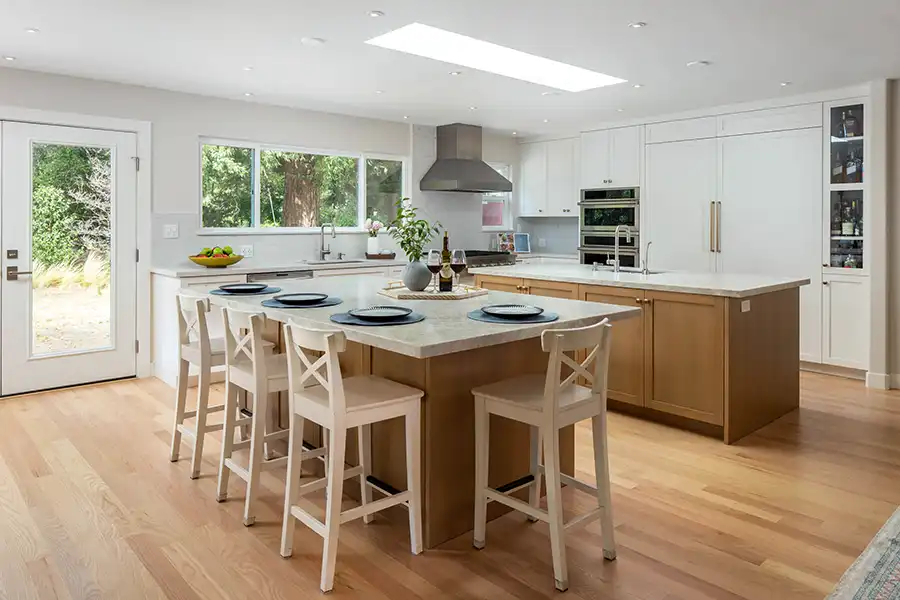
Flooring in open-concept homes has to be about more than aesthetics. It has to tie spaces together, stand up to everyday wear and tear, and fall within your price range. In my professional experience, going with a single flooring for the primary spaces is always best. It provides a flow and allows rooms to feel like a part of a whole, not isolated boxes. Wood flooring is exceptional here. It’s timeless, retains value, and goes with a lot. Hardwood, especially, can be a great solution in open layouts by allowing the whole space to feel warm and cohesive. If price is an issue, engineered wood or LVP can provide a similar aesthetic for less. LVP is durable, hygienic, cleans up beautifully,y and manages moisture more effectively than hardwood. This makes it a solid choice, particularly in sub-$350,000 homes.
Trends come and go, and it’s wise to notice what endures. Wood-look tile was a hit, but fewer folks do it now, particularly in new homes. LVP and engineered wood are making inroads. They come in a variety of colors and finishes, so you can easily find one that matches your desired aesthetic. If you have more than one flooring type, keep the contrast low. This means selecting tones and textures that complement, not compete. Soft transitions between materials keep the space from feeling fragmented. Occasionally, it works to change flooring at an obvious divide, such as a hallway or room with a door. With most open plans, one key material is preferable.
I always recommend checking out local showrooms. Touch and experience the samples. Light alters the appearance of floors, so view them in both natural and artificial light. Local staff may share what works best for your climate and lifestyle. They know what stands up to heavy wear and what requires extra attention. Look into what is durable and can be easily repaired if broken. Flooring plays a huge role in the look and feel of your home, so spend some time and make the right decision.
Conclusion
To select floors for open homes in San Ramon, consider how each choice complements your lifestyle. Wood floors add warmth and connect rooms. Tile provides a polished appearance and withstands hectic days. Vinyl is great for homes with children or animals. Light tones can make rooms feel sprawling and airy. Be on the lookout for sound bounce in the big spaces; plush rugs or cork assist in muting it. Weather and dust come into play in San Ramon, so opt for floors that are a breeze to clean. Every floor selection adds its own atmosphere and influences the flow of life in the space. Got opinions or want to post your own favorites? Either leave a comment below or contact me with your questions!
Frequently Asked Questions
1. What Is The Best Flooring For Open-Concept Homes In San Ramon?
Engineered wood and luxury vinyl are favorites among homeowners. They provide durability, easy upkeep, and a cohesive appearance for spacious open layouts. Both hold up to San Ramon’s climate.
2. How Can I Create A Seamless Flow With Flooring In Open-Concept Spaces?
Select one kind of flooring for the entire space. Neutral colors and wide planks help bond living, dining, and kitchen zones together visually, expanding the feel and flow of the space.
3. What Flooring Handles San Ramon’s Climate And Temperature Changes?
Engineered wood and luxury vinyl resist expanding and contracting. These materials are stable in fluctuating temperatures and humidity, typical of San Ramon.
4. Are There Flooring Options That Reduce Noise In Open-Concept Homes?
Yes, cork and luxury vinyl flooring are sound-absorbing. Installing underlayment under any hard surface floor soaks up echo and footsteps.
5. Which Flooring Is Easiest To Maintain In A Busy Family Home?
Luxury vinyl and tile are both easy to maintain and clean. They’re stain and scratch-resistant, which is perfect for high-traffic, open spaces.
6. How Do I Balance Beauty And Practicality In My Flooring Choice?
Search for flooring that fits your style and withstands daily wear. Engineered wood, luxury vinyl, and tile provide both aesthetic appeal and resilience for open concept designs.
7. Is Professional Installation Important For Open-Concept Flooring?
Yeah, expert installation guarantees accurate spacing and a cohesive appearance. Professionals guard against problems such as uneven floors or gaps, which stand out in big, open rooms.
Choosing The Right Contractor For Your Home Remodeling Project
Choosing the right contractor can make the difference between a remodeling project that feels smooth and organized and one that quickly becomes stressful. You’re investing in your home, so the team you hire should bring experience, clear communication, and a process that keeps everything on track from the start.
Homeowners across Contra Costa County, including Walnut Creek, Danville, Lafayette, Orinda, Concord, San Ramon, Moraga, Pleasant Hill, Martinez, and Alamo, often see the best results when they work with a contractor who begins with careful planning. A good contractor will take time to understand how you use your home, what isn’t working, what you want to improve, and how your budget fits into the project.
Many homeowners benefit from working with a design-build contractor, where the same team handles both design and construction. This approach keeps communication clear, decisions moving forward, and the project aligned from concept through completion.
Whether you’re remodeling a kitchen or bathroom, updating living spaces, or improving accessibility, choosing the right contractor helps ensure your renovation moves forward with clarity and confidence. Carey Bros. Design & Build Remodeling works with homeowners across Contra Costa County to guide projects from the first consultation to the final walkthrough. Reach out today to start planning your project.
Disclaimer
The materials available on this website are for informational and educational purposes only and are not intended to provide legal, financial, or professional construction advice. You should consult with a qualified general contractor, architect, or other relevant professionals before making decisions regarding remodeling, construction, or home improvement projects. Don’t act or refrain from acting based on any content included on this site without seeking appropriate professional guidance. The information presented on this website may not reflect the most current building codes, regulations, or industry standards. No action should be taken in reliance on the information provided on this website. We disclaim all liability for actions taken or not taken based on any or all of the contents of this site to the fullest extent permitted by law.