
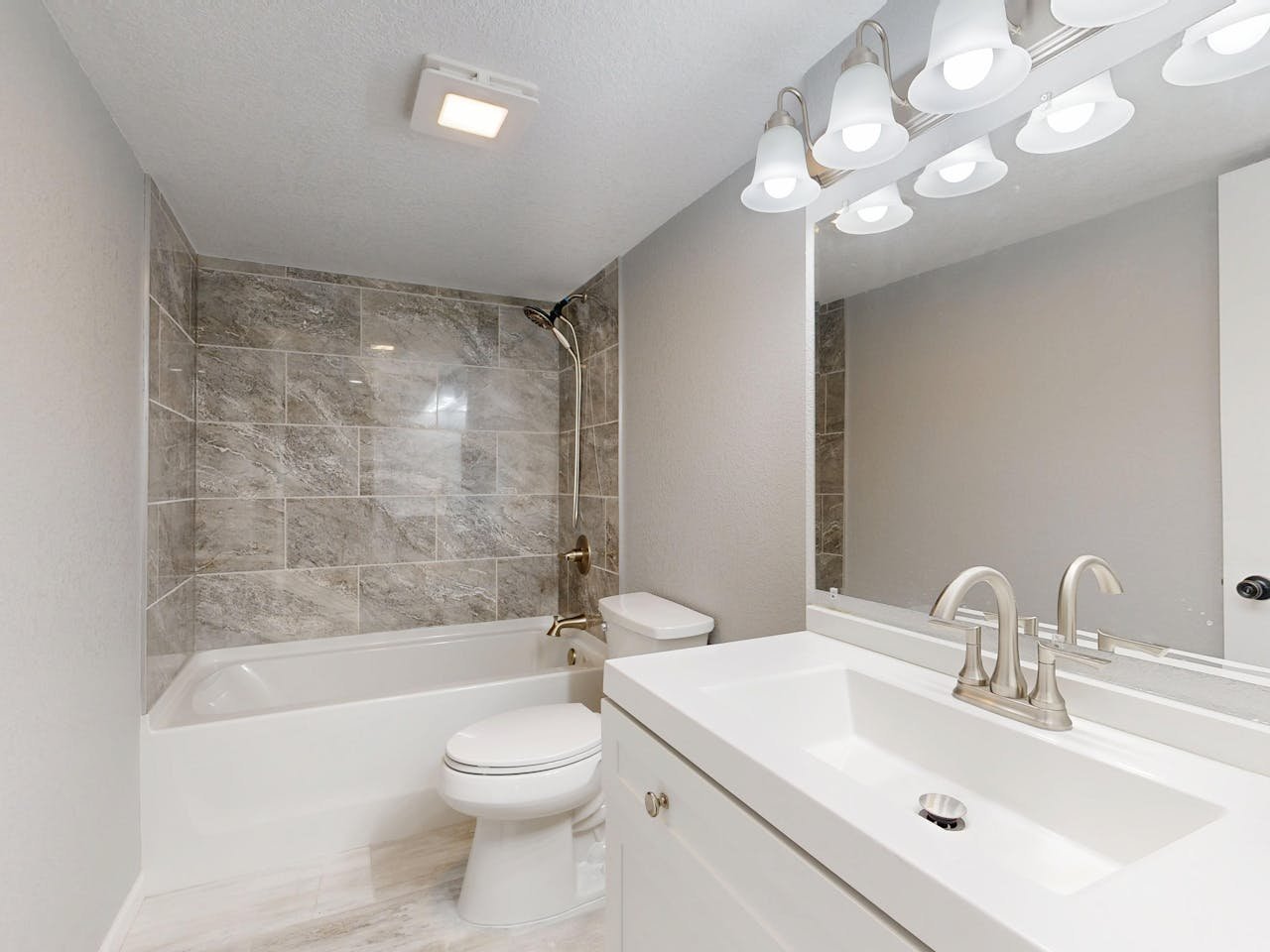
To modernize a 1990s bathroom in Brentwood without a full gut job, try simple upgrades like swapping out old fixtures, painting cabinets, and changing hardware to a sleek style. New LED lights and a fresh coat of paint on the walls really make the room look bright and open. Installing a new mirror and a fresh shower curtain or glass panel may help. Try peel-and-stick tiles for the floor or backsplash so you can freshen things up with minimal effort. Little touches, such as new towel bars or shelves,s can demonstrate style while providing extra storage space. In this way, you can infuse a fresh, modern feel into your bathroom without the whole gut job price and mess.
Key Takeaways
- Start by really looking at the layout of your existing bathroom. Identify what features are outdated and what needs repairing or updating.
- Focus on cosmetic changes like smart painting, fixture upgrades, and floor overlays. These will make your bathroom look far more modern without requiring a full gut job.
- Refinish or resurface existing vanities, countertops, and tile whenever possible. This can create a sleek and modern look at a fraction of the cost and environmental impact.
- Update lighting and hardware for a makeover. Choose energy-saving and water-efficient fixtures to be in keeping with the rest of the world.
- Learn your local building codes and source materials responsibly to ensure compliance, longevity, and support for your community while getting the most bang for your buck.
- Plan your Reno in phases with priorities and a timeline. This will enable you to work within an addressable budget, keep disruptions to a minimum, and keep the momentum going in your project.
Assess Your 90s Bathroom.
Take a good gander at your space before you start planning. Your average 90’s bathroom will age itself in honey-oak cabinets, beige or slightly pink tile, brass or chrome fixtures, and possibly a boxed-in feel. Many of these spaces have non-standard rough-ins, old supply lines, and flooring that terminates at the vanity instead of beneath it. These quirks imply that small updates can inadvertently spark larger projects if not accounted for. Begin by taking stock of your 90’s bathroom – map out the existing layout and jot down any pain points, cramped walking paths, insufficient lighting,g or inconvenient storage.
Identify Relics
Identify those classic 90’s giveaways: taupe or mauve tub surrounds, laminate counters, and 12×12 floor tiles. Fixtures could have micro scratches, aged brass, or chrome. Old vanities usually come with water damage or peeling laminate. Let’s be honest, a unique archway, built-in shelf, or retro mirror sometimes just gives character. Determine if these can remain as a salute to the past or require an update. Paint or new hardware can spruce up a few things, but busted or warped elements generally must go. Take stock of your 90s bathroom. Tiles and grout, if they’re sound, a deep clean or new color grout pen can make them feel fresh and new again.
Keep Or Replace
Decide which fixtures are salvageable. If the vanity is solid, a new top or hardware might be all you need. A dirty old toilet or sink may need replacement. At other times, it’s smart to keep an old tub if it’s in good condition and goes with the look once you refresh the rest.
Decide what you’ll keep and what you’ll swap:
- Keep: structurally sound vanities, unique mirrors, good-condition tiles
- Replace: outdated faucets, worn lighting, damaged counters, brass hardware
Consider resale value. Buyers are looking for contemporary, but a touch of old-school flair can make the room pop.
Set A Budget
Budgeting is crucial for every endeavor, even a mini-makeover. Compare Brentwood contractor prices to get a sense of the labor expense. Incorporate materials, from tile to paint, and always leave a cushion for unexpected things like concealed wall damage.
- List essentials: new fixtures, paint, and any flooring work
- Prioritize high-impact changes: lighting, faucets, and vanity updates
- Set aside some professional assistance if there are plumbing or electrical alterations.
- Reserve at least 10-15% for unforeseen costs
Key Modernization Strategies
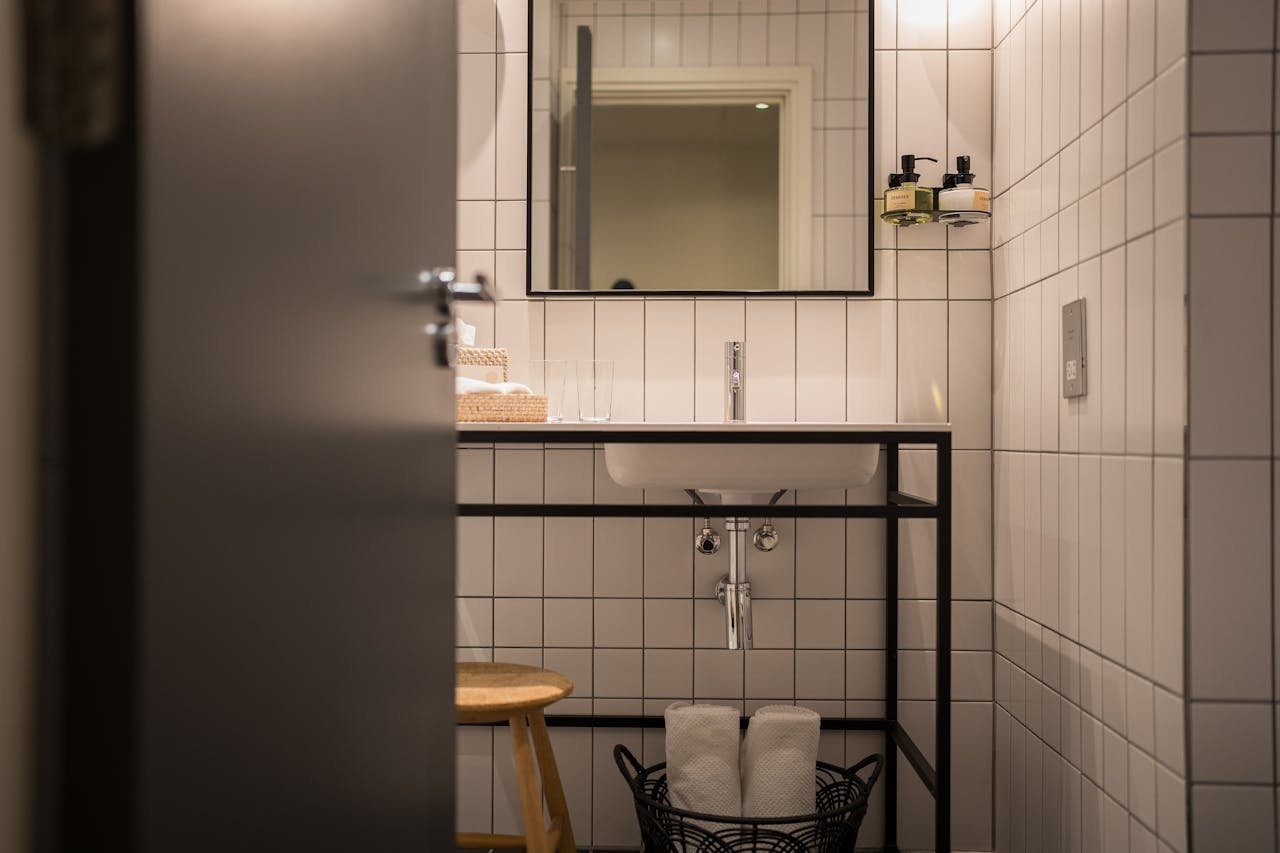
Key Modernization Strategies Modernizing a 90s bathroom without a gut job implies selecting intelligent updates that transform the look, feel, and function of the space while respecting the existing layout and infrastructure. The right upgrades don’t just increase comfort; they increase value, particularly in a hot market like Brentwood. Every choice needs to strike a balance between timeless utility, aesthetic beauty, and price.
Strategic Painting
Nothing makes a bathroom look fresh like modern paint colors. Soft neutrals, crisp whites, or muted greens are all popular choices that feel clean and fresh. Darker shades on an accent wall add depth and emphasize architectural features such as built-in shelving or trim. Moisture-resistant paints are a must for longevity in a wet location. Color blocking can break up wall space and add interest. A new paint job on walls, trim, and even ceilings can cover up wear and establish a new mood.
Fixture Upgrades
Swapping out dated faucets and showerheads for sleek, modern styles is one of the quickest ways to give a space that “refreshed” vibe. Energy-efficient models keep water costs and bills down, while matching or deliberately contrasting finishes offer a customized appearance. Small touches, such as replacing towel racks and toilet tissue hooks with matte black or brushed nickel, bring the style into a more current time period. Don’t forget to verify rough-in dimensions so new fixtures work with your existing setup.
Countertop Solutions
Vanity countertop swap is powerful. Materials such as laminate or engineered stone emulate pricier alternatives and are a breeze to maintain. Resurfacing is a cost-effective option if the existing top is sturdy. Countertops can match in color and style, so the entire room feels cohesive. Long-lasting, moisture-resistant surfaces stand up to everyday usage.
Flooring Overlays
Overlay flooring, like luxury vinyl planks or large-format porcelain tiles, installs directly on top of your existing floor. These materials are water-resistant, easy to clean, and available in a variety of patterns. Some overlays provide slip-resistant textures, which is key for safety. Pick a color and pattern that complements the rest of the space for a cohesive feel.
Lighting Enhancement
Modern LED light bars, sconces, or ceiling fixtures brighten and energize spaces. Layered lighting, ambient for overall illumination, task for the mirror, and accent for artwork, allows you to customize for any situation. Dimmers bring flexibility. Exchanging bulbs for energy savers increases your light and your efficiency!
The Vanity Predicament
The vanity establishes the vibe for the entire bathroom; it’s the most challenging fixture to change without triggering a domino effect of labor. Almost every late 1990s-era bathroom in Brentwood is plagued with non-standard layouts, awkwardly placed plumbing, and clashing finishes that do not mesh with our current design aesthetic. Replacing a vanity frequently exposes a host of other issues, such as floors that end at the cabinet, walls pockmarked from the previous unit, and misplaced pipes, that can send your budget and schedule spiraling far beyond a mini-makeover. Homeowners seeking extra storage or a new aesthetic confront hard decisions, particularly when a gut job can run $15,000 to $28,000 and take weeks.
Refinish Or Replace
Most 1990’s vanities, particularly honey oak or builder-grade laminate, can be painted or refinished to look contemporary. It’s fast and inexpensive, great if you want to keep things low-key. Not every cabinet takes paint well, particularly if it’s water-damaged or warped over the years.
Pros of refinishing:
- Less disturbance.
- Less expensive.
- Quick turnaround.
- Maintains original formatting.
Cons of refinishing:
- Restricted to existing cabinet grade.
- Won’t last as long as a replacement.
- Won’t fix bad storage or floor plans.
When replacing, verify vanity dimensions and configuration. Less than standard rough-ins from the ‘90s will need custom sizes or modifications. Choose matte or glossy finishes to suit up-to-date trends, but never sacrifice having storage space to accommodate everyday necessities.
Hardware Impact
Trade out those old brass or plastic pulls for new hardware is a quick way to update. Go with brushed nickel, black matte, or chrome to coordinate with other fixtures. Hardware should feel substantial and accessible because it’s handled daily. Special touches such as custom artisan handles or vintage knobs can inject a plain vanity with some personality without a lot of effort.
Mirror And Medicine Cabinet
Bathroom mirrors, vanity update ideas. Frameless or simply framed mirrors look clean and bounce more light around, which makes bathrooms feel larger. Flanking the mirrors are mirrored cabinets that offer additional storage, perfect for families who share the space. The vanity dilemma is to make the mirror the size of the room; never use too large a piece in a small bath. Backlit mirrors lend a contemporary note and aid in shaving or makeup application, with no major remodeling needed.
Beyond Surface-Level Changes
Putting a 1990s bathroom in a 2020s context is about more than changing out the hardware or updating the paint colors. Most era bathrooms aren’t just in need of a paint job; they suffer from fundamental design problems, including bad layouts, hairline tile, and outdated metal finishes. True advances are about changes that enhance function, comfort, and even energy consumption. A gut renovation is one option, but it’s expensive. Properties come in at an average of $15,000 to $28,000, and it takes weeks of disruption. Instead, targeted improvements can provide enduring value and make the room feel current, serving both present and future functionality.
Tile Refinishing
Tile refinishing is a great solution for rejuvenating tired wall or floor tiles without tearing them out. It goes beyond surface-level changes. You’re cleaning, repairing, and sealing with a special coating that actually bonds to the tile. These high-end refinishing products are specifically made for steamy bathroom environments and can last for years if maintained. This approach allows you to select from an array of trendy colors or add subtle patterning to bring it current, such as matte whites or soft grays. For optimal results, you’ll want to hire people who specialize in bathroom resurfacing since it’s the prep and application that determine the finish quality and durability.
Bathtub Liners
Bathtub liners are tailor-made shells that go on top of your existing tub, providing it with a new face and concealing any chips or stains. Selecting a quality liner means it will fit just right and stand up to mold or mildew, simplifying maintenance. Whether it’s classic white, gentle beige, or even stone-look styles, there’s a range of colors and textures to complement new or existing décor. It should be installed by an experienced contractor who can make sure there are no leaks or bad alignment, since a seamless finish is important not only for looks but for function.
Smart Fixtures
Smart fixtures enhance comfort and efficiency. Touchless faucets reduce water waste, and smart showers allow pre-sets for temperature and flow. Several models track water consumption, assisting in lowering your utility bills. With innovations such as digital temperature control, it’s not just the exterior that’s been refreshed; it’s safer and more convenient for families. Before installation, make sure your plumbing system is compatible. Some older setups might require minor modifications for newer technology.
Brentwood Modernization Nuances
Doing a 1990s bathroom ‘face-lift’ in Brentwood without a total gut job requires some finesse. Local rules, water use laws, and materials all make a difference. This is particularly true for most ’90s bathrooms with their dark blues, shell sinks, creamy-beige counters, and beige 4×4 tiles. Switching out these features is tricky, especially the vanity, which frequently conceals wall or floor problems. As with any modernization, a good plan begins with understanding regulations and seeking clever cooperation with existing components.
Local Codes
Brentwood has its own building codes and safety regulations for bathroom renovations. You should test these before beginning. Plumbing and power regulations are rigorous. They protect people and prevent future issues. Codes frequently evolve. It is clever to check the latest ones or have a certified local pro assist you. Brentwood code-savvy contractors can reduce errors and delays. Many 1990s homes have unusual vanity sizes or floor gaps. These matters can provoke new code requirements. What feels like small changes, such as a new vanity, may require code checks.
|
Code Area |
Requirement Example |
Notes |
|
Electrical |
GFCI outlets near water |
For safety, it must be installed properly |
|
Plumbing |
Water supply shut-offs, venting |
No leaks, proper drainage |
|
Ventilation |
Minimum exhaust fan capacity |
Reduces moisture and mold risk |
|
Accessibility |
Door width, grab bar placement |
May be required for some updates |
Water Efficiency
California’s water regulations are tough. Brentwood adheres to these, so selecting water-efficient fixtures is essential. This saves the earth and slashes bills. Seek out products that are the best. There may be rebates on some of the products. Savings accrue.
- Low-flow toilets that flush four point eight liters or less typically have rebates provided through local utilities.
- WaterSense-labeled faucets and showerheads use at least 20% less water.
- Leak detection devices aid in early problem spotting and circumvent waste.
- Dual-flush toilets that provide choices for varying water requirements.
Material Sourcing
Sourcing materials at local stores supports Brentwood’s economy and reduces shipping waste. Select wet room materials, such as moisture-resistant boards and ceramic tile. Nineteen-nineties beige floor tiles can be difficult to find, so you might want to paint or refinish instead of replacing. Look for price and quality in-store or online. Eco-friendly choices such as bamboo or recycled glass can reduce your footprint. A quick paint touch-up on the old vanity or wall trim is inexpensive and feels brand new.
Phased Renovation Planning
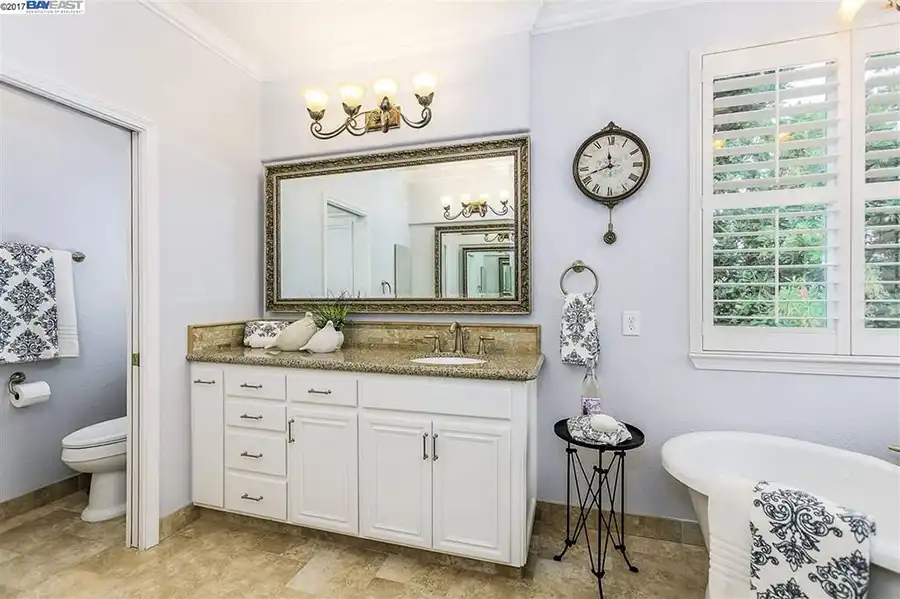
Phased renovation planning allows you to upgrade a 90’s bathroom on your terms — budget-wise and life-wise. It’s a way of breaking a renovation into work steps, so you can concentrate on the rooms or features that require the most attention initially, then distribute the remainder over time. It keeps you from the strain and expense of a total redo and still moves you toward a fresh, put-together aesthetic.
Prioritize Updates
Begin by inspecting what’s important to you. If the plumbing leaks or the wiring looks tired, do that first. These modifications create the largest difference in how the bathroom functions daily. Cosmetic upgrades, such as new paint, mirrors, or lighting, can wait until the basics are safe and reliable. This way, you spend your budget on things that are most important for safety and comfort and postpone the rest until there’s time or money.
At the conclusion of each phase, revisit your progress and objectives. Sometimes you find yourself wanting new things, or your tastes have evolved. It’s clever to phase your renovation plan and to keep your bathroom both fresh and functional.
Create A Timeline
A definite schedule keeps the project moving and minimizes mayhem. Divide the work into phases. Perhaps begin with patching leaks in the first month, replace old tiles in the second, and then install new fixtures later. Add milestones, such as when demolition should be complete and when the new vanities should be installed. Find out material shipping times and your contractor’s calendar, then slot these into your plan.
Review the schedule with everyone participating,g from family members to contractors. This keeps expectations grounded and avoids misunderstandings.
Manage Expectations
|
Phase |
Milestone |
Target Date |
Budget (USD) |
|
Phase 1 |
Plumbing repair |
1st Month |
$2,000 |
|
Phase 2 |
Tile replacement |
2nd Month |
$1,500 |
|
Phase 3 |
Fixture updates |
3rd Month |
$1,200 |
Blockades occur. A piece may arrive late, or aged pipes may require additional work. Keep in contact with your contractor and voice concerns or fresh thoughts. Small victories, such as completing the new tile or perfecting the lighting, can boost morale at the conclusion of each phase.
Conclusion
Here’s how to modernize a 1990s bathroom in Brentwood without a full gut job. Smart steps add up. Trade in those old taps and pulls for some sleek metal ones. Paint or refinish cabinets for a clean update. Introduce new lights to create a bright, open space. Go for peel-and-stick tiles or vinyl floors. Hang a bold mirror or some fresh art. Choose a new shower curtain or clear glass screen. Every step gives you value and style without the mess or cost of a full remodel. A phased plan saves cash and waste. Keep it simple, stay focused, and let your taste shine through. Post your updates or questions below—let’s inspire one another to make these old bathrooms feel fresh again.
Frequently Asked Questions
1. What Are The Easiest Ways To Update A 1990s Bathroom Without A Full Renovation?
Swap old fixtures, modernize lighting, and paint new. Trade outdated hardware for sleek styles. These updates are fast, inexpensive, and visually powerful.
2. Can I Modernize a ’90s Bathroom On A Small Budget?
Yes, you can. Think about painting your cabinets, changing your faucets, and putting in some new mirrors. Even little tweaks can update the style without high cost.
3. How Can I Improve The Vanity Area Without Replacing It?
Refinish or paint the vanity, update the countertop, or swap cabinet handles. Even swapping out for a contemporary sink and faucet can change the vanity area in a flash.
4. Do I Need To Remove Tiles To Get A Modern Look?
You can paint tiles with special paint or cover them with peel-and-stick panels. It’s not a full gut job, so it saves you time and money, but the bathroom looks updated.
5. What lighting works best for a modern bathroom?
Install LED fixtures with clean lines and a soft white color. Consider wall sconces or under-cabinet lighting for a super-sleek, modern look.
6. Are There Brentwood-Specific Trends I Should Consider?
Neutral colors, natural materials, and minimalist designs are all the rage in Brentwood. These decisions mix modern style with the area’s chic aesthetic.
7. How Can I Plan Updates If I Want To Renovate In Phases?
Begin with easy, high-impact, low-cost changes like paint and hardware. Then move on to lighting and fixtures. Reserve bigger updates like flooring or vanity replacement for subsequent phases.
Choosing The Right Contractor For Your Home Remodeling Project
Choosing the right contractor can make the difference between a remodeling project that feels smooth and organized and one that quickly becomes stressful. You’re investing in your home, so the team you hire should bring experience, clear communication, and a process that keeps everything on track from the start.
Homeowners across Contra Costa County, including Walnut Creek, Danville, Lafayette, Orinda, Concord, San Ramon, Moraga, Pleasant Hill, Martinez, and Alamo, often see the best results when they work with a contractor who begins with careful planning. A good contractor will take time to understand how you use your home, what isn’t working, what you want to improve, and how your budget fits into the project.
Many homeowners benefit from working with a design-build contractor, where the same team handles both design and construction. This approach keeps communication clear, decisions moving forward, and the project aligned from concept through completion.
Whether you’re remodeling a kitchen or bathroom, updating living spaces, or improving accessibility, choosing the right contractor helps ensure your renovation moves forward with clarity and confidence. Carey Bros. Design & Build Remodeling works with homeowners across Contra Costa County to guide projects from the first consultation to the final walkthrough. Reach out today to start planning your project.
Disclaimer
The materials available on this website are for informational and educational purposes only and are not intended to provide legal, financial, or professional construction advice. You should consult with a qualified general contractor, architect, or other relevant professionals before making decisions regarding remodeling, construction, or home improvement projects. Do not act or refrain from acting based on any content included on this site without seeking appropriate professional guidance. The information presented on this website may not reflect the most current building codes, regulations, or industry standards. No action should be taken in reliance on the information provided on this website. We disclaim all liability for actions taken or not taken based on any or all of the contents of this site to the fullest extent permitted by law.