
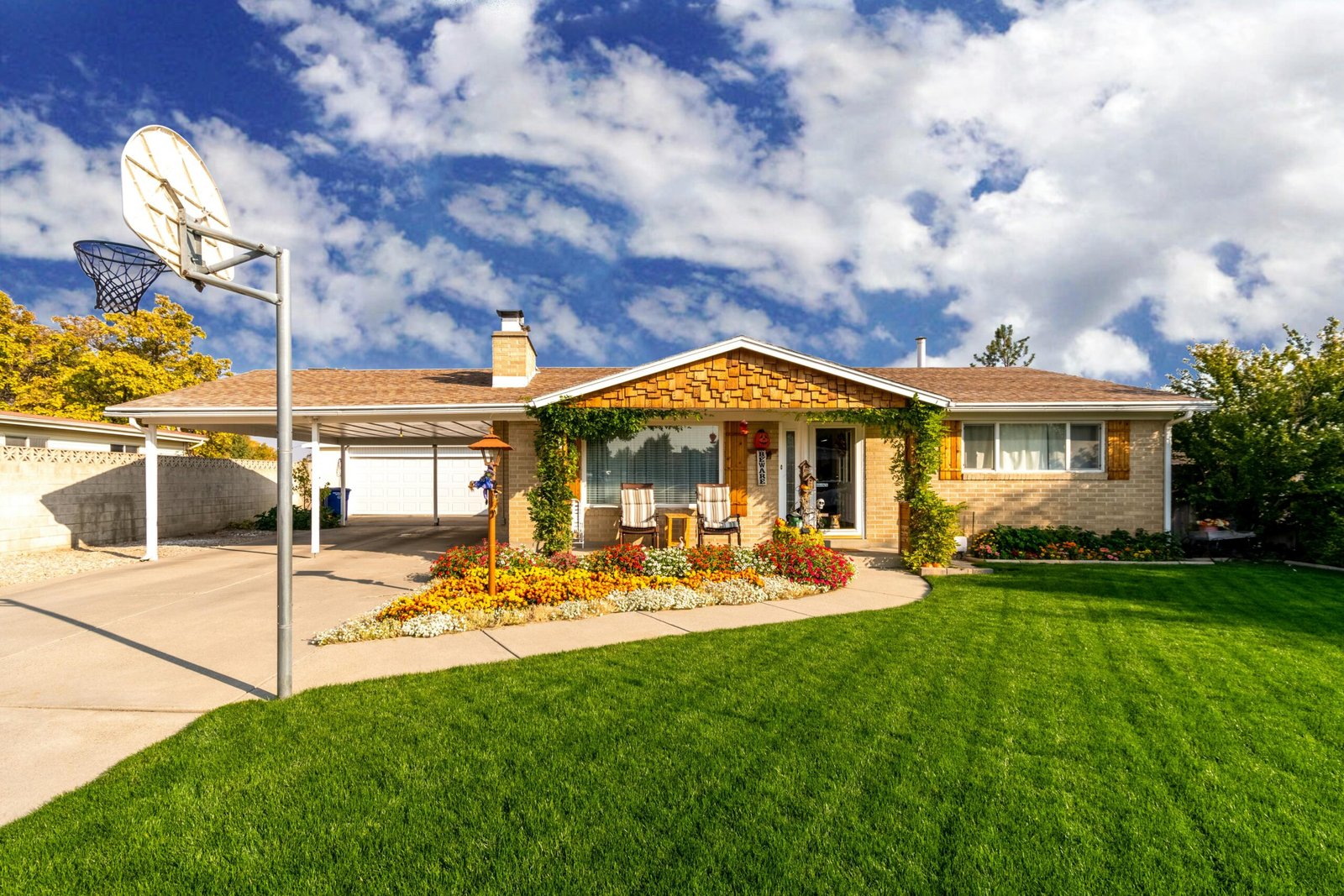
You can convert your garage without losing resale value if you plan and make smart decisions. A lot of buyers love living space, which means a finished garage can add value when executed properly. Your best bet is to keep local building codes in mind, use quality materials, and keep it convertible. Some buyers desire a garage for parking or storage, therefore leaving room for car paths or maintaining the garage door facilitates this. By considering your neighborhood and what buyers desire, you preserve your flexibility and safeguard your home’s value. The following sections illustrate ways to take your garage from a money pit to the key to your home’s success.
Key Takeaways
- Yes, if done legally and well and if it matches what buyers in your area value, then you can maintain or even increase your home’s resale value.
- If the work is professionally done and permitted, it shouldn’t deter buyers and may actually add to your property’s value.
- Do your homework in your own neighborhood before plunging because market demand and zoning can make all the difference in your project.
- Be sure to design your converted space with flexibility and future buyers in mind. Consider having the option to easily convert back to a garage.
- Think through costs, hidden expenses, and off-street parking to deal with practical and financial issues.
- Add seamless integration, natural light, and multi-purpose layouts for a functional, appealing space that adds value to your home.

The Resale Value Equation
A garage conversion can significantly increase your home’s value if you plan carefully, stay legal, and adhere to local building codes. Legal conversions done with permits typically add 10 to 20 percent to resale value, particularly where additional living area is valued. If you bypass permits or flout codes, you risk alienating more than 60 percent of buyers who demand tranquility and hassle-free transactions. Quality craftsmanship, intelligent design, and an understanding of your region’s popular home remodeling trends all influence your ultimate asking price.
1. Buyer Perception
Most buyers view a garage as essential for secure parking and storage. If your garage conversion is sleek, legal, and matches the rest of the house, you can catch the attention of buyers seeking a functional home office, guest bedroom, or additional living area. For certain buyers, the ability to switch back is important, and leaving the garage door in place supports this. Nicely finished conversions attract all the right attention, while weird layouts or half-completed work scare potential buyers out of the room.
2. Market Demand
Before starting your garage conversion project, it’s crucial to know the local real estate market. Even if garage conversions are common in your neighborhood, potential buyers will expect them, possibly increasing your home value. In car-dependent areas, the demand for secure parking might overshadow the need for extra living space. Pay attention to how home prices fluctuate with and without garage conversions, and consider what buyers in your area prioritize: functional living space or parking options.
3. Quality of Work
Good work means you can increase your home value significantly. Always hire reputable contractors familiar with the local building codes, especially for a garage conversion project. Crummy workmanship or inadequate insulation can lower your home’s value and make it challenging to sell. Quality finishes are essential to maintain a functional living space that aligns with your home’s aesthetic.
4. Design Flexibility
Choose a design that addresses multiple requirements, as a garage conversion can significantly enhance your home value. Multi-use rooms, such as offices or guest suites, appeal to more potential buyers, and smart floor plans that include functional living space, like a garage office, can be advantageous. A few homeowners are even going the extra mile and installing elements that facilitate converting the space back to a garage, which can be a huge selling point.
5. Neighborhood Context
Check out what’s standard in your neighborhood regarding garage conversions. If the majority of homes retain their car garages, your conversion could look bad. If garage remodels are typical, buyers may be more receptive. Consider local regulations, zoning, and homeowners’ association guidelines beforehand to ensure compliance.
Is Your Garage Convertible?
If you ever consider a garage room conversion into a living space or any other kind of room, like an office or guest room, you’d better first see if your garage is convertible at all. As with other types of conversions, a garage renovation project can add value to your home, but only if the work is quality and follows legal regulations. A lot of folks love the idea of a ‘bonus room,’ but you should know what to do so you’re not sacrificing resale value or getting sued down the road.
Structural Integrity
Inspect your garage’s foundation and walls for cracks, leaks, or damage. If you notice moisture around the base or holes in the walls, these can wreak havoc once you add new floors, drywall, or heavy fixtures. Consider how much weight you’re adding. New floors, insulation, or even a bathroom can strain weak points. Not all garages are constructed for additional load, so you might be required to support the floor or augment it with supports.
It is reasonable to have a structural engineer or contractor come in and look over your plans. They can identify problems you’d overlook and offer guidance before investing. Repairing cracks, reinforcing beams, or leveling the floor today can prevent bigger expenses down the line. If you miss this one, you’ll end up backtracking, which can kill your budget and resale value.
Utility Access
Your average garage has minimal wiring and lighting, but not nearly enough to power a new living space. You’ll want to see if electrical, plumbing, and HVAC systems are there or easy to add. Consider what you desire. If you design a bathroom, kitchen, or laundry, plumbing improvements are mandatory.
Making the space livable is key by adding heating and cooling. Think ahead to energy-saving features like good insulation or low-energy fixtures to reduce expenses later. Utility upgrades can be expensive, especially if you need to bring in electricians, plumbers, or HVAC pros. Always budget these costs before you begin.
Local Regulations
Each area has different building codes and zoning laws for garage conversions. Certain locations permit it, while others restrict it to just storage or parking. You’ll need permits, which can cost between $300 and $1,000 or more. If you skip obtaining permits, you can encounter fines or significant problems at selling time.
Be sure to check for regulations regarding minimum room size, window space, or emergency exits. Certain jurisdictions require additional inspections if you’re converting to a detached rental unit. Regulations shift, so keep up or risk slowdowns and fines. Others design for simple undo of the conversion if regulations or requirements shift down the road.
Analyzing the Financials
Understanding the financial side of a garage conversion is crucial for protecting your home value. This project can significantly impact your property’s resale value, especially when considering options like a garage office or additional living area. Ensure that your design reflects your needs and aligns with the local housing market for long-term rental income potential.
Conversion Costs
Garage conversion values can vary significantly based on location, so Portland homeowners should look up the average cost in their neighborhood to get a better understanding. Costs typically depend on factors like design decisions, materials, and local labor rates. If you’re planning a simple garage office conversion, you may pay less, but for a fully functional living space with a kitchen and bathroom, expect higher expenses. Some owners finance the project through savings or home equity loans. As construction prices and inflation rise, budget for potential increases in garage conversion costs over time.
| Cost Category | Low Estimate (USD) | High Estimate (USD) |
| Structural Changes | $5,000 | $20,000 |
| Plumbing/Electrical | $3,000 | $15,000 |
| Insulation/Windows | $2,000 | $8,000 |
| Interior Finishing | $4,000 | $15,000 |
| Permits/Legal Fees | $1,000 | $5,000 |
| Exterior Modifications | $2,000 | $8,000 |
Return on Investment
A good garage conversion can add significant value to your property, potentially increasing your home value by $100,000 to $200,000, depending on your local housing market. If you lease a converted 37-square-meter (400-square-foot) car garage, you could generate a rental income of $1,500 to $2,000 a month. This translates to an annual income of $24,000 to $42,000, and in some cases, the rental income could cover the entire conversion cost in just over two years. While some homeowners recoup 25 to 35 percent of their investment this way, opinions vary among experts regarding the true value increase from garage conversions.
| Project Type | Average ROI (%) |
| Garage Conversion | 25–35 |
| Kitchen Remodel | 60–80 |
| Bathroom Addition | 50–60 |
| Deck Addition | 65–75 |
Hidden Expenses
- Permit and inspection fees can accumulate quickly if your town is highly regulated.
- Upgrading utilities, such as water and power, tends to be more expensive than you think.
- Maybe you’ve got to remodel the driveway or yard, meaning there are landscaping bills.
- Weather delays or slow contractors can increase your final price tag.
- Post-project completed, new living spaces cost you additional maintenance, from added cleaning to increased utility bills.
Designing for Future Appeal
Garage conversions can increase your property value and its allure only if you design for the future. A lot of buyers want a functional living space that complements the remainder of the house, feels airy and open, and provides adaptable functionality. By incorporating popular home remodeling trends in seamless design, natural light, and multi-purpose layouts, you’ll ensure livability and resale value remain high.
Seamless Integration
It counts if it matches your home. Choose the same paint colors, floor types, door trims, and window shapes as the rest of your house. That way, the new space won’t seem tacked on or out of place. Stick to what’s already in your home. If you have timber floors in the lounge, run them through to the converted garage.
Transitions are the answer. Be certain the ingress from the main house into your new area is broad, flat, and readily navigable. Maintain the original garage footprint, so you don’t sacrifice any valuable outdoor space. This matters for families who might want a garden or outdoor play area. If your home is modern, mix those sleek lines and finishes in the new space. Buyers everywhere like rooms that feel like they belong.
Natural Light
Rooms filled with light seem larger and more inviting. Big windows or glass doors at the front and back of the converted garage allow sunlight in and make the space feel less closed in. Skylights are great if it’s difficult to install wall windows.
Consider the path of the sun. Set your windows to capture optimal light without excessive heat. Incorporate layered lighting—overhead fixtures for activity, gentle lamps for unwinding. Nice lighting is energy-saving and low-bill, welcome for buyers anywhere in the world. Don’t overlook ventilation and insulation, as these enhance the appeal and usability of the space throughout the year.
Multi-Purpose Layouts
Homes that were designed for future appeal, spaces that could morph as your needs changed, popped up in any market. Opt for modular storage, fold-out desks, or a sofa bed. This allows the room to function as an office, guest room, or playroom. Movable partition walls allow you to divide the area when you desire privacy.
Designate areas—a work side, a chill side, and a storage nook. This is good for families, couples, or whoever wants options. Universal design, such as wide doors and step-free floors, creates a space that can be used by individuals of any age or mobility. Modular furniture makes it possible to rework the room without a major remodel, which future buyers will appreciate as well. A clever layout can recoup as much as 80 percent of the cost if you sell.
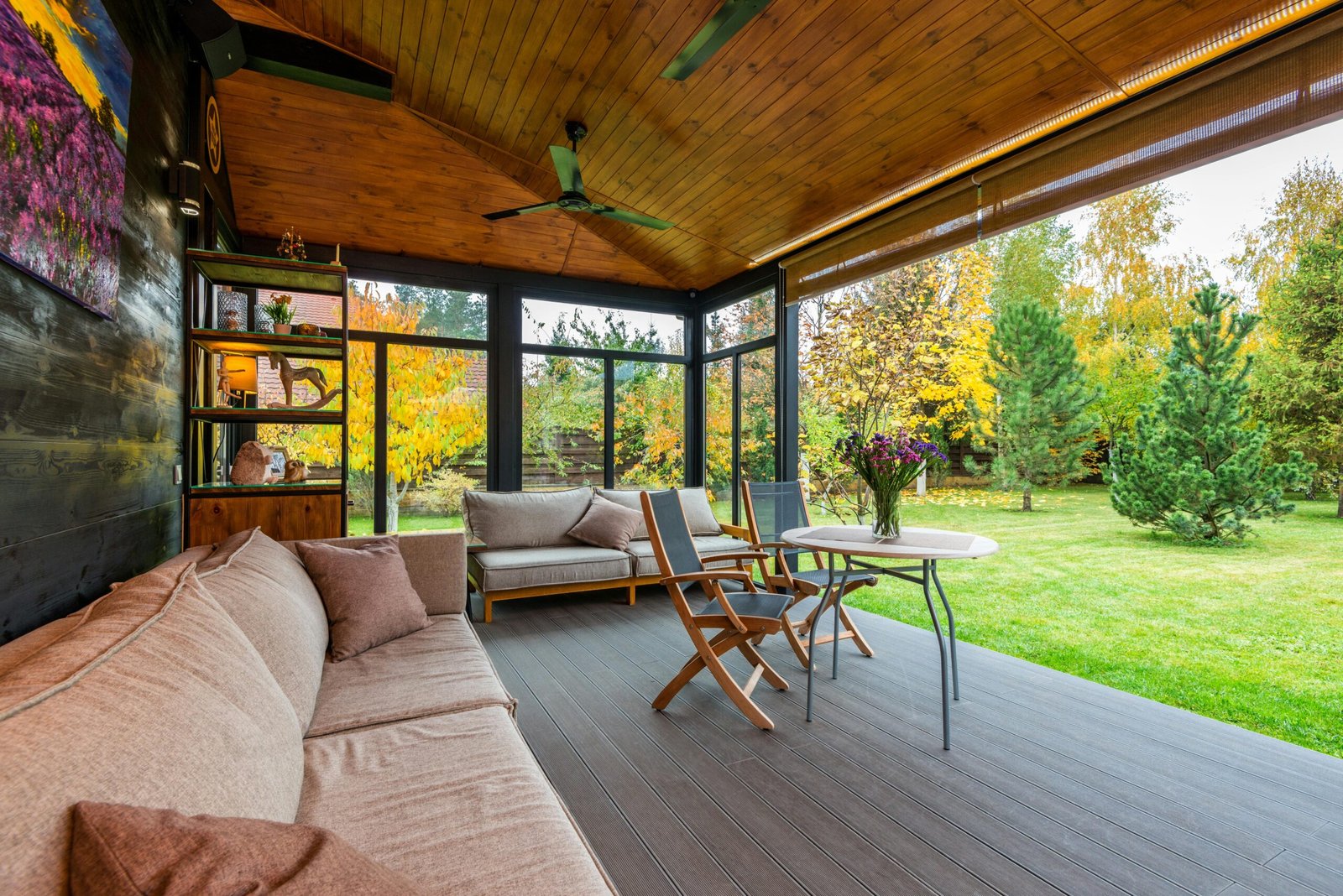
Solving the Parking Problem
When you consider a garage conversion into an additional bedroom, parking for cars often becomes a significant concern for potential buyers. Many wonder whether converting a garage will impact off-street parking availability or make the home less functional. Addressing these issues requires careful planning around storage space and how your lifestyle might adapt. By planning, you can ensure that your property remains attractive and functional, ultimately enhancing its home value.
Off-Street Solutions
- Add a wide driveway where possible for extra spots
- Mark new parking with paving stones or gravel.
- Convert a portion of the yard into a parking pad or mini lot.
- Explore parking lifts for additional cars in the same area.
- Make sure to follow local zoning and parking rules.
A whole lot of buyers shop for safe, convenient parking with their homes, often looking for options like a functional garage. If you remove a garage, you can typically compensate by creating a new parking space. Sometimes, even just a small gravel pad or clearly demarcated space on your own property can help. Some homeowners even consider a garage conversion, turning their garage into an ADU to generate rental income and ease expenses. Still, check your city or town just to be certain you comply with parking and zoning laws.
Storage Alternatives
If you no longer have a garage, you lose storage. Or a backyard shed for your tools, bikes, or seasonal clutter. Outdoor sheds are great for storing large or unwieldy gear. Others incorporate storage into the transformed living space, such as closets or cabinets. Consider what you use most and organize storage accordingly.
One shed might suffice. Some of us require more inventive solutions. Your decisions will be based on your lifestyle, family size, and hobbies.
The Lifestyle Shift
Garage conversions can alter your life day to day. You gain extra space for visitors, hobbies, or telecommuting. Whether your family expands or your needs change, the additional room can evolve. Others repurpose the spot for exercise, painting, or even a silent study. The difference can make your day.
As you’ll see, I think you’ll discover that the parking trade-off is worth it for a more functional home. Sometimes, their extra living space actually lessens the requirement for cars altogether, particularly in highly walkable districts.
Conversion vs. Other Additions
Balancing a garage conversion against other additions is crucial when you care about long-term value. A garage conversion is typically quicker and more budget-friendly than adding an entirely new room. Garage conversions typically wrap in 2 to 6 weeks versus months for a traditional addition. This timeframe is relevant if you want to eschew months of disruption or require the space in short order. The prices are different, too. A garage conversion can go for as low as $15,984 in Florida and up to about $23,187 in Massachusetts. A new addition not only requires more time to build but generally costs a lot more, sometimes two or three times the cost of a simple garage conversion.
Garage conversions not only save you money and time but can also provide a nice return on your investment. Most owners recover approximately 80% of what they spend on them in their home’s value, meaning if you invest $20,000 in a conversion, your property value might increase by $16,000. This is especially pertinent for Portland homeowners, as standard additions may necessitate sacrificing yard space, which is a downside in densely populated areas. A garage conversion keeps your yard free and may be your only option to expand your living space if you have rigid zoning regulations or a very small yard size.
It depends a lot on what you need and want. Whether you require a small suite, a garage office, or a basic 1-bedroom unit, a garage conversion tends to be the perfect solution. It’s generally cheaper than planning and constructing a larger, more complicated space from new. You ought to consider your region’s weather and what potential buyers prefer. In areas with brutal winters or limited parking, sacrificing a garage could deter potential buyers. Conversely, in regions where extra living space is valued more than sheltered parking, a garage conversion can be a smart choice, particularly for expanding households or work-from-home types.
Conclusion
If you want to convert your garage without losing resale value, you need a savvy strategy. Buyers seek quick solutions if they desire the ‘old garage’ returned, so keep to floors and walls that can switch back quickly. Make parking convenient, perhaps with a carport or a short driveway. Demonstrate an obvious purpose for your conversion, like a home office or gym, not a junk room. Employ concepts that suit most lifestyles, not just your taste. That way, you keep your home strong on the market. Check in with local agents or home experts as well. Looking to maximize your space and maintain your resale value? Begin with minor modifications that remain adaptable.
Frequently Asked Questions
Can converting my garage affect my home’s resale value?
Sure, garage conversions can affect your home value. Buyers might desire a functional living space for parking or storage. Consider your design and the local housing market before starting your project.
How can I maximize resale value with a garage conversion?
Make the garage conversion versatile. Opt for convertible garage designs to create a functional living space. This will appeal to future buyers who may prefer the original garage use.
What should I consider before converting my garage?
Before starting your garage conversion project, check local building codes and neighborhood regulations to ensure compliance and safety.
Will losing covered parking reduce buyer interest?
It might be wise to consider local parking demands before eliminating garage space, especially in regions where garage conversion costs can impact home value.
Are garage conversions cheaper than other home additions?
Yes, garage conversions tend to be more affordable than new construction rooms. You’re saving on foundation and structural costs because the bare bones space already exists.
Can I convert part of my garage instead of the whole space?
Definitely. Partial conversions of garage spaces allow you to retain some storage or parking, which can increase home value and attract a broader spectrum of buyers.
How do I make my garage conversion appealing to future buyers?
Can I convert my garage without losing home value? Just ensure the space is bright, comfortable, and easy to convert into a functional living space.
The Key to Smart, Functional Living: Carey Bros. Design & Build Remodeling, Experts in Garage Conversions and Flex Spaces
Your home should work as hard as you do. Whether you need a quiet home office, a guest suite, a creative studio, or a gym, a garage conversion or flex space can give you the extra room you’ve been missing—without the cost or hassle of moving. With thoughtful design and expert craftsmanship, Carey Bros. Design & Build Remodeling transforms underused garages into beautiful, functional spaces tailored to your lifestyle.
As a trusted Contra Costa general contractor, we specialize in creating flexible living areas that blend comfort, efficiency, and lasting value. Our team handles everything from insulation, lighting, and HVAC installation to flooring, plumbing, and interior finishes, turning cold concrete into a warm, inviting extension of your home. Every detail is managed with care, ensuring the final result looks and feels seamless with the rest of your property.
Your garage can be so much more than storage. Whether you’re dreaming of a modern office, guest suite, entertainment area, or multi-use space that adapts to your family’s changing needs, Carey Bros. Design & Build Remodeling can make it happen. Contact us today to turn your garage into a flexible living space that fits your life perfectly.
Disclaimer
The materials available on this website are for informational and educational purposes only and are not intended to provide legal, financial, or professional construction advice. You should consult with a qualified general contractor, architect, or other relevant professionals before making decisions regarding remodeling, construction, or home improvement projects. Do not act or refrain from acting based on any content included on this site without seeking appropriate professional guidance. The information presented on this website may not reflect the most current building codes, regulations, or industry standards. No action should be taken in reliance on the information provided on this website. We disclaim all liability for actions taken or not taken based on any or all of the contents of this site to the fullest extent permitted by law.