
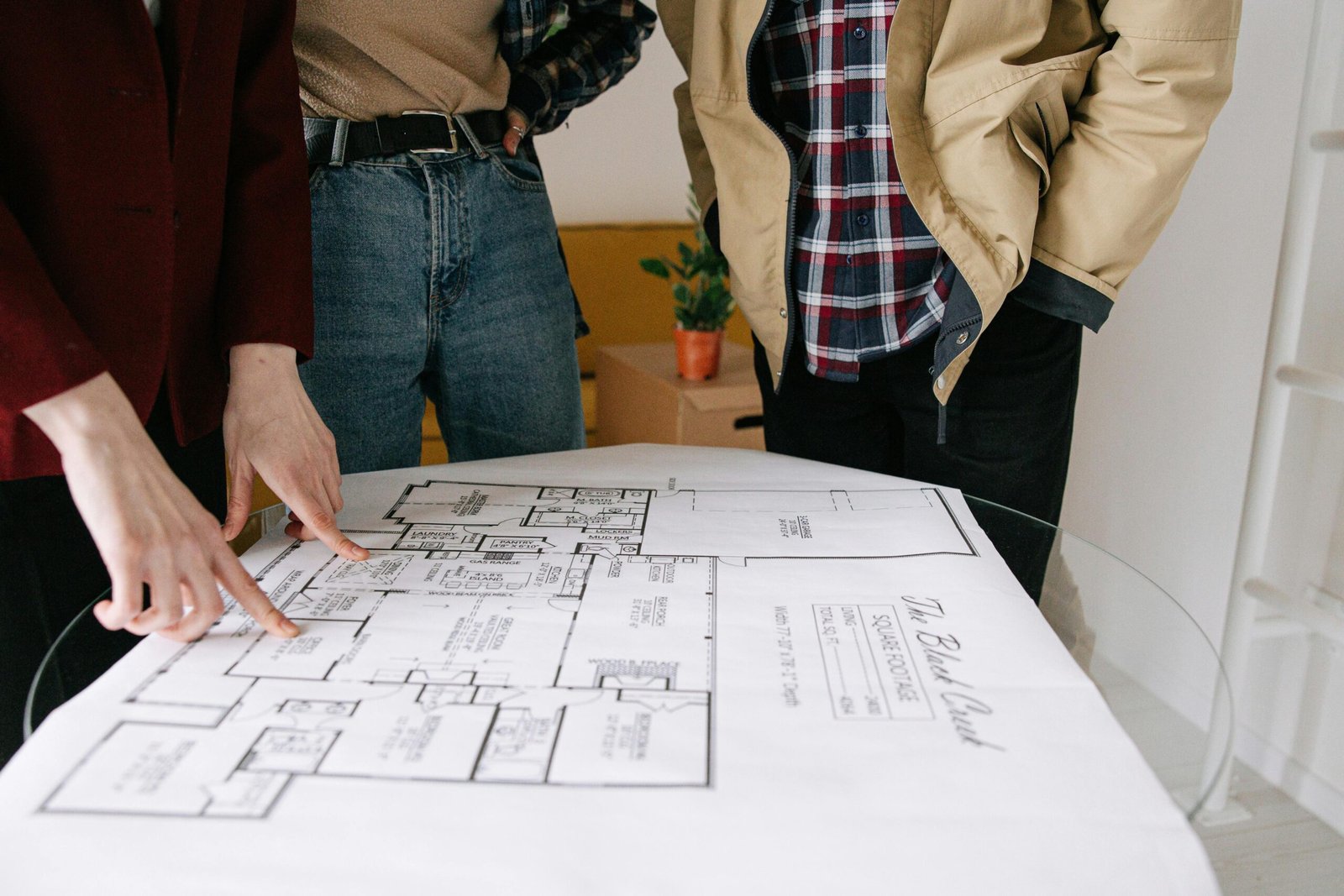
In response to what I should expect during my first design consultation in Danville, most folks sit down with a designer to discuss their needs, aesthetic, and budget. First meetings commonly open with a discussion of what does and doesn’t work in your space. The designer may inquire about your objectives, preferred color schemes, and your utilization of each room. Some may jot down notes or snap pictures. Do expect to visit samples, such as fabric swatches and flooring. You don’t need to be 100% certain before your visit, either! Designers in Danville see a lot of plans and budgets, so open communication goes a long way. Next, the post will share common steps, tips for prep, and how to get the most from your first visit.
Key Takeaways
- Your first design consultation lays the groundwork for your project by defining your objectives, discovering your taste, and establishing expectations.
- These open conversations with your designer during the consultation allow them to get a clear picture of your vision and lifestyle needs.
- A detailed walk-through of your space enables the designer to evaluate existing conditions, identify design opportunities, and tackle any functional or structural issues.
- We weave in practical considerations like setting budget, timelines and feasibility into the consultation to help bring everyone’s expectations back down to earth.
- With effective preparation, gathering inspiration, must-haves, and questions, you can show up ready to engage and decide.
- Continuous discussion and frequent input from your designer post-consultation are essential to keep moving forward, polish your vision, and produce a unified design.
The Consultation’s Core Purpose
It’s the initial design consultation in Danville where the foundation for the entire project is established. At its essence, this consultation is about discovering what the client desires and what is feasible for the area. It’s step one in making vision tangible. The designer will spend time inquiring about your lifestyle, daily habits, and the fundamental needs of anyone who inhabits the space. These specifics assist in creating a strategy that is logical and aligns with people’s lifestyle, not simply the aesthetic of a space. This might mean a client with young children desires more open spaces or hard surfaces for easy cleaning, whereas a work-from-home client might require something conducive to productivity.
A major component of the consultation is clarifying objectives and expectations. The designer will inquire about style preferences, colors, and fabrics. They’ll want to know how the client wants to feel in the space, whether it’s calm, bold, or cozy. This is when to establish a budget and see if it aligns with what’s feasible. The designer will provide candid input about what is possible in that scope. If the budget is tight, they may discuss phasing the work or where to spend more.
The designer needs to visit the space. This involves measuring, examining light and flow, and getting to know any space constraints. This period, typically around two hours, allows both parties an opportunity to experience their compatibility. This matters because the process requires solid collaboration. If the designer and client don’t really match, it is better to find out early.
Last but not least, the consultation is an opportunity to establish confidence. The design will demonstrate how they can lead the client through the process, from concepts to finish. The objective here is to leave the client feeling encouraged and confident about the way forward. The most fruitful consultations are candid and forthright, and they leave both parties feeling empowered to proceed.
What Happens During Your Danville Consultation?
Your Danville design consultation is designed to get both client and designer on the same page of scope, needs, and vision before a project begins. It begins with a brief discovery call, around 20 minutes, where you discuss needs and project objectives. The primary consultation lasts about 90 minutes, which enables a comprehensive, free-flow dialogue. Think of this initial meeting as your ‘first date of interior design’.
The Welcome
You’re greeted with a warm hello and somewhere to lay your head. You receive a transparent picture of what to expect, which is reassuring and helps to calm nerves. Small talk ensues, which is more than a formality—it’s a trust-builder. This strategy simplifies your idea sharing and establishes a laid-back, candid vibe for the remainder of the session.
Your Story
The consultation turns to your story. You discuss your vision for your home, what you want to transform and why. Your lifestyle needs and previous renovation experiences factor in, how the designer interprets your vision. Do you want a complete remodel or just a new kitchen? These details provide the foundation for where the project is headed.
The Walk-Through
Together, you and the designer tour your space. The room doesn’t have to be ideal. This is about figuring out what works and what doesn’t. You talk about what needs to be repaired. Your designer observes structural details, lighting, and flow, providing recommendations on how the layout might be optimized.
The Vision
Now, you talk about options. You tell us your style, what inspires you, and what you want to feel when you walk in space. The designer displays samples and discusses motifs, hues, and tactility. You discuss the idea of every room in your house collaborating and trying to achieve a style that suits your lifestyle.
The Realities
Budget and schedule take front and center. Really, it’s about being honest about what you can invest. The designer will discuss typical challenges such as extended lead times or format constraints. Together, you balance dream-list ideas with reality while staying focused on your objectives.
The Next Steps
Your Danville consultation concludes with a defined action plan. You find out when to expect a proposal and how cost estimates work. The designer describes how you will select materials and make final decisions, and how you will stay in touch. Beyond this, the design process typically requires four to six weeks.
How to Prepare Effectively
How you get ready for your initial design consultation in Danville defines the direction of your project from the beginning. This first actual discussion is more than just an idea exchange. It establishes the tone for working together, lets you iron out exactly what you need, and everyone gets on the same page. Preparation enables you to articulate your goals, needs, and expectations, facilitating a smoother and more productive process for all parties.
- Must-Haves:- Functional layout
- Quality materials
- Adequate storage
- Proper lighting
- Nice-to-Haves:
- High-end appliances
- Custom cabinetry
- Smart home technology
- Luxury finishes
- Set a preliminary budget and know your financial limits
- Gather images or references for preferred styles and finishes
- List specific needs or accessibility requirements
- Schedule the meeting when all decision makers can attend.
- Prepare to talk about how you inhabit your space and your habits.
- Prepare to share any constraints or challenges you anticipate
- Practice describing your style preferences in simple, clear terms
Your Homework
Create a simple checklist to keep your tasks on track: set your budget, write out your needs, and gather style references. Check out current design trends and counter-balance them with what works for your lifestyle and location. Clip pictures from websites or magazines that represent your taste.
Come up with some questions for your consultation, for example, “What is the timeline?” or “How do you deal with unexpected changes?” Consider your family’s lifestyle—who cooks and who cleans and how their daily habits may impact the design. This personal insight provides the designer a robust basis for a customized strategy.
Your Space
Take an accurate measurement of your kitchen or bathroom in meters, including length, width, and height. Note any problems, such as harsh lighting, weird layouts, or lack of storage, that you want addressed. Highlight specific issues, like places that become overheated or cold, or where you wish you had shelves.
Notice how you already use the space. Do you entertain frequently? Is storage a consistent issue? Sharing this information allows the designer to offer solutions that accommodate your actual needs, ensuring that your new space functions better for your day-to-day living.
Your Questions
- What experience do you have with similar projects?
- Can you show examples of your past work?
- What is the estimated timeline for completion?
- How do you structure project phases?
- What challenges do you foresee in this project?
- How will communication be handled during the process?
- What steps do you take to address project delays?
Inquire about the designer’s strategy, workflow, and adaptation to modifications. Understanding how they operate and address issues generates confidence. Knowing the schedule and phases leads to better planning and fewer surprises. A consultation should be a two-way street. Take this time to ensure you and your designer are a good fit.

The Danville Design Dialogue
The Danville Design Dialogue is a conversation. Great things happen when you and your designer have an open dialogue. Each has their own thoughts and requirements. Right from the beginning, you’ll see how the designer establishes the tempo. Some establish a time limit, usually an hour and a half, while others simply let things run until both parties are satisfied. Whenever you feel like it, share what you do and don’t like. This allows the designer to refine ideas on the spot, guided by your reaction. For instance, if you see a paint swatch you hate, say it. If you see a fabric that suits, identify it. It’s this candid critique that defines the project.
Designers frequently arrive with sample boards filled with fabrics, paint chips or photos. These make your decisions tangible. If you desire a serene, minimal aesthetic, you can glimpse and feel soft, light-hued textiles or crisp, neutral tones of paint. This is not style for style’s sake; this is about how you want the space to make you feel. Some clients desire a cozy lounge, others a sunlit work nook. The designer will inquire and listen carefully to your responses. They might ask how you utilize the room on a daily basis, who the space is shared with, or your preferred lighting levels. Your responses steer the designer in customizing the plan for you.
A good consultation implies building confidence. The initial session isn’t just an idea exchange; it’s a compatibility check to see if you and the designer are a good match. Rapport counts. Feel free to discuss your budget, your requirements and your concerns. Certain designers will require a fee upfront prior to the initial appointment. This establishes a dynamic that their time and expertise are worth. Others provide the initial appointment free of charge. Both are common, and it’s smart to inquire about this prior to meeting. Once the course is set and both sides honor it, the work that ensues is easier.
Understanding Costs and Value
Understanding costs and value designs your decisions from the outset. For example, in that initial design consultation in Danville, most designers are eager to discuss your budget up front. This ensures the plan is right for you and your budget. I’d recommend walking in with your square footage, a picture, and a wish list that fits your budget. These assist the designer in providing concepts that function for your requirements and avoid wasted time.
A big part of this meeting is to talk about cost factors, value, and how the designer charges. The table below breaks down the key points:
|
Cost Factor |
Value Assessment |
Typical Fee Structure |
Included Services |
|
Materials (wood, stone, etc) |
How long it lasts, how it looks |
Fixed fee, hourly, or percentage |
Space planning, sketches |
|
Labor |
Skill of workers, speed of work |
Consultation fee |
Budget planning |
|
Custom work |
Unique fit, quality, use of space |
Retainer or deposit |
Sourcing materials |
|
Furniture & storage |
Multi-use, fits space, storage solutions |
Final payment after completion |
Project management |
|
Maintenance |
Cost to keep up, ease of cleaning |
Sometimes charged separately |
Vendor coordination |
When you consider cost, consider the value of quality workmanship and durable materials. If you use top-of-the-line stone for a kitchen, for instance, it is more expensive initially but withstands heat and stains for decades. For high-traffic areas, such as hallways or living rooms, choose durable flooring. This repays in repair savings and the newness of space. Multi-use furniture, such as a bed with drawers built in or an ottoman that stores blankets, is fantastic for tiny spaces. It trims chaos and may reduce overall expenditure.
Good designers will frequently provide you with a detailed breakdown of what their fees include. This might be a flat fee, an hourly rate, or a percentage of the project. They’ll tell you what is and isn’t included in the fee, like if design planning, furniture selection, or construction supervision is additional. Be sure to inquire whether you pay on delivery or if you need to put down a deposit.
If your budget is limited, inquire about how to amortize costs. Certain designers are willing to provide you with a payment plan or you can consider budget-friendly options such as laminate surfaces or pre-made furniture. Discuss what’s most important to you so you receive the highest value for your dollars.
After the First Meeting
Once we’ve completed our initial meeting, the design begins to take form. After the First Meeting, next steps go beyond discussion and planning. Now you and your designer begin to implement what was discussed. This initial period establishes the tempo for the entire project, from how you will monitor its progress to how you will manage expenses and modifications. All steps here are intended to keep you in the loop and your project on track, so you know what to expect and when to expect it.
|
Week |
Key Action |
Who Is Involved |
|
1 |
Designer sends summary and next steps email |
Designer, Client |
|
2 |
Client reviews timeline and budget |
Client |
|
2-3 |
Designer checks in for feedback |
Designer, Client |
|
3 |
Set recurring update or site visit schedule |
Designer, Client, Trades |
|
4+ |
Begin onboarding and formal agreement |
Designer, Client |
|
Ongoing |
Regular updates, invoices, and check-ins |
Designer, Client |
The next thing you’ll notice is your designer’s follow-up email, which typically arrives a couple of days after the meeting. This email typically includes a recap of what you discussed, a concrete timeline of next steps and a budget estimate. Make sure the timeline works for you and that the budget fits your plan. Stop and find any hidden fees or vague budget items. If you have questions, now’s your chance to inquire.
Designers, for example, often send check-in emails every week or two just to ensure you’re happy with the process. A lot of designers have diary reminders for these check-ins, so you’ll get a steady stream of updates. If projects proceed, you’ll have an onboarding step. This may involve signing a contract, establishing payment conditions, and agreeing upon update logistics. A few designers add the first meeting to your total billable hours if you proceed.
It’s all about speaking. Anticipate weekly progress emails, with photos or site visit notes, depending on the project. It’s typical for designers to invoice either once a month or at the completion of each phase, with an itemized list of hours. If you have to tweak the plan or just want to keep tabs, keep in touch with your designer—they depend on your feedback to keep the design feeling right for you. Designers might request a testimonial or referral, which benefits them and demonstrates that you appreciate their work.
Conclusion
To sit down with a designer in Danville is to initiate frank discussions about what you desire, what you require, and what you’re able to afford. Good preparation goes a long way. Come in with your ideas, your preferences, and some fundamental details about your space. I look forward to frank questions and open discussion. We’re here to explore what works for you, not to sell you things you don’t need. You walk away with a plan that you can trust, a sense of next steps, and a clear sight of the work ahead. If you’re looking for additional advice or want tips on maximizing your inaugural Danville design consultation, explore more posts here or connect with questions. The right start is everything.
Frequently Asked Questions
What is the main goal of a design consultation in Danville?
To get a feel for your needs, style, and budget. We have designers collect information to formulate a custom plan for your space.
How long does a typical first design consultation last?
Generally, a first design consultation lasts 60 to 90 minutes. The timing will depend on the project size and complexity.
What should I bring to my Danville design consultation?
Bring photos of your space, inspiration images, a needs list, and your budget. Having these helps the designer in conceptualizing your vision.
Will I get a design plan during the first meeting?
Too much to list here, but most designers will give you some initial ideas. A comprehensive plan will come after your first consultation. The initial consultation is for discovery and scoping.
How are design consultation fees structured in Danville?
Fees can be hourly or a flat rate. Some designers provide a complimentary initial meeting and some charge for their time. Inquire about fees prior to scheduling.
How can I prepare for my first design consultation?
Go over your goals, gather inspiration photos, and be aware of your budget. Transparent communication ensures you maximize your meeting.
What happens after my first consultation?
After the meeting, the designer will follow up with a proposal or design plan. They will describe next steps, timelines, and costs for your project.
Choosing the Right Contractor for Your Home Remodeling Project
Choosing the right contractor can make the difference between a remodeling project that feels smooth and organized and one that quickly becomes stressful. You’re investing in your home, so the team you hire should bring experience, clear communication, and a process that keeps everything on track from the start.
Homeowners across Contra Costa County, including Walnut Creek, Danville, Lafayette, Orinda, Concord, San Ramon, Moraga, Pleasant Hill, Martinez, and Alamo, often see the best results when they work with a contractor who begins with careful planning. A good contractor will take time to understand how you use your home, what isn’t working, what you want to improve, and how your budget fits into the project.
Many homeowners benefit from working with a design-build contractor, where the same team handles both design and construction. This approach keeps communication clear, decisions moving forward, and the project aligned from concept through completion.
Whether you’re remodeling a kitchen or bathroom, updating living spaces, or improving accessibility, choosing the right contractor helps ensure your renovation moves forward with clarity and confidence. Carey Bros. Design & Build Remodeling works with homeowners across Contra Costa County to guide projects from the first consultation to the final walkthrough. Reach out today to start planning your project.
Disclaimer
The materials available on this website are for informational and educational purposes only and are not intended to provide legal, financial, or professional construction advice. You should consult with a qualified general contractor, architect, or other relevant professionals before making decisions regarding remodeling, construction, or home improvement projects. Don’t act or refrain from acting based on any content included on this site without seeking appropriate professional guidance. The information presented on this website may not reflect the most current building codes, regulations, or industry standards. No action should be taken in reliance on the information provided on this website. We disclaim all liability for actions taken or not taken based on any or all of the contents of this site to the fullest extent permitted by law.