
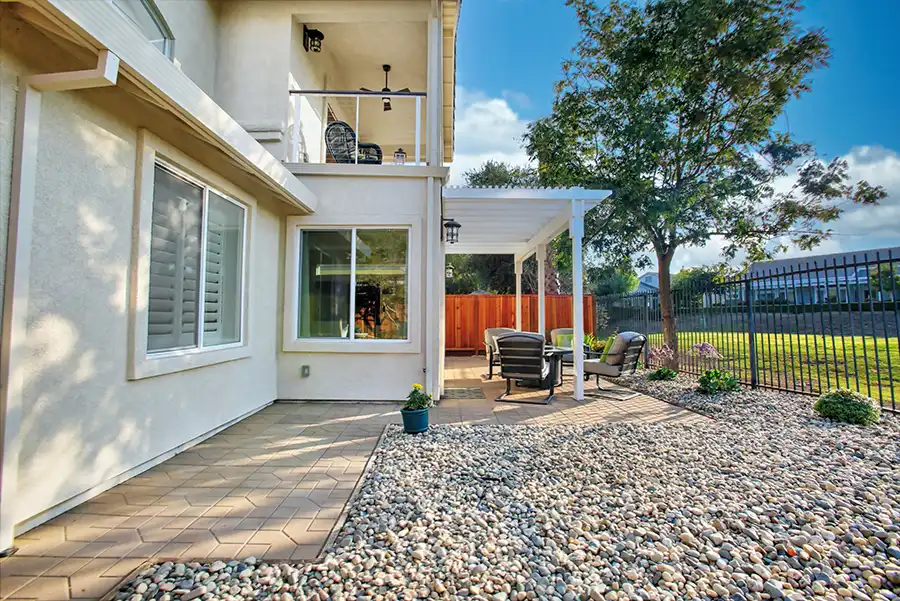
How long does a standard addition project take from start to finish? Timelines fluctuate depending on the size, design intricacies, and permit processes of the project. Small room additions can wrap up in four to eight weeks, while bigger plans, like a second story, may take up to six months. Weather, material delays, and plan changes can add days or weeks. Clear drawings, a trusted contractor, and solid planning can help keep things on track. Most homeowners invest additional pre-construction time on design decisions and approvals. Understanding the process and what can delay it provides a clearer sense of what to anticipate. Then, discover the key phases and advice for a stress-free project.
Key Takeaways
- A home addition project moves through multiple stages: conceptualization, permitting, foundation, framing, systems, and finishes.
- Variables like scope, design, and site conditions can affect the schedule, so owners need to be realistic and keep everyone informed about changes.
- Unforeseen delays such as supply chain snags, inspections, and weather may occur and should be expected to mitigate damage.
- Homeowners have a major role to play in project pacing by making decisions in a timely manner, being prepared financially, and communicating clearly and openly with the construction team.
- If you want to speed up a home addition timeline, it is as simple as pre-selecting materials, hiring an experienced team, and having a solid contingency plan whenever the unexpected occurs.
- Hurrying the project results in expensive errors and inferior quality. A neat, slow approach is best for the long term.
The Home Addition Timeline
A home addition construction project takes place in various phases, each with its own to-do list and potential delays. Depending on the nature of the addition construction, this could take anywhere from a few weeks for small, basic projects to more than a year for large or complex additions. While every home addition project is different, on average, most homeowners can expect a project timeline to take two to twelve months. Detailed planning and a strong sense of when each construction phase begins and ends help set expectations and minimize surprises. Understanding what occurs at every stage and why helps homeowners maintain control and keeps the construction work as close to schedule as possible.
1. Conceptualization
This initial consultation phase begins with design meetings where homeowners and designers discuss ideas and requirements. It’s essential to create a functional layout that works for the space, function, and style. Architects or designers come on board early to help ensure the design plans are well-defined and feasible. These meetings can take several weeks to several months, with 1 to 3 months being common in the construction timeline. By picking out materials and finishes early, last minute changes are less likely, ensuring a smoother remodeling process.
2. Permitting
Getting permits is crucial when dealing with your local building authorities, as each region has its own guidelines and vetting system. For instance, simple projects may receive permits within a few weeks, while more complex builds or special zoning requirements could extend the construction timeline to several months. Homeowners should be prepared for last-minute alterations to the construction schedule if the building department requests changes. If there’s not enough time for permits, the entire construction process can come to a halt, making the project timeline contingent upon the size and complexity of the additional construction.
3. Foundation
The foundation phase is brief yet crucial in the construction process. Establishing the site, pouring concrete, and allowing it to cure typically takes about a week, although inclement weather or special site needs can stretch this timeframe. If the foundation isn’t right, everything that follows in the construction timeline can suffer. By checking this work closely, you help avoid delays in the next stages.
4. Framing
Framing is a crucial part of the construction process when the build takes shape, typically lasting at least two weeks. During this construction phase, the build team sets the walls, floors, and roof supports, ensuring that any major structural modifications occur at this point to keep the project timeline on track.
5. Systems
Plumbing, electrical, and HVAC installations occur next in the construction process. All work must align with design plans and pass code inspections. These checks may indicate necessary repairs or structural modifications, but skipping steps can lead to significant issues later. Typical home addition timelines vary; a couple of weeks is common.
6. Finishes
The finish includes flooring, siding, roofing, and custom details, all of which are part of the construction process. Some additional construction projects take just a few weeks if it’s a modest enhancement, while exterior work like siding or paint can extend the construction timeline.
What Influences the Schedule?
Several aspects can affect the construction timeline of a home addition. The nature of the work, scale, architectural style, and even the soil beneath the home all influence this. Here’s a table of important factors that tend to establish the tempo of the remodeling process.
|
Factor |
Influence on Timeline |
|
Project Scope |
Bigger or multi-room jobs take more time |
|
Design Complexity |
More detailed plans need longer for design and build |
|
Site Conditions |
Poor access, old wiring, or bad soil can slow things down |
|
Material Availability |
Custom or rare items can delay work if not ready |
|
Permitting |
Some places need more permits, which can take weeks or months |
|
Exterior Finishes |
Painting, siding, and landscaping can add months |
|
Finishing Process |
Cabinets and counters may need weeks to install |
Project Scope
A well-defined project scope provides all of you a common roadmap for the work during the planning phase. When you add a family room or second story, the construction timeline must determine what gets built, what remains, and what transforms. If the scope expands, say you need a new bathroom as well, the project will require additional days, additional funds, and new permits. Changes to the construction process mid-way can delay things, as new design plans and materials need to be ordered. Several rooms or major renovations, such as converting your attic to a bedroom, can double or triple that schedule. Every new task adds steps to the job and can extend the budget, so it pays to schedule a bit of time and expense cushion up front.
Design Complexity
Easy shapes and designs go quick during the construction phase. A simple room addition or straight hallway requires less time. However, if you desire built-in shelves, custom windows, or a vaulted ceiling, the design phase and building steps accumulate. More detail leads to more drawings, approvals, and special skills from the build team. Sometimes, selecting finishes or waiting on custom selections can slow down the construction timeline, and those decisions can delay the overall construction process. Solid coordination among you, the designer, and the builder keeps things on schedule.
Site Conditions
Site checks during the construction process often catch issues that can stall a job. Everything in old homes can have hidden wiring, weak floors, or even pipes that need a complete redo. Hillside or clay soil may require additional excavation or reinforcement, impacting the construction timeline and demanding more time and attention. If these issues are discussed clearly and early, surprises are less likely to become months-long delays in the remodeling process.
The Unseen Delays
Dream home additions almost never go linearly from point A to point B. They can sneak up on you, too, from the most unexpected places. Knowing about these hidden delays can make expectations more realistic and add elasticity to any project plan.
Common unseen delays include:
- Material shortages or late deliveries
- Extended permit approval times (often 4–12 weeks)
- Failed inspections requiring rework
- Bad weather halting outdoor work
- Slowdowns due to real estate and supply market changes
- Additional time is required for projects on steep or conservation land.
- Missed communication between contractors and inspectors
Supply Chain
Supply chain issues are among the most significant causes of project lag in the construction process. Even with careful planning during the initial consultation, unexpected shortages or shipping delays can occur. For instance, if a key supply such as lumber or custom windows is held up, the entire construction timeline can shift by several weeks. While contractors often pre-order materials, not all delays are preventable. Maintaining a good relationship with suppliers is certainly helpful; however, when global market problems arise, such as trade wars or surging demand, it impacts everyone involved. Monitoring supply patterns and padding the construction schedule by about 20 percent is an effective strategy to absorb these hazards and keep the project timeline on track when surprises strike.
Inspections
Inspections are required at different stages of the construction process: foundation, framing, plumbing, and electrical work. Each inspection ensures that the work adheres to building codes, which is critical for safety and insurance coverage during the construction timeline. A failed inspection does not usually mean a patch job; the crew might have to rework and then wait several weeks for another check-up. Other projects can waste months in inspection delays, particularly when schedules are compressed or communications fail. Keeping all parties updated in a timely manner can significantly reduce the risk of long delays during the remodeling process.
Weather
Weather has a significant impact on the construction process. Snow, torrential rain, or extreme heat can halt work or even destroy work done. In much of the country, beginning a project in the wrong season can add 2 or 3 months onto the construction timeline. Keeping an eye on forecasts and working with the season’s cadence assists, but it’s not foolproof to dodge weather delays. Protective measures such as tarps or temporary shelters provide assistance, not a complete fix. Considering the local climate and padding for weather delays is prudent.
Your Role in Project Pacing
The way you approach each phase of a home addition, including the design phase and construction timeline, defines the project’s pace. Your decisions, preparedness, and cooperation with the remodel team can make a project hum or stall. Being mindful of your role in project pacing keeps us all on track throughout the entire construction process.
Decision Speed
Fast choices keep things ticking in the construction process. By selecting finishes, layouts, or fixtures immediately, the build team can order materials, schedule trades, and maintain a consistent construction timeline. If you wait too long or waver on decisions, it leaves holes in the schedule. For instance, if you take days to pick a flooring type, the workers might have to stop or find another job, delaying everything in the remodeling process.
Immediate feedback is equally important during the planning phase. When designing or planning, builders often solicit your feedback. Late replies can elongate the project timeline. Your role in project pacing is to strive for open discussions with your contractor, so if a query arises, it gets resolved immediately. This translates into fewer surprises and less room for bugs, especially in complicated builds where even minor decisions can impact multiple components of the design process.
Lastly, uncertainty and indecision don’t just stress you out; they really add time to the build. In larger projects, this time accumulates, delaying delivery dates and occasionally inflating costs, making careful planning essential for a successful remodel.
Financial Readiness
Having your finances prepared is crucial for a seamless construction process. During the remodel work, constantly keep an eye on your balance, ensuring it covers not only the direct construction work but also any additional expenses such as weather delays or scope changes. Reserve a little bit, perhaps 10 to 15 percent of the total, for the unanticipated costs associated with the additional construction.
Arrange loans or payment plans before the initial consultation with your contractor. If payments stall, the construction schedule commonly does too. Inform your contractor of any budget constraints to aid in the planning phase and to help avoid big surprises during the project timeline.
Tricky projects can require more seed capital. As costs can change, stay in contact with your lender so that everyone is on the same page, ensuring timely decisions are made throughout the remodeling process.
Clear Communication
Engaging in periodic discussions with your remodel team, whether weekly or bi-weekly, can save hours during the construction process. Keeping everyone updated on the construction timeline ensures that all team members are aware of what’s completed and what’s pending. By utilizing emails or shared files to document decisions and adjustments, you can avoid mix-ups, especially if the project moves away from the original design plans.
Regularly requesting updates from your contractor is crucial. This practice helps you identify minor issues before they escalate into significant problems. When the construction phase progresses, be open to suggestions from your builder regarding fixes or alterations; their expertise is invaluable in making timely decisions that keep the project on track.
If there are delays due to late materials or inclement weather, your builder can inform you promptly. This communication allows you to strategize and adjust the construction schedule, helping to maintain a steady pace throughout the remodeling process.
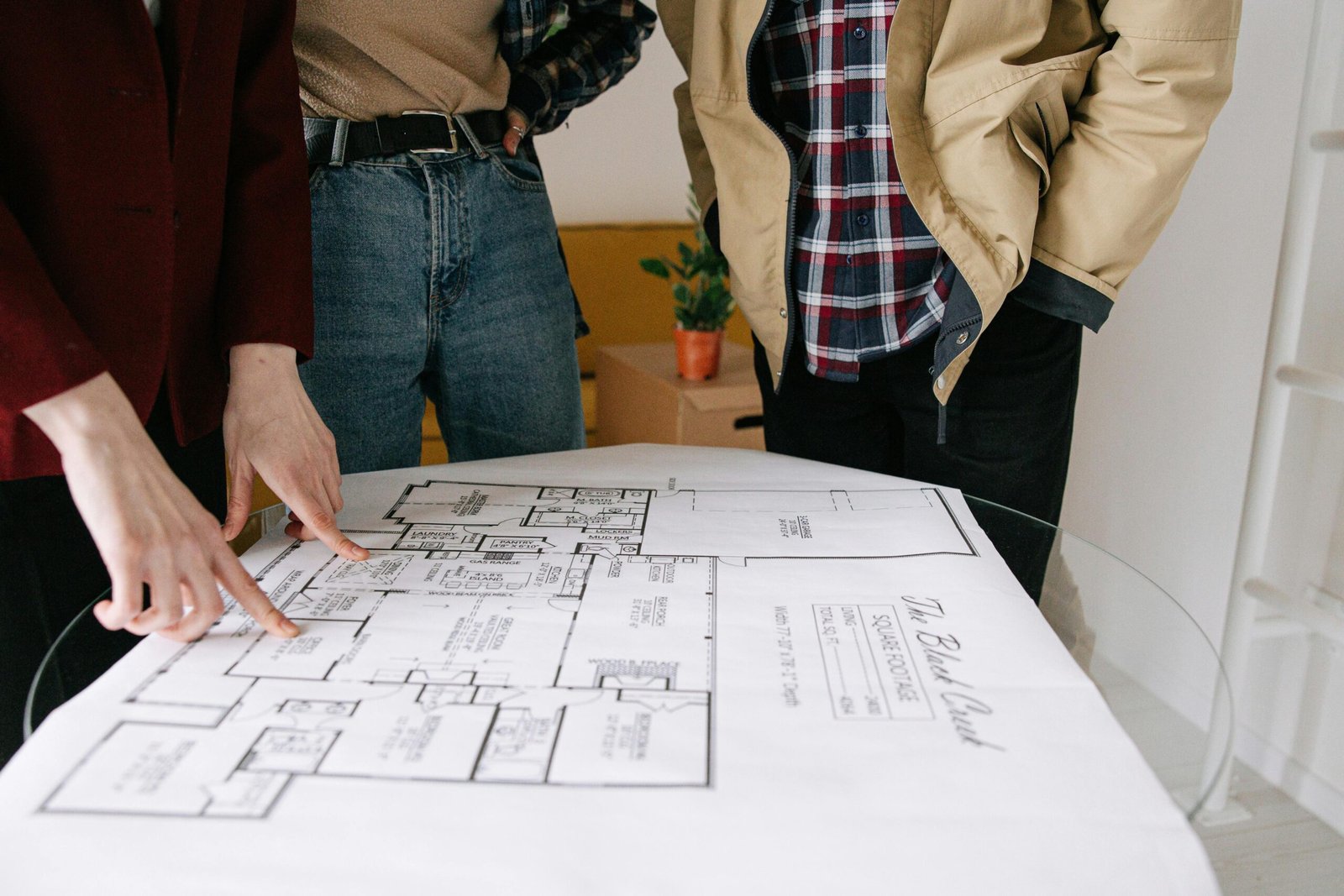
How to Accelerate Your Project
To accelerate your home addition project, make smart decisions up front and keep organized during the construction process. There are several factors that can assist homeowners and project teams in saving time, avoiding setbacks, and generally keeping the build on track. Below is a checklist with strategies to move the remodeling process forward: pre-select materials, hire an experienced team, and establish a solid contingency plan.
Pre-Select Materials
- Framing timber or steel
- Insulation
- Roofing and waterproofing materials
- Windows and doors
- Flooring finishes
- Wall paint or coverings
- Plumbing and electrical fixtures
- Cabinetry and hardware
- Lighting and switches
- Exterior cladding or siding
Before making selections, shop around to ensure they complement both the desired aesthetic and the necessary functionality. Confirm with suppliers that the materials you choose are in stock and can be delivered according to your construction timeline. Specialty or custom pieces may take several months, so making timely decisions is crucial to avoid a domino effect of delays in the remodeling process. Keep a master list of choices to help the remodel team conveniently order, track, and fit each piece at the appropriate moment.
Hire a Team
Hire a crew with home addition experience to navigate the construction timeline effectively. Experienced builders and contractors build faster, catch issues early, and maintain high quality throughout the construction process. Always verify licenses, insurance, and references to ensure the crew is dependable. Good teams communicate frequently and effectively, ensuring that everyone from designers to tradespeople is clear on their daily tasks. Carve out time for a pre-construction meeting before the remodeling process begins. This meeting is for goal-setting, schedule review, working hours, and site access agreement, saving you days by nipping muddle in the bud.
Establish a Contingency
Prepare ahead of time a plan for what to do if you run into a roadblock during the construction process. Budget time and money for the unknown, as weather, supply chain woes, or scope creep can all occur. Let everyone know that plans might shift and flexibility is important. Review your construction timeline weekly to remain prepared and act swiftly if necessary. Keep an eye on project timeline updates, cost variations, and your contractor’s daily logs. This keeps surprises minor and helps the remodeling process stay in motion, even when things are in flux.
Why Rushing Is a Mistake
A home addition is a large investment that deserves care and patience. When a project is rushed, the risks increase and the quality tends to decrease. The following table illustrates a few common dangers and where they can result.
|
Risk |
Potential Impact |
|
Skipping thorough planning |
Costly design changes and delays |
|
Failing to double-check specs |
Wasted materials, extra costs, poor fit or finish |
|
Starting without fixed pricing |
Unexpected expenses, budget overruns |
|
Overlooking weather conditions |
Construction delays, water damage, unsafe work conditions |
|
Cutting corners on updates |
Miscommunication, errors, missed deadlines |
|
Incomplete permits |
Project shutdowns, fines, extra fees |
|
Hasty work |
Subpar workmanship, future repairs needed |
Attempting to rush a home addition is a mistake. Design or measurement errors can translate to significant losses, with wasted supplies or the necessity to start over. For instance, if a wall is off by only a few centimeters, it might not align with roof sections or windows. Those fixes can be costly and time-consuming. It almost never rewards you to skip clean checks. Over time, those mistakes can evolve into bigger issues, such as leaks or structural defects.
A rushed project can translate to schedule chaos. Without consistent daily check-ins, the team can fall out of sync, work accumulates, and the entire schedule shifts. If weather isn’t accounted for, crews could be working in rain or heat, which impedes work and could even harm new materials. All of this results in stress and cost overruns for all.
Conclusion
Home addition work often takes a little patience and clear talk. A small room or bump-out can come to a close in two to three months. Bigger plans, like a full new wing, consume six months or more. Bad weather, slow permits, or late picks on finishes can push things back. Quick check-in chats with your builder prevent most slowdowns. Making your decisions early and following through on them gives the project real momentum. Rushing can result in shoddy work or skipped phases. To enjoy a smooth ride, stay on top of each step and inquire as you proceed. For more on how to plan your build or prevent common bottlenecks, visit our complete guide or contact us for tips!
Frequently Asked Questions
1. How long does a typical home addition project take from start to finish?
The typical home addition timeline spans three to six months, encompassing the planning phase, permits, construction work, and finishing touches. More complex additional construction projects may need additional time.
2. What factors can impact the timeline of a home addition?
The construction timeline largely depends on the project size, design complexity, permit approval, weather, and contractor availability. Delays in any of these areas can extend the construction schedule.
3. Are there common delays during home addition projects?
Oh yes, delays in the construction process can arise from weather, late material arrivals, or unforeseen structural modifications. Permit approvals and design phase changes can also cause delays.
4. How can I help keep my home addition project on schedule?
Decide fast during the planning phase, communicate well with your contractor, and get home addition permits early to ensure a successful remodel.
5. Is it possible to speed up the home addition process?
How long does an additional construction project typically take to complete? Clear communication and quick decisions assist the construction timeline.
6. Why should I avoid rushing a home addition project?
Hurrying through the construction process often leads to errors and inferior quality, ultimately increasing expenses. Taking the appropriate amount of time during the planning phase ensures superior results and reduces issues down the road.
7. Do I need to be present during construction?
You don’t have to be there every second, but consistent visits during the construction phase are beneficial. Being available for key decisions can keep your project timeline on track.
A Smarter Way to Add Space: Home Additions With Carey Bros. Design & Build Remodeling
A home addition should feel exciting, not overwhelming. You’re expanding the place you already love, and the process should match that feeling. The difference between a smooth experience and a stressful one often comes down to how the project is planned and managed from day one. That’s where a design-build approach makes all the difference.
Carey Bros. Design & Build Remodeling simplifies home additions by handling everything under one roof. We start by listening to how you want to live in the new space, how it needs to connect to your existing home, and what your budget looks like. Our design and construction teams work together from the start, so every detail is aligned before construction begins. No handoffs. No mixed messages. Just a clear plan moving forward.
Because the same team designs and builds your addition, timelines stay tighter and decisions happen faster. This means fewer surprises, better cost control, and a project that keeps moving without unnecessary delays. Whether you’re adding a primary suite, expanding your kitchen and living area, or creating room for a growing or multi-generational family, your addition is designed to feel like it was always part of your home.
If you’re ready to add space without the stress, reach out to Carey Bros. Design & Build Remodeling. Let’s turn your home addition into a smooth, well-planned experience from the first conversation to the final walkthrough.
Disclaimer
The materials available on this website are for informational and educational purposes only and are not intended to provide legal, financial, or professional construction advice. You should consult with a qualified general contractor, architect, or other relevant professionals before making decisions regarding remodeling, construction, or home improvement projects. Do not act or refrain from acting based on any content included on this site without seeking appropriate professional guidance. The information presented on this website may not reflect the most current building codes, regulations, or industry standards. No action should be taken in reliance on the information provided on this website. We disclaim all liability for actions taken or not taken based on any or all of the contents of this site to the fullest extent permitted by law.