
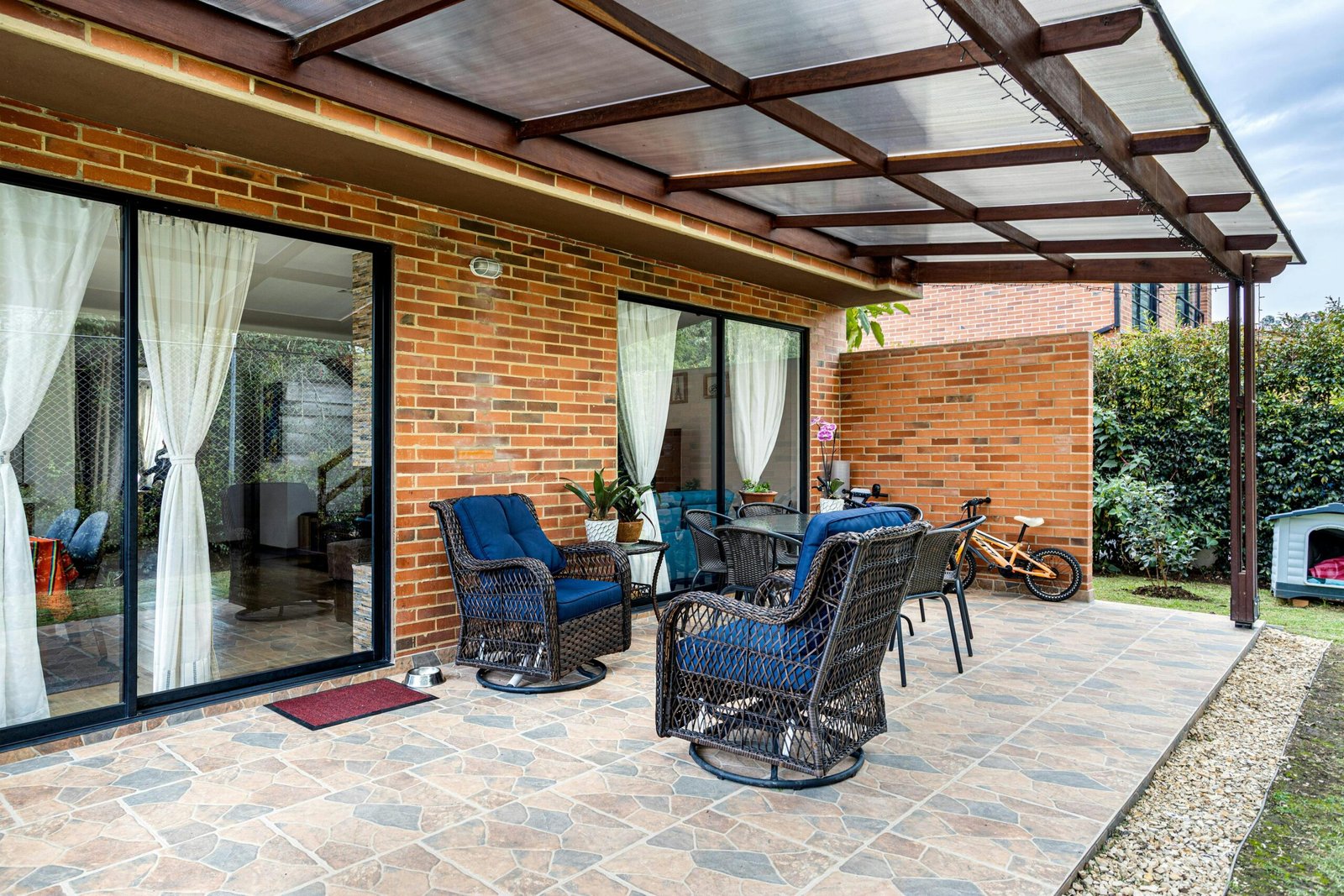
The types of additions that offer the best return on investment in Contra Costa County are kitchen remodels, bathroom upgrades, and adding extra living space such as bedrooms or family rooms. Open plan kitchens, modern bathrooms, and flexible living areas tend to be local buyer favorites in this area. Smaller updates such as new windows, energy efficient appliances, and improved insulation aid in value boosting. Outdoor living spaces, like decks or patios, are in demand because of their use throughout the year. Local data reveals that mid-range additions typically provide higher returns than luxury upgrades. Understanding which projects perform best in Contra Costa County can help homeowners plan smart modifications. The following sections provide specific examples and advice for each type of addition.
Key Takeaways
- ADUs, kitchen expansions, and primary suite additions are the best ROI home improvements in Contra Costa County. They are value-adding and relevant to today’s lifestyle.
- Second-story additions and indoor-outdoor spaces optimize living space without sacrificing outdoor space. Take inspiration from additions that integrate smoothly with existing architecture.
- Strategic thinking is crucial from evaluating the return on expanding out versus up, seamlessly incorporating new designs with existing structures, to planning for your family’s future needs. This strategy will help you guarantee lasting happiness and worth.
- Knowing local costs and expecting hidden expenses like permits, inspections, and temporary housing can save your budget. It is best to collect in-depth estimates from several contractors.
- Permitting, seismic and wildfire safety regulations are important to navigate for additions. Code compliance safeguards your investment and keeps you safe.
- Assembling a trusted project team of locally experienced architects, engineers, and contractors expedites the process and helps ensure quality results. Select pros who know local standards and market trends.
Highest ROI Additions
Let’s take a look at the highest ROI home addition projects in Contra Costa County. The following types commonly yield the best return.
1. Accessory Dwelling Units
ADUs are versatile areas that can serve as rentals, guest suites, or work-from-home offices. In the Bay Area, where housing is scarce, these home addition projects allow families to accommodate multi-generations or generate rental income. Owners can expect a return of 60 to 70 percent on ADU construction, alongside consistent income if leased. When built according to local codes in Contra Costa County, ADUs not only enhance property value but also attract buyers seeking additional living or rental income opportunities. Their popularity is rising as urban centers relax zoning to address the housing crunch.
2. Kitchen Expansions
Remodeling a kitchen not only opens up functional spaces for today’s lifestyle but also enhances the overall aesthetic value of the home. By incorporating energy-efficient appliances and hard-wearing surfaces, these kitchen upgrades not only contribute to everyday comfort but also appeal to prospective buyers. In this area, kitchen renovation projects typically recoup a significant portion of their costs, especially when designed with open layouts that flow seamlessly into dining or living rooms.
3. Primary Suite Additions
Primary suite additions are a significant aspect of home remodeling projects, transforming homes into luxury upgrades. Walk-in closets and spa-like bathrooms attract a broad range of buyers. A beautifully designed suite can effectively boost your home equity, provided the style remains appealing to buyers. Adding a suite with contemporary finishes often yields a better return on investment than luxury bathroom renovations alone, which may only return 40 to 50 percent compared to the 70 to 80 percent for mid-range renovation projects.
4. Second-Story Additions
Second-story additions provide valuable square footage without sacrificing yard space, making them ideal for California homeowners in regions with limited land and high property values. By aligning the new construction with the existing style, you maintain strong curb appeal. These home addition projects may require significant structural upgrades but can create new bedrooms, living rooms, or offices, ultimately enhancing both resale value and functionality.
5. Indoor-Outdoor Spaces
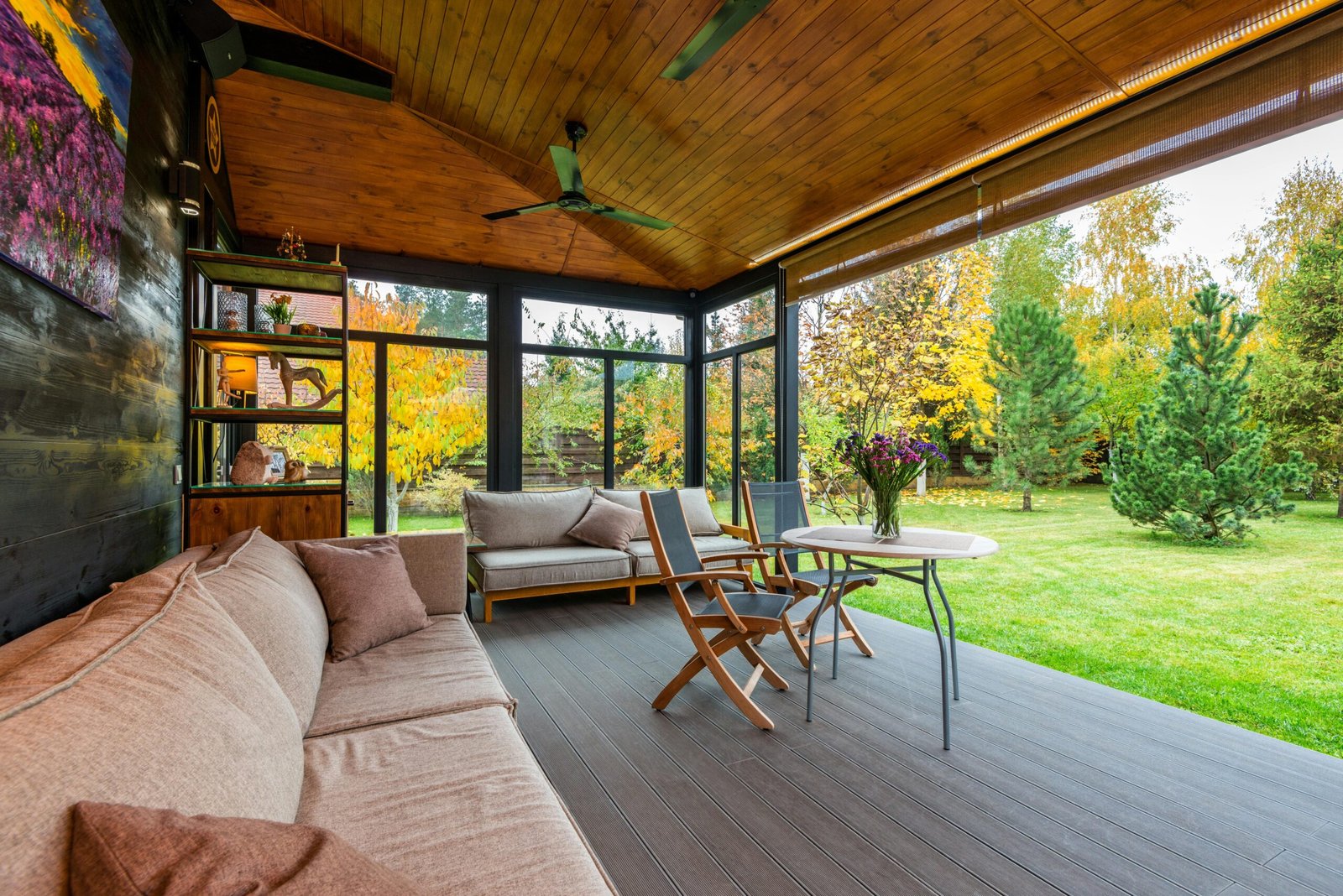
The appeal of blending indoor and outdoor living is even greater as we head into a season of pleasant mild temperatures. With features like sliding glass walls, outdoor kitchens, and covered patios touting the indoor and outdoor lifestyle, residents can fully enjoy their home remodeling projects. Landscaping that connects indoor and outdoor spaces is beautiful and helps boost resale values, making outdoor renovation projects highly desirable in Contra Costa County. Thus, this upgrade is a smart one for homeowners looking to increase property value.
Strategic Addition Planning
Smart addition planning is essential for maximizing your home’s value and enhancing enjoyability through effective home remodeling projects. In Contra Costa County, interior renovation projects like bathroom and kitchen remodels, basement conversions, and HVAC upgrades routinely deliver impressive returns, typically in the 79% to 110% range. A well-designed addition begins with defined objectives, a feasible budget, and a checklist of design, workflow assumptions, local codes, and future considerations. Always check with local zoning regulations and experts to avoid potential issues. Consider how each modification aligns with your home, lifestyle, and family planning.
Horizontal vs. Vertical
|
Type of Addition |
Benefits |
Drawbacks |
|
Horizontal |
Easy access, simple construction, less disruption |
Needs more land, may affect landscaping, higher foundation costs |
|
Vertical |
Preserves yard space, maximizes square footage |
Complex structure, may need reinforced foundation, possible stairs |
Vertical expansions work for small lots or when outdoor space is at a premium. They allow you to include living space, such as additional bedrooms or a new suite, without altering your home’s footprint. That is ideal for properties with rigid lot lines or compact yards. Horizontal additions, such as bump-outs or ground-floor rooms, are simpler from a structural standpoint but require additional land and potentially disrupt gardens or patios.
Zoning rules can restrict how and if you expand. Some have height limits, so check local codes before you plan up. Costs vary. Vertical builds usually need more structural work and can cost more, but they save yard space. Horizontal additions might be less expensive but only if you have the space. Consider permits, site prep, and potential disruption.
Seamless Integration
Good design integrates new spaces and makes them feel natural. Try to use the same exterior materials and colors for walls and roofs as the existing home. Inside, use consistent flooring, trim, and lighting styles for a seamless transition between old and new rooms. For instance, if you’re adding a bathroom, use similar tiles and fixtures.
Collaborate with architects who have experience and understand the aesthetics and structure of your home and how to best fit your additions to them. They assist in identifying design conflicts early and can provide tips for camouflaging seams or transitions. This is important for kitchens or bathrooms, where practicality and aesthetics must strike a balance.
Future-Proofing Design
Add things you can adjust as you go. Leverage convertible spaces, such as a spare room that can be transformed into a den or playroom. Choose durable, simple-to-refresh surfaces so you won’t have to add on again anytime soon.
Opt for energy-saving upgrades such as efficient windows, insulation, or smart HVAC systems that will save you money down the road. Technology-ready wiring and built-in outlets ensure you can effortlessly add new devices as trends evolve. Strategic addition planning.
Understanding Local Costs
Cost consciousness is key for anyone considering a home addition or remodel in Contra Costa County, where prices tend to be somewhat elevated compared to much of the country. The Bay Area’s interior renovation projects average between $300 and $600 per square foot, with labor accounting for a significant amount of that expense. A typical bathroom renovation is between $25,000 and $40,000, but numbers leap when you add in high-end appliances or finishes. With a median home value of $830,000, above state and national medians, this suggests that construction and permitting costs locally are on the higher side relative to other markets.
Project Estimates
It’s a necessity to have deep project cost estimates for your interior renovation projects. Request a detailed breakdown including labor, materials, and timelines, as labor is typically the biggest single cost in the Bay Area. When comparing quotes, get a minimum of 3 bids from experienced home addition contractors to provide a clearer perspective on the price range and help identify any outliers. Always ensure that estimates include a contingency for unforeseen expenses, which can be 10% or higher, especially considering that old houses are often full of surprises. Discuss clear payment schedules up front to establish cost expectations and prevent disagreements down the road.
Hidden Expenses
Permits and inspections are a given in most home remodeling projects, and they add up, especially with our stringent compliance rules in locations such as Contra Costa County. Design changes, even if small, nearly always add additional expenses. If your renovation project requires that you move out, short-term housing and storage can drive up costs very quickly. Older homes will occasionally hide structural secrets until the work starts, bringing on added repair. Additionally, exterior renovation projects may be required after the main build, such as landscaping or driveway fixes.
Financing Options
Contra Costa County homeowners have a variety of financing options for their home remodeling projects. If you’re tackling a big project like a home addition or complex renovations, home equity loans and renovation mortgages are a popular choice. For smaller renovations, personal loans could be more feasible. Consulting a financial advisor helps align funding approaches to your reality, ensuring a solid home remodeling plan.
Navigating County Regulations
Contra Costa County is very picky about home additions. These regulations exist to ensure that new buildings are secure, compliant, and compatible with the broader community. Homeowners wishing for maximized return on investment must understand what the county anticipates. When renovations follow the proper protocols, it prevents delays, fines, or additional expenses down the line. This includes permitting, seismic codes, and wildfire safety.
Steps for Home Renovation Permitting:
- Research local zoning and ordinances for your property type
- Define the scope of work clearly before starting
- Work with licensed and insured contractors only who have been local for more than five years.
- Get detailed plans submitted for review, including structural and site details.
- Pay required plan review and inspection fees up front
- Schedule inspections at each phase of construction
- Fix any inspection noted problems and ask for re-inspection.
- Keep all permits and approval documents for your records
Zoning and Permits
When considering home addition projects in Contra Costa County, it’s essential to follow strict zoning laws. Checking zoning requirements beforehand can significantly reduce the risk of costly redesigns or permit rejections. Certain communities impose restrictions on height, lot coverage, or setbacks. It’s critical to apply early for permits, as small projects might get approved within days, whereas more complex renovations, especially those needing environmental review, can take weeks or even months. Consulting with local authorities can clarify applicable restrictions, including limits on structure style or intended use.
Keeping a comprehensive file of all permits, approvals, and inspection reports is crucial for future resale and to avoid issues with the county. Collaborating with experienced home addition contractors who are familiar with local regulations can streamline inspections, ensuring that your renovation projects proceed smoothly, ultimately saving you both time and money.
Seismic Codes
California’s seismic codes are rigid for a reason, as they protect both buildings and people during quakes. All home addition projects must meet local seismic standards for structural safety. Collaborating with experienced engineers ensures your plans include the right design features, such as reinforced foundations or shear walls. While this may increase initial costs, it can save significantly by preventing structural damage during an earthquake. Local contractors familiar with home remodeling projects understand what inspectors require and how to design for the region’s seismic hazards.
Wildfire Safety
Wildfire risk is an increasing issue, particularly for California homeowners. Contra Costa County has home addition regulations that require compliance with tough fire safety standards. Utilizing fire-resistant siding, roofing, and decking can significantly enhance the safety of your home remodel. Additionally, appropriate materials and landscaping not only reduce risk but also contribute to lifestyle improvements and potentially lower insurance premiums. Staying informed about wildfire codes is essential for safeguarding your investment and ensuring your safety.
Building Your Project Team
An expert project team is the foundation of a winning home addition, particularly here in Contra Costa County where building codes, permits, and local regulations can influence the end result of interior renovation projects. By selecting local professionals with established track records, you ensure your home remodeling investment is safeguarded and the job progresses without unexpected interruptions.
The Architect
Engage an architect with a proven residential portfolio and a firm understanding of your vision and budget for your home remodeling projects. Good architects listen, inquire, and propose clever compromises between style, practicality, and budget. Browse past projects to determine if their work aligns with your needs, whether it be a contemporary extension or a traditional interior renovation. In Contra Costa County, architects must know the local codes and zoning rules, so ensure your candidate has worked on renovation projects in the area. This knowledge helps avoid permitting or design delays later on and can provide valuable insights about neighborhood trends and resale value.
The Engineer
An engineer walks through your home’s skeleton and assists in planning structurally sound modifications, particularly if you’re embarking on home remodeling projects like adding floors or increasing your footprint. Their role is to ensure that new loads don’t stress the old foundation or walls. Talk to them about any known issues with your site, such as soil type or a history of settling. Inquire whether the engineer has overseen interior renovation projects in your county; experience with local materials and codes is critical. When they draft their plans, skim over the papers to catch yourself up on how the addition will tie into the existing house. Engineers assist with identifying concealed risks upfront, which can be very cost-saving by sidestepping expensive corrections down the line. Their sign-off is often required for permits, so their knowledge is not elective.
The Contractor
When embarking on home addition projects, choose a contractor who is licensed and insured, and has experience in home remodeling on properties similar to yours. Request references and inspect finished work to ensure quality. Seek excellence and dependability, not mere expediency, especially when planning complex renovations. Establish clear ground rules for communication and updates, such as weekly meetings or written progress reports. Good contractors provide truthful timelines and raise red flags for any delays as early as possible. A contractor familiar with Contra Costa County will understand how to navigate local inspectors, guiding home improvement projects through any roadblocks.
Maximizing Your Return
Home additions in Contra Costa County can provide excellent return on your investment if you plan carefully with a solid home remodeling plan. The smartest strategies focus on long-term value, controlling costs, and aligning with local buyer behavior, which includes considering popular interior renovation projects and energy efficiency to enhance allure and resale value.
Material Selection
Quality materials hold up and wear beautifully and are worth the investment. Kitchens with high-end countertops, updated cabinets, and hardware add value. Bathrooms, bathrooms—we’re talking value added with premium tile work, upgraded vanities, and fixtures that don’t go out of style. Including eco-friendly elements, such as bamboo or recycled glass, appeals to green-conscious buyers.
Sustainable options tend to be durable, so your future owners will have less maintenance to do. Trendy yet timeless finishes, such as matte black hardware or neutral paint, make new additions meld with evolving styles. Choosing materials that provide a balance of cost and quality is crucial. Going too cheap means repair, while overspending does not necessarily add value.
Energy Efficiency
Energy efficient upgrades are hot. By installing insulation, double-glazed windows and new HVAC systems, you reduce your utility bills and increase your comfort. Energy star appliances are a huge boon in kitchens and laundries. Heated floor bathrooms and smart mirrors attract buyers looking for cheaper energy bills.
These additions save long-term, making them appealing for both present and future owners. Noting these features in listings can make a property pop. Energy-efficient outdoor lighting and climate control increase attractiveness even more.
Neighborhood Context
When you match the style of your addition to the surrounding homes, your curb appeal remains potent. First impressions count. A perfectly suited accent piece can enhance the value of the entire estate. See what buyers in your area are seeking, whether it’s updated kitchens, additional baths, or expanded outdoor living areas.
Bump-outs in the range of 0.6 to 2.4 meters fit a lot of houses without dominating the lot. Living space outdoors, with the ability to cook and eat outside, appeals to buyers looking for more living space. Every decision should make sense for the local market, increasing your home’s value while staying in step with the others on your block.
Conclusion
Smart home additions in Contra Costa County frequently demonstrate real return. Things like a second unit, new kitchen or bathroom additions can boost home worth. Simple touches, like fresh paint or new floors, work well. To maximize your return, plan thoughtfully and understand local regulations. Select a builder who understands local codes. Compare costs for labor and materials. Keep your budget clean from the beginning. Local codes determine what you can actually build, so check early. Many owners find big wins by remaining savvy and adaptable. To maximize your next project, begin with defined objectives and expert guidance. Contact a trusted local expert if you need assistance or want to check out your options.
Frequently Asked Questions
1. What home additions offer the best return on investment in Contra Costa County?
Kitchens, bathrooms, and ADUs are crucial for home remodeling projects, offering the best returns and satisfying local buyer demand.
2. How can I plan a home addition for maximum ROI?
Consider bedroom and bathroom renovations that align with interior renovation projects, as they can yield the best return on investment in Contra Costa County.
3. How do local construction costs impact ROI?
In Contra Costa County, construction costs for home remodeling projects are above average, making precise budgeting crucial to maximize your return on investment.
4. Are permits required for all home additions in Contra Costa County?
Indeed, the majority of home addition projects need permits. Consult the Contra Costa County Building Department prior to beginning your interior renovation to prevent delays and fines.
5. How do I choose the right professionals for my addition project?
Hire licensed, insured, and experienced home remodeling contractors. Be sure to ask for references and check reviews in Contra Costa County.
6. What regulations should I consider when planning an addition?
Zoning laws, setback rules, and building codes significantly impact your home addition projects. Always check requirements with your local authorities before starting any home remodeling.
7. How can I ensure my addition adds long-term value?
Stick to quality materials and functional designs in your interior renovation projects, ensuring you don’t overbuild like other homes in Contra Costa County.
A Smarter Way to Add Space: Home Additions With Carey Bros. Design & Build Remodeling
A home addition should feel exciting, not overwhelming. You’re expanding the place you already love, and the process should match that feeling. The difference between a smooth experience and a stressful one often comes down to how the project is planned and managed from day one. That’s where a design-build approach makes all the difference.
Carey Bros. Design & Build Remodeling simplifies home additions by handling everything under one roof. We start by listening to how you want to live in the new space, how it needs to connect to your existing home, and what your budget looks like. Our design and construction teams work together from the start, so every detail is aligned before construction begins. No handoffs. No mixed messages. Just a clear plan moving forward.
Because the same team designs and builds your addition, timelines stay tighter and decisions happen faster. This means fewer surprises, better cost control, and a project that keeps moving without unnecessary delays. Whether you’re adding a primary suite, expanding your kitchen and living area, or creating room for a growing or multi-generational family, your addition is designed to feel like it was always part of your home.
If you’re ready to add space without the stress, reach out to Carey Bros. Design & Build Remodeling. Let’s turn your home addition into a smooth, well-planned experience from the first conversation to the final walkthrough.
Disclaimer
The materials available on this website are for informational and educational purposes only and are not intended to provide legal, financial, or professional construction advice. You should consult with a qualified general contractor, architect, or other relevant professionals before making decisions regarding remodeling, construction, or home improvement projects. Do not act or refrain from acting based on any content included on this site without seeking appropriate professional guidance. The information presented on this website may not reflect the most current building codes, regulations, or industry standards. No action should be taken in reliance on the information provided on this website. We disclaim all liability for actions taken or not taken based on any or all of the contents of this site to the fullest extent permitted by law.