
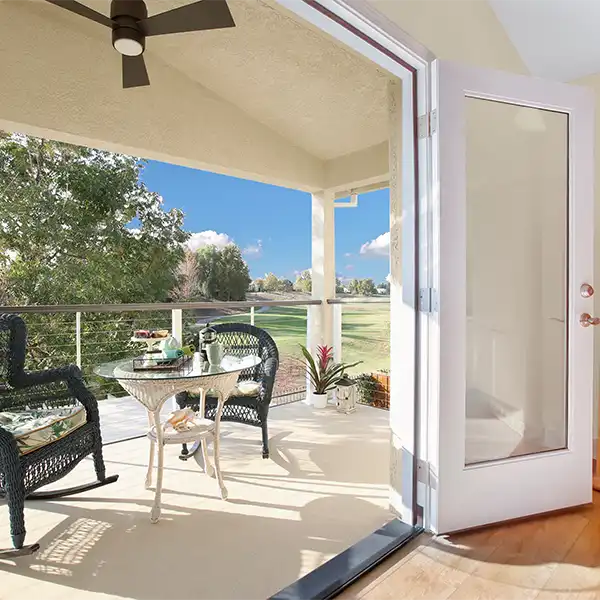
Building a home addition in Brentwood might create extra room and customize your current home to suit your evolving lifestyle. Moving provides a clean slate in a new home. A lot of us consider these two options when we need extra space or crave a change. Home additions in Brentwood can translate into less moving stress and keep you in a familiar neighborhood. Building costs are accumulating, but moving has agent fees and elevated prices for new homes. They both have their respective trade-offs. For a direct comparison, the main body will discuss key considerations like cost, time, convenience and how each option can impact your lifestyle and future goals.
Key Takeaways
- Consider both the financial and lifestyle implications of building an addition versus moving, such as initial costs, continuing expenses, and long-term value.
- Think about how a home addition gives you more flexibility and control over your space. Moving might restrict customization.
- Look at local market trends, zoning rules, and property taxes in Brentwood to figure out how all of these factors affect your decision.
- Consider the emotional and community impact of building a home addition in Brentwood compared to moving. Think about the strength of your current neighborhood ties and the upheaval of moving.
- Expect hidden expenses and renovation fatigue when you build a home addition. Have a plan to keep your costs down and stress low.
- Evaluate your family’s needs, finances, and timeline. Make the decision that best suits your long-term lifestyle goals.
The Core Decision Framework
When considering a home addition vs. moving, homeowners must evaluate their finances, lifestyle, and property value alongside the current east bay housing market. Each factor influences home addition costs and benefits, shaping your future living area and control over home features.
1. Financial Reality
Home additions can have lower upfront costs than relocating, particularly for east bay families who intend to remain for more than ten years. Primary expenses include construction, permits, and professional fees from an experienced home addition contractor. Relocation is loaded with expenses such as real estate agent commissions, closing costs, movers, new furniture, and temporary housing, if that applies. Purchasing a new home resets your property tax to market value, which can result in much higher yearly taxes. Over the years, these tax hikes accumulate and cannot be ignored.
Recurring costs vary as well. Remodeling is nice because you don’t carry the burden of double mortgage payments or rent, but there are likely going to be increased insurance and utility bills with a larger home. Financing matters: home equity loans for additions may have lower rates than new mortgage loans, especially if interest rates are high. By putting down roots in the east bay region, you generally add to your savings over time, particularly in areas where property tax hikes are limited for long-term owners.
2. Lifestyle Impact
Injecting to your house through a thoughtful home addition can make everyday life easier for east bay families. You maintain your rituals, skip extra commutes, and remain close to familiar schools, parks, and stores. A lot of people find solace in not tearing apart kids’ lives or social connections, especially in desirable east bay communities. Moving can be a major transition with new surroundings, a new community, and new schools, which may be stressful, particularly for those with young or elderly family members. Some may hunger for the thrill of something new, but the majority simply desire a bit more room to breathe.
3. Property Value
A thoughtful home addition can really add value to your property, especially for east bay families looking to enhance their living space. The majority of additions recoup only 50 to 65 percent of their cost upon resale, but the day-to-day living satisfaction can more than compensate for this. Research indicates that in Brentwood, home addition projects tend to perform better in stable or appreciating markets. When you sell and move, you may tap more property equity if prices have risen, but you succumb to high transaction costs and reset taxes that eat at gains. Over time, investing in your current home is the best financial decision if you remain in place for 10 years or more.
4. Future Outlook
Housing markets fluctuate, and for east bay families, if you expect prices to increase rapidly, taking action today could secure you a more favorable rate. If your region has stable or rising prices, remaining and enhancing your current home may be more secure. Community stability counts, especially in desirable east bay neighborhoods. Areas with strong schools and low crime usually retain value. If your family is going to expand, prepare for a thoughtful home addition now, as economic swings can restrict what you can afford to purchase if you delay.
5. Personal Control
Building a thoughtful home addition allows you to pick layouts, finishes, and features that complement your life. You can address what annoys you and customize rooms for hobbies, work, or aging in place, which is especially beneficial for east bay families. That kind of control is tough to achieve when you’re buying a new house, often leading to compromises or additional expenses for remodeling down the line. Relocating provides fewer options and can mean cutting instead of what you desire.
Analyzing The Financials
Considering a thoughtful home addition in Brentwood versus moving means examining all the costs, including upfront, ongoing, and long-term. This section dissects what to anticipate on either side, from construction expenses to property tax differentials and resale value effects.
Addition Costs
- Construction costs range from $50,000 to $150,000 depending on size and features. A 400 square foot bedroom with a bathroom frequently runs $180,000.
- Permit fees: Local authorities may require approvals, which add to the budget.
- Contractor fees: Hiring skilled labor, architects, and project managers is standard.
- Ongoing maintenance: Larger homes mean higher repair and upkeep costs over the years.
- Financing: Home equity loans or lines of credit are common. Interest rates and repayment terms impact final outlays.
Moving Costs
- Realtor commission is typically about 5 percent of the home price and is often split between buyer and seller agents.
- Closing costs: expect 2 to 5 percent of the purchase price to cover lender fees, title insurance, and taxes. These can easily add up to tens of thousands of USD.
- Moving expenses: Truck rentals, packing supplies, and transport services add up fast.
- Temporary housing: If move-in dates don’t line up, renting a place increases out-of-pocket spending.
- Property taxes: moving resets the assessment to current market value, which can raise annual taxes sharply, especially in high-demand neighborhoods.
- All these costs are sunk—you can’t get them back after the move.
Long-Term ROI
- Improvements boost resale price, with purchasers spending up to 4% extra for updated properties.
- Appreciation depends on local market trends. Some markets reward remodels with even more rapid value appreciation.
- Unlike leveraging equity to buy another house that’s gone up in value, building equity on an existing home makes sense financially, particularly if your mortgage rate is below current market rates.
- For long-term stayers, additions can pay for themselves in as little as 31 years or so. Families with shorter horizons may find more value in relocating, particularly if the new residence checks all the boxes at one time.
Property Taxes
Property tax laws vary across the east bay region, and expanding an existing home often leads to a reassessment. This can increase annual tax bills, although not as significantly as purchasing a new home, which resets taxes based on the current sale price. In certain areas, local taxes can make it advantageous for homeowners to remain, especially if they’ve owned their home for a long time. Over decades, a one-time annual increase adds up, so it’s wise for east bay families to analyze how each decision impacts their financial situation yearly.
Beyond The Bottom Line
Add a home addition or move — often it comes down to more than money. A Brentwood home addition might yield a 50 to 65 percent return on investment at resale. The bigger narrative is in how these decisions redefine east bay families’ day-to-day life, sustainability, and happiness. Most homeowners learn the worth of a home addition isn’t necessarily in dollars and cents but in the comfort, connectivity, and feeling of ‘home’ that grows from within.
Community Roots
Remaining in the same neighborhood allows homeowners to maintain connections to friends and neighbors, which can be especially important for east bay families. These ties can be difficult to replicate, particularly for families with kids that have developed tight-knit connections at neighborhood schools. Being engaged in a community, whether it’s volunteer-based, neighborhood or school, can provide a powerful sense of connection and support. Relocating to a new region might mean starting from scratch, sacrificing the daily ties that turn a location into a home. For families, proximity to established schools and friends usually trumps a new address.
The Disruption Factor
Home additions, particularly thoughtful home addition projects, do introduce a bit of chaos—noise, dust, and foot traffic—but these are typically short-lived. Relocating can signify weeks or months of packing, hunting for a new location in the east bay, paperwork, and transitioning to a new schedule. Moving could involve a longer commute, new schools for the kids, or different stores and modern amenities. Both options can disrupt daily schedules, but construction muck tends to dissipate faster than relocating.
Emotional Toll
The moving stress is infamous, particularly for east bay families. The stress of acclimating to a new house and a new neighborhood, along with new routes and footing, can burden the entire family. Staying put maintains the comfort of familiar walls and routines. Many of us are deeply attached to our current home due to the memories associated with it – birthdays, holidays, and day-to-day moments. A thoughtful home addition can reinforce this connection, enabling homeowners to carve out a space that complements their lifestyle and makes everyone feel like they belong.
| Staying | Moving |
| Comfort in the familiar | Excitement of the new |
| Strong local ties | Risk of losing connections |
| Stability for children | Adjustment for whole family |
| Sense of belonging | Opportunity for fresh start |
Brentwood’s Unique Landscape
Brentwood stands out for its high-value homes, often priced in the millions, and a real estate market shaped by both local demand and regulatory complexity. The area’s property tax rules reset assessments to market value, which can sharply increase annual tax bills, sometimes compounding over the years. These factors make financial planning around home addition projects or moving especially nuanced for homeowners. Weighing the decision means looking at local zoning requirements, neighborhood trends, and the architectural cohesion of your property within the east bay region.
Zoning Hurdles
Brentwood zoning can be quite tricky for homeowners. Before planning any type of addition, they must check city codes and neighborhood regulations to ensure compliance with local building requirements. Obtaining permits for most expansions is necessary, and these can be complicated to secure. Many homeowners are stymied by setback rules, height restrictions, or historic overlay, indicating that simply wanting more space isn’t enough. Demonstrating alignment with local regulations is crucial for successful real estate decisions.
The process can be slow, as permit reviews may drag on for months, especially if your home addition project requires additional review. If your home is in a historic zone or near preserved land, expect even more steps. While the city’s website provides specifics, many homeowners opt to hire an experienced home addition contractor or permit consultant to avoid costly errors. Before proceeding, verify that your lot size and existing home design are suitable for your planned project.
Market Trends
Brentwood is famously high-demand, low-turnover real estate. Inventory tends to be low, driving prices up. The East Bay market has been fast in spurts the last few years, so timing is a big part of any move or remodel. If you’re staying at least 12 years, additions typically return more, particularly since you spread property tax increases over a longer horizon.
If you’re moving in less than 7 years, buying new is probably smarter, even with higher transaction costs and a new property tax bill at approximately 1.25% of the purchase price. Homeowners insurance expenses pile on another level, fluctuating according to home size, location, and amenities.
Architectural Integrity
Brentwood’s neighborhoods highly value uniformity in design. Most homes have identifiable styles: Mediterranean, Craftsman, and modern. Tacky add-ons that break with the original aesthetic can damage value and curb appeal. Others opt to pair original materials, rooflines, and window styles to keep the design seamless.
Common expansion concepts are rear additions, second stories, or ADUs, but these have to be designed to integrate with existing residences. Local builders will frequently recommend small-scale enhancements that honor its architectural past and provide much-needed living space. Thoughtful architecture creates a neighborhood-worthy investment that will age well.
The Unspoken Truths
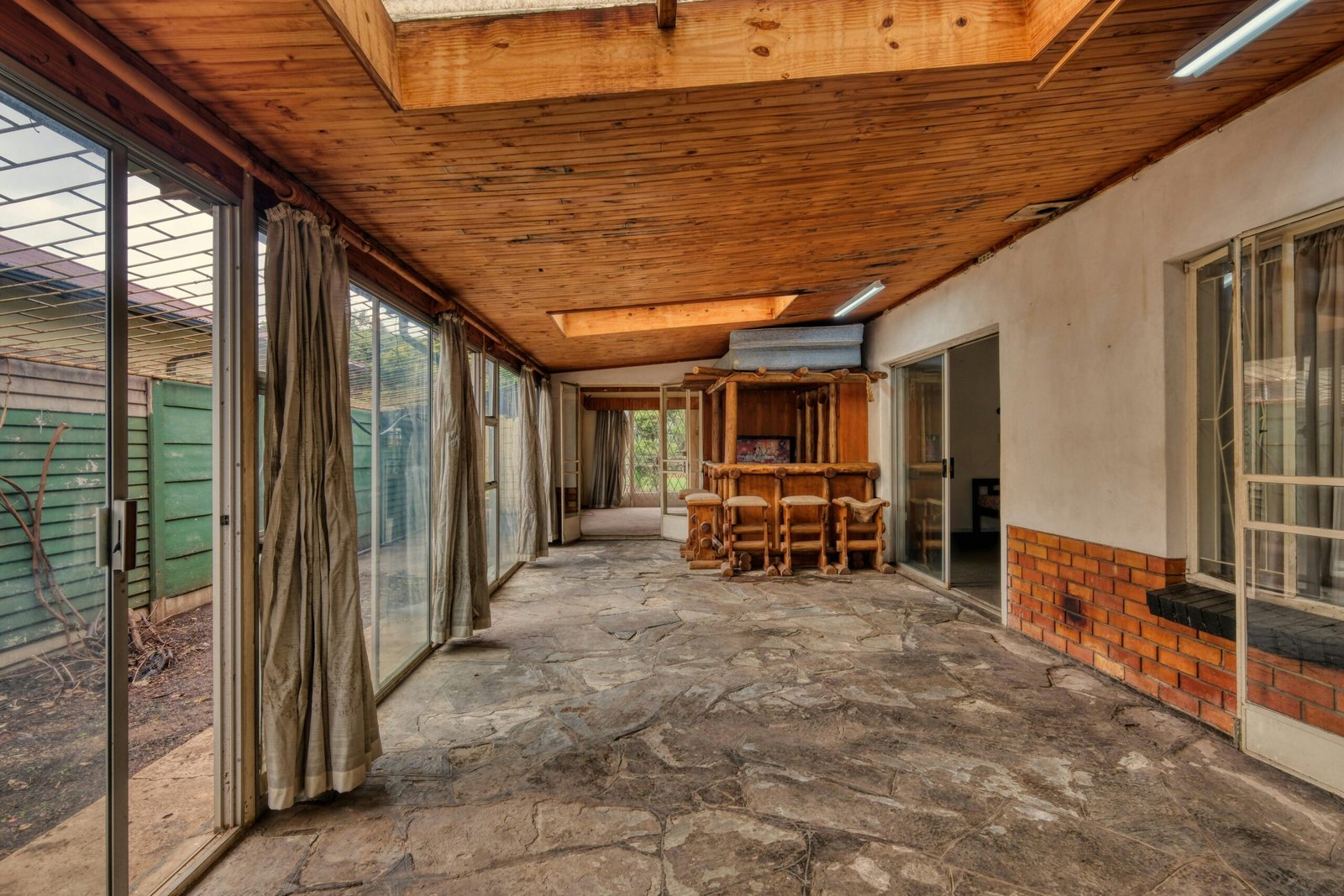
Constructing a thoughtful home addition or relocating to a new house in Brentwood is seldom as straightforward as crunching prices per square meter or feature-listing. The east bay housing market reveals a reality underneath it all that defines the experience, influencing your income, lifestyle, and happiness.
Renovation Fatigue
If there’s one thing renovation projects do, it’s stress you out. Dust, noise, and disruptions can be tough on familial routines and privacy. Children and work-from-home adults bear the brunt, particularly when kitchens or bedrooms are being renovated.
Finishing a home addition in stages makes it less painful. Approaching smaller chunks at a time means the remainder of the house stays sustainable. It enables you to amortize expenses and recalibrate planning.
- Set a clear project timeline with milestones.
- Use temporary barriers to contain mess and noise.
- Keep one common area untouched for daily life.
- Plan noisy or disruptive work during family absences.
- Hire experienced, communicative builders.
- Allow time between phases for rest.
The Perfect House Myth
Most folks are convinced that there’s a perfect house just waiting on the market, particularly in desirable east bay neighborhoods. In reality, most homes require some modifications. Not even new homes are free from schlock being added that isn’t particular to your specific lifestyle or taste. The concept that transition ensures ‘perfection’ fuels a fantasy that leads to disillusionment.
Personalize your existing home and align spaces with your lifestyle. Installing a dedicated home office or updating a bath could serve you more than looking for somewhere new. Personal touches, such as storage for hobbies or a larger kitchen, typically provide enduring contentment. Homebuyers are willing to pay almost 4% more for remodeled homes, demonstrating that these kinds of enhancements add value and allure in the east bay housing market.
Perfect traits occasionally have downsides. Gaining a room through a thoughtful home addition project may result in a loss of yard space or increased property tax differential. Practical needs like location near work or schools still trump cosmetic desires. The appropriate equilibrium arises from candid self-evaluation, not the pursuit of a fantasy standard.
Hidden Expenses
Home additions are more than just cost per square foot, especially for homeowners in the east bay region. Older homes, particularly those built before 1980, might require complete electrical rewiring to meet current building codes. This necessity can add tens of thousands to a project that already averages $180,000 for a 37m2 bedroom with bath. In established neighborhoods, permits, inspections, and compliance fees can further increase costs and delay projects beyond initial estimates.
When you relocate, property taxes often revert to market value, which can significantly increase your annual bills. Over a 20-year period, this can lead to an additional $150,000 to $300,000 in costs. The remodeling market’s 27% growth since 2019 suggests that more homeowners are investing in thoughtful home additions, directly addressing these financial impacts. Timing your real estate transactions is crucial; selling during a downturn or purchasing in a competitive market can greatly affect both expenses and potential return on investment.
Frugal budgeting is essential, with a recommended 10-20% buffer for unexpected costs, to ensure that your home addition project remains financially viable. As east bay families continue to prioritize strategic home improvements, understanding the nuances of the local property market will help in making informed decisions that align with their long-term housing plans.
How To Choose
Deciding between a thoughtful home addition or moving in Brentwood really comes down to a few important family-specific variables for east bay families. The decision is about knowing yourself — your needs, your financial reality, your timeline, and your long-range vision.
Your Family’s Needs
Begin by planning your family’s day in the context of your home addition project. Maybe there’s a need for more space, such as an extra bedroom or play area. If remote work is involved, a dedicated home office may be necessary. A thoughtful home addition can address these needs with custom spaces, like a first-floor suite for aging family members or an expanded kitchen for hectic nights.
Consider whether your existing house can accommodate these changes. Sometimes, adding on in desirable east bay communities can be tricky due to zoning regulations or the need for infrastructure upgrades like plumbing or electrical. Reflect on what you love about your current location—proximity to schools, parks, or friends and family can be hard to replicate if you choose to relocate. Often, new homes may lack the familiarity with local routines that many families cherish.
A quick, easy move feels like a clean slate but might have its compromises. The new place may not be exactly what you want and you might encounter unforeseen repair or renovation expenses once you’ve bought it.
Your Financial Health
Look at your finances with a wide lens. Check your cash reserves, home equity, and existing mortgage terms. Home additions often need upfront payments. Financing options like home equity loans may help spread out costs. Compare this with the expense of moving, which includes agent fees, transfer taxes, and increased property taxes since buying a new home resets your tax assessment to the current market value.
Mortgage rates can influence your choice. If today’s rates are high, maintaining your current loan terms might beat buying any day. Consider future costs too: new homes may need updates, while additions could add value. Statistics prove remodeled homes in lots of markets sell for almost four percent higher prices.
Your Timeline
Constructing an addition can extend for months and months, particularly with permitting and construction delays. Consider the upheaval to normal life, dust, noise, and tradesmen in the house. Moving may be faster, but getting used to a new environment, commute, or school can take longer than anticipated.
Determine how quickly you need additional space. Desperate needs can tip things in moving’s direction, while softer deadlines benefit building. Timing impacts stress, expenses, and your family’s adjustment.
Conclusion
Building out a Brentwood home addition provides a lot of people the ability to design their space as they wish. Moving can unlock new opportunities and erase some old boundaries. Both routes have true costs, not just in monetary terms but in sweat equity as well. Local regulations, local home prices, and your family needs make a huge difference. Both decisions have their risks and rewards. Brentwood makes them both exceptional for opposite reasons. To discover the best fit, balance the facts and see what makes the most sense for your life. Have questions or want help stepping through the steps? Contact us and receive the information you need to proceed with peace of mind.
Frequently Asked Questions
1. Is building a home addition in Brentwood usually more cost-effective than moving?
For homeowners in the East Bay, adding on is a better deal if you have equity and appreciation. It depends on thoughtful home addition designs, permits, and labor costs.
2. How long does it take to build a home addition in Brentwood?
We find that thoughtful home addition projects in Brentwood, on average, take anywhere from 3 to 9 months, influenced by factors such as project size, local permitting, and weather.
3. What financial factors should I compare before deciding?
Determine the costs of construction, permits, property taxes, moving costs, and how much your home might appreciate in value in the east bay housing market. Consider the long-term financial implications too.
4. Does adding onto my home increase its value in Brentwood?
Additions add value in many cases if they add living space or update the home. The ROI is project and market dependent.
5. Are there unique regulations for home additions in Brentwood?
Brentwood’s zoning laws and building codes impact homeowners considering a home addition project, as permits and approvals are necessary.
6. What are non-financial reasons to build an addition instead of moving?
Non-monetary considerations for east bay families include staying in a known neighborhood, avoiding the hassle of moving, and personalizing your existing home through thoughtful home addition projects.
7. How do I decide between moving and building an addition?
Consider your finances, lifestyle, long-term goals, and the current east bay housing market. A quick consultation with experienced real estate professionals and construction pros can help you make an informed decision.
A Smarter Way to Add Space: Home Additions With Carey Bros. Design & Build Remodeling
A home addition should feel exciting, not overwhelming. You’re expanding the place you already love, and the process should match that feeling. The difference between a smooth experience and a stressful one often comes down to how the project is planned and managed from day one. That’s where a design-build approach makes all the difference.
Carey Bros. Design & Build Remodeling simplifies home additions by handling everything under one roof. We start by listening to how you want to live in the new space, how it needs to connect to your existing home, and what your budget looks like. Our design and construction teams work together from the start, so every detail is aligned before construction begins. No handoffs. No mixed messages. Just a clear plan moving forward.
Because the same team designs and builds your addition, timelines stay tighter and decisions happen faster. This means fewer surprises, better cost control, and a project that keeps moving without unnecessary delays. Whether you’re adding a primary suite, expanding your kitchen and living area, or creating room for a growing or multi-generational family, your addition is designed to feel like it was always part of your home.
If you’re ready to add space without the stress, reach out to Carey Bros. Design & Build Remodeling. Let’s turn your home addition into a smooth, well-planned experience from the first conversation to the final walkthrough.
Disclaimer
The materials available on this website are for informational and educational purposes only and are not intended to provide legal, financial, or professional construction advice. You should consult with a qualified general contractor, architect, or other relevant professionals before making decisions regarding remodeling, construction, or home improvement projects. Do not act or refrain from acting based on any content included on this site without seeking appropriate professional guidance. The information presented on this website may not reflect the most current building codes, regulations, or industry standards. No action should be taken in reliance on the information provided on this website. We disclaim all liability for actions taken or not taken based on any or all of the contents of this site to the fullest extent permitted by law.