
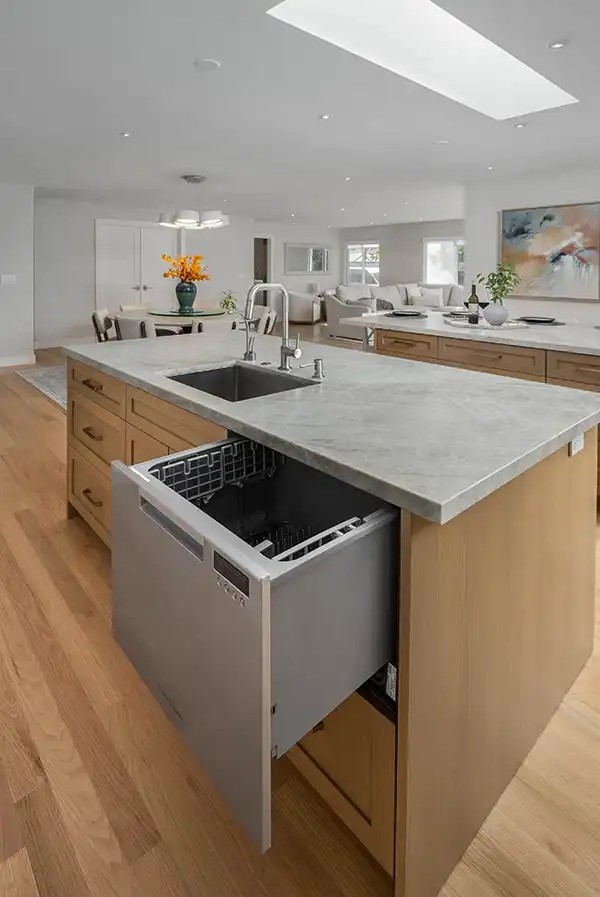
We are a kitchen remodeling contractor in Contra Costa County, CA, a licensed pro that designs and constructs kitchen renovations for homes throughout the area. These contractors assist with complete kitchen makeovers, custom cabinets, new floors, lighting, and modern layouts suitable for everyday use. Local kitchen remodelers understand the codes and trends in Contra Costa County, so they provide guidance that is tailored to the region. Most deal with both older homes and new construction, using time-honored techniques and reliable local vendors. They oversee the job from beginning to end, keeping your project seamless and within your budget. To choose a reliable kitchen remodeling contractor, most folks look at previous work, customer testimonials, and certifications. The former describes how to locate the proper one and what to anticipate.
Key Takeaways
- Be sure your kitchen remodeling contractor in Contra Costa County is properly licensed, insured, and has a solid business history.
- Dig deep into the contractor’s portfolio and references. They should have experience managing similar kitchen projects and should be known for delivering quality workmanship and clear communication.
- Compare granular bids from multiple contractors, looking at cost breakdowns, timelines, and hidden fees.
- Look for kitchen remodeling contractors in Contra Costa County with local expertise, as they will have the local building codes, climate, and design trends on lock to facilitate a smoother remodel.
- Set communication norms, roles, and expectations, and a working partnership for tackling issues to reduce disruption and resolve conflict effectively.
- We plan for the entire remodel timeline by chunking project phases, anticipating delays, and defining a final walkthrough to verify work to your satisfaction before closing out.
Your Kitchen Remodeling Contractor Vetting Process
Vetting your kitchen remodeling contractor in Contra Costa County, CA, involves more than just browsing listings, but it requires thorough due diligence and defined procedures. Every step, from understanding local regulations to style scouting, is crucial. We discuss how to assess your kitchen remodeler, focusing on credentials and past work to ensure your renovation meets both your standards and those of the community.
1. Verify Credentials
Start by ensuring the contractor holds licenses specific to Contra Costa County, which demonstrate their understanding of local building codes and regulations. Additionally, verify that they have insurance coverage, such as liability and workers’ compensation, to protect you from expenses in case of accidents during your home remodeling project. Investigate previous complaints or disputes through local consumer protection agencies. Assess the contractor’s business history, focusing on their years in business and expertise in home remodeling. A solid track record with projects in your region can lead to a smoother renovation process.
2. Review Portfolio
A contractor’s portfolio should provide a good feeling of their work, especially in home remodeling projects. Ask to see before-and-after pictures of kitchens and bathrooms, not just any old rooms, as this demonstrates their competency for managing large transformations. Look for a variety of architectural styles, contemporary, traditional, and minimalist, that resonate with your personal taste. Request case studies or feedback from previous clients, as specific comments about completed bathroom remodels provide valuable insights into what to expect.
3. Check References
Request multiple references and ensure you call them. Past customers can inform you about the remodeling services of the remodeler, including their dependability and responsiveness. They can share if any problems arose during the home remodeling process and how rapidly they were resolved. Verify if the contractor adhered to the timeline and budget you agreed upon, and whether he or she understandably communicated everything throughout.
4. Understand Bids
Obtain itemized bids from at least three contractors for your home remodeling project. Seek line-by-line costs, including labor and materials, to help identify any hidden fees. Inquire why rates vary from company to company, especially when considering bathroom remodeling or room additions. A detailed estimate should include the scope of the project, timeline, and payment terms, while budgeting an additional 10 to 15 percent of funds for those surprise expenses!
5. Assess Communication
Good communication is key to an easy home remodeling project. Determine if you prefer email, calls, or face-to-face updates and whether the contractor can be flexible. A trustworthy contractor should speak in layman’s terms, not corporate babble, and ensure they listen to your routines and special needs to prevent disruptions and keep your bathroom remodel on schedule.
Why Local Contra Costa Experience Matters
When selecting a good remodeling contractor for your kitchen remodeling project, local experience in Contra Costa County is essential. It not only ensures better code compliance but also leads to smarter design decisions and fewer surprises from the local microclimate or terrain. A knowledgeable contractor can help you navigate tough restrictions, find material discounts, and avoid common delays in cities like Concord, Walnut Creek, Richmond, or Antioch, enhancing your entire home renovation experience.
Navigating Codes
Contractors with years of experience in Contra Costa County are well-versed in the county’s zoning ordinances and building codes. Their familiarity with the nuances of home remodeling can help prevent costly errors or delays due to missed inspections or faulty permit paperwork. It is wise to check if your contractor provides copies of permits and inspection schedules, as some will even guide you through the process to ensure that every step is legal and above board. In a jurisdiction with strict regulations, this expertise translates into fewer headaches and a completed bathroom remodel that meets all necessary compliance standards.
Regional Styles
Contra Costa homes express a mixture of home styles, with some vintage out of the classic California ranch playbook and others showcasing fresh modern flourishes, including crisp lines and intelligent floor plans. A good remodeling contractor can identify the trends that work in your neighborhood and which materials endure in local conditions. They know what finishes, such as quartz from local suppliers or climate-resistant tile, are best in a bathroom remodel. You can ask for advice on mixing old and new, but perhaps keep that vintage wood beam, and add streamlined cabinets. Local design decisions don’t just look good, but they also help sell the value. Buyers know kitchens that fit the area, so partnering with a trustworthy contractor who understands the renovation process pays off now and down the line.
Unique Challenges
Older homes in Contra Costa County often face issues like cramped spaces or antiquated plumbing. A good remodeling contractor has likely encountered these challenges and can recommend effective design solutions that work. If your house requires new wiring or reworked pipes, they’ll understand the most secure and fastest way to implement these changes. When weather or traffic delays deliveries, an experienced local contractor can adapt accordingly. Request anecdotes of comparable remodeling projects they’ve completed to demonstrate their ability to manage unexpected developments and keep your bathroom remodel on schedule.
Balancing Design And Budget Locally
Striking a balance between design aspirations and budget constraints is crucial when taking on a kitchen remodel in Contra Costa County. As homeowners, you need to establish your priorities and work closely with a trustworthy contractor to ensure the finished space reflects your needs and style without exceeding your budget. Local kitchen remodeling services can easily range from $10,000 to over $90,000, making planning and open conversations essential. By allocating 10% to 20% of your budget as a buffer for unexpected expenses, you can alleviate stress if surprises arise. Understanding your goals before engaging contractors simplifies your search and keeps your project on track. All remodeling projects must balance design and budget while complying with local codes and regulations to avoid delays and additional costs.
The Material Sourcing
Sourcing the perfect materials for your kitchen remodel defines not only the aesthetic appeal but also the durability of your space. Local suppliers and manufacturers can provide a variety of surfaces, fixtures, and cabinetry options. Homeowners can benefit from opting for more sustainable materials, such as recycled countertops or certified-wood cabinets, not just because it’s good for the environment but sometimes because it’s less expensive. Many contractors have experience with local suppliers and know what kind of discounts they can pass on or who supplies the best quality finishes for less. Sourcing materials that are abundant locally can save your remodeling projects from delays and keep your timeline moving.
Transparent Pricing
| Pricing Structure | Common Fees (USD) | Notes |
| Fixed bid | $15,000-$85,000 | Covers most labor and materials |
| Cost plus | $10,000-$90,000+ | Labor plus markup on actual expenses |
| Time and materials | Varies | Hourly labor, material receipts |
| Permit/inspection fees | $500-$3,000 | Charged separately |
Definitive payment schedules prevent misunderstanding during the home remodeling process. Homeowners should anticipate milestones based on finished work, such as demolition, framing, and finish carpentry. A good remodeling contractor will invoice you for each stage. I appreciate it when they discuss add-ons, like change orders or hidden repairs, upfront, allowing for more control over the total cost.
Project Value
A good contractor will recommend cost-cutting strategies without sacrificing quality during your home remodeling project. Swapping imported tile for domestic, using stock cabinets instead of custom, or using composite surfaces instead of stone are examples. These tweaks can cut costs but still produce a beautiful, sleek kitchen. We’re about getting the most out of every euro or dollar spent by prioritizing what matters most, clever layouts, timeless surfaces, and energy-efficient appliances. Value engineering done right means both function and form are maximized, ensuring your bathroom remodel investment goes further.
The Contractor-Homeowner Partnership
A great kitchen remodel in Contra Costa County, CA, is a shared effort between the contractor and homeowner. Trust, roles and responsibilities, and open communication keep the project on track. Most homeowners seek out good remodeling contractors that demonstrate craftsmanship, care, and a genuine concern for quality. Nothing compares to the trust of a partnership, which is why we often see long-term partnerships forming here with happy clients referring to exceptional home remodeling services to friends and family.
Defining Roles
A contractor typically manages the construction process, engages skilled labor, and oversees permits and inspections for home remodeling projects. Homeowners usually handle approvals, provide design input, and set the budget. Both parties must clarify responsibilities before starting work to avoid confusion and overlooked details. For instance, some contractors offer a project manager for each job, which leads to faster responses and less ambiguity when decisions arise. In larger remodels, having one point of contact ensures everyone stays informed about changes or milestones, such as when cabinets arrive or when flooring is installed.
No one side should dominate decision-making. Design options and cost updates should involve both parties reviewing together, making planning meetings essential. Contractors who listen to homeowners and explain options foster a smoother renovation process. Homeowners value being involved at key steps, like approving drawings or selecting finishes, resulting in fewer surprises during the entire home-building process.
Setting Expectations
Your project timelines need to be realistic. Start and finish dates should be definitive, but flexible in the event of supply delays or design changes. A great contractor will walk through potential disruptions like noise or the loss of kitchen use and map out how to minimize the damage. You have to get quality standards on the table ahead of time, including contractors demonstrating work or reviews from previous clients.
Budget and design should be locked down before the first wall is monkey-hammered. Both parties have to sign off on plans and expenses. Seasoned professionals can guide you through the project, so it’s less stressful and more predictable.
Conflict Resolution
Arguments may ensue. It assists in establishing a plan for how to solve them before their initiation. Some contractors provide a transparent system for managing problems, such as routine check-ins or written change orders. The most excellent contractors address issues quickly and consider changes part of the work, not a hassle.
A track record of solving problems quickly is a good omen. Homeowners ought to inquire about previous jobs and the manner in which problems were resolved. Maintaining a positive, open attitude on both sides fosters respect and trust and smooths the path when you encounter bumps in the road.
Managing Your Remodel Timeline
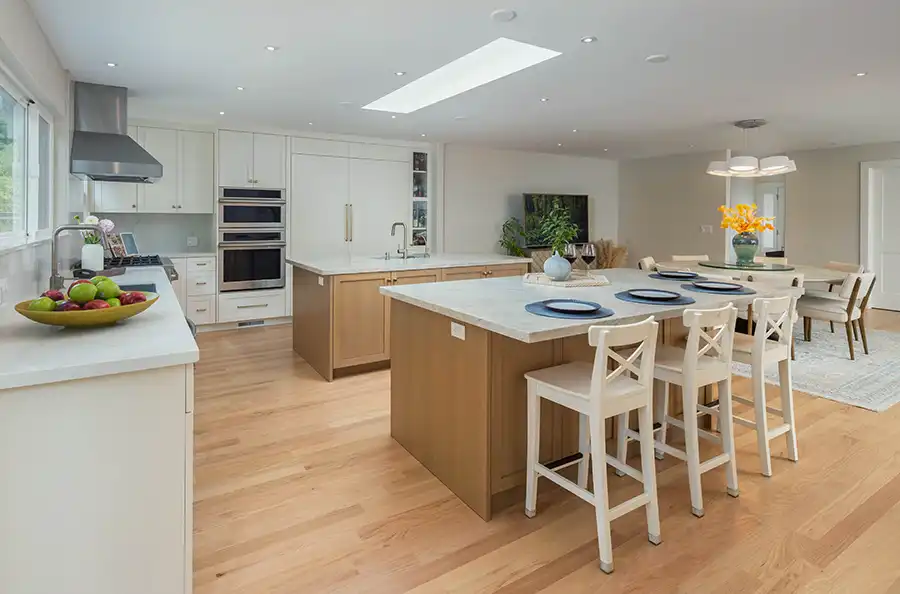
What makes a successful kitchen remodel in Contra Costa County, CA, is effective design solutions, communication, and the ability to see how each phase of the home remodeling project connects. A specific, detailed timeline isn’t just a formality, but it’s essential for keeping the renovation process lean and avoiding expensive downtime. Numerous factors influence a remodel timeline, including the scale of the project, design intricacy, and unexpected variables like delays in materials arriving or waiting on permits. Pre-construction steps, planning, design, and permitting can easily total three months before any work starts. For a mid-sized kitchen remodel, anticipate construction to take eight to twelve weeks.
- Project planning and design
- Permit applications and approvals
- Demolition and site preparation
- Structural, electrical, and plumbing work
- Cabinetry and fixture installation
- Finishing touches and inspections
- Final walkthrough and project closeout
Project Phases
Dividing the home remodeling process into clear stages is essential for keeping everyone on schedule. The design and planning phase may take anywhere from a few weeks to a few months, depending on how quickly you make decisions and secure your permits. Following this, demolition and site preparation typically take one to two weeks, while structural and systems work requires an additional two to four weeks. The installation of cabinetry and fixtures can demand three to five weeks, with finishing touches and inspections potentially adding another week or two.
To ensure a smooth remodeling experience, contractors who effectively manage transitions between these stages can help you avoid unnecessary downtime. Collaborating with local inspectors is vital throughout the renovation process to obtain necessary approvals. If you have only one kitchen or bathroom in your home, it’s wise to discuss the crew’s working hours in advance to minimize inconvenience. Daily clean-ups are crucial for maintaining a safe and organized space, which contributes to a consistent workflow.
Handling Delays
Delays tend to arise from late material deliveries, permit holdups, or unforeseen site conditions. Contractors should have plans like ordering materials early and monitoring the schedule carefully. With a communication plan in place, you’re the first to find out if anything shifts or falls behind. Flexibility assists, and providing a little wiggle room in your own schedule relieves the process.
Maintaining a contingency balance of 10 to 15 percent of your budget is wise. This cash helps absorb additional expenses if something unexpected pops up, like concealed water damage or a finish material switch.
The Final Walkthrough
In the end, a final walkthrough with your contractor is a must. Walk the space together and take note of anything that needs touch-ups or fixes. If you discover problems, a reputable contractor will fix them before your final payment.
Don’t sign off on the remodel until you’re satisfied that every part of it is acceptable to you. This final step guarantees you’re completely content with the outcome and that the room is prepared for regular living.
Finding The Best Kitchen Remodeling Contractors
Finding expert kitchen remodeling contractors in Contra Costa County can make all the difference in achieving your dream kitchen. Most homeowners desire a team that knows what they’re doing, works with the latest trends, and keeps the project on time and on budget. Understanding where and how to search for trustworthy contractors provides you with a greater likelihood of a trouble-free and effective home remodeling experience.
- Compare kitchen remodeling contractors with trusted online resources, including top home improvement sites and directories. These sites allow you to review work portfolios, read customer reviews, and get a sense of the types of services each contractor provides.
- Check contractor licensing, insurance, and certifications. Organizations such as the National Kitchen and Bath Association (NKBA) or local trade associations frequently have listings of members.
- Request referrals from those who have recently had their own kitchens remodeled. Their ground-level experience weeds out contractors who don’t deliver on their word or effectively manage projects.
- Go to local home improvement expos where you can meet contractors in person, view work they have done, and ask questions directly about their experience and process.
- Get itemized estimates from more than one contractor. When you compare these estimates side by side, it becomes obvious who is most reasonable in price, scope, and transparency, and you can choose wisely.
Online Searches
Searching online helps you build a list of kitchen remodeling contractors who work in your area. Review sites and professional directories let you compare customer feedback, check star ratings, and read about real project outcomes. Many contractors now have detailed portfolios online, so you can see photos of finished kitchens, read about their specialties, and judge the quality of their work.
Contact a few contractors yourself. Their responsiveness and openness to answering questions early on are often an indication of their professionalism. They might even schedule a virtual meeting to talk about the job, demonstrating flexibility and openness before you hire.
Local Referrals
Personal referrals are your best source. If someone you know has recently done the same kitchen remodel, they can provide candid opinions about the contractor’s dependability and responsiveness. You could inquire about whether the contractor encountered unforeseen complications or if the timeline shifted.
Local real estate agents can give you names of contractors with proven track records. Take down these recommendations and search online for their credentials and reviews before scheduling interviews or requesting quotes.
Industry Associations
Contractors who join industry associations tend to be more professional. These organizations, such as the NKBA, have standards that members must meet, follow ethical practices, and stay updated on new techniques and materials. Membership in or certifications from such organizations can provide confidence that the contractor is quality-conscious and follows best practices.
Continuing education is another indicator of a committed contractor. Those who participate in workshops or receive industry training are more prepared to work with new kitchen designs, materials, and building codes.
Conclusion
To truly get the kitchen you want in Contra Costa County, partner with a contractor who knows the area. Local pros know common layouts and city codes, and they can work with your budget. A clever scheme and a well-defined schedule help things go more easily. Communicate with your contractor frequently. Share your thoughts. Remain open to their advice. Most homeowners experience the best results when they review them, visit their showrooms, and request local examples of previous work. A great remodel seems effortless when both parties trust each other. Find a person who appreciates fine craftsmanship and straightforward communication. Start your search today and discover the difference an expert contractor can make in your space.
Frequently Asked Questions
- What Should I Look For In A Kitchen Remodeling Contractor In Contra Costa County?
Seek out licensed, insured, and highly referenced local contractors for your home remodeling needs. Contractors with experience in Contra Costa County often have a strong understanding of kitchen remodeling and renovation projects and can guide homeowners through the process with confidence. - Why Is Local Experience Important For Kitchen Remodels?
Your local contractors understand county regulations and the renovation process, ensuring your home remodeling complies with local requirements and helping prevent unnecessary delays. - How Can I Balance Design And Budget During A Kitchen Remodel?
Cooperate with your contractor to establish a clear budget for your home remodeling project. Put needs before wants and discuss cost-effective materials and solutions early in the renovation process. - What Is The Role Of The Homeowner During The Remodeling Process?
Homeowners need to communicate their objectives clearly during the home remodeling process, remain responsive, and stay involved in decision-making to avoid miscommunications and keep the project on schedule. - What Questions Should I Ask Before Hiring A Kitchen Remodeling Contractor?
Ask about their experience in home remodeling, licenses, insurance, timeline, and references. Understanding how they address challenges helps build trust and confidence before the project begins.
A Smarter Way to Upgrade Your Kitchen: Kitchen Remodeling Contractor Services Across Contra Costa County With Carey Bros. Design & Build Remodeling
A kitchen remodel should feel exciting, not overwhelming. You’re improving one of the most important spaces in your home, and the experience should reflect that. The difference between a smooth renovation and a stressful one usually comes down to how the project is planned and managed from the start. That’s where working with an experienced kitchen remodeling contractor makes all the difference.
Carey Bros. Design & Build Remodeling provides kitchen remodeling contractor services throughout Contra Costa County cities, including Walnut Creek, Danville, Lafayette, Orinda, Concord, San Ramon, Moraga, Pleasant Hill, Martinez, and Alamo. We handle everything under one roof. It starts with a conversation about how you use your kitchen, what isn’t working, what you want to improve, and how your budget fits into the vision. From there, our design and construction teams collaborate from day one, so every detail is aligned before construction begins. No confusion. No gaps between design and build. Just a clear plan.
Because the same team designs and builds your kitchen, timelines stay tighter and decisions move faster. That means better cost control, fewer surprises, and a project that keeps progressing. Whether you’re opening up walls for better flow, upgrading cabinets and countertops, improving lighting, adding an island, or creating a layout that works for a growing family, your kitchen remodel is designed to feel seamless from start to finish.
If you’re ready to upgrade your kitchen with a trusted kitchen remodeling contractor serving Contra Costa County cities, reach out to Carey Bros. Design & Build Remodeling. Let’s make your kitchen transformation smooth, organized, and built to last from the first meeting to the final walkthrough.
Disclaimer
The materials available on this website are for informational and educational purposes only and are not intended to provide legal, financial, or professional construction advice. You should consult with a qualified general contractor, architect, or other relevant professionals before making decisions regarding remodeling, construction, or home improvement projects. Don’t act or refrain from acting based on any content included on this site without seeking appropriate professional guidance. The information presented on this website may not reflect the most current building codes, regulations, or industry standards. No action should be taken in reliance on the information provided on this website. We disclaim all liability for actions taken or not taken based on any or all of the contents of this site to the fullest extent permitted by law.