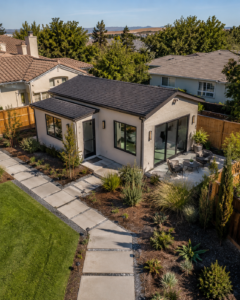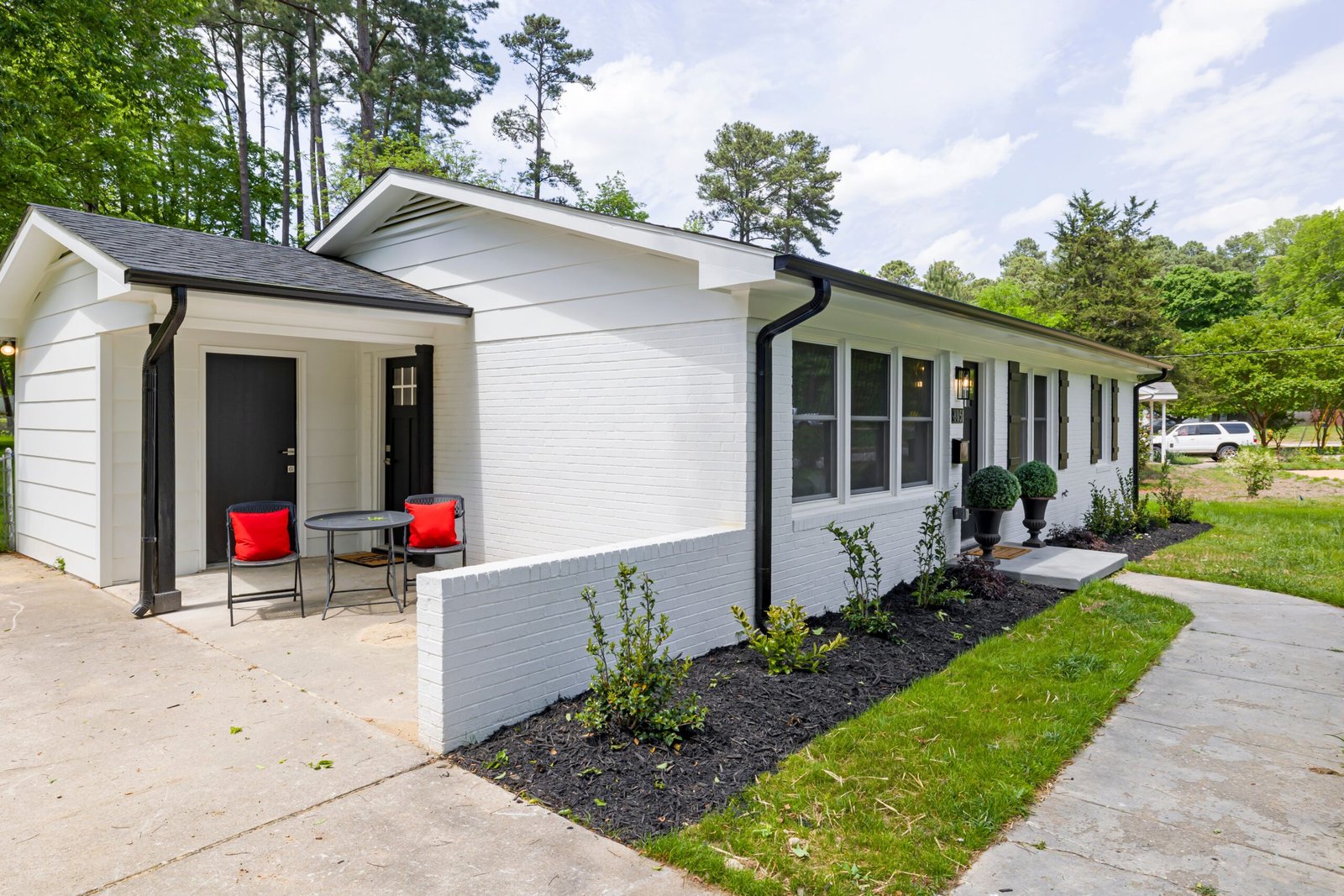
For many San Ramon homeowners, an accessory dwelling unit represents more than additional square footage. It may create room for aging parents, give adult children greater independence, provide a private place for guests, support working from home, or generate rental income when legally permitted. Because an ADU can make a property more useful, one of the first financial questions homeowners ask is whether building one will increase the value of their home.
The short answer is yes, a well-planned ADU can increase the value and market appeal of a San Ramon property. However, the amount of value it adds is not automatic, fixed, or guaranteed. The outcome depends on the type of ADU, construction quality, layout, privacy, legal status, operating costs, rental potential, condition of the main house, neighborhood demand, and how buyers and appraisers view the completed space.
An ADU may be especially attractive in a community such as San Ramon, where households often need flexible living arrangements. A separate living space can serve different purposes over time without requiring the homeowner to move. A family might initially use it as a home office, later provide housing for a relative, and eventually consider it for long-term rental use. That adaptability may help distinguish a property from nearby homes that offer only conventional bedrooms and shared living areas.
Still, an ADU should not be approached as a guaranteed dollar-for-dollar investment. A larger or more expensive unit does not always produce a proportionally higher resale value. An awkwardly positioned structure can reduce yard usability, a poorly designed conversion can interfere with parking or storage, and an unfinished or undocumented unit may create uncertainty for buyers. The best results usually come from balancing cost, function, design, privacy, and the characteristics of the specific property.
This guide explains how an ADU may affect the value of a San Ramon home, which features tend to matter most, how appraisers and buyers may evaluate the space, what can limit the return, and how to plan an ADU that supports both present needs and long-term property goals.
Key Takeaways
- A properly planned and completed ADU can increase a San Ramon home’s usefulness, buyer appeal, and potential market value.
- Value is influenced by location, size, ADU type, design, construction quality, privacy, access, parking, outdoor space, and the condition of the primary residence.
- A detached ADU may offer strong privacy and rental appeal, while an attached ADU or conversion may preserve more yard space and cost less to build.
- Rental income can strengthen the financial appeal of a property, but buyers and appraisers may not treat projected rent as a direct addition to the home’s sale price.
- Legal, fully documented living space is generally easier to market, finance, insure, and evaluate than an informal or incomplete conversion.
- Overbuilding, poor placement, excessive costs, or sacrificing valued features can weaken the project’s return.
- The most successful ADUs are designed around the property and likely household needs rather than simply maximizing square footage.
- Homeowners should compare construction cost with personal utility, possible income, operating expenses, and expected long-term ownership.
- No contractor, agent, or online calculator can guarantee the exact value an ADU will add; a local real estate professional and qualified appraiser can provide property-specific insight.
Why an ADU Can Add Value to a San Ramon Property
An ADU can add value because it expands what one property can do. Traditional home improvements generally enhance the existing residence. An ADU can create a second, largely independent living environment with its own sleeping, bathing, cooking, and living areas. That functional difference may appeal to a wider range of households.
It Adds Usable Living Space
Usable living space is one of the most direct reasons an ADU may improve a property’s value. A completed unit can provide accommodations that a basic bedroom addition cannot. Depending on its design, an ADU may include a private entrance, kitchen, bathroom, living area, storage, laundry facilities, and one or more sleeping areas.
Buyers may see that space as a solution for multigenerational living, guests, caregiving, work, or rental housing. The value is not based on square footage alone. It also comes from the independence and flexibility the space provides.
It Supports Multigenerational Living
Many families want to live close to one another while maintaining privacy. An ADU can give an older parent, adult child, caregiver, or extended family member a private residence on the same property. This arrangement may allow relatives to share time and responsibilities without sharing every room of the main house.
For a buyer already considering multigenerational living, a completed ADU can remove the need to find a larger home or manage a new construction project after purchase. That convenience may make the property more competitive.
It May Create Rental Income
When rental use is allowed and practical, an ADU may create a source of monthly income. Prospective buyers could consider that income when deciding how much housing cost they can comfortably carry. Existing homeowners might use rent to offset a portion of construction financing, maintenance, utilities, or other property expenses.
Rental potential is not the same as guaranteed profit. Vacancy, repairs, utilities, insurance, financing, management, and changing market conditions all affect the result. Nevertheless, a private, functional unit in good condition may add an income-producing dimension that a comparable home lacks.
It Offers Long-Term Flexibility
The household needs change. A space built for grandparents today could become housing for a college graduate, a caregiver suite, a guest house, a studio, or a rental later. This ability to adapt can be valuable in San Ramon, where homeowners may prefer to remain in their community rather than move whenever their family structure changes.
Flexibility also reduces the risk of designing a costly addition for only one narrow purpose. A neutral, accessible layout with adequate storage and privacy can serve more occupants across different stages of life.
How Buyers May Evaluate a Home With an ADU
Different buyers assign value to an ADU for different reasons. Understanding those perspectives can help homeowners make choices that broaden the unit’s appeal.
Multigenerational Buyers
These buyers may focus on privacy, accessibility, proximity, and comfort. They may want a bedroom and bathroom that can accommodate changing mobility needs, minimal steps, safe pathways, sufficient lighting, and space for everyday living.
They may value a unit that is close enough for support but separate enough to protect independence. A complicated path, steep steps, tight bathroom, or inaccessible entrance can reduce usefulness for an aging family member.
Buyers Interested in Rental Income
Income-oriented buyers may examine privacy, tenant access, utility arrangements, durability, laundry, parking, and expected rent. They may also consider vacancy, maintenance, insurance, and management responsibilities.
A clean layout with a separate entrance and limited overlap with the main household may be more attractive than a unit that requires shared circulation. Clear records about the unit and its systems can also help buyers evaluate future expenses.
Buyers Who Work From Home
A quiet ADU can serve as an office, studio, consultation room, or creative workspace, subject to applicable use requirements. These buyers may prioritize internet access, natural light, electrical capacity, sound separation, and a professional entrance.
Even when buyers do not plan to use the space as a full residence immediately, the possibility of converting between work and living functions can enhance its appeal.
Buyers Seeking Guest Accommodations
Frequent hosts may value a private place where relatives and friends can stay comfortably. A guest-oriented ADU can reduce pressure on the main home and give visitors access to their own bathroom, kitchenette or kitchen, and living area.
For this market, attractive finishes and a welcoming connection to the yard may matter more than maximum rental efficiency.
How Appraisers May Approach an ADU
An appraisal is an independent opinion of value based on the property, available market evidence, and accepted appraisal methods. An ADU can influence that opinion, but it is not necessarily valued by multiplying its square footage by the price per square foot of the main residence.
Comparable Sales
An appraiser may look for recent sales of similar homes with ADUs or comparable secondary living spaces. The best comparisons are typically properties with similar location, lot characteristics, main-home condition, ADU type, size, quality, and utility.
The challenge is that truly comparable sales may be limited. ADUs vary widely, and public records or listing descriptions may not always capture every detail. When close comparisons are unavailable, the appraiser may make adjustments based on the evidence available.
Cost Considerations
Construction cost may inform the analysis, but cost does not equal market value. A homeowner could spend heavily on custom finishes that typical buyers do not pay extra to obtain. Conversely, an efficient project may create substantial utility without an equally high construction budget.
Site work, utility upgrades, financing costs, design fees, and difficult access can increase project cost without creating visible features that buyers value at the same amount.
Income Potential
If the ADU can legally and realistically generate rent, income potential may be relevant. An appraiser may consider market rent and operating factors when appropriate to the assignment and property type. However, projected rent should not be treated as a simple lump-sum addition to the home’s price.
Rental income depends on market conditions, restrictions, vacancy, maintenance, and the willingness of an owner to become a landlord. The appraisal process determines how much weight income deserves in the specific situation.
Documentation and Condition
Clear documentation can help an appraiser and future buyer understand what was built. Plans, final records, warranties, product information, appliance details, and maintenance history may clarify the scope and quality of the unit.
An undocumented conversion can be more difficult to evaluate. If the advertised use, physical condition, and available records do not align, buyers or lenders may have questions that affect the transaction.
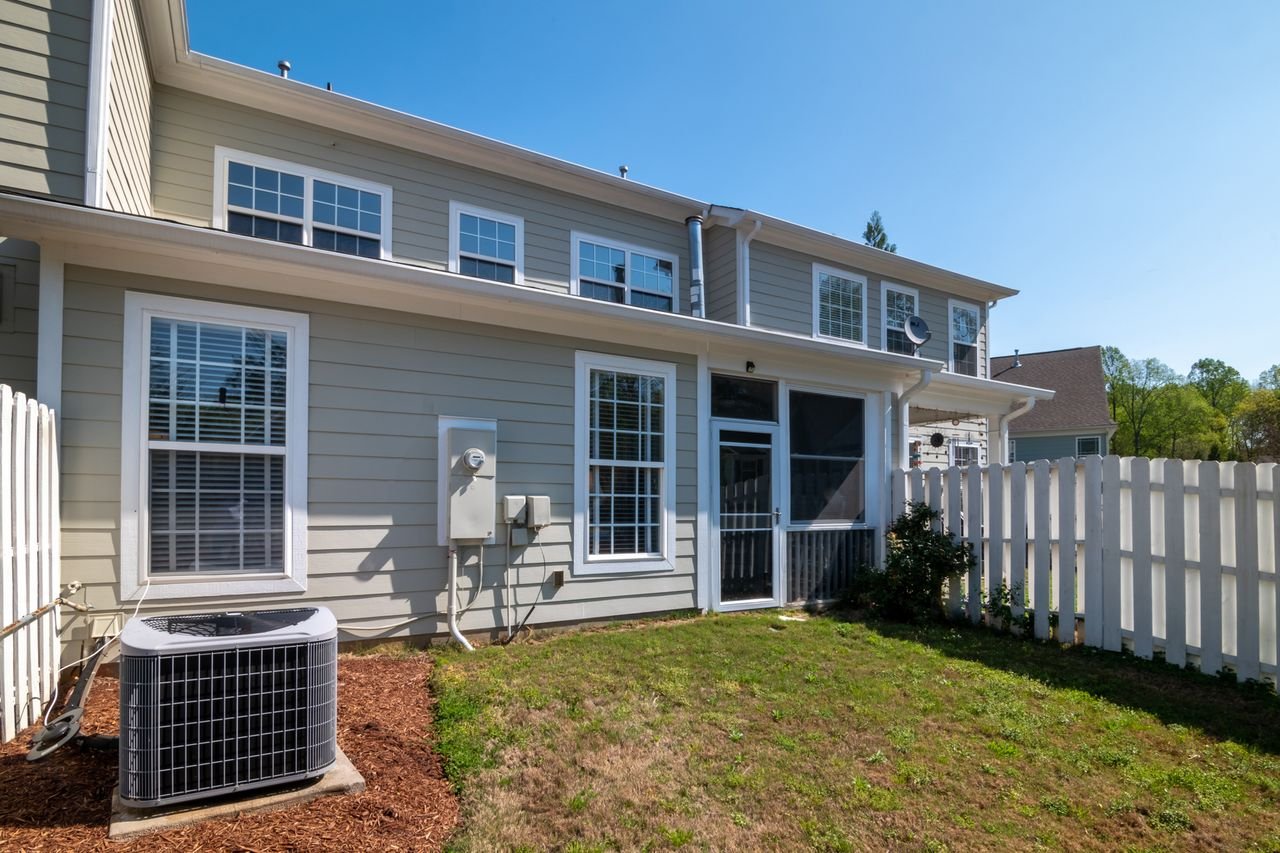
Rental Income Versus Resale Value
Rental income and resale value are related, but they are not interchangeable.
Rental Income Is an Ongoing Benefit
A homeowner who rents an ADU may receive income over many years. That cash flow could offset some project costs, but gross rent is not net profit. Owners should account for vacancies, repairs, utilities paid by the owner, landscaping, insurance, financing, turnover, and management time.
The financial benefit also depends on how long the owner holds the property. A project that makes sense over fifteen years may not recover its cost through rent and resale if the home is sold shortly after construction.
Resale Value Is Determined at a Point in Time
Resale value depends on what buyers will pay when the property enters the market. Interest rates, inventory, buyer preferences, employment conditions, and competing listings can all influence the result.
A highly functional ADU may help a property sell more quickly or attract stronger interest, yet the final sale price still depends on the broader market. Homeowners should avoid relying on a single estimated premium as if it were guaranteed.
Personal Use Has Financial Value Too
Not every benefit appears in an appraisal. Housing an aging parent nearby may reduce the need for separate housing. Giving an adult child a transitional space may support the family. A private office may improve productivity, and a guest suite may make the main home more comfortable.
These benefits can be financially meaningful even if the full construction cost is not immediately reflected in resale value. A complete investment analysis should include both market return and the value of years of use.
ADU Features That Can Strengthen Buyer Appeal
Thoughtful design can help an ADU serve current occupants while remaining attractive to future buyers.
A Functional Kitchen
The kitchen should provide appropriate work surfaces, storage, ventilation, and appliance placement. Oversized appliances can overwhelm a small unit, while insufficient counter space can make daily cooking difficult. Durable, easy-to-clean materials generally support long-term use.
Comfortable Sleeping Space
A bedroom should offer privacy, practical furniture placement, natural light, and storage. In a studio, the layout should still provide a clear sleeping zone rather than forcing every function into one crowded area.
A Well-Planned Bathroom
Efficient bathroom design matters in a small residence. A comfortable shower, useful storage, adequate ventilation, and safe movement can improve everyday usability. Homeowners considering aging relatives may want to plan for easier access even if it is not immediately necessary.
Laundry Access
Dedicated or conveniently located laundry can make an ADU more independent. Requiring occupants to enter the main house for laundry may reduce privacy and rental appeal.
Heating, Cooling, and Energy Efficiency
Comfortable temperature control, good insulation, efficient windows, and suitable shading can make the space pleasant throughout the year. Energy-efficient systems may also help control operating costs, though actual savings depend on usage and utility rates.
Storage
Small homes need thoughtful storage. Closets, kitchen cabinets, linen space, and room for household equipment can prevent the unit from feeling temporary. Built-in storage may be useful when it does not limit flexibility.
Natural Light and Ventilation
Windows and doors can make a compact ADU feel larger and more welcoming. Their placement should balance daylight with privacy. Views into a fence or directly toward the main home’s windows may reduce the benefit.
Private Outdoor Space
A modest patio, seating area, or landscaped entry can give occupants a sense of home. The space does not have to be large, but it should be clearly arranged so that the main household and ADU occupants understand how outdoor areas are used.
Durable, Neutral Finishes
Neutral does not have to mean bland. Coordinated, durable finishes can appeal to different occupants and reduce the need for immediate changes. Highly personalized or fragile materials may cost more without adding broad market value.
Mistakes That Can Reduce an ADU’s Return
An ADU can be valuable, but certain decisions may prevent a homeowner from realizing its full potential.
Assuming Bigger Is Always Better
A larger unit costs more to build, furnish, heat, cool, and maintain. If the additional space does not improve the layout or serve a clear need, it may not create a matching increase in value.
Overbuilding for the Property
An ADU should remain proportionate to the lot and main home. A structure that dominates the yard, blocks light, or creates a crowded appearance can weaken the overall property experience.
Sacrificing the Entire Yard
Outdoor space is valuable to many San Ramon buyers. Families may want room for children, pets, gardening, dining, or recreation. Good site planning aims to add a residence without eliminating every useful outdoor area.
Ignoring Parking and Storage
Converting a garage without a storage plan can push household belongings into the yard or living areas. Adding occupants without thinking about vehicles can also make daily use frustrating. Even when an ADU is technically feasible, the practical effects deserve careful consideration.
Creating Poor Privacy
Windows facing one another, shared paths beside bedroom windows, insufficient sound separation, and entrances through private family areas can create tension. These problems may discourage both buyers and tenants.
Choosing Finishes That Exceed the Market
Premium appliances, elaborate tile, and custom fixtures may be enjoyable, but buyers may not reimburse every upgrade. Spending should be concentrated on layout, durability, comfort, and construction quality before decorative luxury.
Neglecting the Main Residence
If the main home needs substantial repairs, directing the entire budget to an ADU may not produce the strongest property value. The condition of roofs, systems, exterior surfaces, kitchens, bathrooms, and landscaping can influence buyer confidence in the whole property.
Relying on Unrealistic Rent Projections
High advertised rents do not guarantee consistent income. A realistic projection should consider the unit’s size, condition, privacy, parking, included utilities, lease terms, and competing rentals. It should also include downtime and expenses.
Building for Only One Highly Specific Use
A unit designed around unusual equipment or an extremely personalized layout may be difficult to adapt. Unless that use is essential, flexible rooms and conventional residential features tend to support broader long-term appeal.
Planning an ADU for Long-Term Value
Strong planning can improve both everyday use and future marketability.
Start With the Site
Every property has constraints and opportunities. Sun exposure, slope, drainage, existing trees, access, utility locations, neighboring windows, yard circulation, and the position of the main house can shape the best solution.
The ADU should be placed where it can function comfortably without making the remaining property awkward. Early site analysis can prevent expensive redesign and long-term usability problems.
Design for More Than One Life Stage
Features such as a low-step entrance, comfortable door widths, practical bathroom layout, good lighting, and simple circulation can help a range of occupants. These choices may support a parent today, a tenant later, and the homeowner in the future.
Not every unit needs to be designed for every possible condition, but avoiding unnecessary barriers can make it more adaptable.
Separate Utilities Thoughtfully
Utility arrangements affect management, expenses, and convenience. Homeowners should understand how water, electricity, heating, cooling, internet, waste systems, and laundry will serve the unit. The appropriate approach depends on the property and intended use.
Clear systems can make it easier to understand operating costs. However, additional infrastructure can increase the budget, so the benefit should be evaluated before construction.
Protect Both Residences’ Privacy
Privacy planning should happen before the floor plan is finalized. Map how residents will reach doors, parking, bins, laundry, mail, and outdoor areas. Consider sightlines during both day and night.
Landscaping and screens can help, but good building placement is more effective than trying to correct every conflict afterward.
Use Durable Materials
An ADU may experience frequent use or tenant turnover. Durable flooring, easy-to-maintain counters, reliable fixtures, washable surfaces, and accessible mechanical equipment can reduce long-term maintenance burdens.
Durability often creates more value than selecting the most fashionable finish. A timeless, cohesive interior can remain attractive longer.
Maintain Organized Records
Keep plans, contracts, specifications, warranties, manuals, photographs, and records of major service. Organized documentation can help with maintenance and give future buyers a clearer understanding of the property.
Coordinate the Entire Property
Consider whether landscaping, fencing, drainage, paths, lighting, and storage need to change along with the ADU. Treating the unit as part of a complete property plan often creates a better result than focusing only on the building footprint.
Will an ADU Always Pay for Itself?
No. An ADU can add meaningful value without returning every dollar of construction cost at resale. The relationship between cost and value varies by project.
A difficult site may require expensive preparation. Utility work may be necessary but largely invisible to buyers. Luxury selections may exceed neighborhood expectations. A homeowner who sells soon after completion may not receive enough years of use or rental income to support the investment.
On the other hand, an efficiently designed unit that solves a common housing need may perform well. It may attract more buyers, generate income, reduce family housing expenses, or allow the owner to remain in the home longer. These benefits can make the project worthwhile even when immediate resale value is not the only measure.
The most responsible approach is to evaluate several outcomes: a conservative resale premium, realistic rental income, expected expenses, personal use, financing cost, and the length of time the property will be held.
Conclusion
An ADU can increase the value of a San Ramon home, but its impact depends on far more than adding square footage. Buyers and appraisers may consider the unit’s type, size, condition, quality, privacy, access, rental potential, documentation, and relationship to the primary residence. They also evaluate what the project removes or changes, including parking, storage, yard space, and privacy.
The strongest ADUs tend to be those that feel like an intentional part of the property. They offer a comfortable layout, durable construction, appropriate separation, useful storage, and the flexibility to serve different occupants over time. They are also built with a realistic budget and a clear understanding that construction cost does not automatically translate into equal resale value.
For San Ramon homeowners, the decision should reflect both financial and personal goals. An ADU may provide rental income, multigenerational housing, workspace, guest accommodations, or future living flexibility. Those benefits can create substantial value during ownership even before the property is sold.
Before moving forward, define the purpose of the unit, study the site, develop a complete budget, consider the likely holding period, and obtain property-specific input from qualified design, construction, real estate, lending, tax, insurance, and appraisal professionals as appropriate. Careful planning cannot guarantee a particular return, but it can help ensure that the ADU improves the way the property works today while supporting its long-term appeal.
Frequently Asked Questions
Can an ADU increase the resale value of my San Ramon home?
Yes. A well-designed and properly completed ADU can increase usable living space, attract buyers seeking multigenerational housing, and create potential rental income. These benefits may improve market appeal and resale value. The amount varies based on size, type, quality, privacy, condition, location, and market demand, so no fixed increase can be guaranteed.
Does an ADU add the same value as space in the main house?
Not necessarily. Buyers and appraisers may evaluate secondary living space differently from the main residence. A detached ADU may offer greater privacy but may not receive the same per-square-foot treatment as the primary home. The value depends on comparable sales, quality, utility, documentation, and how the unit fits the property.
Is a detached ADU more valuable than an attached ADU?
A detached ADU may attract buyers who prioritize privacy or rental use, but it can cost more and consume more yard area. An attached unit may be efficient, preserve outdoor space, and provide convenient access for family members. Neither option is always more valuable; the better choice is the one that suits the lot, budget, and likely use.
Can rental income from an ADU help increase my home’s value?
Rental potential can make a property more appealing, particularly to buyers who want help offsetting housing costs. However, projected rent is not simply added to the sale price. Buyers and appraisers may consider market rent along with vacancy, operating costs, privacy, condition, and legal use. Income should be estimated conservatively.
Will I recover the full cost of building an ADU when I sell?
There is no guarantee. Some projects may recover a substantial portion of their cost, while others may not. Site work, utility improvements, financing, and premium finishes can raise expenses without creating an equal increase in sale price. Personal use and rental income earned before a sale should also be included when evaluating the overall return.
Does converting my garage into an ADU increase property value?
It can, especially when the new living space is functional and private. However, the loss of covered parking and storage may matter to some buyers. The net effect depends on the quality of the conversion, available driveway or street parking, replacement storage, neighborhood expectations, and demand for secondary housing.
What ADU features are most attractive to buyers?
Commonly appealing features include a separate entrance, comfortable kitchen, private bathroom, laundry access, storage, natural light, heating and cooling, sound separation, durable finishes, and a modest private outdoor area. Flexible layouts and accessibility-minded features can expand the range of possible occupants.
Is a one-bedroom ADU more valuable than a studio?
A one-bedroom unit may appeal to more long-term occupants because it separates sleeping and living areas. It also usually costs more and requires more space. A well-designed studio can still be valuable for guests, work, a single occupant, or family use. Efficiency and overall usability matter as much as the bedroom count.
Can a poorly designed ADU reduce my property’s appeal?
Yes. An ADU that eliminates most of the yard, creates parking conflicts, overlooks private rooms, blocks light, transfers noise, or appears unfinished can make the property less appealing to some buyers. Careful placement and design should improve the entire property rather than solve one need while creating several others.
Should I speak with a real estate agent or appraiser before building?
Yes. A San Ramon-area real estate professional can discuss buyer preferences and relevant sales, while a qualified appraiser can offer an independent, property-specific value perspective. Their input should be combined with a complete construction budget and advice from appropriate design, construction, lending, tax, and insurance professionals. No professional can guarantee the future sale price, but informed planning can reduce uncertainty.
ADU Design, Planning & Construction From Start to Finish
A well-designed ADU can add valuable living space, flexibility, and long-term value to your property. But getting from an idea to a finished accessory dwelling unit takes careful planning, smart design, and a construction team that understands how all the pieces fit together.
Carey Bros. Design & Build Remodeling helps homeowners throughout Contra Costa County, including Walnut Creek, Danville, Lafayette, Orinda, Concord, San Ramon, Moraga, Pleasant Hill, Martinez, and Alamo, plan and build ADUs that make sense for their property, goals, and budget.
The process starts with understanding how you want to use the space. You may be creating a private home for aging parents, guest accommodations, a dedicated home office, additional space for family, or a rental unit that adds income potential. From there, the design and planning process can address layout, size, placement, access, functionality, permitting, and construction requirements before work begins.
Working with a design-build contractor can make the entire ADU process more streamlined. Instead of coordinating separate designers, planners, and contractors, one team helps manage the project from the initial concept through design, planning, permitting, construction, and final completion. This keeps communication clear and helps ensure the finished ADU stays aligned with the original vision.
Carey Bros. Design & Build Remodeling works with homeowners across Contra Costa County to turn underused property space into thoughtfully planned ADUs built for the way they want to live. Reach out today to start discussing your ADU design, planning, and construction project.
Disclaimer
The materials available on this website are for informational and educational purposes only and are not intended to provide legal, financial, or professional construction advice. You should consult with a qualified general contractor, architect, or other relevant professionals before making decisions regarding remodeling, construction, or home improvement projects. Don’t act or refrain from acting based on any content included on this site without seeking appropriate professional guidance. The information presented on this website may not reflect the most current building codes, regulations, or industry standards. No action should be taken in reliance on the information provided on this website. We disclaim all liability for actions taken or not taken based on any or all of the contents of this site to the fullest extent permitted by law.