
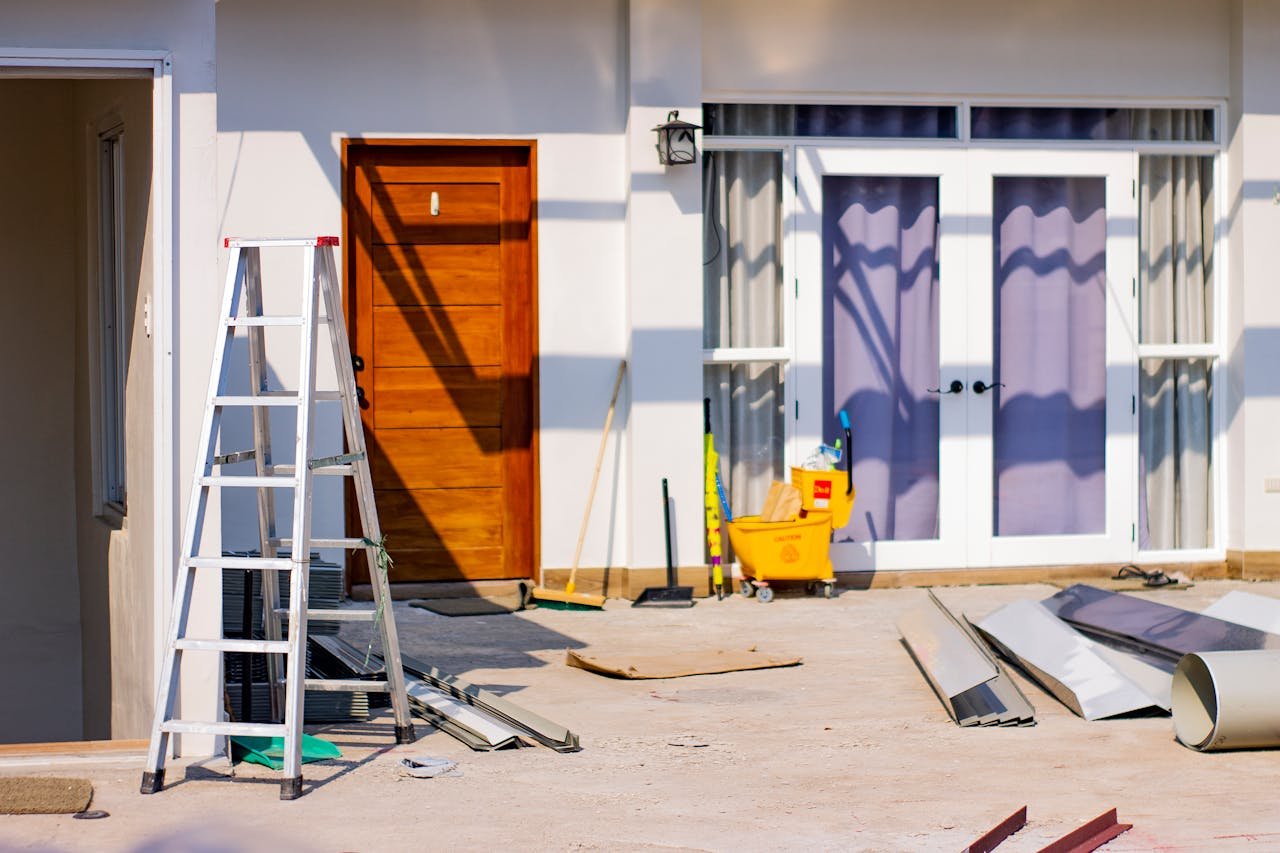
Yes, most of the time, you can live in your home during an additional project. It truly depends on the work. Choosing to stay in your house will mean handling noise, dust, and workers coming and going most days. A few homeowners established temporary kitchen or living space, while others relocated furniture or blocked off portions of the house for safety reasons. The primary considerations to balance are safety, comfort, and disruption to daily living. If you have kids or pets, you will need additional planning. Both cost and project length can be influenced by your decision to stay or move out. The following sections disaggregate what to expect and how to plan effectively during an addition to your home.
Key Takeaways
- Consider the nature of your addition project to determine if living in your home during construction is feasible. Ask your builder for specifics regarding timelines and impacted spaces.
- Consider the costs and benefits of living at home throughout your addition project versus finding temporary accommodations. Evaluate every possible expense and how it impacts your budget.
- Think about your family’s tolerance for noise, dust, and daily disruptions. Be realistic about your expectations for comfort and routine while remodeling.
- Communicate clearly with your contractor so you can stay informed, manage life day by day, and have backup plans ready for when things get rough.
- Consider health and safety. Maintain air quality, prepare for utility interruptions, and secure the construction site to protect your family and possessions.
- Manage project stress by simplifying decisions, maintaining open family communication, and keeping neighbors informed to foster positive relationships throughout the addition process.
The Stay-or-Go Decision
Deciding whether to stay or go during your remodeling project involves weighing disruptions, safety, and comfort. The correct solution is determined by the scale of the project, your finances, family needs, and your threshold for disruption. Critical spaces like kitchens and bathrooms are major factors; if they are restricted, daily living spaces become difficult. Smart pre-planning, frank discussions with your contractor help, and honest self-awareness all aid in making the decision easier.
Project Scope
How large and what kind of addition is the key to a successful remodeling project. If you’re only working on one section of the house, such as a bedroom addition or enlarging a living area, it may be simpler to stay. Even if it’s just the kitchen or bathrooms that are getting remodeled, it can translate into no cooking and no showers for days or even weeks. Understanding which rooms will be impacted and for what duration is essential for minimizing disruptions. Some projects are easier to phase than others, allowing for a harmonious living arrangement. Perhaps one bathroom remains open while the other is closed or the noisiest construction activities are limited to specific times of day. Discuss the construction schedule and any options for making your home livable with your builder to ensure convenience during the renovation.
Financial Reality
|
Option |
Costs |
Benefits |
Drawbacks |
|
Stay at home |
Lower direct costs |
Save on rent/hotels, monitor progress |
Daily disruption, less privacy |
|
Move out |
Rent/hotel, storage, travel |
Less stress, more comfort |
Higher expenses, less oversight |
Budget checks count when considering a remodeling project. Temporary housing means more rent or hotel fees, possibly storage for your belongings, and eating out, which can disrupt daily habits. Staying home saves money but adds stress during the construction process. In the long run, a well-planned addition increases your property value, making the short-term costs justified.
Personal Tolerance
Living in a construction zone can be challenging, as it involves enduring noise, dust, and the constant presence of workers. Some families adapt beautifully to these temporary disruptions, while others struggle. It’s crucial to consider your family’s schedule, including kids, pets, and WFH requirements, along with safety concerns regarding open walls and exposed wiring. Careful planning and setting clear expectations, such as quiet hours or off-limits areas, can significantly ease the remodeling project experience for homeowners.
Your Home Addition Survival Plan
Surviving a home addition is no picnic, but with careful planning and a clear communication strategy, you can keep your household safe and organized. A home addition survival plan for daily living spaces and contingency plans for unanticipated disruptions will help reduce stress during the remodeling project.
- Decide how you and your contractor will exchange updates and address problems.
- Designate work zones and establish safe zones for your family.
- Organize your daily setup for eating, sleeping, and relaxing.
- Anticipate setbacks with fallback accommodations and contingency plans.
- Shift routines to accommodate the new construction pace of life.
1. The Communication Pact
Set up weekly or bi-weekly meetings with your contractor to receive updates on the remodeling project and discuss any modifications. Determine if you will communicate via phone, text, or email and choose what works best for both parties. Get everyone on board and have everyone at home aware of your timeline, big workdays, and any access restrictions during the construction process. Maintain a notebook or digital file to document changes and agreements, preventing any misunderstandings.
2. The Containment Zone
Select which rooms are working and which are living. To minimize disruptions during the construction process, seal dust and noise out of your main living area with plastic sheets or folding screens. Keep tools and supplies contained in one location to ensure nothing leaks into the rest of the house. Inform children and visitors about the secure zones and install gates if there are pets involved.
3. The Temporary Setup
If your kitchen is off limits due to remodeling, plan a mini-kitchen with a hot plate, kettle, or microwave for convenience. You may need to consider temporary accommodation options like fold-up beds or bunking in the living room if bedrooms are included in the construction schedule. Collect essentials like toiletries, snacks, and chargers in one location for quick access, ensuring you can reach essential amenities like the bathroom, water, and power without stepping through the dust.
4. The Escape Route
Scout out a local hotel, short-term rental, or friend’s home as a backup plan in case you get burnt out or the remodeling project runs long. Always have a bag packed for emergencies and consider temporary accommodations. Discuss fire escapes with the whole house to ensure a harmonious living arrangement during any potential disruptions.
5. The Daily Routine
Adjust wake and meal times to minimize disruptions from noisy construction activities. Schedule quiet hours or even days out of the house to escape the chaos of the remodeling project. Designate one finished room as a sanity refuge to maintain a harmonious living arrangement.
Navigating Health and Safety
Living at home during a remodeling project will alter your daily habits and routines. Dust, noise, and utility fluctuations are common disruptions you may face. Health and safety come first, so be flexible and prepared with a backup plan. Knowing the risks and how to navigate them keeps the living area safe for all.
Air Quality
Construction dust and fumes can significantly impact indoor air quality. To maintain a livable environment, utilize HEPA air purifiers in primary living areas, as they help screen out fine particles that can be inhaled. Running them during the day, particularly in shared rooms, ensures a healthier atmosphere for family needs.
Isolating work zones with plastic sheeting is crucial to prevent dust and debris from traveling through the house. Excellent seals around doors and vents are especially important in older homes, which may pose lead paint hazards. To enhance ventilation, open windows when possible and use kitchen and bathroom exhaust fans to vent moisture and odors outside, reducing the risk of mold and avoiding combustion gases from fuel stoves or heaters.
Discuss air quality concerns with your contractor. Experienced builders can configure negative air machines or recommend additional actions to ensure a successful addition project.
Utility Interruptions
Anticipate water, electric, or gas being turned off on occasions. Get ahead of your work by discussing a schedule with both your contractor and service providers. This can keep you from losing meals or shower water at the wrong moment.
If possible, conduct energy or water-intensive work at times when you require less of those services. Backup essentials, such as bottled water or power banks, come in handy if utilities are down longer than anticipated. Ensure all members of the household are aware of the utility schedule, so day-to-day activities do not get disrupted.
Keep one bathroom and the kitchen open if you can. This deflects stress and keeps life on course.
Site Security
- Put temporary locks or barriers on doors and windows in or adjacent to the construction area. This prevents strangers from coming in and prevents children or animals from wandering into dangerous areas.
- Keep valuables and important papers in a locked room or offsite. Construction attracts lots of workers and visitors, so it is wise to keep them out.
- Conduct a ‘walk through’ every evening. See if all tools are stored and safety gear is on. This habit helps in identifying dangers early.
- Maintain a closed-off, quiet room for family. It’s a safe haven to get away from the noise and dust and it feels normal.
Family Education
Educate all about the site hazards, such as blades or wires. Review easy guidelines, like what doors to enter and exit and what areas are restricted. Remind kids and guests not to touch equipment or wander into blocked off areas.
Teach family members how to identify problems, like unusual odors from fuel-burning appliances or indications of backdrafting, and who to contact. Ensure that everyone is aware of the locations of fire extinguishers and first-aid kits. The day-to-day nature of the reminders keeps safety at the forefront.
The Hidden Project Stressors
Home addition projects can be a real test of patience and careful planning, especially when homeowners are living onsite. Hardships extend beyond just dirt and noise; they can disrupt daily habits, strain friendships, and affect the overall living arrangements. It’s essential to identify and address these hidden project stressors to ensure a harmonious living environment.
Decision Fatigue
Selecting materials, colors, or fixtures repeatedly can wear anyone down, especially during a remodeling project. Unlimited choices make even minor decisions seem major, particularly with the construction schedule looming. To ease this, consider limiting your options to a few trusted brands or styles, which can significantly reduce decision overload. Implementing careful planning ensures the construction process keeps moving forward, minimizing stress from last-minute changes.
Dividing the burden by distributing tasks among family members can also be beneficial. One person can handle contractor inquiries while another focuses on selecting paint or fixtures, creating a harmonious living arrangement. Prioritizing essential tasks helps avoid overwhelm; for instance, agreeing on which rooms are most important allows you to invest appropriately in home additions. Establishing a contingency fund, around 10 to 20 percent of your budget, prepares you for unexpected surprises, ensuring a smoother remodeling experience.
Relationship Strain
Remodeling can try the patience of even the most robust of relationships. Stress due to delay, cost, or daily disruption can overflow into family life. Discuss concerns and ambitions out in the open, perhaps at your weekly family meetings. This can make all feel heard and reduce miscommunications.
Helpful words ring. Remind one another that the disruption is only temporary and keep your eyes on the prize. Planning fun breaks, a meal out, or a walk can help keep spirits up. If you assign quiet hours during the day to work or rest, it will allow everyone to recharge. Communicating clearly with contractors minimizes misunderstanding and spares project stress.
Neighbor Relations
Bringing neighbors up to speed with your project generates goodwill. A little note or quick chat before the work starts really does help. Inform them of anticipated noise or traffic disruptions and establish clear expectations for work start and stop times.
If neighbors express concerns, hear them and try to assist. Perhaps propose quiet hours or provide progress updates. Once the work is complete, introduce them to the new look. Open communication channels can keep minor issues from becoming major. If surprise complications emerge, being transparent aids in solving them swiftly.
Protecting Your Investment
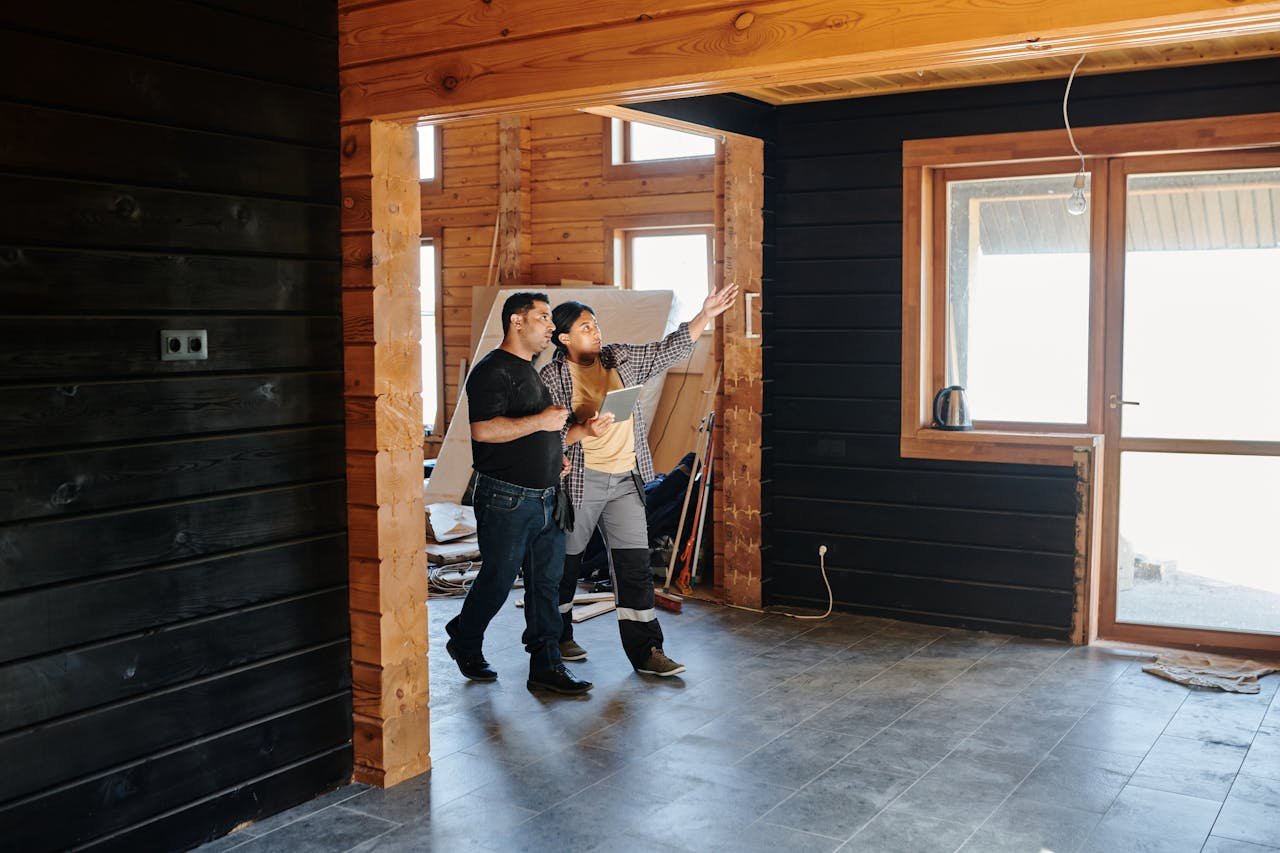
Any home addition project, large or small, indicates you should be extra cautious to protect your property and your wallet. Even if you intend to live in your home during the remodeling process, you’ll need to consider insurance, contractor liability, and surprise expenses. A bit of careful planning and documentation goes a long way toward keeping your construction schedule on track and your investment safe.
| Insurance Clauses | Contractor Liability | Contingency Funds |
| Confirm your policy covers construction incidents. | The contractor must be liable for damages or injuries during work. | Set up funds for unexpected costs and overruns. |
| Discuss specific clauses with your provider. | Always get proof of insurance and licensing. | Budget extra for delays or supply price hikes. |
| Ensure contractor’s liability coverage is active. | Know the contract’s terms about liability and duties. | Ask your builder about typical hidden expenses. |
| Check policy limits to avoid coverage gaps. | Talk about risks and how they’ll be managed. | Watch spending to avoid going over your budget. |
Insurance Clauses
Before starting your remodeling project, it’s essential to check your homeowner’s insurance as certain policies may not cover accidents or damages during the construction process. Inquire with your provider about coverage for fire, theft, vandalism, and injury, particularly while renovations are underway. It’s wise to review limits and consider additional riders, especially if heavy equipment or a construction crew will be present. Additionally, ensure your contractor’s liability insurance is current and request copies for your file, as this could protect you from out-of-pocket expenses if any issues arise during the build.
Contractor Liability
Contractors must have liability and workers’ compensation insurance to protect homeowners from financial liabilities should the crew destroy your house or someone gets injured. It is crucial to request proof of insurance, verify their license, and carefully review the contract. Seek information about who covers costs when it is broken or there is an accident. Certain contracts specify who addresses errors or pays overages. Discuss common concerns, such as dust, noise, and blocked spaces, with your contractor and establish a construction schedule that minimizes disruptions. Setting boundaries on work hours and access to the site helps protect your daily living spaces and shield your investment.
Contingency Funds
Cost overruns are inevitable in any remodeling project, so reserve a contingency fund, usually about 10 to 20 percent of your project budget. This fund covers surprise expenses such as hidden water damage or rising material costs, which are common concerns for homeowners. Keep track of all expenses and check them against your budget frequently. Before your construction schedule begins, discuss typical surprise expenses with your contractor. A buffer time protects you if things change at the last minute, allowing for minimal disruption in your daily living spaces. Take snapshots and inventory possessions before work commences to document your home’s condition.
When Staying Is Not An Option
Living at home during a big addition project can translate into daily noise, dust, and everything out of place. For others, this can be overwhelming, particularly when the work is big and runs for weeks or months. If the project makes it difficult to keep up with daily life or work remotely, seeking alternative accommodations might be your best move. It beats trying to figure it out last minute and keeps stress low and routines steady.
1. Short-term rentals like furnished flats or serviced apartments can provide you with privacy and a more home-like atmosphere. These locations frequently have kitchens and laundry. They’re great for families who like room to roam. The cost can be steep, typically charged by the week or month, but some people just relish the cozy.
2. Hotels offer convenient booking and daily cleaning. Some have long-stay rates, with breakfast or meals included. The trade-off is less room and less flexibility to prepare a meal or wash clothes. Hotels might not work for families who want space or plan to cook. For singles or couples, it’s an easy solution.
3. Staying with family or friends can reduce expenses and provide a safety net. This can work for a while, but overstaying your welcome may irritate the host-guest relationship. It is nice to have clear plans for chores, food, and privacy to prevent stress for both parties.
4. Holiday parks, hostels, or shared housing can be suitable for people who don’t mind smaller space or shared bathrooms. These are typically less expensive than other solutions. They might not have the peace and comfort some desire, and pet or guest policies can be stringent.
5. If you’re one of the lucky ones that want to stay close to your home, a caravan or small home parked on your land could do the trick. This allows you to observe the work and maintain certain rituals. However, room is limited and accommodations are minimal.
Discussing the benefits and risks of each decision with your family keeps everyone on the same page. Early planning and booking can take the rush out of the whole move. They are all trade-offs, and what is best for you depends on your needs, the project length, and your budget.
Conclusion
Living at home during an addiction can be doable for some. It really requires planning. Noise, dust, and daily changes will push routines. Kids and pets might require new boundaries. Some days just fly; other days crawl. A good builder will assist, talk through steps, and define clear lines for safe zones. Consider health, budget, and your own stress. Most folks opt to move out for a bit if work commandeers prime spaces such as kitchens or bathrooms. Each home and family is unique in their needs. Weigh what things are most important to you. For more tips or real tales from others who made the same decision, see our resources. Add your own story or questions in the comments—your insight helps others figure out what works.
Frequently Asked Questions
1. Can I stay in my home during a home addition project?
Yes, you can live in your home during a remodeling project, but it depends on the scale of the work and the construction schedule. Consider your comfort, noise, and safety for a harmonious living arrangement.
2. What are the main risks of living at home during construction?
Your primary risks during the remodeling project are dust, noise, and having some rooms that may become hard or even dangerous to access, emphasizing the need for careful planning and a backup plan for temporary accommodations.
3. How can I protect my health while living through an addition project?
Seal off construction zones to ensure minimal disruption, use air purifiers for consistent ventilation, and adhere to your contractor’s safety instructions.
4. Will staying at home during construction affect the project timeline?
Yes, living at home can occasionally disrupt daily habits during a remodeling project. Be prepared that contractors might have to work in phases to maintain a livable environment and ensure daily convenience.
5. What steps can I take to limit stress during a home addition?
Set expectations, communicate, and find a temporary accommodation that provides essential amenities for a comfortable and peaceful living arrangement during the remodeling project.
6. How do I protect my belongings during construction?
Store valuables and sensitive items in a secure location away from construction activities. Employ dust covers and shut the doors on rooms not part of the remodeling project for minimal disruption.
7. When should I consider moving out during a home addition?
If utilities are disconnected or safety cannot be ensured during the remodeling project, consider temporary accommodations.
A Smarter Way to Add Space: Home Additions With Carey Bros. Design & Build Remodeling
A home addition should feel exciting, not overwhelming. You’re expanding the place you already love, and the process should match that feeling. The difference between a smooth experience and a stressful one often comes down to how the project is planned and managed from day one. That’s where a design-build approach makes all the difference.
Carey Bros. Design & Build Remodeling simplifies home additions by handling everything under one roof. We start by listening to how you want to live in the new space, how it needs to connect to your existing home, and what your budget looks like. Our design and construction teams work together from the start, so every detail is aligned before construction begins. No handoffs. No mixed messages. Just a clear plan moving forward.
Because the same team designs and builds your addition, timelines stay tighter and decisions happen faster. This means fewer surprises, better cost control, and a project that keeps moving without unnecessary delays. Whether you’re adding a primary suite, expanding your kitchen and living area, or creating room for a growing or multi-generational family, your addition is designed to feel like it was always part of your home.
If you’re ready to add space without the stress, reach out to Carey Bros. Design & Build Remodeling. Let’s turn your home addition into a smooth, well-planned experience from the first conversation to the final walkthrough.
Disclaimer
The materials available on this website are for informational and educational purposes only and are not intended to provide legal, financial, or professional construction advice. You should consult with a qualified general contractor, architect, or other relevant professionals before making decisions regarding remodeling, construction, or home improvement projects. Do not act or refrain from acting based on any content included on this site without seeking appropriate professional guidance. The information presented on this website may not reflect the most current building codes, regulations, or industry standards. No action should be taken in reliance on the information provided on this website. We disclaim all liability for actions taken or not taken based on any or all of the contents of this site to the fullest extent permitted by law.