
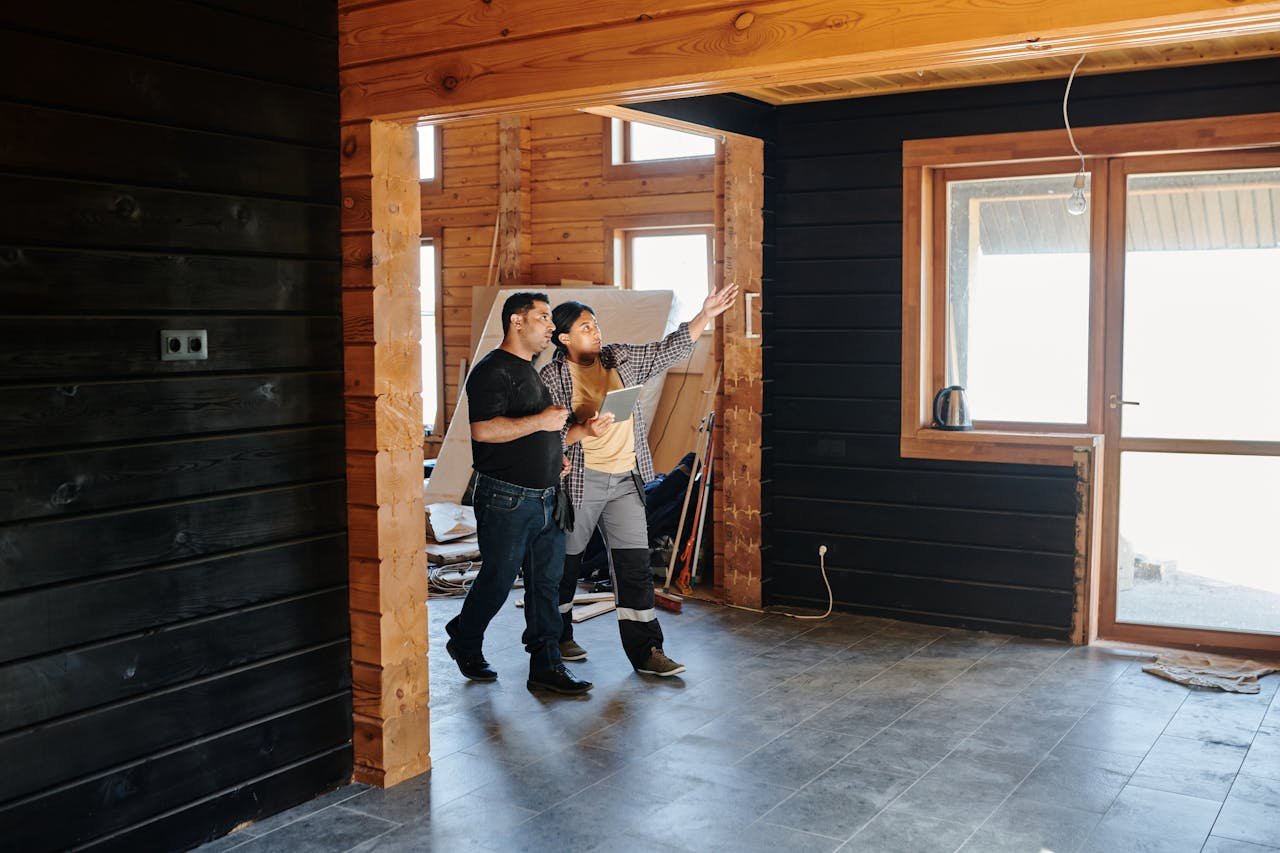
In short, design-build is a single contract method where your project design and construction remain under the control of one team. It begins with you sharing your needs and goals with the design-build firm. They provide you with a plan, cost, and timeline, and then they shape the project with your input at every step. You watch design concepts evolve into precise plans, and once you sign off, the build phase begins immediately. Open communication and collaboration maintain pace, prevent holdups, and reduce unforeseen expenses. You have one point of contact from beginning to end, which makes updates and troubleshooting quick and simple. The following sections display each phase so you understand what to anticipate from your project.
Key Takeaways
- Enjoy the advantages of a design-build process with one point of responsibility to reduce confusion and ensure accountability from beginning to end.
- Transparent budgeting with design-build contracts keeps you from paying surprise contributions and allows for better financial planning during your project.
- It can deliver projects more quickly because the design and construction phases overlap. Teams can collaborate and catch snafus early to make their timelines.
- What is it about the design-build process that takes us from step one to completion?
- Active problem-solving, quality control, and check-ins on the build site save you from common pain points like surprise costs and communication gaps.
- Selecting your ideal design-build partner is a journey in itself. Reviewing portfolios, checking credentials, and finding the right team chemistry ensure stellar results on your project.

Why Choose Design-Build?
Design-build is an innovative project delivery method where you sign a single contract with one design-build firm that handles both design and construction. This approach differs from traditional construction methods by integrating architects, engineers, and builders into a cohesive design-build team, offering you unique advantages. Here are the main benefits of utilizing design-build services.
- Single-source responsibility means you partner with one firm from start to finish, so you don’t have to worry about gaps between design and construction teams.
- Open, up-front contracts mean budget clarity. You can plan costs and reduce surprises.
- Faster completion occurs because the design and build phases overlap, which means no need for a second bidding process, saving you even more time.
- You benefit from simplified communications as all updates, decisions, and troubleshooting occur through a single point of contact.
- Accountability is higher, too. One entity is responsible for quality, timelines, and budget.
Single Responsibility
When one team is managing the entire design-build process, you have a transparent chain of command. Your questions and changes go directly to the design-build firm, ensuring nothing is lost between teams. This prevents confusion, which can lead to delays or costly errors. The design-build team understands your goals from day one and ensures the project aligns with your vision. When issues arise, you don’t have to determine responsibility; the firm handles everything. Fewer disputes lead to a smoother build.
Budget Clarity
A design-build contract provides full cost visibility before work begins, minimizing budget surprises later. Since the same team handles both the design and build construction, they can identify cost savings early on. This means you know exactly how each dollar is spent, with fees and costs transparently laid out from the start. These updates from the design-build firm keep you tracking spending as the job progresses, simplifying adherence to your budget and allowing for quick adjustments.
Faster Completion
With the design-build process, design and construction overlap, allowing work to commence earlier without the delays of a second bidding phase. This efficient construction approach can reduce a year-long project to less than eight months. Activities are divided between designers and build contractors, which accelerates timelines for both the design phase and construction. The design-build team meets frequently to address questions immediately. One timeline. One team. Your project stays on track and on deadline.
How The Design-Build Process Works
The design-build process combines design and construction into one contract. This approach contrasts with conventional models, in which you’d collaborate with individual firms at every step. This way, you have one person to deal with for your project, which simplifies and speeds the process. These aren’t strict steps, but overlapping phases, so the project advances with less stalling. Every step, consultation, design, planning, construction, and completion, counts toward a seamless flow from beginning to end.
Step-by-step process:
- Choose a design-build team
- Meet to share your goals, needs, and budget
- Work with designers on early concepts and choices
- Review, refine, and confirm design details
- Agree on the schedule and cost during planning
- Start construction, keeping communication open
- Finish with a final inspection and handoff
1. Initial Consultation
You begin by sitting down with your design-build team, where you describe your dream project and discuss your budget and timing considerations. As you brainstorm initial concepts as a group, the team will guide you toward what’s feasible with your means, ensuring a smooth design-build process. It’s essential to define responsibilities, establish a collaborative spirit, and prevent stumbles down the road.
2. Conceptual Design
Now, your ideas come to life with the design-build team. They draft sketches or renderings to illustrate what your project might look like within the design-build process. You go over these choices, considering how they adapt to your needs and your wallet. This is when you can request modifications or investigate alternative concepts. Feedback goes both ways, ensuring you end up with a plan that aligns with the project goals and serves the project’s objectives.
3. Detailed Planning
With the design-build concept established, the team sketches a complete design that encompasses timelines, detailed budgets, and materials lists. You collaborate with the design-build team and construction professionals to finalize specifications and secure all permits. Risk planning occurs here, where potential problems are identified, and contingency plans are created, forming the skeleton of a project that maintains its schedule.
4. Construction Phase
The construction process begins with your design-build team running the job, from hiring subs to keeping schedules lean. They provide you with frequent updates, ensuring you’re always in the loop. If issues arise, the team repairs them quickly to prevent delays, while inspections occur during the work to satisfy your standards and local regulations.
5. Project Completion
You tour the completed project with your team, reflecting on how the design-build methodology facilitated a smooth construction process. Any little fixes or touchups happen at this point, and you receive all the paperwork, including warranties, maintenance tips, and close-out documentation.
Design-Build vs. Traditional Method
The design-build approach integrates design and construction services under a single contract, contrasting with the traditional construction method, which requires separate contracts for architects and building contractors. This design-build methodology can save you time and money while minimizing the risk of miscommunication during the construction process.
| Aspect | Design-Build | Traditional (Design-Bid-Build) |
| Team Structure | Single, integrated team | Separate the architect and contractor |
| Contracts | One contract | Two separate contracts |
| Timeline | Overlapping phases, faster | Sequential, typically slower |
| Communication | Direct, centralized | The owner acts as a go-between |
| Cost Efficiency | 1-6% cheaper on average | Higher unit costs, slower changes |
| Flexibility | High, quick issue resolution | Lower, slower adjustments |
Communication Flow
When designers and builders collaborate directly, updates, questions, and changes do not need to go through multiple people. You receive fast decisions and experience fewer errors from crossed communications. Having everyone at the table from day one means misunderstandings do not stand a chance.
Transparent communication breeds trust and enables you to detect issues before they become problems. You’re kept in the loop with instant updates. Most teams employ online platforms that allow you to monitor timelines, blueprints, and milestones. In other words, you’re able to address issues immediately. An open process, in which every member of the team contributes ideas, keeps last-minute surprises at bay, and keeps everyone informed.
Project Accountability
With design-build, your team oversees everything from start to finish. You don’t have to act as a mediator between architects and contractors, who tend to point fingers in traditional builds.
Everyone understands what’s required of them. Project objectives, activities, and milestones are established up front. Progress is measured against defined milestones. If something goes awry, it gets remedied quickly, with no waiting for finger-pointing to be hashed out between different entities.
Timeline Management
The design-build process allows your crew to start construction tasks before the entire design is finalized. This overlap can significantly reduce the timeline, particularly for complicated projects. Frequent check-ins, combined with management software, help the design-build team identify bottlenecks and maintain momentum. This streamlined build construction delivery model ensures deadlines are met and handoffs go smoothly.
The Human Element
The design-build is not merely drawing or blueprints. It’s molded by humans. You, your team, and your design-build firm each come to the table with varying skills, needs, and perspectives. Human elements, how you guys communicate, collaborate, and compromise, will frequently determine whether your endeavor succeeds or fails. Whether you’re constructing a new home or remodeling, it’s that human factor that defines the experience and the result.
Building Trust
Trust is the foundation of any great design-build project. You need to trust the team will follow through. Teams gain this trust by communicating with you and honoring commitments. If a builder says he’ll complete a phase by a certain date and he does, that’s a little step, but a pretty muscular one, toward trust.
A reputable company will flaunt its wins and client testimonials. Witnessing direct evidence of their competence puts you at ease. Open conversation is crucial. You should feel comfortable voicing concerns or requesting adjustments. If your team hears and collaborates with you, it is easier to trust that they will do the job right. Trust is slow, but a group that supports talk with action generates it quickly.
Fostering Collaboration
Each project demands collaboration between you, the designer, and the constructor. Exchanging tips for clever solutions, such as how to save space or reduce expenses without sacrificing coziness, is important. Brainstorming allows all to contribute so that the best response, not just the earliest, prevails.
Short daily or weekly check-ins help spot problems early. These meetings keep everyone on the same page and catch errors before they get out of control. When the squad hits a major milestone, such as completing the frame or roof, pausing to celebrate that victory lifts spirits. An inspired team performs better and accomplishes more.
Ensuring Transparency
Transparent, consistent updates are important. You should receive periodic notes on how it is going, what has been expended, and what is next. Straightforward, readable reports provide a tangible sense of accomplishment and transparently display the team’s work.
With questions, you should always receive straight answers. Teams that request your feedback keep you connected. Informing you about bumps in the road, such as a weather delay, assists. You can then tweak plans early and avoid bigger problems. Being upfront keeps us all on the same page, so surprises are minimal.
Avoiding Common Pitfalls
The design-build approach provides a shortcut from an idea to a final project, but it is fraught with hazards. Understanding these pitfalls in the design-build process can save your schedule, budget, and overall project success.
- Overlooking a contractor’s experience or reputation
- Failing to get referrals from past clients or businesses
- Lack of clear budget contingencies for unforeseen costs
- Not monitoring expenses in real time
- Communication gaps between you and the project team
- Overlooking quality control at key stages
- Relying on a contractor unfamiliar with local building codes
- Not clarifying how much control you’ll have over decisions
- Failing to use project management tools for updates
- Assuming design-build is always cheaper than traditional methods
Unforeseen Costs
Unexpected costs may derail your venture. Most homeowners anticipate a simple budget. However, materials, labor rates, or site conditions can change. Reserving such a contingency, usually 10 to 15 percent of your total budget, provides a bulwark against these shocks.
Specific cost projections count. Request that your contractor provide you with a line-by-line breakdown. If your firm has done similar projects, it will be able to identify cost drivers early. Real-time expense tracking keeps you informed if costs begin to creep. If there are changes, discuss how they affect your budget immediately.
Communication Breakdowns
Transparent, consistent communication keeps all parties aligned. Misunderstandings can escalate, particularly when the contractor manages design and build. That’s why it pays to establish regular meetings. Weekly or biweekly check-ins are good for most builds.
Easy project management platforms to mark progress and log questions. This provides a central location for updates and helps to reduce confusion. Don’t be afraid to ask questions if you require additional information or are worried. Good contractors embrace your involvement and want you to feel informed.
Quality Control
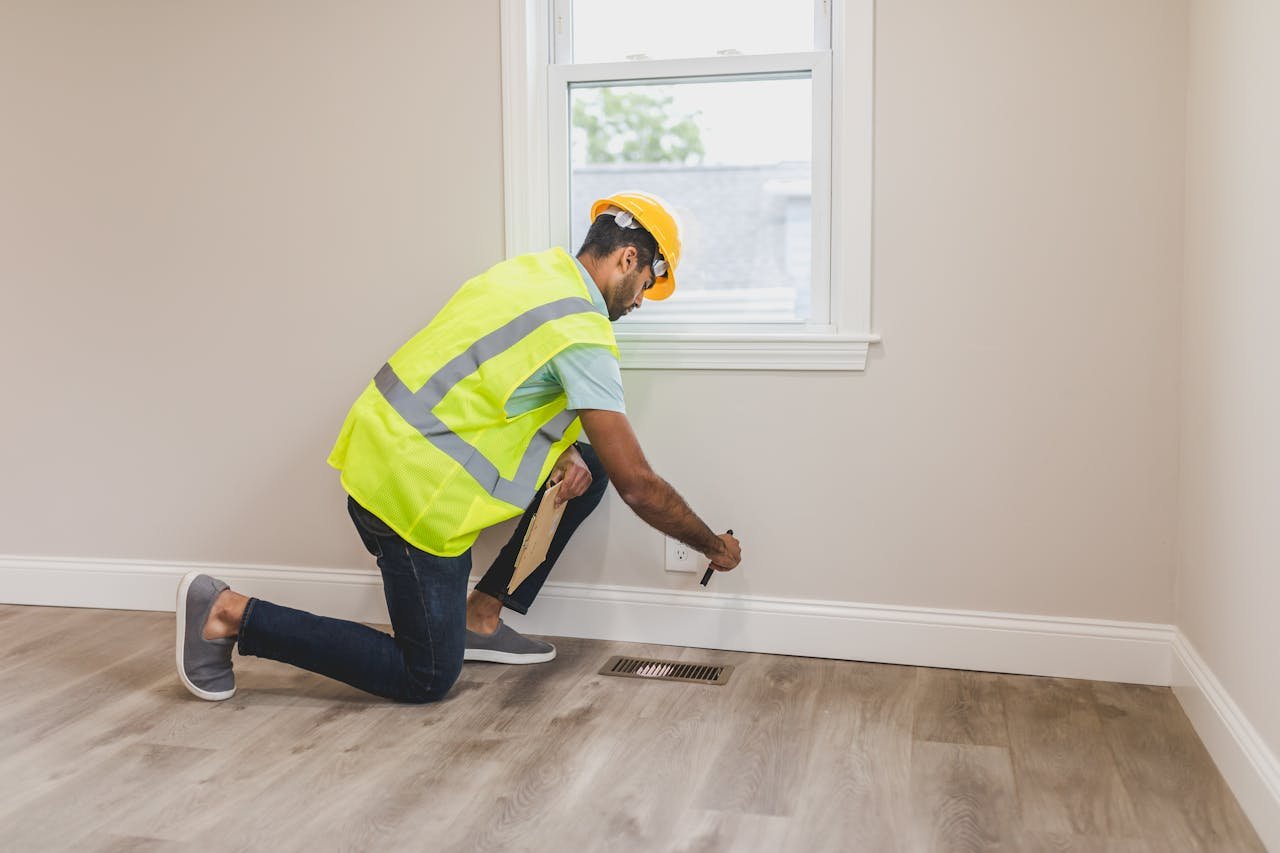
Quality slides when no one inspects the work at each stage. Hire a team that has a strong track record with homes and is familiar with local codes. Back-check their credentials and reviews. Regular on-site inspections by you or an independent third party can identify issues early.
Experienced individuals maintain an ongoing course. They understand the proper techniques and products for your area. Inspire your unit to identify problems and correct them in advance. Select companies that prioritize quality, not merely speed or cost.
Finding Your Perfect Partner
Selecting the ideal design-build partner requires more than a glance through the Yellow Pages. You must know what makes you tick, what your project objectives are, and your values. Most people discover that common characteristics and a similar perspective establish trust and lubricate the process. Good partners bring more than just technical skills. They demonstrate empathy, clear communication, and a commitment to your success. As much as we love the concept of a flawless fit, studies reveal that enduring relationships are crafted through effort, admiration, and common morals, not serendipity.
Here are the main criteria for selecting a design-build partner:
- Alignment with your values, interests, and vision for the project.
- Robust portfolio with a variety of project types and demonstrated outcomes.
- Clear communication and willingness to listen and adapt.
- Credentials that meet industry standards and local regulations.
- An emotionally smart team that can take feedback and work together.
- History of on-time, on-budget delivery.
- Mutual respect, trust, and support in all interactions.
- Flexibility to fit your specific needs and change as the project does.
Assess Portfolios
Go over each firm’s previous work to evaluate their style and how well they manage builds similar to yours. A great design-build firm demonstrates expertise by project type and size, not just one type of build construction. Look for case studies and client testimonials; these disclose more about how the firm operates and how clients perceive their design-build services. Notice things such as on-time completion and adherence to budget, as these real-world examples provide you with a taste of what to expect.
Verify Credentials
Always verify that the design-build firm carries the appropriate licenses and insurance for your region. This is elementary, but it’s a step that a few bypass. Industry certifications demonstrate that the construction team stays up on best practices and holds itself to a rigorous standard. See if they belong to reputable organizations. Companies with a strong reputation in these groups tend to take more pride in their work. Check that their track record is of successful work and satisfied customers, which lets you know they’re trustworthy.
Check Chemistry
| Criteria | What to Look For |
| Communication Style | Open, clear, and honest exchanges |
| Responsiveness | Quick replies, timely updates |
| Collaboration | Willingness to involve you in the design |
| Comfort Level | Trust and ease with the team |
Share your project vision early with your design-build team. See if their thoughts align with your vision. Great design-build firms hear, adapt, and provide feedback that matches your needs. Test their flexibility. Are they open to your input, or do they push one way? Trust your instincts; you want a team that listens to you and honors your voice.
Conclusion
You get a more streamlined route with design-build. One team sticks with you from initial concepts to that final invoice. You avoid mix-ups and save time. You exchange long waits for explicit steps. You see open discussion throughout. Your objectives inform every decision. You can identify and repair little things quickly. Less stress, more control. How does the design-build process work from start to finish? You see the form and price early, not late. Looking to begin on the right foot? Seek out a team that listens, provides honest responses, and suits your requirements. You define the rhythm and the roadmap. Let’s build smarter. Contact us for a brief conversation about how design-build can work for you.
Frequently Asked Questions
1. What is the design-build process?
The design-build process, a modern construction approach, allows you to handle both design and construction under a single contract, fostering collaboration with one team to streamline the project and minimize miscommunication.
2. Why should you choose design-build over traditional methods?
Design-build saves you time and money. You receive a single point of contact, expedited project completion, and enhanced collaboration. It is a process that usually yields higher quality outcomes with less conflict.
3. How does the design-build process begin?
It begins with your vision. You meet with the design-build team to discuss your project goals, budget, and schedule. Next, the team utilizes the design-build methodology to create designs and plans based on your objectives.
4. What makes design-build different from traditional building?
In traditional construction methods, you hire separate designers and builders. In the design-build process, one team handles everything, which enhances communication and often results in fewer delays and cost overruns.
5. How do you select the right design-build partner?
Flare for the dramatic! Request references, review their portfolio, and ensure they grasp your design-build process and vision.
6. What are common mistakes to avoid in the design-build process?
Steer clear of fuzzy objectives, bad communication, and failing to verify the design-build team’s credentials. Be involved and ask questions to keep the construction project on track.
7. How does the human element affect design-build success?
Good teamwork and communication are vital in the design-build process. A design-build team that understands you and collaborates effectively can significantly enhance project efficiency, turning your vision into reality.
The Power of a Smooth Design-Build Remodeling Process: Carey Bros. Design & Build Remodeling, Your Contra Costa General Contractor
A successful remodel comes from a process that keeps everything clear, connected, and moving in the right direction. That’s why so many homeowners turn to a design-build approach. Instead of juggling multiple contractors, designers, and vendors, you work with one experienced team that handles every stage from the first idea to the final walkthrough.
Carey Bros. Design & Build Remodeling brings the entire process under one roof. We start with a collaborative design phase where your goals, style preferences, and budget are mapped out with precision. Once the design is set, our construction team steps in to bring it to life. Communication stays consistent because your designers and builders work together, which keeps your project on schedule and reduces surprises.
This streamlined approach creates a faster timeline, tighter cost control, and a more enjoyable remodeling experience. Whether you’re updating a kitchen, reimagining your living space, or planning a full home transformation, Carey Bros. Design & Build Remodeling delivers a process built for clarity, craftsmanship, and long–term value.
If you want a remodel that feels organized and stress-free, reach out to Carey Bros. Design & Build Remodeling and see how the design-build process can make your project smoother from start to finish.
Disclaimer
The materials available on this website are for informational and educational purposes only and are not intended to provide legal, financial, or professional construction advice. You should consult with a qualified general contractor, architect, or other relevant professionals before making decisions regarding remodeling, construction, or home improvement projects. Do not act or refrain from acting based on any content included on this site without seeking appropriate professional guidance. The information presented on this website may not reflect the most current building codes, regulations, or industry standards. No action should be taken in reliance on the information provided on this website. We disclaim all liability for actions taken or not taken based on any or all of the contents of this site to the fullest extent permitted by law.